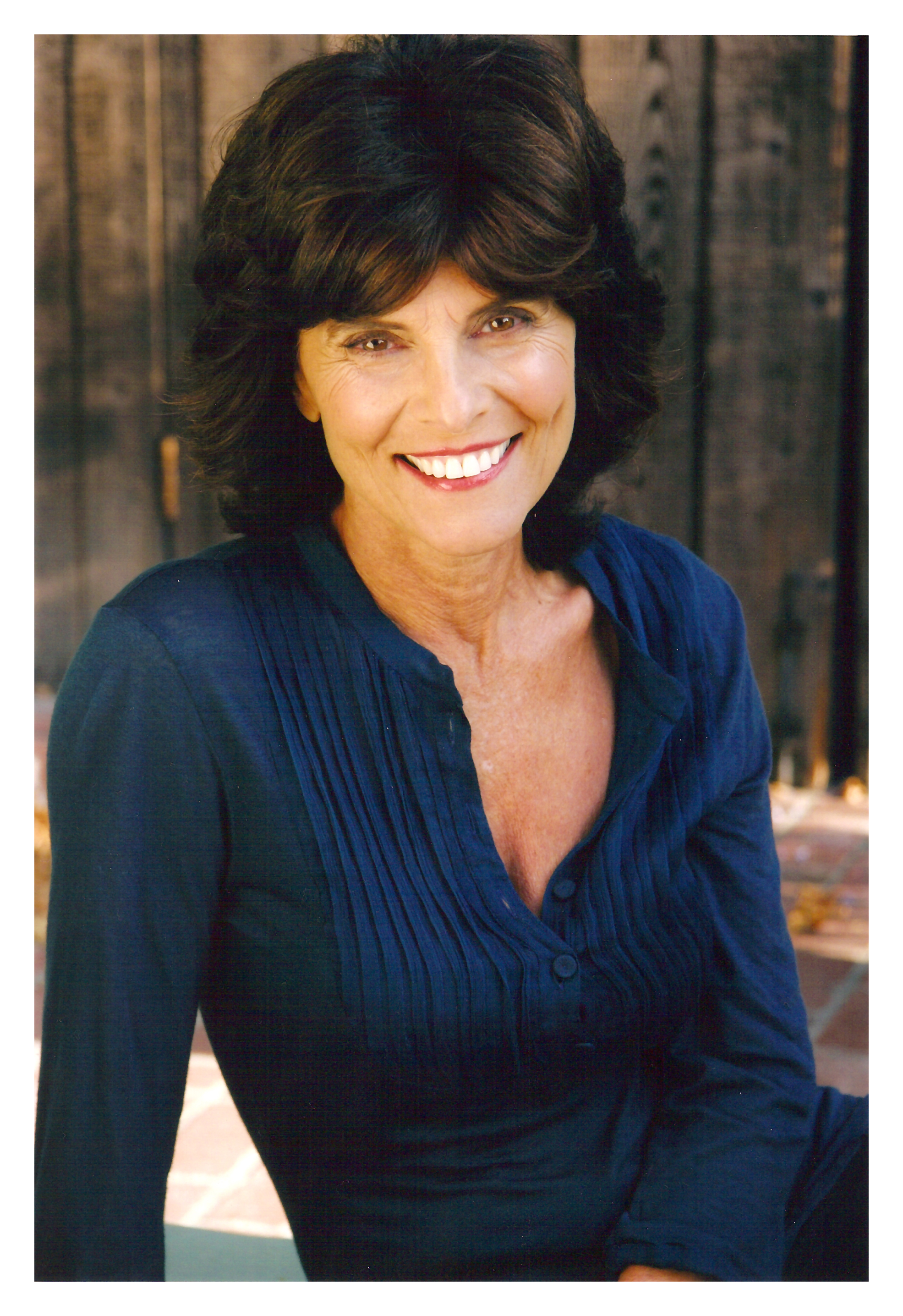
Adrienne Barbeau is a distinguished American actress, author, and singer whose career spans over five decades across Broadway, television, and film. Best known for her role in the 1970s sitcom Maude, her iconic performances in John Carpenter’s cult classic horror films, and her definitive voice work as Catwoman, she remains a central figure in popular culture as of 2026.
The Broadway Foundation and Television Breakthrough
Before becoming a fixture of 1980s cinema, Adrienne Barbeau established herself as a formidable talent on the New York stage. Her journey began in the late 1960s, but it was her performance in the original 1972 Broadway production of Grease that solidified her status in the industry. Portraying the tough-talking Rizzo, Barbeau earned a Tony Award nomination and a Theatre World Award, showcasing a vocal range and stage presence that would later serve her well in both musical theater and dramatic screen roles.
Her transition to television was immediate and impactful. In 1972, she was cast as Carol Traynor, the divorced daughter of the titular character in the sitcom Maude. The show, a spin-off of All in the Family, was groundbreaking for its era, tackling controversial social issues such as abortion, civil rights, and feminism. Barbeau’s character acted as a modern, liberal foil to her mother’s older-school brand of activism. For six seasons, Barbeau was a household name, navigating the complex scripts of Norman Lear with a mix of comedic timing and emotional depth. This role established her as a versatile performer capable of holding her own against industry giants like Bea Arthur.
The "Scream Queen" Era and Professional Collaboration with John Carpenter
In the late 1970s and early 1980s, Barbeau’s career took a significant turn toward the "genre" film market. This shift was largely catalyzed by her professional and personal relationship with director John Carpenter, to whom she was married from 1979 to 1984. Unlike many of her contemporaries who were cast as "damsels in distress," Barbeau’s characters in these films were often characterized by their independence, intelligence, and resilience.
The Fog (1980)
In The Fog, Barbeau played Stevie Wayne, a small-town radio DJ who operates out of a lighthouse. The role is unique because Barbeau is physically isolated from most of the other cast members for the duration of the film. Her performance is largely vocal, acting as a narrator and warning system for the town of Antonio Bay. This role demonstrated her ability to carry a film's tension through presence and voice alone, a skill she would later master in animation.
Escape from New York (1981)
Barbeau’s role as Maggie in the dystopian action-thriller Escape from New York further cemented her status as a genre icon. As the tough, gun-toting companion to the Brain (Harry Dean Stanton), she provided a gritty, grounded performance in a stylized world. Maggie’s final stand in the film remains a memorable moment for fans of 80s action cinema, showcasing Barbeau’s ability to handle high-stakes, physical roles.
Swamp Thing and Creepshow (1982)
Collaborating with other horror masters, Barbeau starred in Wes Craven’s Swamp Thing as Alice Cable and in George A. Romero’s Creepshow. In the "The Crate" segment of Creepshow, she delivered a sharply different performance as Wilma "Billie" Northrup, an abrasive and unpleasant wife. This role allowed her to display a range far removed from the heroic Stevie Wayne, proving her capability in character-driven horror-comedy.
Voice Acting and the Definitive Selina Kyle
In the 1990s, Barbeau’s career entered a new phase as she became one of the most recognizable voices in animation. Her most significant contribution in this medium was voicing Selina Kyle (Catwoman) in Batman: The Animated Series and its subsequent spin-offs, including The New Batman Adventures.
Her portrayal is often cited by fans and critics as the definitive vocal version of the character. Barbeau brought a husky, sophisticated, and morally ambiguous quality to the role that perfectly balanced the duality of the socialite and the cat burglar. Her work in the DC Animated Universe (DCAU) showcased her technical precision as a voice actor—using subtle inflections to convey the character's internal conflict and feline grace without the aid of physical movement. This work ensured her popularity with a new generation of fans who may not have been familiar with her 1970s television work.
Literary Contributions and the Vampyres of Hollywood
Beyond her work on stage and screen, Adrienne Barbeau has developed a successful second career as an author. Her writing reflects the same wit and genre-savviness that characterized her acting roles. She began with her memoir, There Are Worse Things I Can Do (2006), which provided an honest look at her life in show business, her relationships, and her experiences as a mother later in life.
She then ventured into fiction with the Vampyres of Hollywood series, co-authored with Michael Scott. These novels are a blend of mystery, supernatural horror, and Hollywood satire. The premise involves a world where vampires are real and highly integrated into the entertainment industry. Barbeau utilized her intimate knowledge of Hollywood politics and personalities to create a satirical yet thrilling narrative, further expanding her creative footprint.
Career Overview and Significant Works
As of 2026, Barbeau’s filmography is a testament to longevity and adaptability in a notoriously difficult industry. The following table highlights key milestones in her professional journey:
| Year(s) | Title | Format | Role/Contribution |
|---|---|---|---|
| 1972–1978 | Maude | TV Series | Carol Traynor |
| 1972 | Grease | Broadway | Rizzo (Original Cast) |
| 1980 | The Fog | Film | Stevie Wayne |
| 1981 | Escape from New York | Film | Maggie |
| 1982 | Swamp Thing | Film | Alice Cable |
| 1982 | Creepshow | Film | Wilma "Billie" Northrup |
| 1992–1995 | Batman: The Animated Series | Voice/TV | Selina Kyle / Catwoman |
| 2003–2005 | Carnivàle | TV Series | Ruthie |
| 2006 | There Are Worse Things I Can Do | Book | Author (Memoir) |
| 2008–2010 | Vampyres of Hollywood | Book | Author (Fiction Series) |
| 2012 | Argo | Film | Nina (Character Cameo) |
The Enduring Influence of a Multi-Hyphenate Artist
In the landscape of 2026, Adrienne Barbeau is viewed not just as a nostalgia figure, but as a pioneer for women in genre film. At a time when female characters were often sidelined, she played roles that demanded respect and displayed agency. Her transition from a Broadway star to a television lead, and then to a film icon and author, serves as a blueprint for artistic evolution.
Her influence is visible in the way modern "Scream Queens" are portrayed—moving away from the victim archetype toward the survivor or the protagonist. Furthermore, her voice work continues to set the bar for character-driven animation. Despite the passage of time, the themes explored in her work—feminism in Maude, survival in Carpenter’s films, and the complexity of the anti-hero in Batman—remain relevant to contemporary audiences.
Frequently Asked Questions
What was Adrienne Barbeau's first major role?
Her first major breakthrough was on Broadway as Rizzo in the original 1972 production of Grease. Shortly thereafter, she gained national fame as Carol Traynor on the hit sitcom Maude.
Did Adrienne Barbeau do her own singing in her roles?
Yes. Barbeau is a trained singer. This was most evident in her Broadway career, but she also utilized her singing talents in various television guest spots and on her 1998 self-titled folk/blues album.
How many movies did she make with John Carpenter?
Barbeau starred in two of Carpenter's feature films: The Fog (1980) and Escape from New York (1981). She also provided the voice for the computer in his 1982 film The Thing and appeared in his television movie Someone's Watching Me! (1978).
What books has Adrienne Barbeau written?
She has written a memoir titled There Are Worse Things I Can Do. She also wrote a series of supernatural mystery novels including Vampyres of Hollywood, Love Bites, and Make Me Dead.
Is Adrienne Barbeau still active in the entertainment industry?
As of 2026, she remains a respected figure in the industry, frequently appearing at film festivals, lending her voice to high-profile animated projects, and engaging with fans through her literary work. Her legacy is sustained by a combination of new appearances and the continued cult status of her earlier films.
Where to Explore Adrienne Barbeau's Work Today
For those looking to explore the depth of Barbeau’s career, a chronological approach is often the most rewarding. Start with the early seasons of Maude to appreciate her comedic timing and the cultural weight of 1970s television. From there, the "Carpenter Trilogy"—The Fog, Escape from New York, and her vocal cameo in The Thing—provides a masterclass in atmospheric genre acting.
For fans of voice artistry, the "Cat and the Claw" episodes of Batman: The Animated Series remain essential viewing. Finally, her memoir is highly recommended for an inside look at the challenges and triumphs of a woman navigating the shifts of the entertainment industry over several decades. Whether through the screen, the speakers, or the printed page, Adrienne Barbeau’s body of work offers a comprehensive look at the evolution of American media.