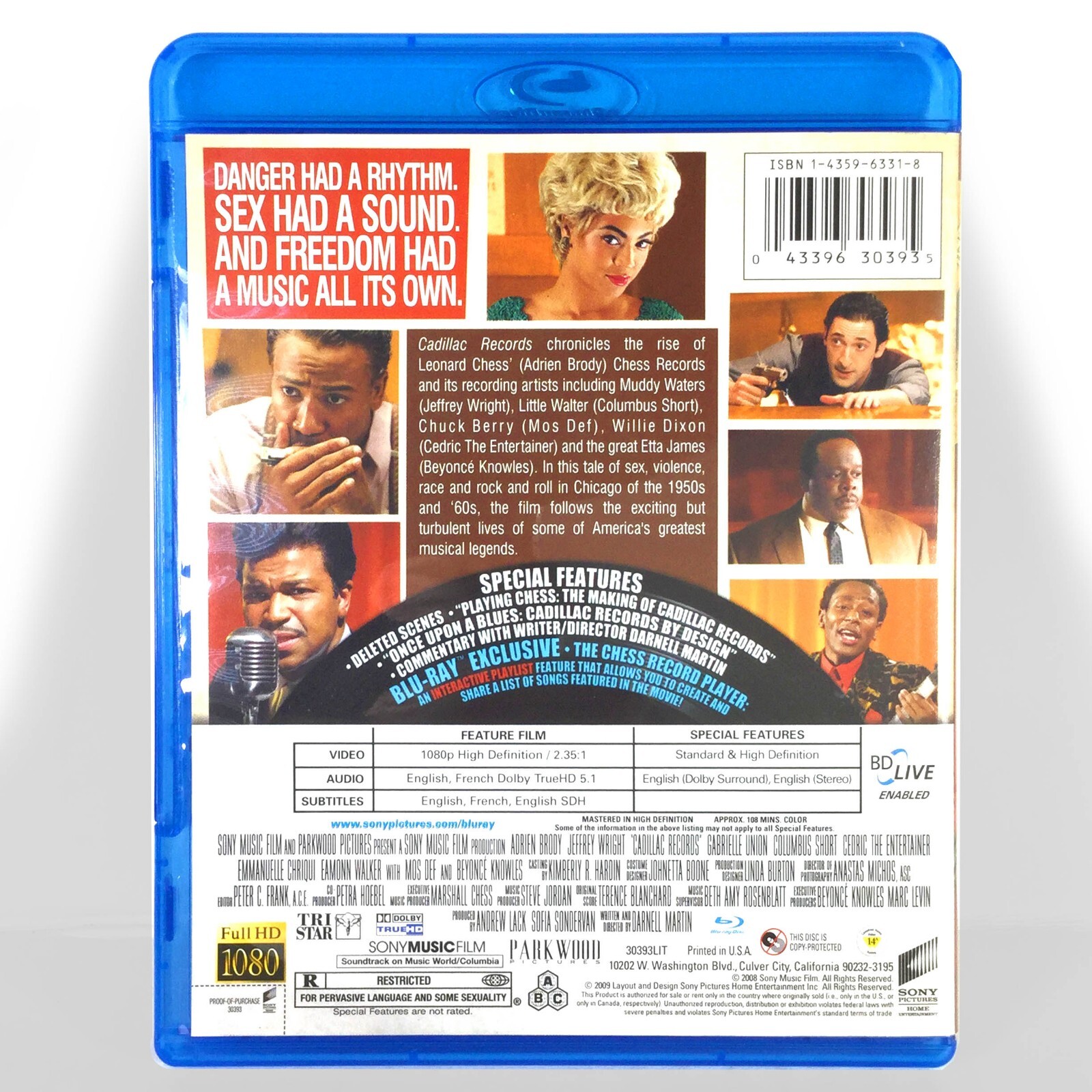
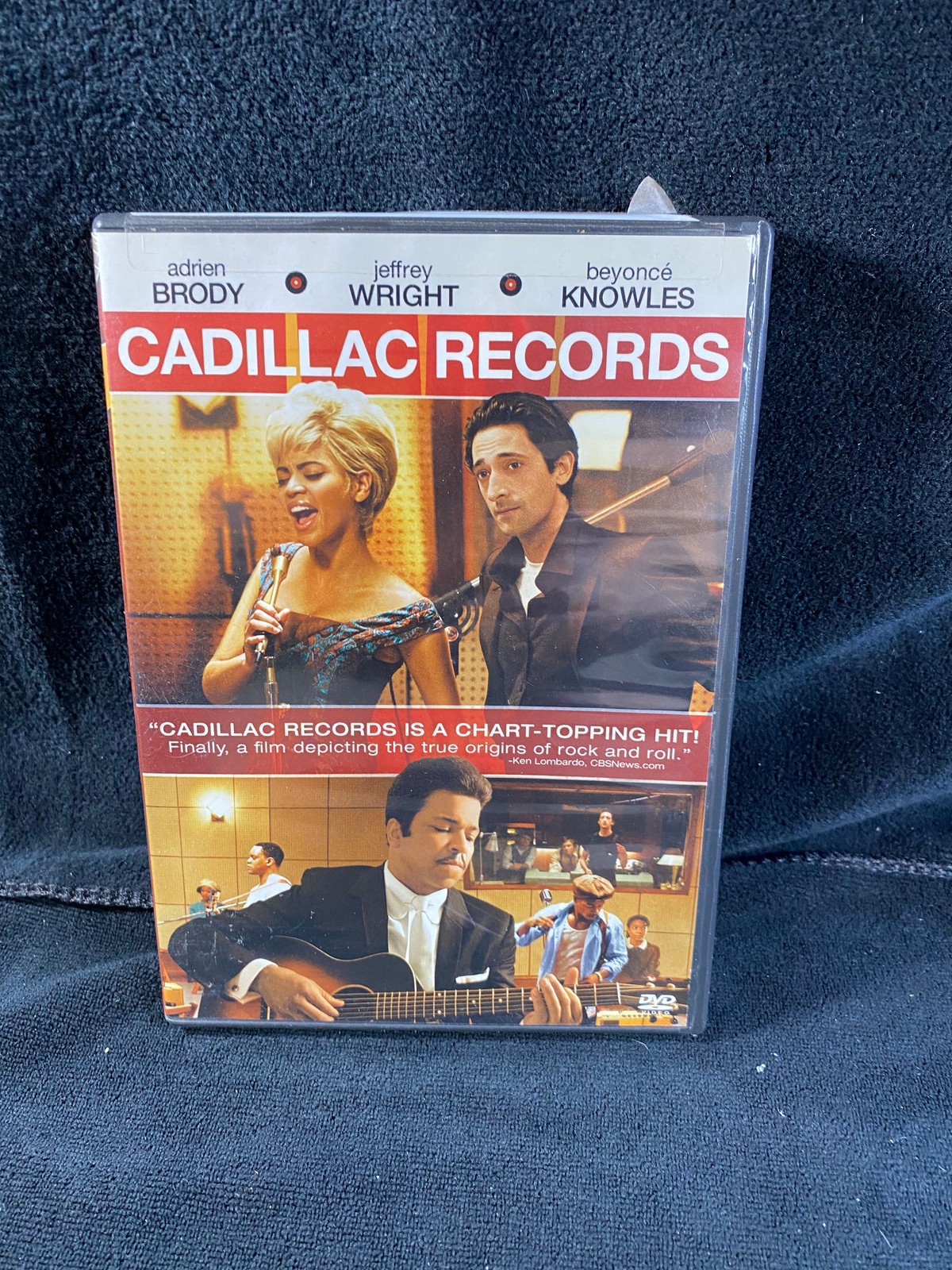
In the 2008 film Cadillac Records, Adrien Brody delivers a transformative performance as Leonard Chess, the co-founder of the legendary Chess Records. The "untold story" lies in the film’s exploration of the complex, paternalistic, and often exploitative relationship between a Jewish immigrant entrepreneur and the Black blues musicians who revolutionized American music.
The Portrayal of Leonard Chess: Adrien Brody’s Method Approach
Adrien Brody’s portrayal of Leonard Chess is the narrative engine of Cadillac Records. Stepping into the shoes of a man who was both a visionary and a shrewd businessman required a delicate balance of charisma and grit. Brody, known for his immersive method acting, captures the frantic energy of a man building an empire in the South Side of Chicago during the 1940s and 50s.
The film depicts Chess not merely as a record executive but as a man deeply integrated into the world he curated. Brody utilizes a sharp, street-wise cadence and a physical intensity that suggests a man constantly on the verge of either a breakthrough or a breakdown. This performance is central to the "untold story" because it moves beyond the simplified image of a label head. Brody portrays Chess as someone who genuinely loved the music but was also inextricably tied to the systemic inequities of the era. His performance forces the audience to grapple with the ambiguity of his character: Was he a savior of the blues, or was he capitalizing on a talent pool that had no other avenues for success?
In the context of 2026, looking back at this performance reveals how Brody successfully navigated the "white savior" trope by leaning into Leonard’s flaws. He doesn't play Chess as a hero; he plays him as a man driven by a mix of ambition, genuine affection for his artists, and a desperate need to belong to something greater than himself. This nuanced approach is why the performance remains a benchmark for biographical acting in musical dramas.
Fact vs. Fiction: The Untold Realities of Chess Records
While Cadillac Records is a compelling cinematic experience, the "untold story" often differs from the historical record. Director Darnell Martin took several creative liberties to condense decades of musical history into a two-hour runtime. For instance, the film implies that Leonard Chess founded the label almost single-handedly, whereas, in reality, his brother Phil Chess was an equal partner in the enterprise. Phil is notably absent or sidelined in the film, a choice made to sharpen the focus on Brody’s character.
The timeline of the film also merges events that occurred years apart. The arrival of Etta James (played by Beyoncé) and the peak of Muddy Waters’ career are framed as part of a single, continuous narrative arc. Historically, Chess Records moved through several distinct phases, from the early "race records" era to the birth of rock 'n' roll with Chuck Berry. The film uses the "Cadillac" as a recurring motif—a symbol of Leonard’s unconventional payment system. While it is true that Leonard often bought cars and paid for personal expenses for his artists instead of providing traditional royalty statements, the film dramatizes this as a central emotional conflict more than a purely financial one.
Understanding these historical deviations is crucial for any fan of the era. The "untold story" is that the real Chess Records was a much more bureaucratic and sprawling operation than the intimate, family-style drama seen on screen. However, the film successfully captures the spirit of the time, even when it sacrifices chronological precision for emotional impact.
The Narrative Structure and Brody’s Influence on the Ensemble
The strength of Cadillac Records lies in its ensemble cast, but Adrien Brody acts as the gravitational center around which the other characters orbit. The film is structured around Leonard’s relationships with his "family" of artists. Each relationship reveals a different facet of his personality, from the respectful but tense partnership with Muddy Waters (Jeffrey Wright) to the volatile, protective bond with Little Walter (Columbus Short).
Brody’s ability to pivot between these dynamics is what gives the film its depth. With Muddy Waters, Brody portrays Leonard as a younger brother looking for approval; with Little Walter, he is a frustrated father figure; and with Etta James, he is a man captivated by talent but wary of the self-destruction that often accompanies it. This structure allows the "untold story" to be told through these interpersonal connections rather than just through the success of the records themselves.
By 2026, the film is often cited as a masterclass in ensemble chemistry. Brody’s willingness to cede the spotlight to his co-stars during musical sequences while maintaining a strong presence in the dramatic beats ensures that the film feels like a cohesive unit. His influence on the set was reportedly one of intense focus, helping to establish the high-stakes environment of a 1950s recording studio.
Key Performances and Character Dynamics in Cadillac Records
To understand the scope of the film and Brody's role within it, it is helpful to look at how the primary characters are positioned relative to Leonard Chess.
| Character | Actor | Relationship to Leonard Chess | Historical Significance |
|---|---|---|---|
| Muddy Waters | Jeffrey Wright | The "Foundation"; mutual respect and financial tension. | The father of modern Chicago blues. |
| Little Walter | Columbus Short | The "Troubled Son"; Leonard tries to manage his volatility. | Revolutionized the blues harmonica. |
| Etta James | Beyoncé Knowles | The "Muse"; a complex bond involving protection and profit. | A bridge between blues, R&B, and rock. |
| Chuck Berry | Mos Def | The "Innovator"; Leonard sees him as the ticket to the mainstream. | A founding father of rock 'n' roll. |
| Howlin' Wolf | Eamonn Walker | The "Rival"; a fierce independence that Leonard couldn't fully control. | A powerful, raw voice of the Delta blues. |
| Willie Dixon | Cedric the Entertainer | The "Architect"; the songwriter and producer behind the hits. | The prolific songwriter for Chess Records. |
Technical Aspects and Period Authenticity
The "untold story" of the film’s production involves a meticulous effort to recreate the look and sound of mid-century Chicago. The production design focuses on the transition from the dusty, rural South to the electric, industrial North. Leonard Chess’s office and the recording booths are portrayed as cramped, smoke-filled spaces where the "magic" happened.
Adrien Brody’s performance is bolstered by this atmosphere. The cinematography uses warm, amber hues for the interior shots, contrasting with the cold, gray streets of Chicago. This visual language reinforces the idea that Chess Records was a sanctuary for these artists, even if it was a flawed one. The attention to detail extends to the instruments and recording equipment used in the film. The "Chess Sound"—characterized by heavy distortion and overdriven amplifiers—was recreated using vintage gear to ensure that the musical performances felt authentic to the 21st-century ear.
Furthermore, the costume design for Brody reflects Leonard’s rising status. We see him transition from simple, utilitarian clothing to sharp, expensive suits, paralleling his success and his desire to project the image of a "big man" in the industry. These technical elements work in tandem with the acting to tell a story of aspiration and the cost of the American Dream.
Legacy of the Film in 2026: Why Brody’s Performance Still Resonates
As of 2026, Cadillac Records has moved from a modest theatrical release to a cult classic within the musical biopic genre. Its enduring relevance is largely attributed to how it handles the "untold story" of racial and economic dynamics in the music industry. Unlike many biopics that sanitize the past, Cadillac Records acknowledges the messy reality of the "Cadillac" payment system and the cultural appropriation inherent in the birth of rock 'n' roll.
Adrien Brody’s Leonard Chess remains one of the most honest portrayals of a record executive on film. He doesn't shy away from the character's manipulative tendencies, yet he makes the audience understand the genuine passion that drove him. In an era where audiences demand more transparency and nuance in historical storytelling, the film’s willingness to present Leonard Chess as a "gray" character has allowed it to age better than more traditional, heroic biopics.
The film also serves as a vital document of the blues. For many younger viewers in 2026, Cadillac Records is their first introduction to figures like Little Walter or Howlin' Wolf. By anchoring the story in Brody’s recognizable presence, the film bridges the gap between modern audiences and the roots of popular music.
Critical Reception and the Evolution of the Musical Biopic
When released, Cadillac Records received praise for its performances but faced criticism regarding its historical compression. However, the perspective has shifted over the last decade. Critics now view the film as a precursor to the modern wave of "unfiltered" biopics. Adrien Brody’s performance, in particular, was often overlooked during its initial run but has since been reclaimed as one of his career-best works.
The film’s approach to the "untold story" set a template for how to handle complex historical figures. It moved away from the "cradle-to-grave" format, focusing instead on a specific era and a specific set of relationships. This allowed for a deeper exploration of themes like the commodification of Black culture and the immigrant experience in America.
Brody’s contribution was essential to this evolution. By avoiding the typical tropes of the "obsessed genius," he provided a grounded, human look at the business side of art. His Leonard Chess is a man who is always calculating, always dreaming, and always aware of the fragility of his position. This psychological depth elevated the film from a standard musical tribute to a serious character study.
Exploring the Chess Records Discography
To truly appreciate the story Adrien Brody brings to life, one must look toward the actual music that defined the Chess era. The film serves as a gateway, but the "untold story" continues in the thousands of tracks recorded at 2120 South Michigan Avenue.
If you are looking to deepen your understanding of the history portrayed in the film, the following steps are recommended:
- Listen to "The Real Chess Hits": Compare the versions performed by the actors in the film (like Beyoncé’s "At Last") with the original recordings by Etta James, Muddy Waters, and Little Walter.
- Research the "Cadillac" Legend: Investigate the historical accounts of how Leonard Chess managed his artists. While the film shows him as a father figure, historical accounts from artists like Howlin' Wolf provide a more critical perspective on the label's financial practices.
- Visit the Blues Heaven Foundation: Located in the original Chess Records building in Chicago, this museum offers the most authentic "untold story" of the label, preserving the space where Brody’s character once stood.
- Watch Contemporary Interviews: Look for archival footage of Leonard and Phil Chess to see how Brody’s mannerisms and speech patterns align with the real-life figures.
Was Leonard Chess as involved in the recording process as Adrien Brody portrays?
Yes, Leonard Chess was known for being an "active" producer. Unlike many label heads who stayed in the office, Leonard was often in the studio, sometimes even playing percussion (like clicking a spoon against a bottle) to get the right sound. Brody’s depiction of Leonard’s hands-on approach is historically accurate.
Did Leonard Chess actually give out Cadillacs instead of royalties?
The "Cadillac" system was a real phenomenon at Chess Records. Leonard would often buy cars, pay for houses, or cover funeral expenses and legal fees for his artists. While the artists appreciated the immediate support, this practice often made it difficult for them to track their actual earnings and royalties, leading to long-term financial disputes.
How did Adrien Brody prepare for the role of Leonard Chess?
Brody spent a significant amount of time researching the history of Chicago’s South Side and the Jewish immigrant experience of the 1940s. He also worked on a specific dialect that combined his character's Polish-Jewish roots with the urban Chicago environment. He immersed himself in the blues discography to understand the "soul" of the music his character was selling.
Was the romance between Leonard Chess and Etta James real?
The film suggests a deep, perhaps romantic, emotional tension between Leonard and Etta James. In reality, while they were very close and Leonard was highly protective of her, there is no definitive historical evidence of a romantic relationship. The film uses this dynamic to symbolize the intense emotional investment Leonard had in his artists.
Why is the film titled Cadillac Records?
The title refers to the label’s reputation for gifting Cadillacs to its successful artists. In the 1950s, a Cadillac was the ultimate symbol of American success. For Black musicians in a segregated society, driving a Cadillac was a powerful statement of achievement, even if the car was technically a substitute for more traditional wealth.