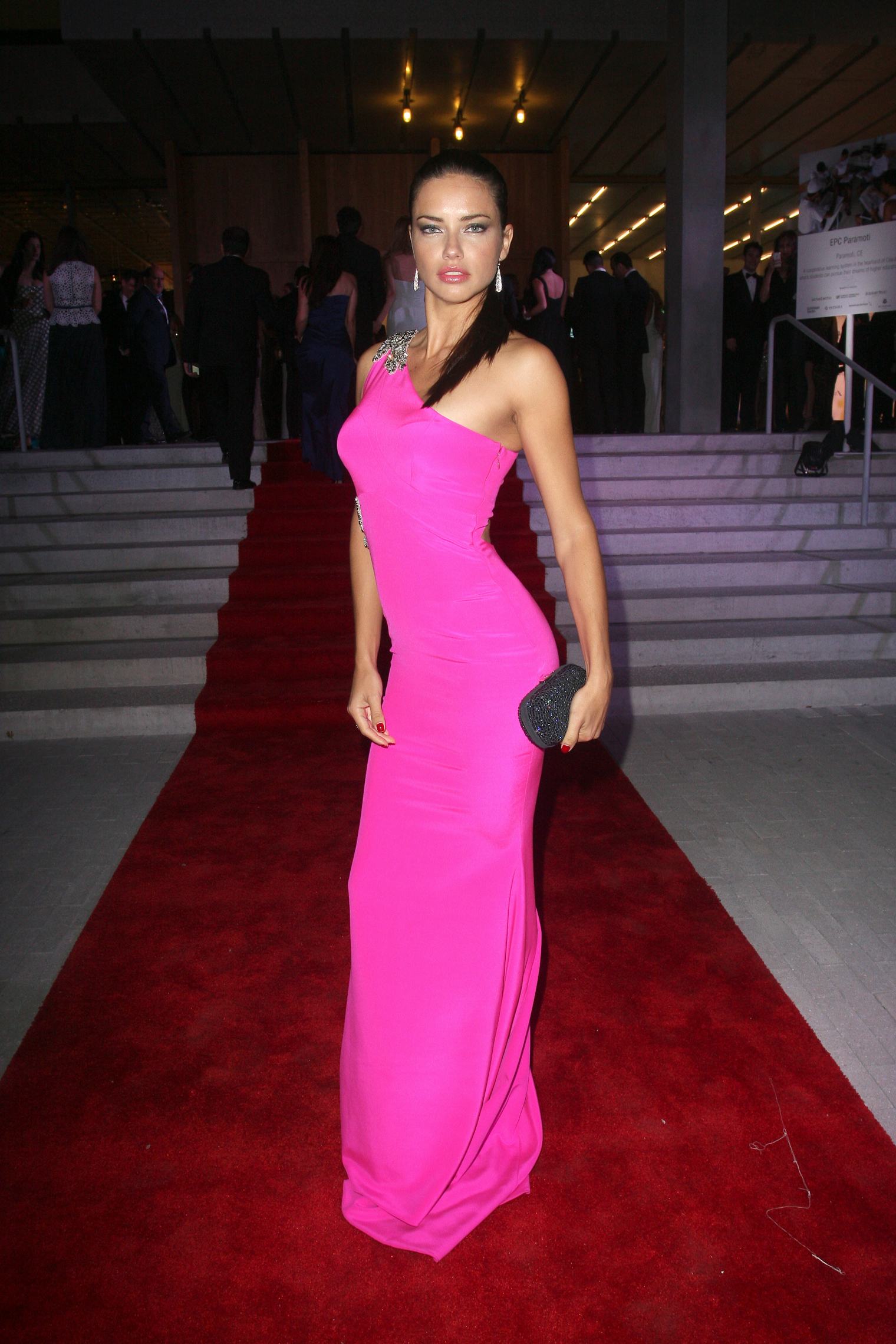
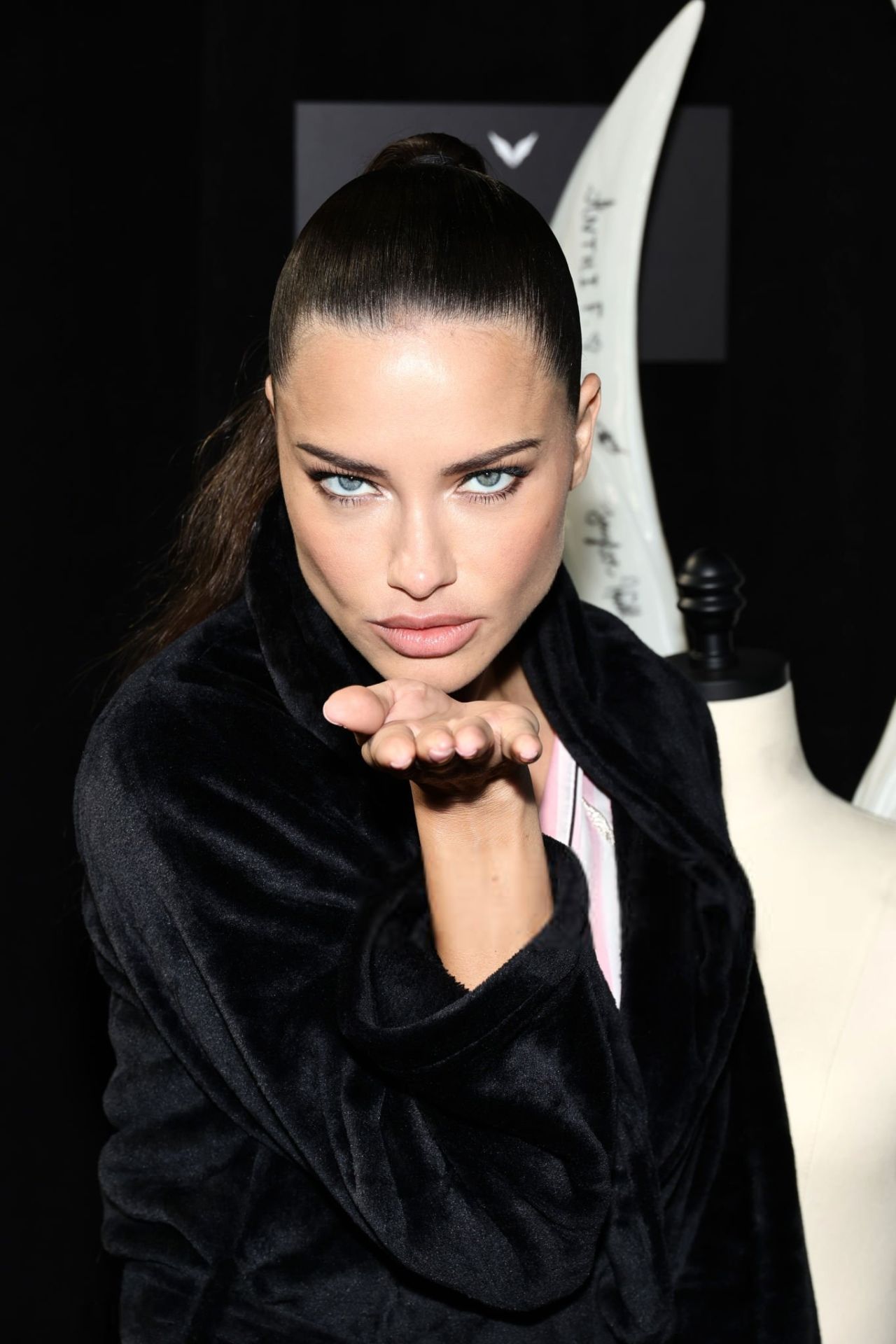
Adriana Lima, a defining figure in modern runway history, transformed the profession through her sustained dominance at major fashion events, most notably the Victoria’s Secret Fashion Show. Her career is characterized by an athletic, high-energy walk, a signature intense gaze, and a deliberate ability to balance commercial appeal with high-fashion versatility across two decades of major brand partnerships.
The Evolution of the Adriana Lima Runway Aesthetic
Adriana Lima’s runway presence was not static; it evolved from the late 1990s through her final performances. Initially characterized by a classic, fresh-faced vitality, her walk matured into a more assertive, rhythmic style that emphasized athleticism. This transition was essential for the demands of the Victoria’s Secret Fashion Show, which required models to interact with complex musical performances and elaborate stage set designs.
Her "style secret" on the runway was rooted in her background in classical poise and her understanding of lens interaction. Unlike many contemporaries who focused solely on forward momentum, Lima understood the placement of the camera as a performance partner. By coordinating her pivots with the beat of the music and the specific camera tracking of the broadcast, she maintained a consistent, high-energy focal point. This technical precision ensured that despite the chaos of intricate costumes—such as the iconic heavy wings—her posture remained upright and her performance remained engaging.
Signature Runway Moments and Costume Mastery
The history of the fashion show requires an examination of the items that defined her career. Lima was known for her ability to handle the "Fantasy Bra" and other high-complexity showpieces, which require a specific type of controlled gait to compensate for the weight and fragility of the materials.
Notable Runway Attributes
- The Power Pivot: Her ability to transition from a straight walk to a pivot was remarkably fluid, preventing the "stiff" look often caused by heavy costumes.
- Eye Contact Dynamics: She utilized a "triangulation" method—looking slightly above the lens, directly into the lens, and then to the side—to create a sense of direct engagement with the audience.
- Weight Distribution: During her tenure with Victoria's Secret, she mastered the art of "counter-balancing," where she adjusted her center of gravity to support oversized structural wings, allowing her to move naturally despite the weight.
Technical Requirements of Professional Runway Performance
For those studying the technical aspects of fashion show work, Lima’s career provides a blueprint for professional endurance. The requirements for such roles go far beyond aesthetics; they include high-intensity interval training (HIIT) to maintain the cardiovascular stamina required to walk in heels while performing choreography, as well as strict adherence to hydration and recovery protocols to ensure consistent performance over the multi-day filming schedules often associated with high-profile fashion events.
Comparison of Runway Styles and Performance Disciplines
The following table categorizes the distinct elements that contributed to the effectiveness of her runway performances compared to traditional high-fashion modeling requirements.
| Element | Runway Performance | Technical Requirement |
|---|---|---|
| Gait | High-energy, rhythmic | Controlled center of gravity |
| Pivoting | Sharp, precise timing | Core stabilization |
| Engagement | Camera-direct interaction | Constant visual focal point |
| Endurance | Multi-hour event capacity | HIIT and stamina training |
| Costume Ease | Fluid, adaptive movement | Weight-balanced posture |
Understanding the "Style Secrets" Behind the Look
The "style secrets" often attributed to Lima are less about singular products and more about a holistic system of preparation. Her routine historically centered on three pillars: technical conditioning, visual consistency, and brand alignment.
Technical Conditioning
Lima emphasized consistency in her physical preparation. This involved professional-grade athletic training that allowed her to maintain a consistent silhouette under varying lighting conditions. Because the runway is a controlled, high-stress environment, the goal of this conditioning was not just aesthetic, but functional—ensuring that her body mechanics remained stable even when wearing heavy or restrictive garments.
Visual Consistency and Presentation
A significant part of her success involved her deep understanding of grooming and hair health. Her signature look often utilized high-contrast, polished textures that caught stage lighting effectively. By maintaining consistent hair health through professional treatments, she ensured that her visual presentation remained uniform even during rapid wardrobe changes, which is a critical, often overlooked requirement for successful fashion show participants.
Brand Alignment
Lima acted as a brand anchor. Her ability to synthesize the brand's creative direction—whether it was a thematic "holiday" look or a high-octane "sport" aesthetic—meant she could adapt her expression without losing her personal brand identity. This flexibility is what allowed her to maintain a contract for nearly two decades, as she provided a reliable foundation that designers could build upon.
Common Mistakes in Runway Mimicry
Many aspiring models attempt to replicate her walk without accounting for the underlying mechanics. One common mistake is over-exaggerating the hip movement. While Lima’s walk was dynamic, it was anchored by a steady, straight-line posture. The movement originated from the hips as a natural byproduct of the stride, rather than an forced, artificial sway. Another common error is neglecting the "gaze." A performer who mimics the walk but lacks the intense, focused eye contact common in high-fashion broadcasts often loses the audience's engagement. Performance, in this context, is a full-body commitment.
Next Actions for Aspiring Professionals
If you are researching these techniques for professional development, the focus should be on building a foundational understanding of body awareness and stamina.
- Develop Core Strength: Prioritize exercises that stabilize the pelvis, as this is the engine of a professional, controlled walk.
- Practice Rhythmic Timing: Work with metronomes or music to understand how to align a stride with a specific tempo, which is essential for runway pacing.
- Analyze Camera Angles: Record yourself walking and study how different camera heights change the perception of your posture. Use this to refine your head height and gaze.
- Prioritize Recovery: Implement professional recovery routines—such as targeted stretching or physical therapy—to mimic the endurance standards of high-level runway work.
By viewing Adriana Lima’s career through the lens of technical proficiency rather than mere visual appeal, one gains a clearer understanding of how longevity is achieved in the fashion industry.