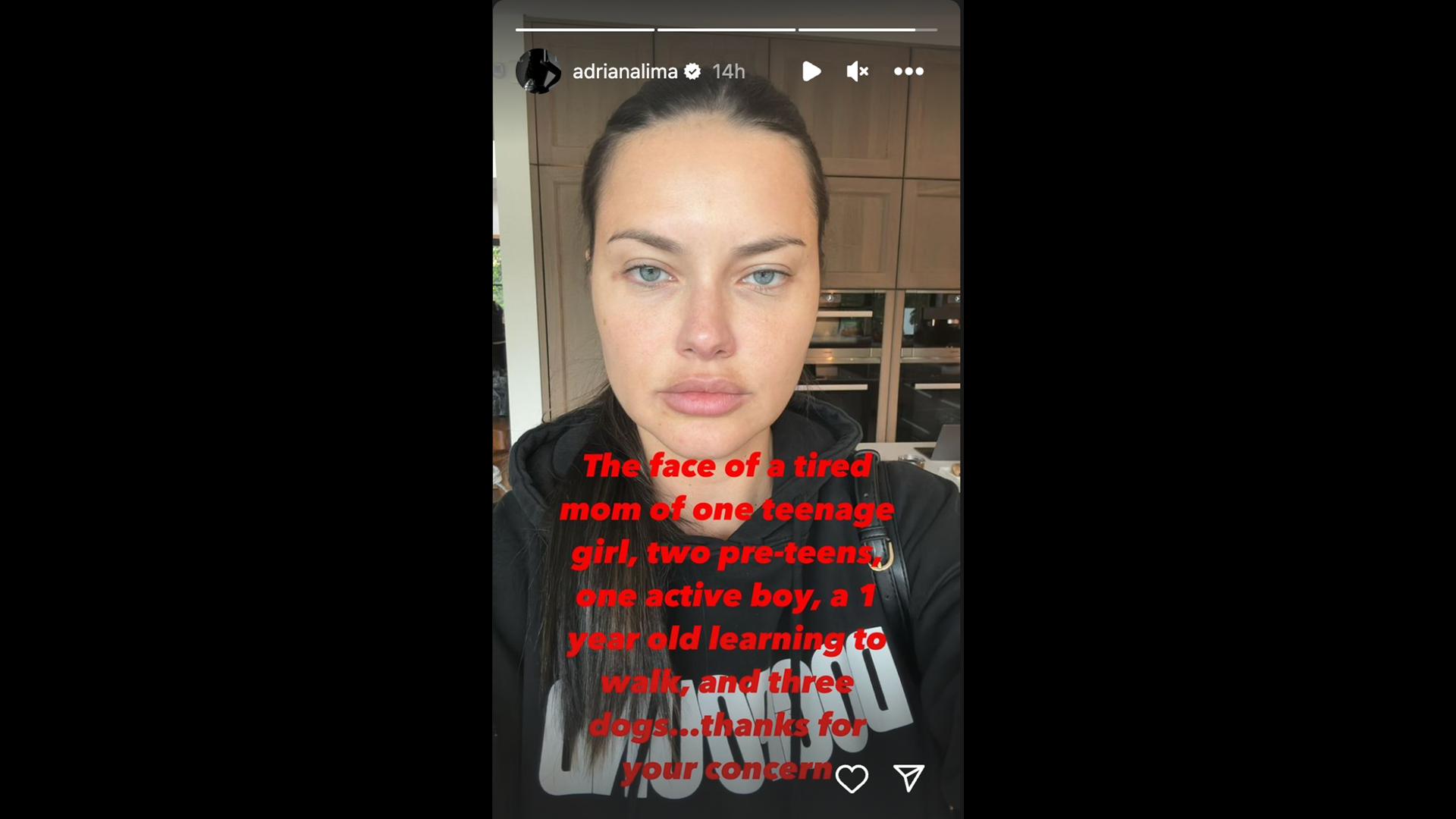
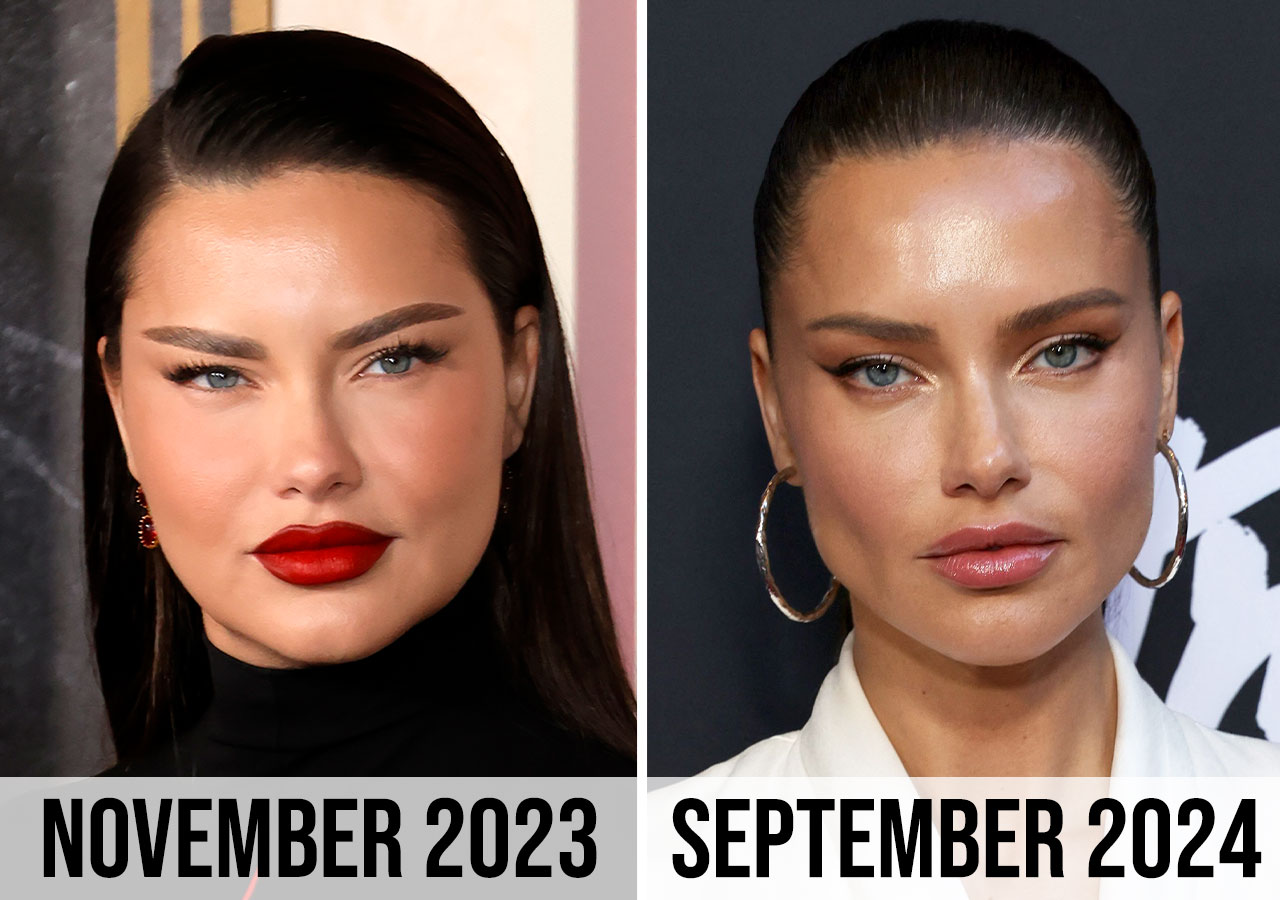
The evolution of Adriana Lima, from her debut in the mid-1990s to her status as a global fashion icon in 2026, represents a complex intersection of natural biological maturation, evolving beauty standards, and high-fashion industry pressures. Analyzing her career trajectory involves distinguishing between documented professional milestones and the public discourse surrounding shifting physical appearances over a three-decade span.
The Foundation: Early Career and Entry into High Fashion
Adriana Lima’s entry into the modeling industry occurred when she was merely 15 years old, having won the Ford "Supermodel of Brazil" competition. Her early professional years were defined by a distinct, adolescent facial structure—often characterized by higher levels of subcutaneous facial fat, a common trait in youth that naturally recedes with age. During this developmental phase, her aesthetic was categorized by industry standards as "fresh-faced," a prerequisite for the editorial campaigns she secured throughout the late 1990s.
When evaluating a "before" profile for a public figure of this magnitude, researchers must account for the difference between professional styling—which utilizes dramatic lighting, contouring, and non-invasive beauty techniques—and the underlying biological changes that occur over thirty years. In the late 90s, the "heroin chic" and "supermodel" eras favored specific photographic angles and makeup techniques that emphasized sharp, angular features. Lima’s early portfolio reflects these industry-standard trends, which often obscure the natural softening of a teenager's face.
Biological Maturation and Structural Changes
By the early 2010s, Lima had transitioned into her prime career years. Biological maturity in the mid-to-late twenties and early thirties generally involves the loss of collagen and the redistribution of facial fat pads. This process often leads to more prominent zygomatic bones (cheekbones) and a more defined jawline, regardless of external interventions. For a public figure, this "evolution" is frequently documented in high-definition media, creating a stark visual contrast when compared side-by-side with images taken during adolescence.
It is critical to distinguish between the natural thinning of facial features associated with maturity and intentional procedural modifications. In 2026, dermatological and aesthetic technology has advanced significantly, allowing for non-surgical enhancements that can mimic structural changes. However, as an athlete and public figure, Lima’s professional requirements have consistently emphasized maintaining a high-performance, healthy physique, which influences facial volume and skin health over long-term timelines.
Comparing Stylistic Trends Across Decades
The perception of "before vs after" in public profiles is frequently skewed by the changing nature of fashion photography and grooming standards. The following table delineates the primary factors that contribute to the perceived evolution of Adriana Lima’s public profile:
| Factor | Early Career (1995–2005) | Established Era (2006–2018) | Current Status (2019–2026) |
|---|---|---|---|
| Styling | Minimalist, natural focus | High-glamour, heavy contour | Modern, skin-focused, minimal |
| Facial Volumetrics | High (adolescent fat) | Balanced (matured) | Defined (natural aging process) |
| Makeup Trends | Thin brows, neutral tones | Defined lashes, glossy lips | Dewy finish, "clean girl" aesthetic |
| Primary Media | Print editorial | Runway & Broadcast | Digital & Social Media |
Evaluating the Impact of Industry Standards
The "evolution profile" of a high-profile model is rarely an independent journey; it is inextricably linked to the mandates of the brands represented. Throughout her tenure with major global lingerie and luxury brands, Lima’s image was subject to strict brand guidelines. The "after" image that the public consumes is often a curated product of art direction, professional lighting, and post-production editing.
When analyzing her evolution, one must consider that she has remained one of the most consistently employed models globally. This longevity requires alignment with contemporary aesthetic trends. In 2026, the industry has shifted away from the heavy, artificial styling of the 2010s toward a preference for "prejuvenation" and natural enhancement. Lima’s current look, therefore, reflects a professional adaptation to these 2026 standards, which prioritize skin texture and subtle, non-surgical maintenance over drastic, permanent alterations.
Addressing Public Speculation and Verification
In the age of social media, public discourse often leans toward speculative commentary regarding plastic surgery or cosmetic procedures. However, verified profiles must rely on objective analysis rather than conjecture. The phenomenon of "face-shifting" in public figures is frequently attributed to three main, non-surgical factors:
- Weight Fluctuation: As an individual transitions through different life stages, including motherhood and training for high-impact professional shoots, natural weight distribution in the face changes significantly.
- Technological Lighting: The shift from film cameras and incandescent studio lighting to LED and high-contrast digital photography alters how facial shadows are perceived.
- Dermatological Evolution: Access to medical-grade skincare, professional peels, and laser treatments has become the standard for public figures. These treatments improve skin density and elasticity, which can significantly alter the way facial features appear in high-resolution photography.
Frequently Asked Questions
What constitutes a verified evolution profile for a public figure?
A verified evolution profile is an objective record of chronological change in appearance, accounting for natural aging, professional styling changes, and environmental factors. It avoids speculative claims regarding specific surgical procedures that cannot be confirmed through medical records, focusing instead on observable, documented transitions over time.
How do professional makeup trends influence the "before vs after" perception?
Makeup trends act as a primary variable in how faces are perceived. For example, the trend of heavy contouring prevalent between 2010 and 2018 can create the illusion of a more angular, sculpted bone structure. Conversely, the 2026 "clean" look uses light reflection and dewy products to make the face appear more youthful and voluminous, which can lead viewers to believe a physical change occurred when only the application technique changed.
Did Adriana Lima's facial structure change due to age?
Yes, like all individuals, Adriana Lima has experienced natural biological aging. This includes a decrease in facial fat pads and the maturation of bone density, which are standard physiological processes that define a person's appearance from their mid-teens into their mid-forties.
Why is there so much focus on the "after" in 2026?
The focus on a contemporary "after" state in 2026 is driven by the ubiquity of high-definition digital media and the increased visibility of cosmetic enhancement culture. Audiences are now more attuned to minor aesthetic changes, leading to increased scrutiny of public figures who have remained in the spotlight for decades.
Is professional photography a factor in perceived changes?
Absolutely. The evolution of camera lens technology, sensor quality, and color grading in post-production significantly alters the depiction of facial features. Images from the 1990s lack the sharpness of 2026 digital sensors, which capture skin texture and facial movement with a level of detail that makes subtle changes appear more pronounced.
Moving Forward: Analyzing Long-Term Career Imagery
For those conducting research on the evolution of fashion icons, the best next step is to synthesize imagery from archival editorial archives rather than relying on social media content. Professional editorials provide a more stable baseline for comparison, as they are shot under controlled conditions. When comparing images, ensure they are shot from similar angles and in similar lighting conditions to remove variables. Utilizing high-quality, high-resolution scans of original publications remains the most reliable method for verifying the aesthetic journey of a career spanning decades.