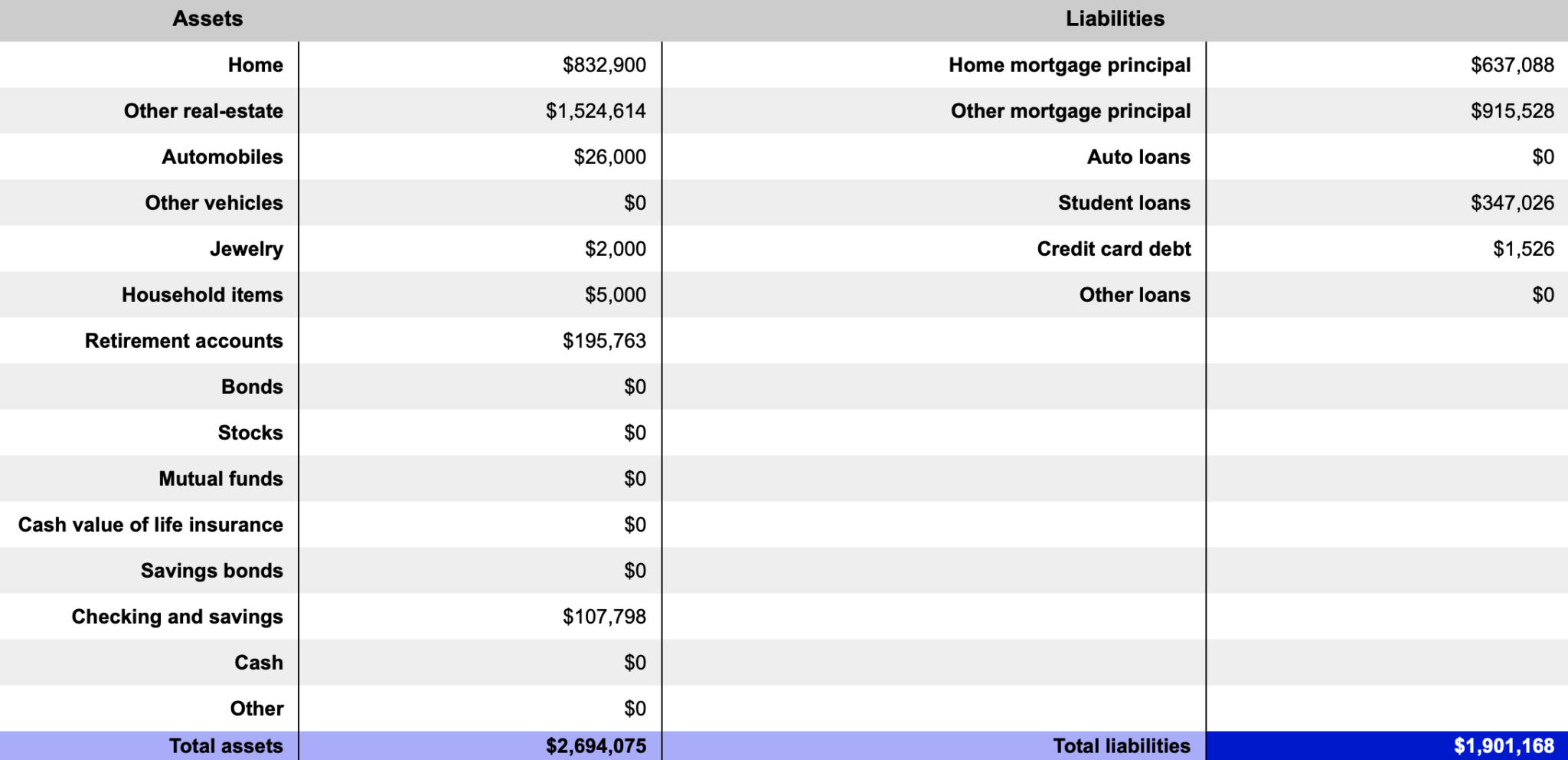
Calculating the net worth of prominent financiers like Adrian Sedlin involves examining various financial components, including private equity holdings, corporate leadership compensation, startup investments, and real estate assets. Because private market assets are not publicly traded, arriving at an exact valuation requires analyzing disclosed executive compensation filings, historical venture exits, and industry valuation benchmarks to establish a reliable estimate of total accumulated wealth.
Understanding the Financial Career of Adrian Sedlin
Analyzing private wealth requires a foundational understanding of an individual's career trajectory, professional milestones, and leadership roles within the financial and corporate sectors. Adrian Sedlin is widely recognized for his multifaceted career spanning corporate finance, private equity, and executive leadership positions within specialized industries. Throughout his professional timeline, Sedlin has held pivotal roles that typically command substantial compensation structures, including base salaries, performance-based bonuses, and equity grants.
Executive compensation in the financial and corporate sectors is rarely limited to annual cash flow. High-ranking executives and financiers accumulate significant portions of their net worth through long-term incentive plans (LTIPs), stock options, and restricted stock units (RSUs). When companies undergo restructuring, private equity buyouts, or initial public offerings, these equity instruments often appreciate dramatically. Consequently, tracing Sedlin's net worth requires mapping his executive tenures against the financial performance and ultimate market valuations of the organizations he has managed or advised.
Key Components Comprising Private Financier Wealth
To understand how financial analysts estimate the net worth of private figures like Adrian Sedlin, it is necessary to examine the primary asset classes that typically constitute high-net-worth portfolios. Unlike public corporate officers whose stock holdings are subject to strict regulatory disclosures, private financiers often hold assets shielded by the privacy parameters of private equity funds, privately held corporations, and trusts.
The primary building blocks of private wealth portfolios generally include:
- Liquid assets, including cash reserves, high-yield Treasury bills, and marketable securities.
- Private equity and venture capital investments in early-stage startups and middle-market enterprises.
- Real estate holdings, encompassing primary residential properties, commercial real estate, and land portfolios.
- Intellectual property, advisory retainers, and board compensation packages.
Evaluating these components requires distinct methodologies. While liquid assets and publicly traded securities can be quantified with relative ease, private market assets demand discounted cash flow analysis, precedent transaction comparisons, and verified capital commitments within closed-end funds.
| Asset Class | Valuation Methodology | Liquidity Profile | Typical Wealth Impact |
|---|---|---|---|
| Public Equities & Cash | Market pricing and bank statements | High (Immediate) | Provides day-to-day liquidity and stability |
| Private Equity & Startups | Mark-to-market and recent funding rounds | Low (Illiquid) | High potential for exponential wealth appreciation |
| Real Estate Portfolios | Comparative market analysis and appraisals | Moderate | Serves as a long-term capital preservation hedge |
| Corporate Compensation | Employment contracts and proxy filings | Structured/Deferred | Forms the foundational baseline of cash flow |
The Role of Startup Investments and Venture Capital
A significant catalyst for wealth accumulation among modern financiers involves venture capital and angel investing. Financiers often leverage their industry expertise and network access to secure early-stage equity allocations in high-growth startups across technology, consumer goods, and financial services sectors.
When calculating the net worth derived from venture investments, analysts look at the initial cost basis and apply subsequent valuation steps based on later financing rounds. However, venture investments carry substantial illiquidity risk. A high paper valuation resulting from a Series A or Series B funding round does not translate into guaranteed liquid wealth until a liquidity event occurs, such as a strategic acquisition or an initial public offering. Therefore, conservative wealth calculations apply strict valuation discounts to privately held startup equity to account for market volatility and potential dilution effects over time.
Real Estate Holdings and Capital Preservation Strategies
Beyond operating companies and venture portfolios, real estate frequently represents a stabilizing cornerstone of a financier's net worth. High-net-worth individuals typically diversify their liquid gains into tangible property assets to hedge against inflation and optimize tax structures.
Real estate valuation contributes to overall net worth through equity accumulation—the difference between the current market value of a property and any outstanding mortgage debt. Additionally, income-generating commercial properties or multi-family residential portfolios generate passive cash flow, which can be reinvested into other asset classes. In assessing Adrian Sedlin's broader financial footprint, real estate assets in prime metropolitan or lifestyle markets represent a secure, albeit less liquid, component of total net wealth.
Common Challenges in Estimating Private Wealth
Quantifying the exact net worth of a private financier presents distinct methodological hurdles. Financial journalists and wealth analysts frequently rely on estimations because private individuals are under no legal obligation to publish balance sheets unless required by specific regulatory filings or public company disclosures.
Common obstacles encountered during wealth estimation include:
- Undisclosed liabilities, such as personal lines of credit, margin loans, or mortgages secured against assets.
- Complex ownership structures, including family offices, irrevocable trusts, and offshore holding entities designed for privacy and estate planning.
- Market fluctuations that rapidly alter the valuation of illiquid private equity stakes and commercial real estate holdings.
- Valuation discrepancies arising from differing accounting standards applied to private versus public enterprises.
Because of these variables, figures published in online wealth profiles should be viewed as educated approximations rather than audited financial statements. Accurate net worth verification requires direct access to tax returns, brokerage statements, and certified asset appraisals documents that remain strictly confidential.
Frequently Asked Questions
What is net worth and how is it calculated for private financiers?
Net worth is calculated by subtracting total liabilities from total assets. For private financiers, this involves aggregating cash, investment portfolios, real estate equity, and private company stakes, then deducting any outstanding debts, loans, or financial obligations.
Why are estimates of Adrian Sedlin's net worth often inconsistent?
Estimates vary because private financiers maintain privacy regarding their personal balance sheets, trusts, and private equity investments. Public trackers must rely on historical executive compensation data and indirect market indicators, leading to wide discrepancies.
Do startup investments significantly impact a financier's net worth?
Yes, successful early-stage investments can yield exponential returns during a liquidity event. However, these investments are highly illiquid and carry high failure rates, making their actual contribution to net worth volatile until realized.
How do real estate holdings factor into overall wealth calculations?
Real estate contributes to net worth through its total market equity value minus any liabilities like mortgages. It serves as a tangible asset class that offers both capital appreciation and passive income generation.
Are executive salaries the primary driver of wealth for senior financiers?
While base salaries provide steady cash flow, wealth accumulation is primarily driven by equity incentives, stock options, performance bonuses, and capital gains from personal investment portfolios rather than annual salary alone.
Strategic Financial Review and Wealth Tracking
For individuals analyzing wealth management strategies or evaluating executive compensation models, the primary takeaway is the importance of asset diversification. Building sustainable wealth requires balancing high-risk, high-reward ventures—such as startup equity and private equity funds—with stable, income-generating assets like real estate and liquid securities. Understanding these financial mechanics provides a realistic framework for evaluating modern financiers and corporate leaders.