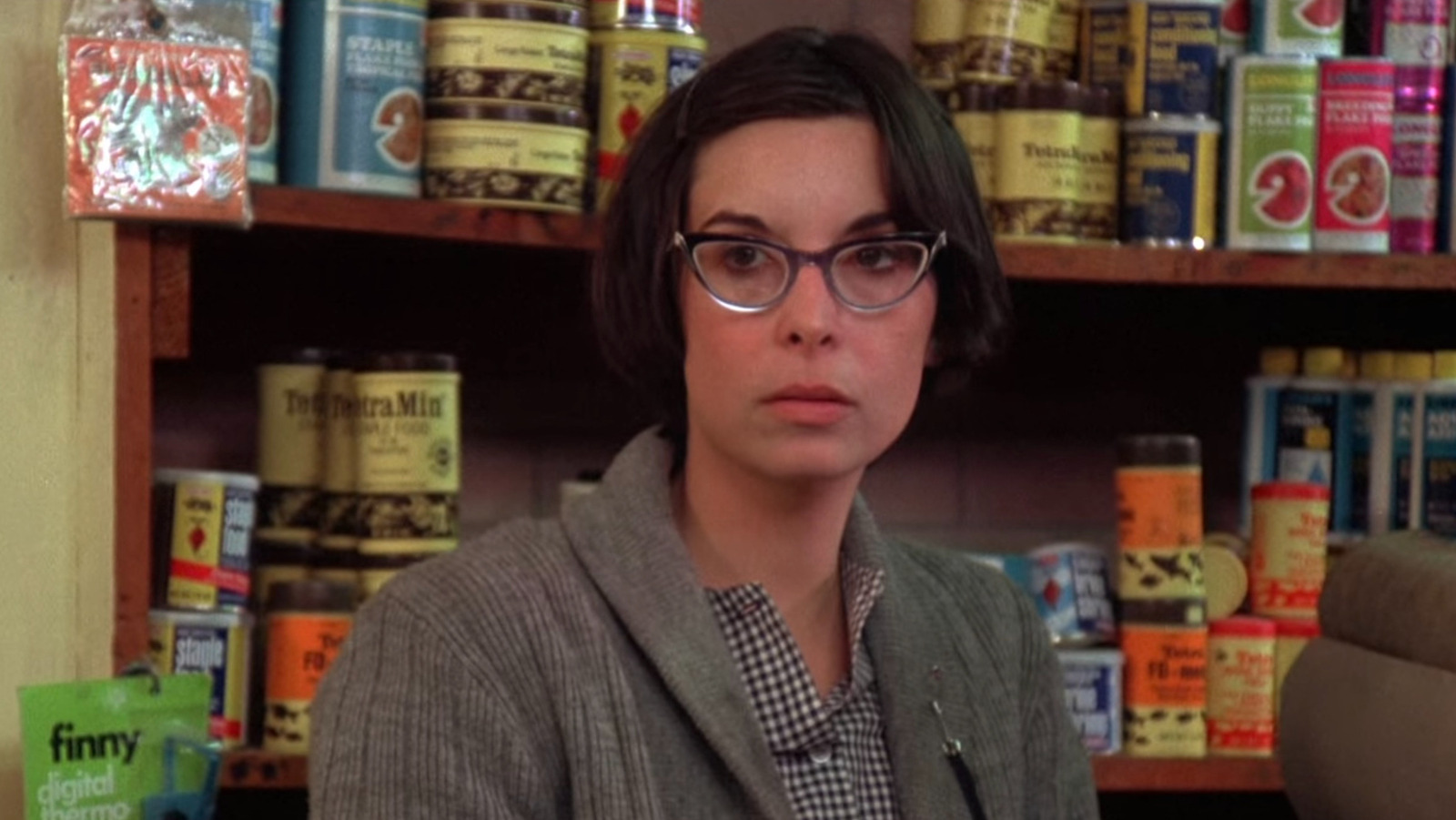
Adrian Balboa was killed off in the sixth installment of the franchise, Rocky Balboa (2006), because Sylvester Stallone believed her absence was narratively essential to recapture the character's underdog spirit. By removing Rocky’s emotional "safety net," Stallone forced the aging boxer into a state of profound grief and isolation, providing the necessary motivation for him to step back into the ring one last time.
The decision to write out Talia Shire’s character remains one of the most debated creative choices in sports cinema history. While fans were shocked to learn that Adrian had passed away from "the woman cancer" (ovarian cancer) between the events of Rocky V and Rocky Balboa, the choice was not born of behind-the-scenes drama or contract disputes. Instead, it was a calculated attempt to return the franchise to its gritty, character-driven roots.
The Artistic Vision Behind Adrian’s Absence
When Sylvester Stallone began writing the script for the sixth film in the early 2000s, he faced a significant creative hurdle. The franchise had peaked commercially with Rocky IV but had stumbled critically with Rocky V. To restore the dignity of the character, Stallone felt he needed to strip Rocky of everything that made him comfortable. In the original 1976 film, Rocky was a lonely "bum" from the neighborhood; by the time of the sixth film, Stallone wanted to mirror that loneliness through the lens of old age and widowhood.
Stallone famously explained that if Adrian were still alive, Rocky would have remained "tamed." Her presence provided him with a sense of peace and domestic stability that contradicted the internal "beast" he needed to rediscover. By killing off Adrian, Stallone created a "hole in Rocky’s heart" that he could only attempt to fill with his "basement," a metaphor for his lingering desire to fight. This emotional void became the primary engine for the film’s plot, shifting the focus from a standard sports comeback to a meditation on mourning and resilience.
Talia Shire’s Reaction and the Casting Reality
Contrary to persistent rumors circulating in the mid-2000s, Talia Shire did not turn down the role, nor was she involved in a salary dispute. In multiple retrospective interviews, both Stallone and Shire have clarified that the decision was purely script-driven. Shire expressed that while it was difficult to hear her character would be deceased, she understood the dramatic necessity. She even noted that the film serves as a tribute to Adrian, as her memory permeates almost every scene in the 2006 film.
Shire’s involvement didn't end entirely; she appears in the film through archival footage and flashbacks. This allowed the character to remain a central figure without being physically present. Stallone felt that by making Rocky a widower, he could explore the theme of "standing alone" in a way that resonated with an older audience. The lack of Adrian forced Rocky to reconcile with his estranged son, Robert, creating a secondary emotional arc that would not have been as poignant if Adrian had been there to mediate their relationship.
The Narrative Function of Grief in "Rocky Balboa"
The opening act of Rocky Balboa is essentially a tour of Adrian’s life and legacy. We see Rocky visiting her grave, maintaining a chair for her at his restaurant (named "Adrian’s"), and retracing the steps of their first date at the now-defunct ice rink. This heavy focus on her memory ensures that the audience feels her loss as acutely as Rocky does.
From a screenwriting perspective, Adrian’s death serves several functions:
- Humanizing the Hero: It makes the legendary boxer vulnerable again. He is no longer a titan of industry or a champion; he is a man who misses his wife.
- Externalizing Internal Struggle: Rocky’s "beast inside" is fueled by the frustration of aging and the injustice of losing his partner. The boxing match becomes a physical manifestation of his battle against grief.
- Establishing a New Status Quo: It paved the way for Rocky to become a mentor figure in the later Creed films, where his loneliness is a recurring theme that connects him to Adonis Creed.
Adrian’s Cause of Death: The Medical Context
In the lore of the franchise, Adrian died in 2002 from ovarian cancer. While the film Rocky Balboa is set in 2006, the timeline establishes that Rocky has been living in this state of mourning for four years. The choice of cancer as a cause of death was intentional. It was a battle that Rocky, despite all his physical strength, could not fight for her. This reinforces the theme of powerlessness against time and nature—a central motif of the later films.
The diagnosis is mentioned briefly in the film, keeping the focus on the emotional aftermath rather than the clinical details. This brevity allowed the audience to fill in the blanks of those "lost years" between the films, imagining the struggle Rocky went through while caring for her. It also explained why Rocky shifted his career toward the restaurant business, seeking a way to honor her through something she loved—food and family.
Comparing Rocky’s Motivations Across the Franchise
To understand why Adrian’s death was such a pivotal turning point, it is helpful to look at what drove Rocky in each of the previous films.
| Film | Primary Motivation | Role of Adrian |
|---|---|---|
| Rocky (1976) | Self-respect / "Going the distance" | New love interest and emotional anchor. |
| Rocky II (1979) | Financial stability / Proving the first fight wasn't a fluke | The catalyst (her "Win!" command). |
| Rocky III (1982) | Maintaining the title / Fear of losing | The moral compass who helps him face his fear. |
| Rocky IV (1985) | Avenging Apollo Creed | The hesitant supporter who eventually joins him in Russia. |
| Rocky V (1990) | Guiding his son / Regaining dignity | The voice of reason against George Washington Duke. |
| Rocky Balboa (2006) | Expelling the "beast" / Processing grief | The deceased inspiration and the "hole" in his life. |
| Creed (2015) | Legacy / Fighting for a new "family" | A memory that reminds him life is worth fighting for. |
The Legacy of Adrian in the "Creed" Era
The decision to kill off Adrian had long-term implications that extended into the Creed trilogy. In these films, Rocky is portrayed as a man who has outlived most of his contemporaries. With Paulie also passing away before the events of Creed II, Rocky’s isolation becomes his defining characteristic.
This solitude makes his relationship with Adonis Creed far more meaningful. Without Adrian or Paulie, Adonis becomes the surrogate son and the reason for Rocky to keep engaging with the world. If Adrian were still alive, Rocky might have stayed retired and comfortable in Philadelphia. Her death was the "inciting incident" that eventually allowed the franchise to evolve from a story about one man into a multi-generational saga about legacy and the endurance of the human spirit.
Frequently Asked Questions
Did Talia Shire want to be in Rocky Balboa?
Yes, Talia Shire was open to returning to the franchise. However, she fully supported Sylvester Stallone’s decision once he explained that the story required Rocky to be a widower to achieve the necessary emotional weight. She has since spoken fondly of the film and its portrayal of Adrian’s lasting impact.
When exactly did Adrian die in the Rocky timeline?
According to the script and dialogue in Rocky Balboa, Adrian passed away in the autumn of 2002. This means she had been gone for approximately four years by the time the main events of the 2006 film take place, explaining why Rocky’s grief was still so raw but settled into a routine.
Why didn't they just have Adrian and Rocky be divorced?
Stallone felt that divorce would be out of character for the couple. Their "opposites attract" relationship was built on a foundation of absolute loyalty. Killing the character was the only way to separate them that maintained the integrity of their love story and provided a tragic, rather than bitter, motivation for Rocky.
Is Adrian mentioned in the Creed movies?
Yes, Adrian is mentioned frequently in the Creed series. Rocky is often seen visiting her grave (and Paulie’s) at the cemetery. Her presence is also felt in the way Rocky treats Bianca, Adonis’s partner, often offering wisdom gained from his years with Adrian.
Was Adrian's death based on a real-life event?
While not based on a specific event in Stallone's life, the themes of loss and the "dying of the light" were inspired by Stallone's own experiences with aging in Hollywood and the feeling of being "voted off the island" by a younger generation. He used Adrian's death as a metaphor for the things we lose as we get older.
How to Appreciate the Adrian-Rocky Arc Today
For viewers revisiting the franchise in 2026, the best way to understand the impact of Adrian’s death is to watch the original 1976 Rocky and the 2006 Rocky Balboa back-to-back. This comparison highlights the complete transformation of Rocky from a man finding his heart to a man trying to protect what is left of it.
To fully grasp the "Adrian effect," pay close attention to the "silent" moments in the later films—the way Rocky looks at her picture or the specific advice he gives to younger fighters about not taking their loved ones for granted. Her absence is a "character" in its own right, proving that sometimes the most powerful way to use a character is to show the void they leave behind.