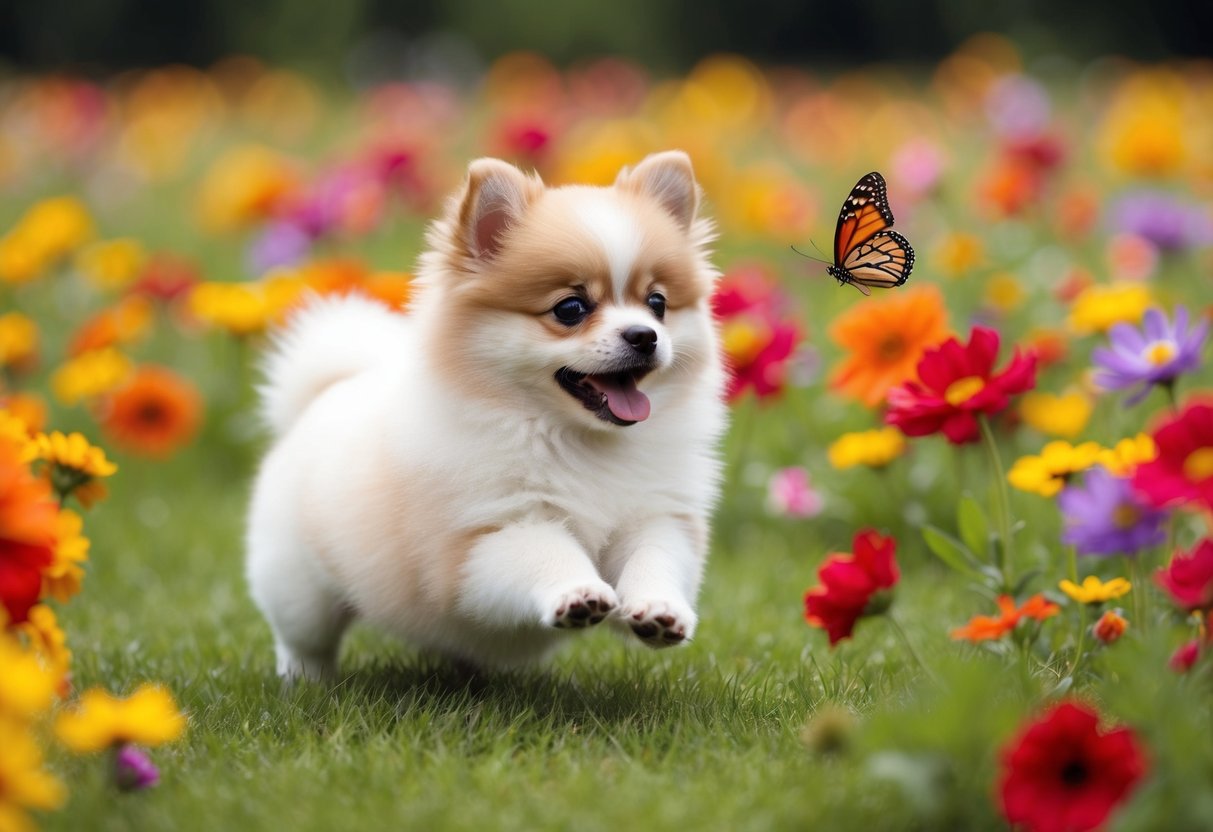
The "adorable piglet dog" is not a biological hybrid between a pig and a dog, but rather a descriptive term for specific dog breeds or individual rescue dogs with unique genetic traits. Most commonly, it refers to Piglet, the deaf blind pink puppy, a famous Dachshund-Chihuahua mix, or breeds like the French Bulldog and Bull Terrier that share physical characteristics with piglets.
The internet is frequently captivated by "hybrid" animals that appear to defy the laws of biology. In 2026, social media algorithms continue to propel images of the "piglet dog" into the mainstream, leading many to wonder if a new cross-breed has been developed. To understand this phenomenon, one must distinguish between the scientific impossibility of a pig-canine hybrid and the very real dogs that have earned this endearing nickname through their appearance, vocalizations, and viral fame.
The Biological Reality: Why a Pig-Dog Hybrid Does Not Exist
Before exploring the dogs that look like piglets, it is essential to address the scientific consensus regarding interspecies breeding. In biology, a hybrid is the offspring of two plants or animals of different species or varieties, such as a mule (horse and donkey). However, for hybridization to occur, the parent species must be closely related genetically.
Dogs (Canis lupus familiaris) belong to the order Carnivora, while pigs (Sus scrofa domesticus) belong to the order Artiodactyla (even-toed ungulates). These two lineages diverged millions of years ago. Crucially, dogs have 78 chromosomes, whereas domestic pigs have only 38. This chromosomal disparity makes it biologically impossible for the two species to produce offspring.
When you encounter content claiming to show a "pig-dog hybrid," you are likely seeing one of three things:
- A dog with a specific genetic mutation or "double dapple" coat pattern.
- A specific breed known for porcine features (like the French Bulldog).
- Digitally altered images or "AI-generated" content designed for engagement.
The Famous "Piglet": A Case Study in the Piglet Dog Phenomenon
The most prominent "piglet dog" is not a breed, but a specific individual named Piglet. Born in 2017 and continuing to be a major educational influence in 2026, Piglet is a pink, deaf, and blind puppy who became a global sensation.
Piglet is a "Chiweenie" (a Chihuahua and Dachshund mix). His unique pig-like appearance—specifically his bright pink skin and white fur—is the result of "double dapple" breeding. When two dapple-patterned dogs are bred together, there is a 25% chance that each puppy will be a "double dapple," a condition often associated with being "lethal white." This genetic combination frequently results in sensory deficits, including deafness and blindness, along with a lack of pigment that gives the skin a pinkish, pig-like hue.
Piglet’s journey from a rescue in Georgia to a symbol of resilience has spawned the "Piglet Mindset" educational program. This movement uses his story to teach children and adults about facing challenges with a positive attitude. While he may look like a piglet, his impact is purely canine—demonstrating the intelligence and adaptability of dogs with special needs.
Dog Breeds That Naturally Resemble Piglets
If you are looking for a dog that consistently displays pig-like characteristics, several established breeds fit the description. These dogs often share traits such as snub noses (brachycephaly), curly tails, stout bodies, and unique vocalizations that sound remarkably like oinking or snorting.
French Bulldogs (Frenchies)
French Bulldogs are perhaps the most frequently cited "piglet dogs." Their large, upright "bat ears," flat faces, and stocky frames give them a porcine silhouette. Furthermore, Frenchies are known for their wide range of "oinks," "snorts," and "grumbles" caused by their shortened airways. In certain coat colors, such as cream or light fawn, a Frenchie puppy can be almost indistinguishable from a piglet at first glance.
English Bull Terriers
Known for their "egg-shaped" heads and small, triangular eyes, Bull Terriers have a profile that many compare to a pig. Their muscular build and often pinkish skin around the snout and eyes contribute to this comparison. Unlike the Frenchie, the Bull Terrier's resemblance comes from its unique skeletal structure rather than its size.
Pugs
Pugs are often called "multum in parvo" (a lot of dog in a small space). Their tightly curled tails, wrinkled brows, and round bodies are classic piglet traits. Pugs also possess a "velvet" coat texture and a tendency to make snorting sounds when excited or after eating, further cementing their status in the "piglet dog" category.
Chinese Shar-Pei
While known primarily for their wrinkles, Shar-Pei puppies have a "hippopotamus" muzzle shape that, when combined with their tiny ears and heavy folds, can resemble a large piglet. As they age, their skin remains loose, maintaining that unique, stout appearance.
Comparing "Pig-Like" Dog Breeds
The following table compares the characteristics of common breeds associated with the "piglet dog" aesthetic to help potential owners understand their needs and traits.
| Breed | Pig-Like Trait | Vocalization Type | Maintenance Level | Common Health Focus |
|---|---|---|---|---|
| French Bulldog | Ears, Stout Body, Snout | Snorting, Oinking | Moderate | Brachycephalic Syndrome |
| Pug | Curly Tail, Wrinkles | Grunting, Wheezing | Moderate | Eye Health, Weight |
| Bull Terrier | Head Shape, Snout | Barking, Chattering | High | Deafness, Skin Allergies |
| Chiweenie (Dapple) | Pink Skin, Small Size | High-pitched Yapping | High (if special needs) | Vision/Hearing Loss |
| Shar-Pei | Muzzle Shape, Folds | Snuffling | High | Skin Fold Infections |
Care and Health Considerations for "Pink" and Brachycephalic Dogs
Owning a dog that looks like a piglet often comes with specific veterinary and grooming responsibilities. Many of these "pig-like" traits are linked to brachycephaly or pigment deficiencies, which require proactive management.
Skin Care and Sun Protection
Dogs with pink skin or white coats, like the double-dapple Chiweenie or white Bull Terriers, lack the melanin necessary to protect them from ultraviolet (UV) radiation. In 2026, specialized canine sunscreens are widely available and are a requirement for these dogs during outdoor activities. Without protection, these dogs are highly susceptible to sunburn and squamous cell carcinoma (skin cancer).
Managing Brachycephalic Airway Syndrome (BAS)
The "oinks" and "grunts" that make these dogs adorable are often symptoms of narrowed nostrils (stenotic nares) or an elongated soft palate. Owners must be vigilant during hot weather or periods of high exertion, as these dogs cannot cool themselves as efficiently as long-nosed breeds. Keeping a "piglet dog" at a healthy weight is the single most effective way to reduce respiratory distress.
Hygiene of Skin Folds
For breeds like the Pug or Shar-Pei, the "wrinkled" piglet look requires daily maintenance. Bacteria and yeast can easily grow in the moist environment between skin folds, leading to dermatitis or "intertrigo." Regular cleaning with veterinary-approved wipes is essential to prevent infections and odors.
The Ethics of the "Piglet Dog" Aesthetic
As the demand for "unique" and "hybrid" pets grows, ethical considerations regarding breeding practices have become more prominent. The "piglet" look in dogs like the famous Piglet is often the result of "double dapple" or "double merle" breeding, which is widely discouraged by kennel clubs and ethical breeders due to the high risk of sensory impairments.
Prospective owners should be wary of breeders who market "piglet dogs" as a rare or premium hybrid. In most cases, these are either standard breeds with specific coat colors or dogs produced with little regard for genetic health. Choosing a rescue or a breeder who prioritizes health testing over "cute" genetic anomalies ensures that the dog's quality of life is not sacrificed for its appearance.
Frequently Asked Questions
Can a dog and a pig actually have puppies?
No. Dogs and pigs are from entirely different biological orders and have different numbers of chromosomes (78 in dogs vs. 38 in pigs). They cannot interbreed, and there is no such thing as a scientific pig-dog hybrid.
What breed is the "Piglet" dog from social media?
Piglet, the famous deaf and blind pink dog, is a Dachshund-Chihuahua mix (Chiweenie). His pink appearance is due to a genetic condition called "double dapple," which occurs when two dapple-patterned parents are bred together.
Why does my French Bulldog sound like a pig?
French Bulldogs are a brachycephalic (flat-faced) breed. Their unique head shape often results in narrowed airways and an elongated soft palate, which causes them to make snorting, grunting, and oinking sounds, especially when they are excited or breathing heavily.
Are pink dogs more prone to health issues?
Yes, generally. Dogs with pink skin and white fur often lack protective pigment, making them more susceptible to skin cancer and sunburn. In cases of "double merle" or "double dapple" breeding, pink skin is also frequently linked to congenital deafness and blindness.
How do I care for a dog with pig-like skin folds?
Dogs with wrinkles or folds, such as Pugs or Shar-Peis, require daily cleaning. Use a damp cloth or specialized pet wipes to gently clean between the folds to remove moisture, debris, and bacteria, then dry the area thoroughly to prevent infection.
Next Steps for Prospective Owners
If you have fallen in love with the "piglet dog" aesthetic, your best course of action is to research breeds that naturally possess these traits, such as the French Bulldog or Pug, while being mindful of their specific health needs. Always prioritize adoption from rescues that specialize in these breeds, as many "unique-looking" dogs are surrendered due to the medical costs associated with their physical traits.
Before bringing a "piglet dog" home, consult with a veterinarian to understand the potential costs of managing brachycephalic issues or skin sensitivities. By focusing on health and ethical sourcing rather than viral "hybrid" labels, you can ensure that your adorable companion lives a long, comfortable, and happy life.