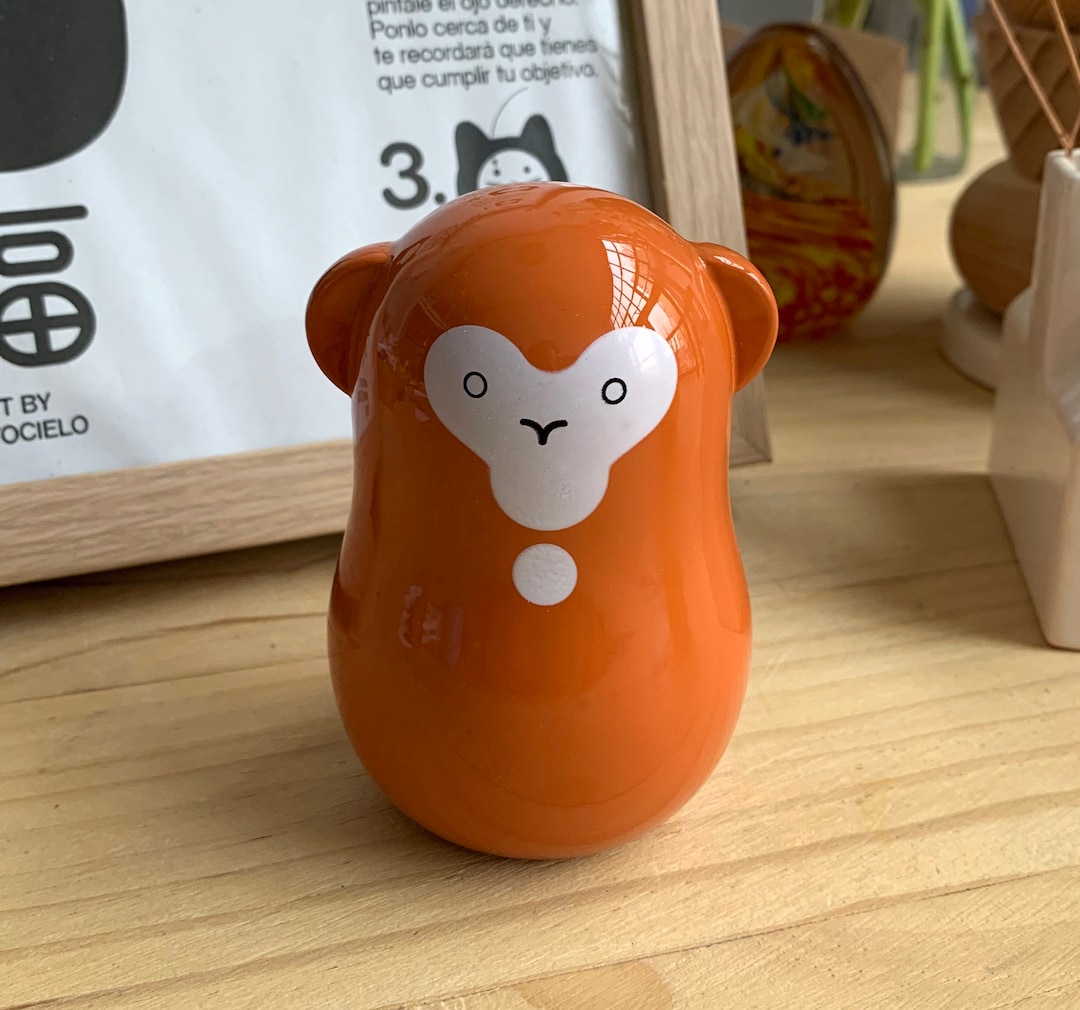
The adorable Japanese monkey toy Daruma doll, frequently referred to as a Sarudaruma, is a hybrid cultural icon that blends the traditional symbolism of the Daruma doll with the playful imagery of the Japanese zodiac monkey (Saru). These items serve as both motivational tools for goal setting and "Kawaii" (cute) collectibles, representing persistence, protection against bad luck, and the achievement of personal milestones.
Understanding the Symbolism: Why the Monkey and Daruma Meet
To appreciate the value of a monkey-themed Daruma toy, one must understand the two distinct lineages it draws from. The traditional Daruma doll is modeled after Bodhidharma, the founder of Zen Buddhism. Historically, these dolls are weighted at the bottom so they return to an upright position when knocked over, embodying the Japanese proverb Nanakorobi Yaoki ("Fall seven times, stand up eight").
The introduction of the monkey into this design creates a "Sarudaruma." In Japanese linguistics, the word for monkey (Saru) is a homonym for the word "to leave" or "to go away" (Saru). Consequently, monkey toys in Japan are often treated as powerful talismans designed to make "bad things go away." When combined with the Daruma’s focus on perseverance, the monkey Daruma becomes a specialized charm for overcoming obstacles and ensuring that misfortune departs from the owner’s life.
As of 2026, these hybrid toys have transitioned from strictly religious or seasonal items (associated with the Year of the Monkey) into year-round lifestyle accessories. They are popular gifts for students facing exams, entrepreneurs launching new ventures, and collectors who appreciate the fusion of ancient folklore with modern, rounded aesthetics.
Diverse Categories of Monkey Daruma Toys
While all monkey Daruma share a rounded, limb-less or short-limbed silhouette, they vary significantly in material and purpose. Choosing the right one depends on whether you seek a traditional ritual object or a modern decorative plush.
Traditional Papier-Mâché (Hariko)
The most authentic form of the monkey Daruma is the Hariko, made from layers of washi paper molded over a frame. These are primarily produced in the Gunma Prefecture (Takasaki City), the heart of Daruma production in Japan. Traditional versions are often hand-painted with vibrant red pigments, featuring white monkey faces with expressive, circular eyes. Because they are handmade, each toy possesses a slightly different "expression," making them unique artisanal pieces.
Modern Plush and Soft Toys
The "adorable" factor is most prominent in the plush toy market. Brands like Sanrio, Amuse, and various independent creators produce soft, stuffed versions of the monkey Daruma. These are designed with soft-touch fabrics like polyester "mocchi" (a marshmallow-like texture) or velvet. Unlike the rigid papier-mâché versions, these are intended for display on beds, desks, or as keychain attachments. They often incorporate "Kawaii" elements such as blushing cheeks, embroidered hearts, or tiny felt ears.
Ceramic and Kokeshi Variations
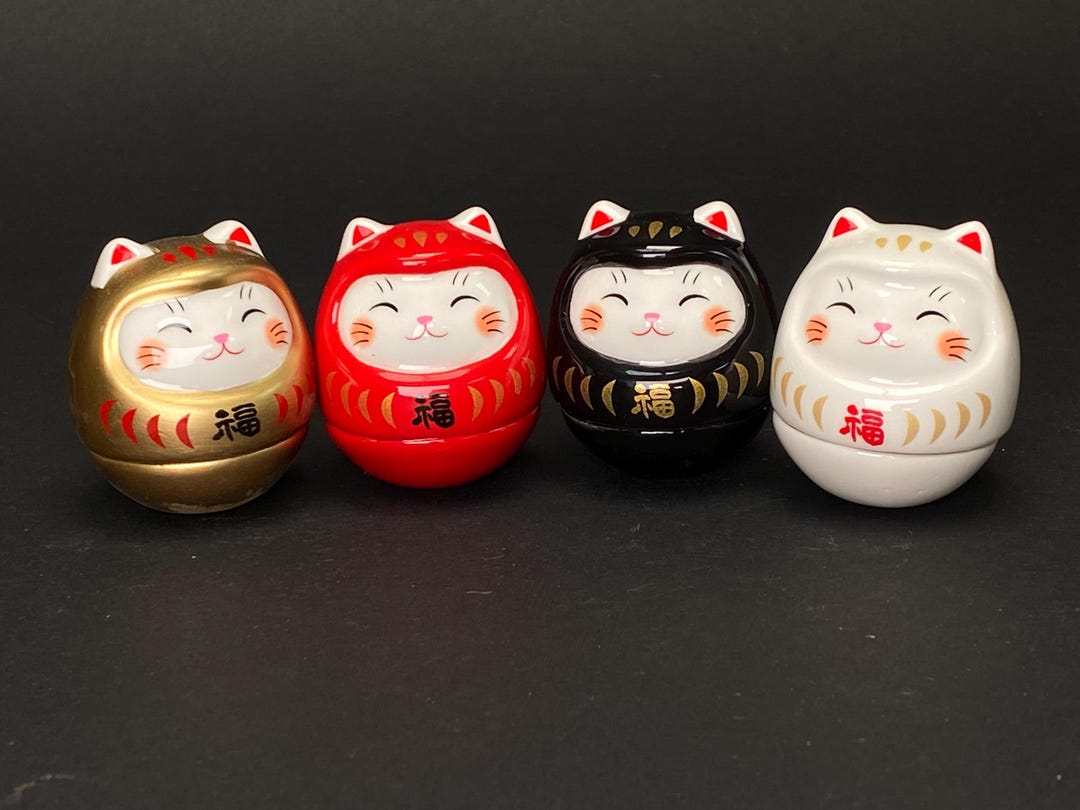
For those seeking a more permanent desk ornament, ceramic monkey Darumas offer a glossy, refined look. Similarly, the Kokeshi-style monkey Daruma is carved from wood (often Mizuki or cherry wood) and hand-painted. These versions are highly durable and are often favored by collectors of traditional Japanese woodwork. The weight of the wood provides the satisfying "tumbler" action that is central to the original Daruma concept.
How to Use a Monkey Daruma for Goal Setting
The primary function of a Daruma doll—even the cute monkey-themed ones—is to act as a physical manifestation of a goal. If your monkey toy has blank white eyes, it is intended for the "eye-painting" ritual, a practice that remains a cornerstone of Japanese goal-setting culture in 2026.
- Define Your Objective: Choose a specific, measurable goal. This could be anything from learning a new language to saving a specific amount of money.
- Paint the Left Eye: While focusing on your goal, use a black marker or brush to fill in the monkey’s left eye (the viewer's right). This signifies your commitment to the task.
- Display the Monkey: Place the toy in a prominent location where you will see it every day. The single unpainted eye serves as a constant, "adorable" reminder that the task is incomplete.
- The Completion Ritual: Once the goal is achieved, paint the second eye (the monkey’s right eye). This symbolizes the "opening" of the eyes to the completed reality and expresses gratitude for your own perseverance.
If you have purchased a plush monkey toy that already has both eyes embroidered or printed, the ritual is purely symbolic. In these cases, owners often write their goal on a small slip of paper and tuck it into the toy’s tag or a dedicated pocket if available.
Comparison of Monkey Daruma Styles and Features
| Feature | Traditional Hariko (Paper) | Modern Plush Toy | Wooden Kokeshi Style |
|---|---|---|---|
| Material | Washi paper & plaster | Polyester / Plush fabric | Solid wood (Mizuki) |
| Primary Use | Ritual / Traditional Gift | Home Decor / Comfort | Collectible / Display |
| Durability | Fragile (keep dry) | High (washable) | Very High |
| Customization | Blank eyes for painting | Pre-applied features | Often pre-painted |
| Aesthetic | Folk-art / Rustic | Kawaii / Modern | Minimalist / Refined |
| Average Price | ¥1,500 – ¥5,000 | ¥1,000 – ¥3,500 | ¥3,000 – ¥8,000 |
Color Meanings in Monkey Daruma Toys
While the traditional Daruma is red (symbolizing the robes of a monk and warding off evil), modern monkey toys come in a variety of colors, each carrying a specific intent. Understanding these colors is essential for selecting a gift that matches the recipient's needs.
- Red: The standard for general luck, safety at home, and protection against illness. This is the most versatile choice for a monkey Daruma.
- Gold/Yellow: Specifically targeted toward financial prosperity and success in business. A gold monkey Daruma is a common sight in Japanese shops and offices in 2026.
- White: Represents purity and academic success. It is the preferred choice for students or those starting a new chapter in life.
- Pink: Associated with "En-musubi" (the tying of knots), which refers to love, marriage, and strengthening relationships.
- Green: Targeted toward physical health and fitness goals. In the current health-conscious climate of 2026, green monkey toys have seen a surge in popularity among gym enthusiasts.
Where to Source and Verify Authenticity
When looking for a high-quality Japanese monkey toy, the source matters. Authentic items carry the weight of tradition and better craftsmanship.
Authentic Japanese Craft Shops
Look for retailers that source directly from Takasaki (Gunma Prefecture) or Kyoto. Items from these regions often come with a small certificate or a stamp on the bottom of the doll indicating the artisan's studio. In 2026, many of these traditional workshops have opened global storefronts online, allowing international collectors to purchase genuine Hariko or Kokeshi versions without a middleman.
Specialty Boutique Brands
For the "cute" plush versions, reputable brands like Sanrio, Amuse, and Ensky are the gold standard. When purchasing these, verify the presence of an official holographic sticker on the tag. Counterfeit plush toys are common; they often use inferior stuffing that loses its shape and dyes that may not be safety-tested. Authentic Japanese plushies are known for their "squish factor" and high-density stitching that prevents the seams from splitting.
Maintenance and Care for Your Monkey Toy
To ensure your monkey Daruma remains a long-lasting part of your collection, follow these material-specific care guidelines:
- Papier-Mâché: Never use water or damp cloths. Use a soft, dry brush (like a makeup brush) to remove dust from the crevices of the monkey's face. Keep it away from direct sunlight, as the pigments used in traditional dolls are susceptible to fading.
- Plush Toys: Most modern plush monkey Darumas can be spot-cleaned with a mild detergent. If a deep clean is necessary, place the toy in a mesh laundry bag and use a "delicate" cycle with cold water. Air drying is mandatory; high heat from a dryer can melt the synthetic fibers of the fur.
- Wood/Ceramic: These are the easiest to maintain. A simple microfiber cloth is sufficient. For wooden dolls, avoiding high humidity is key to preventing the wood from swelling or the paint from cracking over time.
FAQ
What is the difference between a regular Daruma and a Monkey Daruma?
A regular Daruma is modeled after a monk and typically features a bearded, stern face. A Monkey Daruma (Sarudaruma) incorporates monkey features such as rounded ears, a tail (sometimes painted on the back), and a more playful, simian facial structure. While the core purpose of goal setting is the same, the monkey version adds the layer of "warding off bad luck" due to the linguistic play on the word Saru.
Can I have more than one monkey Daruma at a time?
Yes. It is common to have multiple dolls if you have multiple distinct goals. However, traditional etiquette suggests not overcrowding them. Each doll represents a specific focus, and having too many may dilute your dedication to any single objective. Many collectors display their "completed" dolls (both eyes painted) on a separate shelf as a testament to past achievements.
Is it disrespectful to buy a monkey Daruma just for its cuteness?
Not at all. While the Daruma has religious roots, it has evolved into a secular symbol of Japanese culture and "Kawaii" aesthetics. Using it as a decorative toy is perfectly acceptable. However, being aware of its history and the "eye-painting" tradition adds a layer of depth to your ownership of the item.
What should I do with a Daruma once the goal is finished?
In Japan, there is a tradition called Daruma Kuyo. At the end of the year, people take their completed Darumas to a temple to be ceremonially burned. This is a way of releasing the spirit and showing gratitude. If you are outside Japan, you can keep the monkey toy as a memento, or perform a small personal "thank you" ritual before retiring the doll to a display case.
Why do some monkey Darumas have no limbs?
The limb-less design is a direct reference to the legend of Bodhidharma, who is said to have meditated for nine years until his arms and legs atrophied and fell off. This extreme level of dedication is what the Daruma doll—and by extension, the monkey toy version—symbolizes: a focus so intense that nothing else matters.
Selecting Your Next Monkey Daruma
When choosing your adorable Japanese monkey toy in 2026, prioritize the material that aligns with your lifestyle. If you are an active goal-setter who values traditional rituals, a papier-mâché Hariko from a Takasaki artisan is the superior choice. Its delicate nature reflects the fragile yet important status of a new resolution.
If you are a collector of "Kawaii" culture or want a companion for your workspace, look for a high-quality Mocchi-textured plush. These provide the tactile comfort that modern collectors crave while maintaining the iconic round shape that defines the Daruma. Regardless of the form factor, the monkey Daruma remains one of the most charming ways to invite persistence and good fortune into your daily life.