Adoption status refers to the specific stage of a legal adoption process, indicating where a prospective parent or child stands within the administrative and judicial timeline. Whether navigating domestic private, foster care, or international systems, monitoring this status involves tracking home study approvals, matching notifications, placement periods, and final court decrees.
The journey toward adoption is a multi-phased legal and emotional commitment. In 2026, the process is increasingly digitized, yet it remains governed by a complex web of state, federal, and international laws. Understanding your adoption status requires a granular knowledge of the milestones that move a case from "prospective" to "finalized."
The Core Stages of Adoption Status
Tracking your progress requires identifying which major phase your file currently occupies. Most adoption journeys are divided into several high-level categories, each containing specific sub-statuses that must be resolved before moving forward.
1. Pre-Approval and Home Study Status
Before you can be considered for a specific child, you must achieve "Approved" status through a home study. This is a comprehensive review of your background, finances, health, and living environment.
- In-Progress: You are currently undergoing interviews, home inspections, and background checks.
- Pending Documentation: The agency is waiting for external records, such as FBI fingerprint clearances or medical evaluations.
- Approved/Active: Your home study is complete and valid. In 2026, most jurisdictions require an annual update (or "addendum") to maintain this status.
2. The Waiting and Matching Phase
Once approved, your status shifts to "Active" or "Waiting." During this time, your profile is presented to expectant parents (in private adoption) or compared against the needs of children in the foster care system.
- Active/Searching: You are visible in the agency’s database and eligible for matching.
- In Review: Your profile has been selected for consideration for a specific child, and case workers are evaluating the fit.
- Matched: A preliminary agreement has been reached between the prospective adoptive parents and the placing entity (biological parents or the state).
3. Placement and Post-Placement Supervision
Placement occurs when the child begins living in your home. However, "Placement" status does not mean the adoption is over; it is a probationary period.
- Placed (Legal Risk): In many foster-to-adopt scenarios, the child is placed with you before the biological parents' rights are fully terminated.
- Supervisory Period: Most states require a 3-to-6-month period where a social worker visits the home to ensure the child and parents are bonding and the environment is stable.
4. Legal Finalization
This is the final administrative hurdle. Your status will reflect "Pending Finalization" until a judge signs the Adoption Decree.
- Petition Filed: Your attorney has submitted the formal request for adoption to the court.
- Decree Issued: The court has legally recognized you as the child’s parent. The adoption status is now "Finalized."
How to Track Your Adoption Status in 2026
Modern adoption agencies and state departments have transitioned to secure, cloud-based portals that provide real-time updates. However, the method of tracking depends heavily on the type of adoption.
Private Agency Portals
Most reputable private agencies now utilize proprietary software where families can log in to see a dashboard. This dashboard typically displays a checklist of required documents (e.g., birth certificates, tax returns) and the expiration dates of background checks. If your status hasn't moved in several weeks, these portals allow you to see exactly which document is causing the bottleneck.
State Foster Care Systems (CCWIS)
For those adopting through foster care, the Comprehensive Child Welfare Information System (CCWIS) is the standard in 2026. These federally funded state systems allow case workers to update a child's "legal liberty" status. Families working with the state can often access a version of this data through a family-facing portal to track their licensing status and "subsidy" applications.
International Adoption (USCIS Tracking)
International adoption adds a layer of federal tracking. Prospective parents must monitor their status through the U.S. Citizenship and Immigration Services (USCIS).
- Form I-800A/I-600A: Tracking the approval of your eligibility to adopt.
- Article 5/16 Report: Tracking the legal "clearing" of the child from their country of origin under the Hague Convention.
- Visa Status (IR-3, IR-4, IH-3, IH-4): Tracking the child’s immigration status as they prepare to enter the United States.
Key Adoption Status Indicators and Terms
Understanding the technical vocabulary used by social workers and attorneys is essential for interpreting status reports accurately.
| Status Term | Definition | Impact on Timeline |
|---|---|---|
| Legally Free | The biological parents' rights have been terminated (TPR), and no legal barriers exist for adoption. | Accelerates the path to finalization. |
| ICPC Pending | The Interstate Compact on the Placement of Children is being processed for an out-of-state adoption. | Can add 7–14 days to the placement timeline. |
| Home Study Addendum | A mandatory update to an existing home study due to a life change (new job, move, etc.). | Must be completed before any status can move to "Finalized." |
| Interlocutory Decree | A temporary court order that grants legal custody but is not the final permanent decree. | Common in states with long waiting periods. |
| Post-Placement Visit | A scheduled evaluation by a social worker after the child is in the home. | Required for the final status report to the court. |
Variations by Adoption Type
The meaning and urgency of an "adoption status" update change depending on the path you are taking.
Domestic Private Adoption
In this path, "Status" is often driven by the expectant mother’s plan. A "Matched" status is legally precarious until the revocation period (the time during which a biological parent can change their mind) has passed. In 2026, many states have shortened these periods, but they remain a critical status milestone.
Foster-to-Adopt
Status here is often "Concurrent Planning." This means the state is working toward reunifying the child with their biological family while simultaneously preparing you to adopt if reunification fails. Your status as "Adoptive Placement" only becomes "Final" once the court determines that reunification is no longer in the child’s best interest.
International Adoption
Status tracking is largely a matter of international diplomacy and federal processing. You are often tracking two statuses simultaneously: your "Suitability" status in the U.S. and the child's "Abandonment/Eligibility" status in their home country. Delays in either can stall the entire process for months.
Common Obstacles and Status Delays
It is rare for an adoption to proceed without at least one "Status: Pending" notification that lasts longer than expected. Understanding common triggers for these delays can help manage expectations.
- Background Check Lags: FBI and state-level criminal clearances are the most frequent cause of "Pending" status. These often expire after 12–18 months, requiring a refresh that can stall a finalization.
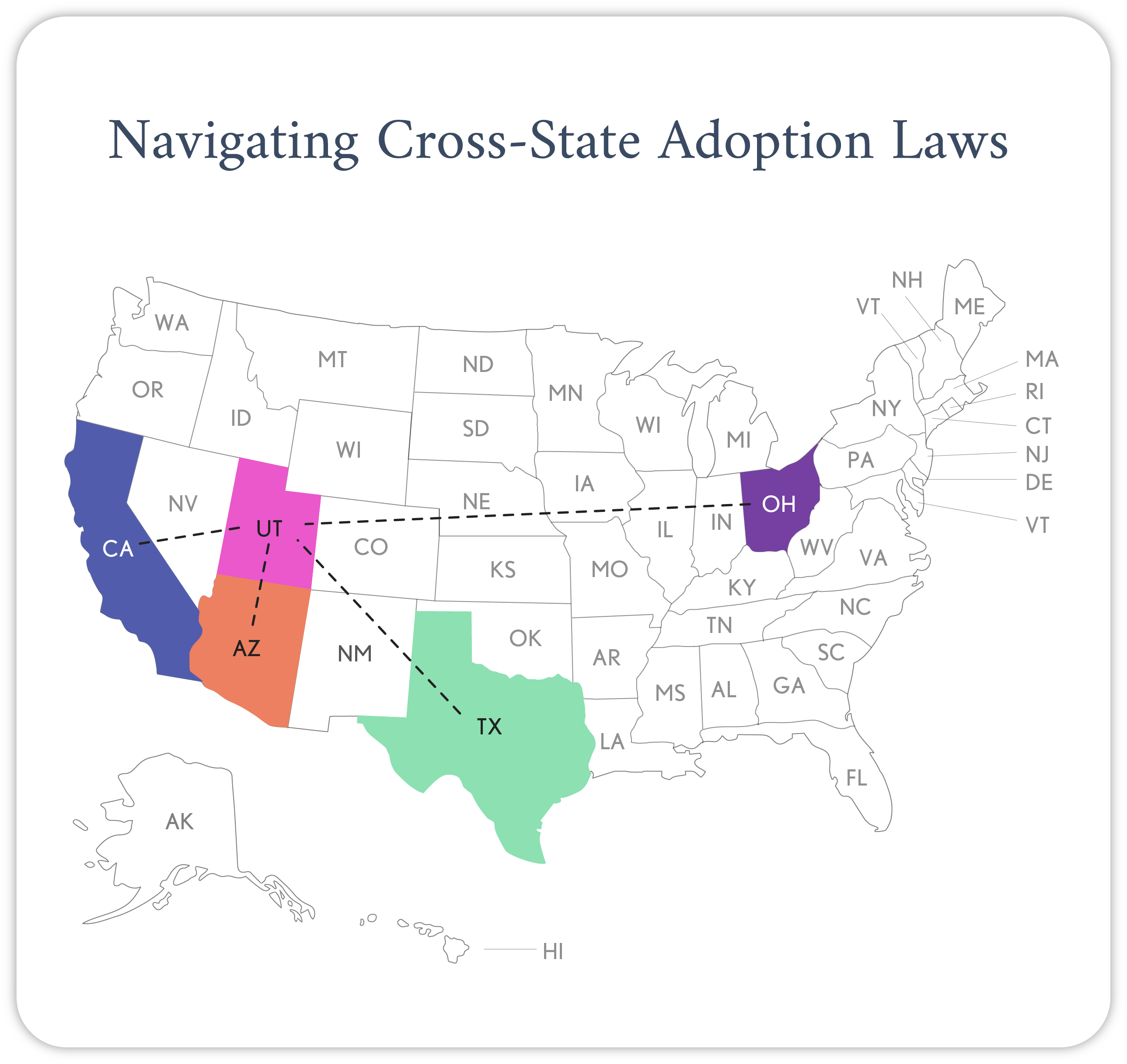
- ICPC Bottlenecks: If you live in New York and are adopting a child from Texas, both states must approve the transfer of the child. This "ICPC status" can feel like a black hole, as it involves two different sets of state bureaucrats.
- Judicial Backlogs: In many jurisdictions in 2026, family courts remain overburdened. Your status might be "Waiting for Court Date" for several months, even after all paperwork is perfectly filed.
- Medical/Psychological Clearance: If a household member develops a new health condition, the home study status must be updated to "Under Review" until a physician clears the individual.
Managing the "Post-Finalization" Status
Even after the decree is signed, there are lingering status tasks. In 2026, the focus shifts to obtaining a "New Birth Certificate" and updating the child's "Social Security Status."
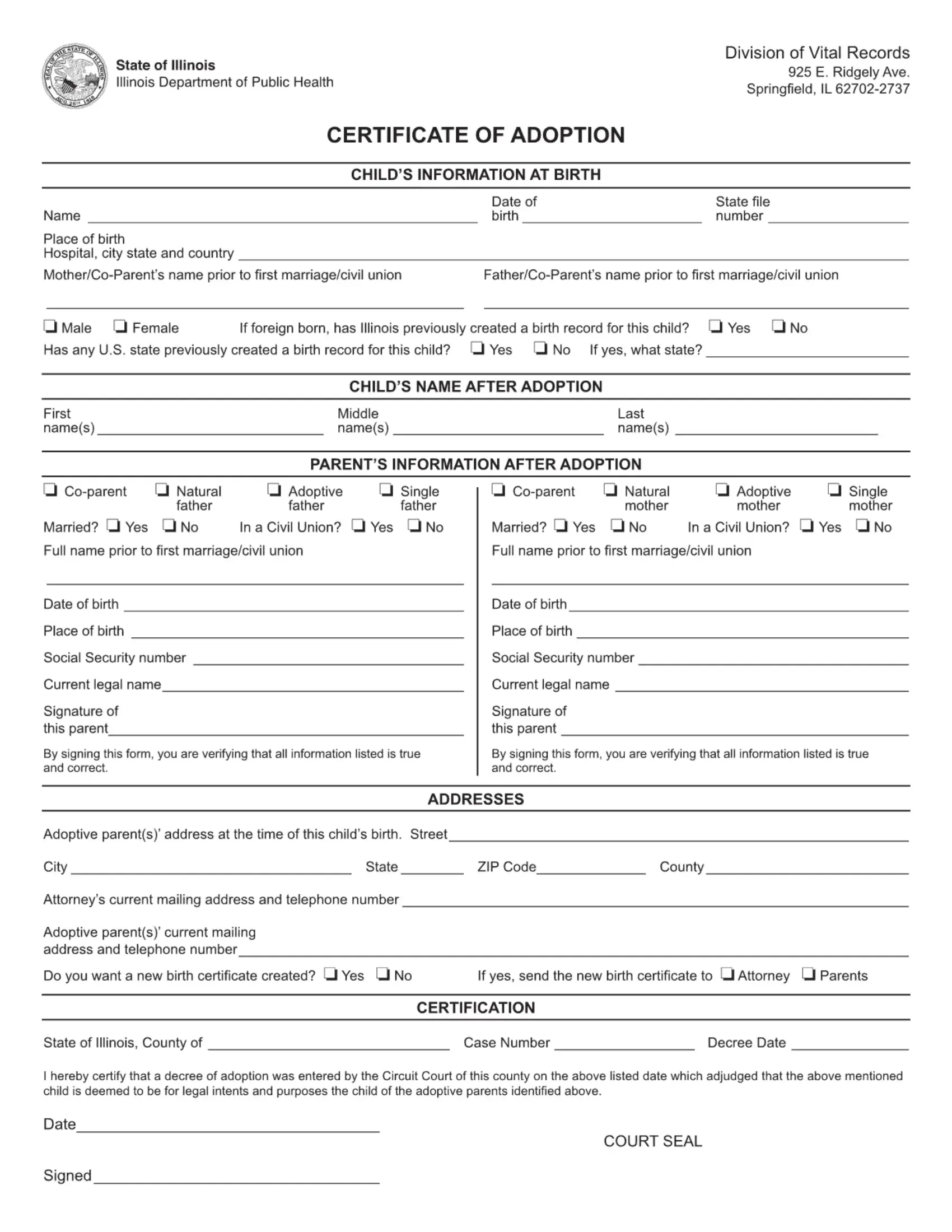
- Amended Birth Certificate: Once the adoption is finalized, the state of birth issues a new certificate listing the adoptive parents as the parents. This can take 2–6 months depending on the state Vital Records office.
- Readoption (International Only): If you adopted abroad, your status in some states may require a "Readoption" or "Recognition of Foreign Decree" to ensure the child has a U.S. birth certificate equivalent.
FAQ
How do I check my adoption status if I am an adult adoptee?
Adult adoptees looking for their original status or records typically need to petition the court where the adoption was finalized. In 2026, more states have moved toward "Open Records," but many still require a "Confidential Intermediary" to facilitate the search for original birth certificates or adoption decrees.
What does "Legally Free for Adoption" actually mean?
This status indicates that the Termination of Parental Rights (TPR) has occurred for both biological parents and that the appeal period has expired. A child cannot be "Finalized" in an adoption until this status is achieved.
Can my adoption status be revoked after placement?
While extremely rare, a "Placed" status can be disrupted before finalization if the adoptive parents are found to be in violation of the placement agreement or if a legal error in the TPR process is discovered. Once "Finalized," however, the adoption is permanent and has the same legal standing as a biological birth.
Why is my home study status marked as "Expired"?
Home studies are not permanent. Most are valid for 12 months. If you have not been matched or finalized within that year, you must undergo a "Home Study Update" to return to "Active" status. In 2026, this usually involves a shorter interview and updated financial/medical records.
How does the ICPC status affect my ability to travel?
If you are adopting across state lines, you cannot leave the child’s birth state until the "ICPC status" is cleared by both the sending and receiving state offices. Attempting to leave early can jeopardize the legal status of the entire adoption.
Recommended Next Actions
To maintain a smooth adoption status, proactive management of your file is necessary.
First, create a digital document vault. In 2026, being able to instantly upload a refreshed tax return or medical form can save weeks of "Pending" status. Second, maintain a monthly check-in with your agency or case worker. Simply asking, "What is our current status, and is there any document nearing expiration?" can prevent administrative lapses. Finally, if your status remains "Stuck" in a judicial or state bottleneck for more than 90 days, consult your adoption attorney about filing a motion for a status conference or inquiry to move the case forward.