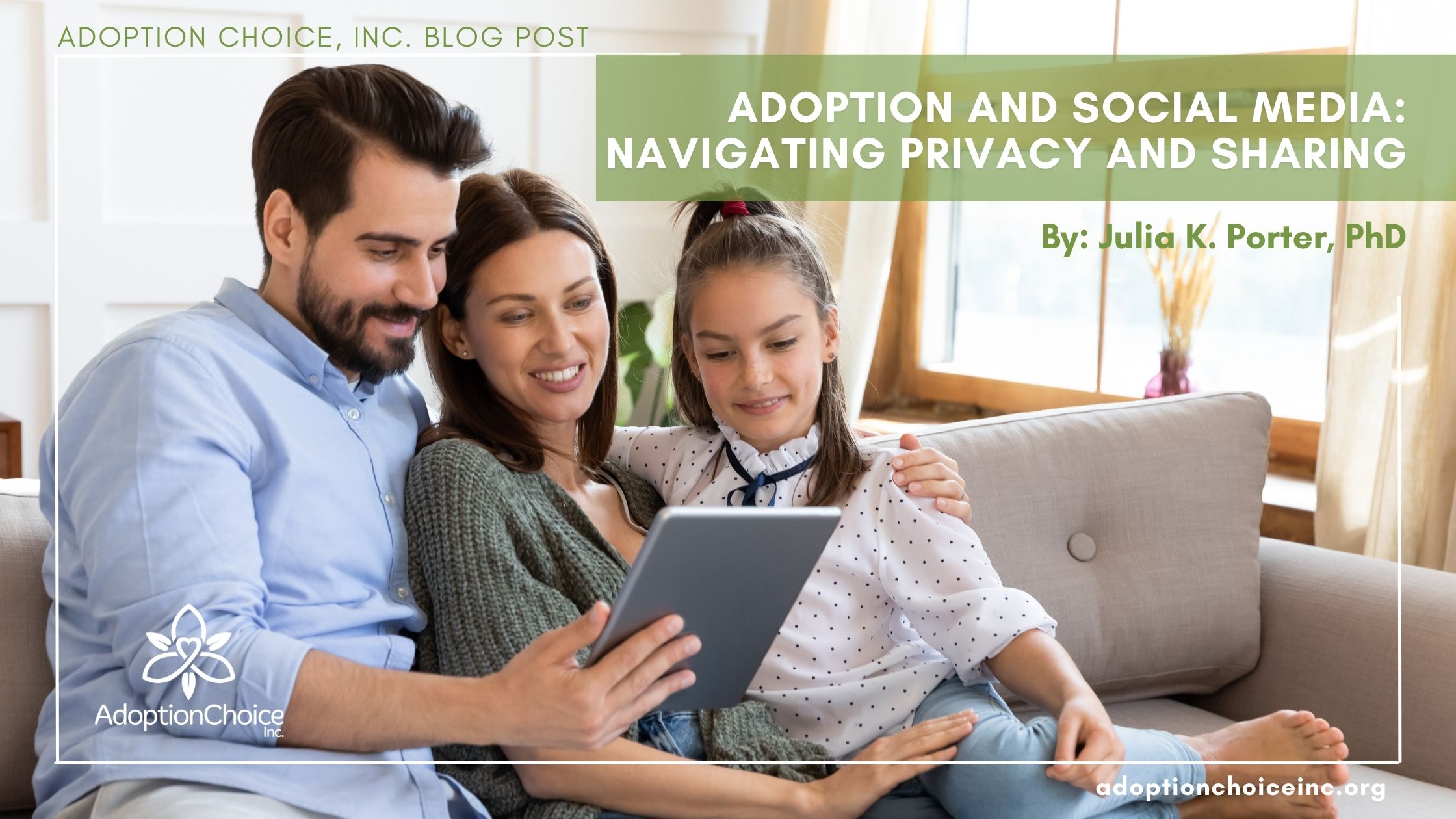
Adoption privacy and ethics revolve around the delicate balance between a birth parent's right to confidentiality, an adoptive parent's right to family autonomy, and an adoptee's fundamental right to their identity and medical history. In 2026, the shift toward open adoption and the ubiquity of DNA testing have largely replaced traditional "closed" models with a framework prioritizing transparency, lifelong support, and the ethical treatment of all parties in the adoption triad.
The Evolution of Privacy: From Secrecy to Transparency
Historically, adoption in the mid-20th century was shrouded in secrecy. "Closed" adoptions were the standard, designed to protect the birth mother from societal stigma and the adoptive family from interference. Records were legally sealed, often creating a permanent barrier between an individual and their biological heritage. However, the ethical landscape has shifted dramatically.
As we navigate 2026, the consensus among child welfare experts, psychologists, and legal professionals is that secrecy often leads to "genealogical bewilderment"—a term describing the confusion and identity loss experienced by adoptees denied knowledge of their origins. Ethical adoption practice now views privacy not as a wall to hide behind, but as a boundary to be managed.
Open adoption, where identifying information and contact are shared, is now the dominant model in the United States and many Western nations. The ethical justification for this shift is rooted in the "best interests of the child" standard. Research consistently shows that children who have access to their birth stories and biological relatives tend to have higher self-esteem and a more integrated sense of self.
The Right to Information: Original Birth Certificates and Medical Records
One of the most contentious ethical and legal battles in adoption involves the access to Original Birth Certificates (OBC). For decades, when an adoption was finalized, the original certificate was replaced with an amended one listing the adoptive parents as the parents of birth.
In 2026, the movement for "Adoptee Rights" has gained significant legislative ground. Many jurisdictions have passed laws restoring the right of adult adoptees to access their unredacted OBCs. The ethical argument here is straightforward: no other class of citizens is legally barred from their own vital records.
Beyond identity, the ethical necessity of accessing medical records is paramount. In an era of precision medicine and genetic screening, knowing one's predisposition to certain cancers, heart conditions, or hereditary disorders is a matter of life and death. Withholding this information under the guise of "privacy" for birth parents is increasingly seen as an ethical violation of the adoptee’s right to health.
Accessing Records: Legal and Ethical Frameworks
| Aspect | Closed Adoption (Historical) | Open Adoption (Modern) | Ethical Imperative |
|---|---|---|---|
| Birth Records | Permanently sealed by court order. | Often accessible at age 18. | Right to personal identity and truth. |
| Medical History | One-time disclosure at birth. | Ongoing exchange of health updates. | Right to informed healthcare. |
| Identifying Info | Anonymity guaranteed to birth parents. | Transparency from the outset. | Prevention of genealogical bewilderment. |
| Contact | Prohibited or through intermediaries. | Mutually agreed upon boundaries. | Preservation of biological connections. |
The Digital Disruption: DNA Testing and Social Media
The ethics of adoption privacy changed forever with the advent of consumer DNA testing (such as AncestryDNA and 23andMe) and social media. Even in cases where records remain legally sealed, anonymity is effectively a relic of the past.
The End of Anonymity
When a distant biological relative uploads their DNA to a public database, an adoptee can often triangulate their birth parents within hours. This has created an "ethical lag" where technology has outpaced the law. The ethics of "searching" now require a high degree of sensitivity. While an adoptee has a right to know their origins, birth parents who were promised lifelong anonymity in the 1970s or 80s may experience profound trauma when contacted unexpectedly.
Social Media Contact
Similarly, social media allows birth parents or adoptees to find one another without the mediation of an agency or social worker. The ethical risk here is the lack of "gatekeeping" or counseling. Reunions are complex emotional events; when they happen via a direct message on a social platform, the participants lack the professional support necessary to navigate potential rejection or boundary-crossing. Practitioners in 2026 emphasize the need for "reunion preparedness" for all parties.
Ethical Standards for Adoption Practitioners
Professional ethics in adoption are governed by several key principles: non-maleficence, autonomy, and justice. Agencies and attorneys must navigate the inherent power imbalance between prospective adoptive parents (who often have financial resources) and birth parents (who may be in a state of crisis or financial instability).
Avoiding Coercion
The most critical ethical boundary for practitioners is the prevention of coercion. A birth parent’s decision to relinquish their parental rights must be fully informed and voluntary. Ethical practice includes:
- Separate Legal Counsel: Ensuring birth parents have their own representation, not paid for in a way that creates a conflict of interest with the agency.
- Revocation Periods: Legally mandated windows where a birth parent can change their mind after signing relinquishment papers.
- Transparent Fee Structures: Avoiding "matching fees" or "sliding scales" based on a child's race or health status, which commodifies children.
The Problem of "Rehoming"
An ongoing ethical crisis involves the "rehoming" of adopted children—mostly in intercountry adoptions—where parents find new homes for children through unregulated internet forums. In 2026, legal protections have tightened, but the ethical failure remains a concern. It highlights the necessity of thorough pre-adoption training and robust post-placement services to ensure families can handle the challenges of reactive attachment disorder or complex trauma.
International Adoption and Global Ethics
Intercountry adoption presents a unique set of ethical challenges related to cultural heritage and human rights. The Hague Adoption Convention remains the gold standard for protecting children from trafficking and ensuring that adoption is only considered after domestic options have been exhausted.
Ethical international adoption must account for:
- Verification of Orphan Status: Ensuring children were not "bought" or coerced away from biological families due to poverty.
- Cultural Preservation: Adoptive parents have an ethical obligation to keep the child connected to their birth culture, language, and heritage.
- Illicit Practices: Historical cases of falsified birth records in countries like Ethiopia or South Korea have led to a 2026 landscape where international vetting is more rigorous than ever, prioritizing the child's right to their true history over the adoptive parents' desire for a child.
Best Interests of the Child: The Primary Ethical Pillar
In every adoption decision, the ethical "North Star" is the best interests of the child. This principle often conflicts with the desires of the adults involved. For example, a birth mother may wish for total privacy, and adoptive parents may wish for total control, but the child’s need for their history and biological truth often overrides these preferences in modern ethical theory.
Ethical parenting in adoption requires acknowledging that the child has two sets of parents. Denying the existence or importance of the birth family is increasingly seen as a form of "adoptive erasure." Professionals now encourage "narrative competence"—the ability of adoptive parents to talk honestly and age-appropriately about adoption from day one.
Frequently Asked Questions
Can an adoptee access their original birth certificate in all states in 2026?
No, access still varies by jurisdiction, although the number of "unrestricted" states has grown significantly. As of 2026, more than half of U.S. states have passed legislation allowing adult adoptees to request their original records, while others still require a court order or the consent of the birth parents via a mutual consent registry.
How has DNA testing changed the ethics of search and reunion?
DNA testing has effectively ended the possibility of guaranteed anonymity. This creates an ethical responsibility for adoptees to approach birth relatives with caution and for birth parents to be prepared for the possibility of being found. It has shifted the conversation from "if" a person will be found to "how" the contact should be managed respectfully.
What are the ethical concerns regarding "rehoming" an adopted child?
The primary concern is the lack of oversight and the potential for abuse. When a child is moved from one home to another without the involvement of a court or social services, their safety and legal rights are jeopardized. Ethical practice requires that if an adoption "disrupts" (fails), the child must be placed back into the state's care or through a licensed agency to ensure a safe, vetted new environment.
Is open adoption legally enforceable?
This depends on the state or country. In 2026, many U.S. states recognize Post-Adoption Contact Agreements (PACAs) as legally binding, provided they are in the best interest of the child. However, in many jurisdictions, these agreements are "good faith" only, meaning the adoptive parents have the final ethical and legal say in who has access to the child.
What constitutes coercion in the adoption process?
Coercion can be overt, such as threats, or subtle, such as providing significant financial support for living expenses that the birth parent feels they "owe" back if they don't proceed with the adoption. Ethical agencies provide counseling that explores all options, including parenting and kinship care, to ensure the decision is not based solely on temporary financial hardship.
Moving Forward: Recommendations for Ethical Engagement
For those entering the adoption process in 2026, ethical engagement requires a commitment to lifelong learning and radical honesty. Prospective adoptive parents should seek agencies that prioritize birth parent rights and provide extensive post-placement support.
Adoptees seeking their history should consider utilizing professional search "search angels" or counselors who specialize in adoption trauma to navigate the emotional complexities of reunion. Above all, the preservation of the child's identity, medical history, and cultural roots must be treated not as a courtesy, but as a fundamental human right. For more resources on ethical standards, individuals should consult the Child Welfare Information Gateway or the American Academy of Adoption and Assisted Reproduction Attorneys.