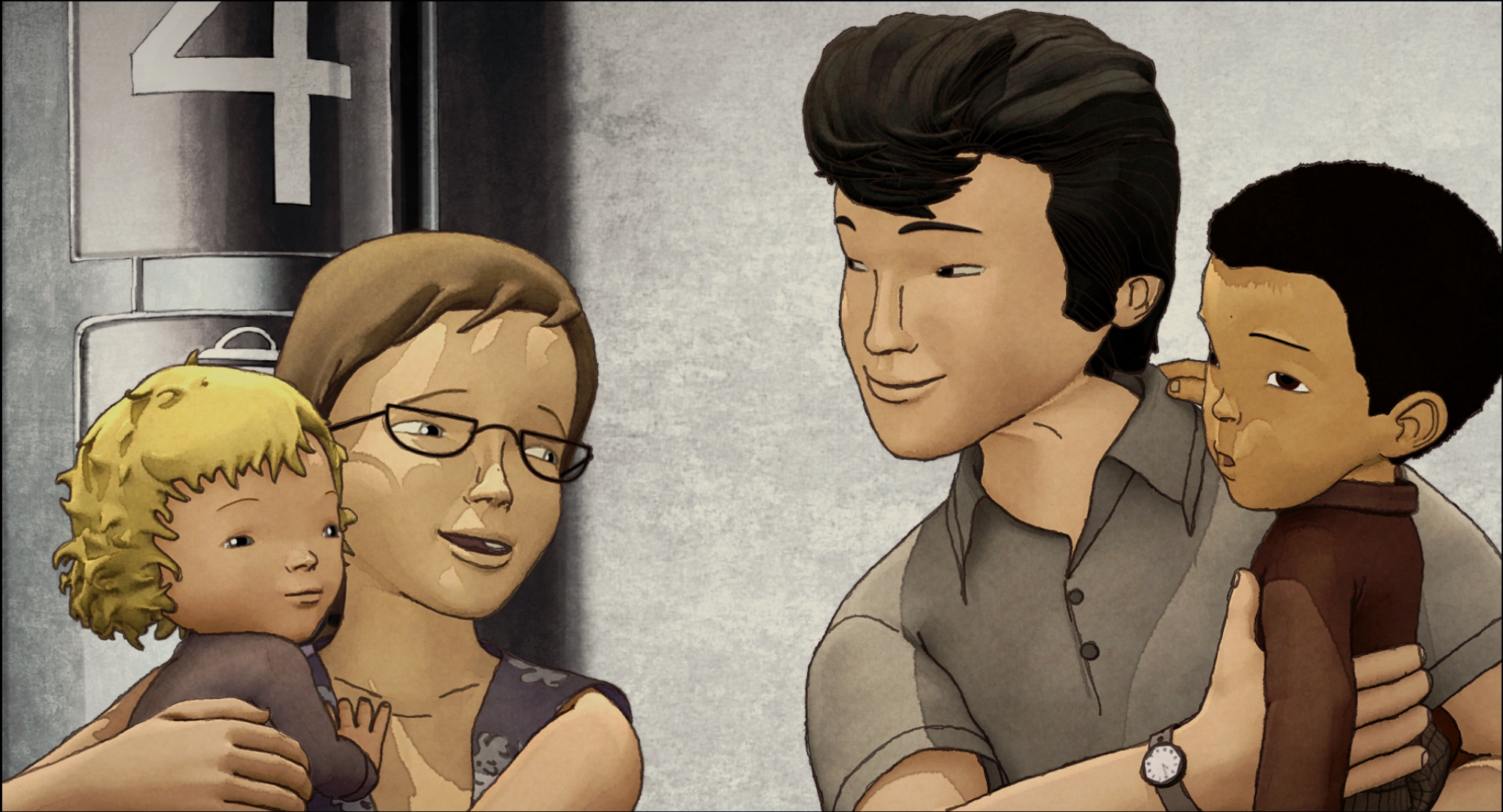
Adoption films are cinematic works that center on the complexities of the adoption triad—birth parents, adoptive parents, and adoptees. These narratives explore themes of identity, trauma, and the evolving definition of family, moving beyond simple tropes to provide a nuanced look at the emotional and legal realities of creating non-biological family bonds.
The landscape of adoption in cinema has transformed significantly over the last several decades. What once relied heavily on "orphan" archetypes—think Oliver Twist or the original Annie—has matured into a sophisticated genre that often prioritizes the adoptee’s perspective. In 2026, as audiences demand more authentic representations of diverse lived experiences, adoption films serve as both a mirror for those within the adoption community and a window for those outside it. These films range from lighthearted family comedies to harrowing documentaries and intense dramas, each offering a unique lens through which we view the intersection of biology, legality, and love.
The Cultural Significance of Adoption Films
Adoption films do more than just tell a story; they shape the public’s understanding of what it means to be "chosen" or "relinquished." For many people, these films are their primary exposure to the adoption process. This gives filmmakers a significant ethical responsibility. When a film successfully captures the nuance of the experience, it can validate the feelings of adoptees who may have felt invisible in mainstream media. Conversely, poorly executed films can perpetuate harmful stereotypes, such as the "grateful adoptee" or the "saintly adoptive parent."
The shift toward realism in the 2010s and 2020s has led to a richer tapestry of stories. Modern adoption films frequently grapple with the "primal wound"—a term coined by Nancy Verrier to describe the trauma of separation from the biological mother—while also celebrating the resilience and joy found in new family structures. By 2026, the focus has shifted further toward "own voices" narratives, where adoptees themselves are increasingly involved in the writing and directing processes, ensuring that the nuances of racial identity and cultural heritage are not sidelined.
Categorizing Adoption Narratives: From Documentary to Animation
To understand the breadth of adoption films, it is helpful to categorize them by their primary focus and stylistic approach. Each category serves a different purpose, whether it is to educate, to entertain, or to provoke social change.
Adoptee-Centric Dramas
These films place the internal world of the adoptee at the forefront. They often focus on the search for biological roots or the struggle with a dual identity. A quintessential example is Lion (2016), which follows Saroo Brierley’s journey to find his birth mother in India using Google Earth. Such films highlight the persistent pull of biological origins, even when the adoptive home is loving and stable. They emphasize that adoption is not an "end" to a story but a complex chapter in a lifelong journey of self-discovery.
Foster Care and Domestic Adoption Stories
Films like Instant Family (2018) bridge the gap between comedy and the harsh realities of the U.S. foster care system. These narratives often focus on the "waiting children"—older children or sibling groups who are frequently overlooked in the adoption process. They provide a relatively realistic look at the "honeymoon phase," the subsequent behavioral challenges rooted in trauma, and the slow process of building trust. By 2026, these films remain vital tools for prospective foster parents to understand that love is a prerequisite, but patience and trauma-informed care are the actual foundations of success.
International and Transracial Adoption
International adoption films often deal with the added layers of cultural loss and racial identity. Documentaries like Somewhere Between (2011) follow teenage girls adopted from China as they navigate life in the United States. These films are crucial for highlighting the complexities of "colorblind" parenting, showing that acknowledging a child’s racial and cultural heritage is essential for their psychological well-being. They often critique the systems that allow international adoption while questioning the socio-economic disparities that necessitate it.
Key Themes and Recurring Motifs
While every adoption story is unique, several recurring themes appear across the genre. Understanding these motifs helps viewers engage more deeply with the material.
- The Search for Origins: Whether literal (searching for a person) or metaphorical (searching for a sense of self), the "search" is the most dominant motif in adoption cinema. It represents the human need to understand one's history to navigate the future.
- The Concept of "Home": Adoption films often redefine "home" not as a place or a bloodline, but as a commitment. This is seen clearly in animated films like Lilo & Stitch (2002), where the concept of Ohana (family) means nobody gets left behind or forgotten, regardless of biological ties.
- Nature vs. Nurture: Many films explore how much of our personality and destiny is written in our DNA versus how much is shaped by our environment. Three Identical Strangers (2018), a documentary about triplets separated at birth for a psychological study, offers a chilling and profound look at this debate.
- The "Savior" Narrative vs. Reality: There is a growing critique of the "White Savior" trope in adoption films, where a wealthy or privileged parent "rescues" a child from a tragic background. Modern analysis of films like The Blind Side (2009) often points out how these narratives can flatten the child’s agency and ignore the systemic issues that led to the adoption in the first place.
Essential Adoption Films: A Comparison
The following table provides a breakdown of notable films that have shaped the discourse around adoption. Each entry highlights the primary focus and the demographic for which the film is most relevant.
| Film Title | Release Year | Sub-Genre | Primary Theme | Best For |
|---|---|---|---|---|
| Lion | 2016 | International Drama | Search for roots/Identity | Adoptees & Parents |
| Instant Family | 2018 | Comedy/Drama | Foster Care/Older children | Prospective Foster Parents |
| Philomena | 2013 | Historical Drama | Forced adoption/Grief | Adult viewers/History buffs |
| Antwone Fisher | 2002 | Biographical Drama | Trauma and Healing | Those interested in psychology |
| Lilo & Stitch | 2002 | Animation/Family | Unconventional kinship | Children and Families |
| Somewhere Between | 2011 | Documentary | Transracial identity | Educators and Parents |
| Closure | 2013 | Documentary | Search for birth family | Open adoption advocates |
The Role of Adoption Films in Pre-Adoption Education
For individuals or couples considering adoption, films can serve as a starting point for difficult conversations. However, they should be used with caution. Professionals in the field of child welfare often suggest using films as a "case study" to discuss potential challenges.
For example, watching Instant Family can lead to a discussion about the "Reconstruction Phase"—the period after the initial excitement wears off and the child begins to test boundaries to see if the parents will truly stay. Similarly, films like The Kids Are All Right (2010) can help families navigate the complexities of donor-conceived children or the introduction of biological relatives into an established family unit.
It is vital to supplement film viewing with literature from reputable organizations such as the Child Welfare Information Gateway or the North American Council on Adoptable Children (NACAC). These resources provide the factual framework that fictional or semi-fictional films often simplify for the sake of drama.
Navigating Triggers and Misrepresentations
While many adoption films are healing, others can be deeply triggering for members of the adoption triad. Adoptees, in particular, may find certain depictions of "rejection" or "gratitude" difficult to process. Filmmakers sometimes use adoption as a convenient plot device—a "secret" to be revealed for shock value—rather than a lived reality.
In 2026, the adoption community is more vocal than ever about these misrepresentations. Social media and film criticism platforms now frequently feature "trigger warnings" for adoption-related content. Common triggers include:
- Scenes of involuntary separation or removal from the home.
- Depictions of birth parents as purely "villainous" or "unfit" without systemic context.
- The trope of the "bad seed" adoptee (e.g., Orphan, 2009), which stigmatizes children who have experienced trauma.
When viewing these films, it is helpful to ask: Whose story is being told? Is the child a character with agency, or merely a prop for the adult’s emotional journey?
Identifying Authentic Narratives
Authentic narratives tend to acknowledge that two things can be true at once: an adoptee can love their adoptive family while also grieving the loss of their birth family. An adoptive parent can be deeply committed while also feeling overwhelmed by the challenges of trauma-informed parenting. Films that embrace this duality—such as the independent film Short Term 12 (2013), which focuses on a group home for troubled teenagers—are generally held in higher regard by the community for their emotional honesty.
Frequently Asked Questions
What is the best adoption film for young children?
Lilo & Stitch and Kung Fu Panda 2 are highly recommended. Lilo & Stitch emphasizes that family is defined by loyalty and love, while Kung Fu Panda 2 handles the "who am I?" and "where did I come from?" questions with surprising depth and sensitivity, making it an excellent conversation starter for young adoptees.
Are there documentaries that show the "real" side of adoption?
Yes. Closure (2013) is a powerful documentary that follows an African American woman, adopted by a white family, as she searches for her birth parents. Found (2021) is another excellent documentary that follows three American teenage girls, all adopted from China, who discover they are cousins via DNA testing and travel to China together.
How do adoption films impact birth parents?
Birth parents are often the most underrepresented or misrepresented part of the triad. Films like Philomena and the documentary Birthmark provide a much-needed look at the lifelong impact of relinquishment. These films can help viewers understand that the "choice" to place a child for adoption is often made under intense socio-economic or societal pressure.
Why are many adoption films focused on search and reunion?
Search and reunion provide a natural narrative arc for storytelling: a beginning (the mystery), a middle (the journey), and an end (the meeting). While this makes for compelling cinema, it’s important to remember that for many adoptees, the "search" is a psychological process that may not always end in a physical reunion.
Should prospective adoptive parents watch movies about foster care?
Yes, but they should do so critically. Movies like Instant Family are useful for seeing a stylized version of the challenges, but they should be balanced with training and real-life accounts from foster alumni to get a complete picture of the expectations versus reality.
Practical Recommendations for Viewers
If you are using adoption films as a tool for learning or personal reflection, the best approach is to watch them in a communal setting or with a support group. For adoptive parents, this means watching with an eye toward how your child might perceive the story. For adoptees, it may mean choosing films that center the adoptee’s voice to find community and validation.
In 2026, we have unprecedented access to global cinema. Look for international films that portray adoption from non-Western perspectives to broaden your understanding of kinship. Always check reviews from adoptee-led organizations to see how a film is received by those with lived experience. Ultimately, these films are most valuable when they serve as a catalyst for empathy, education, and open dialogue within families.