Adoption disclosure trends in 2026 emphasize a definitive shift toward total transparency, driven by landmark legislative reforms and the ubiquity of consumer genomic testing. The era of "closed" adoption has effectively ended, replaced by open records access, the prioritization of the adoptee’s right to identity, and digital search tools that bypass traditional legal barriers.
The Legislative Landscape of 2026: From Secrecy to Open Access
The most significant trend in adoption disclosure is the widespread repeal of laws that previously sealed original birth certificates (OBC). For decades, the standard practice in many jurisdictions—particularly in the United States, Canada, and parts of Western Europe—was to issue an "amended" birth certificate that listed the adoptive parents as the biological parents, while the original record was placed under court seal.
As of 2026, the legislative pendulum has swung decisively toward unrestricted access. In the United States, the majority of states have now joined the ranks of "unrestricted" jurisdictions, meaning adult adoptees can request their original birth certificates without a court order or the consent of the birth parents. This movement is rooted in the "Right to Identity" framework, which argues that a person’s biological history is a fundamental human right rather than a state-granted privilege.
For legal professionals and families, this shift necessitates a nuanced understanding of current statutes. While some states allow for "Contact Preference Forms," where birth parents can indicate their desire for contact (or lack thereof), these forms generally no longer prevent the release of the document itself. This trend represents a move away from "veto" systems toward "disclosure-first" policies.
The "DNA Effect": How Consumer Genomics Redefined Privacy
Perhaps no single factor has influenced adoption disclosure trends more than the rise of consumer DNA testing kits from companies like AncestryDNA and 23andMe. By 2026, the database sizes of these platforms have reached a critical mass where even if a birth parent has never taken a test, they can often be identified through the DNA of distant cousins or siblings.
This technological reality has effectively rendered the concept of a "closed adoption" obsolete. Adoptees who were previously met with "redacted" or "non-identifying" information from agencies are now bypassing these institutions entirely. The "DNA Effect" has forced adoption agencies and legal bodies to modernize their approach to disclosure.
- Search Angels and Digital Forensics: A specialized niche of genealogists, often called "Search Angels," uses DNA results paired with public records to reconstruct biological trees. This has turned disclosure from a legal process into a data-science endeavor.
- Unintentional Discovery: Many birth families are being "found" through DNA matches before the adoptee has even initiated a formal search. This trend highlights the need for psychological support services to manage the emotional impact of sudden, unsolicited reunions.
- The End of Anonymity Promises: Agencies can no longer ethically promise birth parents lifelong anonymity. Disclosure trends in 2026 emphasize educating birth parents that their identity will likely be discoverable by the child in the future, regardless of current legal paperwork.
Open Adoption as the Standard Disclosure Model
The evolution of disclosure is not limited to adult adoptees looking backward; it is also about how new adoptions are structured. In 2026, the "Open Adoption" model is the standard, accounting for the vast majority of domestic infant adoptions. This model treats disclosure as an ongoing, lived experience rather than a singular event.
In an open adoption, the flow of information is continuous. Disclosure includes sharing medical histories, cultural heritage, and the reasons for the adoption placement. This trend is supported by longitudinal research showing that adoptees with access to their biological history often experience fewer identity crises and a more robust sense of self.
However, the "openness" of 2026 is more sophisticated than in previous decades. It often includes:
- Mediated Digital Portals: Secure platforms used by agencies to facilitate the exchange of photos and letters while maintaining safety boundaries.
- Post-Adoption Contact Agreements (PACAs): Legally enforceable (in many jurisdictions) contracts that outline the frequency and type of disclosure and contact between the parties.
- Identity-Conscious Parenting: Adoptive parents are increasingly trained to act as the "gatekeepers of information" rather than "owners of the story," viewing disclosure as a duty to their child.
Navigating International Disclosure and the Hague Convention
International adoption disclosure remains one of the most complex areas of current practice. Trends here are heavily influenced by the Hague Convention on Protection of Children and Co-operation in Respect of Intercountry Adoption. The focus in 2026 is on "restorative disclosure," particularly in cases where records may have been falsified or improperly documented in the past.
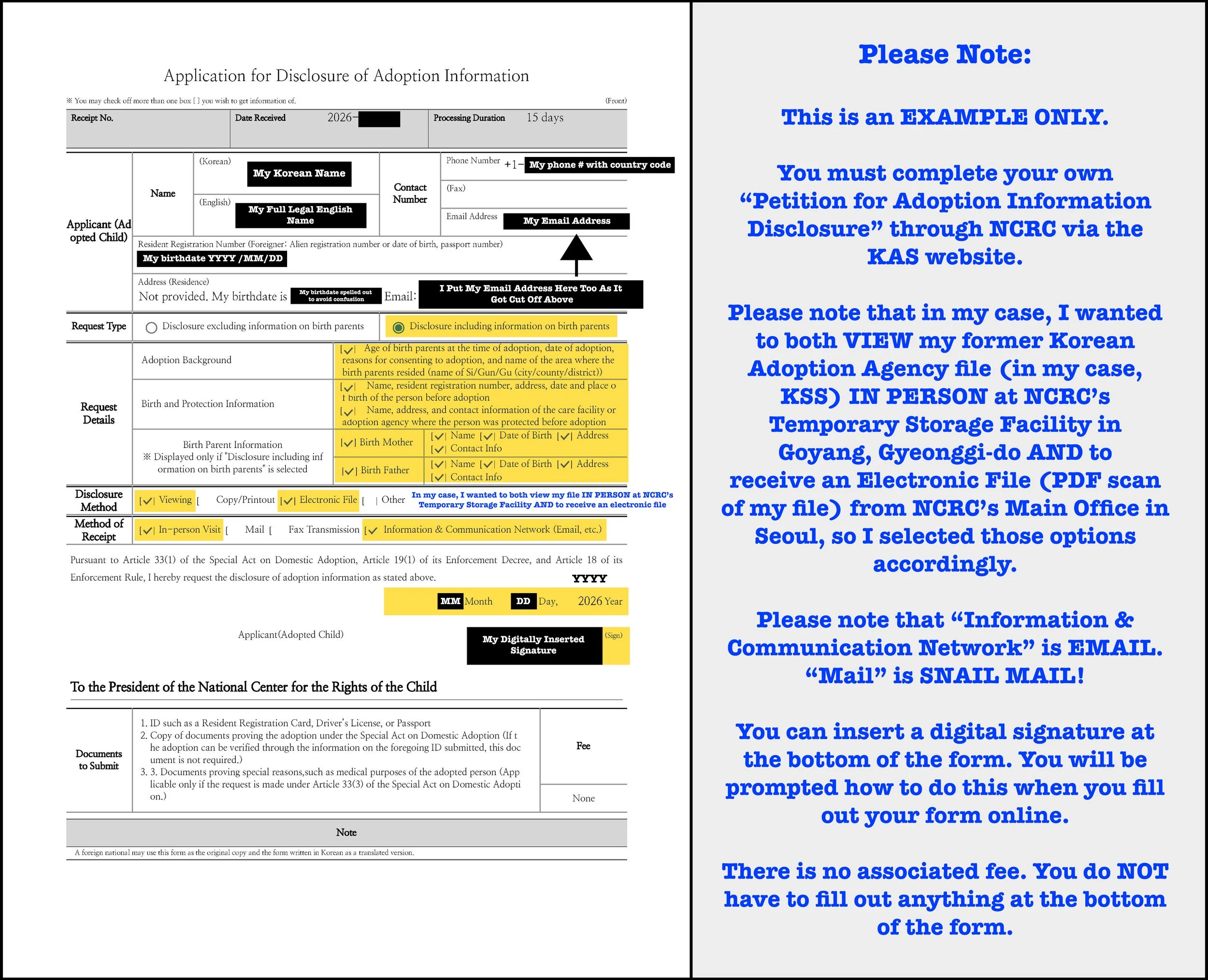
Many countries that were previously "sending" countries (such as South Korea, Ethiopia, and Colombia) have established national tracing services. These services aim to provide adult adoptees with accurate information about their origins. A significant trend in 2026 is the use of "Truth and Reconciliation" commissions to address historical irregularities in adoption pipelines, leading to the declassification of previously hidden records.
Furthermore, international disclosure now often involves "cultural disclosure." This includes providing the adoptee with access to their birth language, traditions, and a direct connection to their country of origin. Agencies are being held to higher standards of transparency regarding the "paper trail" of a child's journey from their birth family to the orphanage to the adoptive home.
Comparison of Adoption Disclosure Access by Category
The following table outlines the current landscape of disclosure access based on the type of adoption and the legal framework governing the records.
| Disclosure Type | Information Typically Shared | Access Method (2026 Standard) | Primary Challenges |
|---|---|---|---|
| Unrestricted OBC | Birth names, location, medical data | Direct request to Vital Statistics | Varying state/country laws |
| Open Adoption | Real-time updates, direct contact | Post-Adoption Contact Agreements | Maintaining healthy boundaries |
| Mediated Disclosure | Non-identifying social history | Agency or State Registry | Potential for outdated records |
| International Tracing | Original dossiers, birth family status | National Central Authorities | Lost or falsified documentation |
| DNA Search | Biological relatives, ethnic markers | Consumer genomic databases | Privacy ethics and "shattering" secrets |
Ethical Implications and the Right to Medical History
A major driver of adoption disclosure trends in 2026 is the advancement of precision medicine. Without access to their biological family’s medical history, adoptees are at a distinct disadvantage in modern healthcare. Genetic predispositions for cancers, heart disease, and mental health conditions are critical data points that "closed" records effectively withheld.
The ethical consensus has shifted: withholding medical information is now viewed as a health equity issue. Consequently, "Non-Identifying Information" reports—once the gold standard for disclosure—are being replaced by "Comprehensive Biological Profiles." These profiles include not just the social history of the birth parents, but updated genetic screenings where available.
Legal frameworks are adapting to allow "Medical Updates." If a birth parent is diagnosed with a hereditary condition years after the adoption, many modern registries now have protocols to pass that information to the adoptee anonymously, ensuring the "right to know" extends to life-saving health data.
Digital Search and Reunion: The Role of Social Media
Social media platforms have bypassed the "red tape" of government bureaucracies. Adoptees in 2026 use a combination of facial recognition search engines, specialized Facebook groups, and public record aggregators to locate biological relatives.
While these tools offer immediate results, they contribute to a trend of "unfiltered disclosure." Unlike agency-mediated reunions, social media reunions lack the buffer of a social worker to prepare both parties. This has led to an increased demand for "Search and Reunion Counselors"—professionals who help adoptees and birth parents navigate the intense emotional landscape of a first contact that happens via a direct message rather than a formal letter.
Common mistakes in this digital-first environment include:
- Contacting relatives too quickly: Before confirming the relationship via DNA or other records.
- Violating privacy boundaries: Publicly posting a search that "outs" a birth parent who may have kept the adoption a secret.
- Lack of emotional support: Entering a reunion without a plan for potential rejection or complicated family dynamics.
Frequently Asked Questions
What is the legal age to access adoption records in 2026?
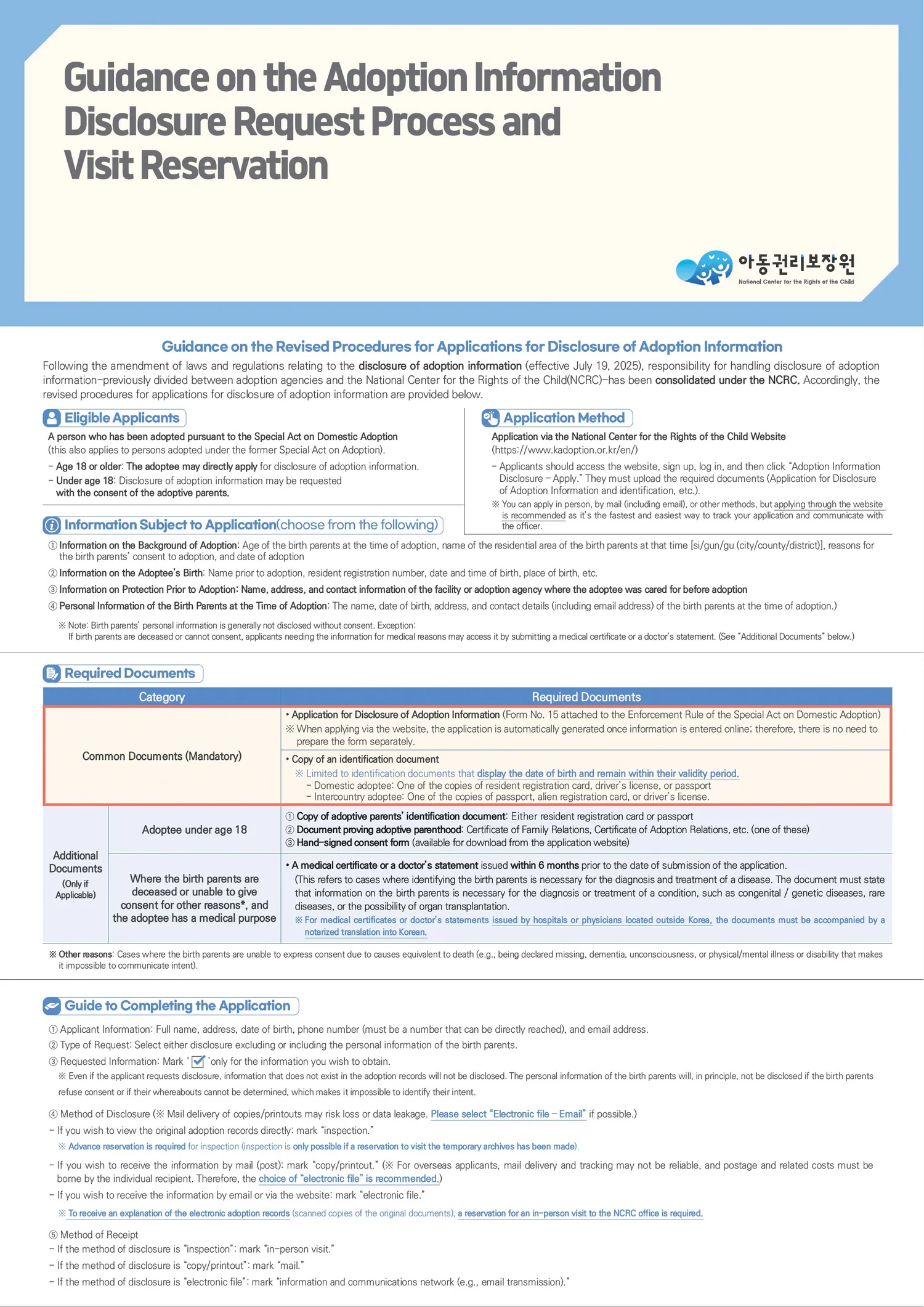
In most jurisdictions that have moved to unrestricted access, the legal age is 18. Some regions allow access as early as 16 with parental consent, particularly for medical reasons. However, the international standard remains the age of majority, ensuring the adoptee is capable of handling the legal and emotional complexities of the information.
Can a birth parent still choose to remain anonymous?
Legally, it is becoming increasingly difficult. While many states allow birth parents to file a "no-contact" preference, these filings rarely prevent the disclosure of the birth parent's identity to the adult adoptee. In the age of DNA testing, the "right to anonymity" has largely been superseded by the adoptee’s "right to know."
Why is disclosure important if the adoption was positive?
Disclosure is not an indictment of the adoptive family; it is a completion of the adoptee’s personal narrative. Even in the most loving adoptive homes, "genealogical bewilderment"—the lack of knowledge about one's origins—can affect mental health. Disclosure provides a sense of continuity and helps resolve identity questions that are natural to the human experience.
Are there costs associated with obtaining disclosure records?
Costs vary significantly. Requesting an Original Birth Certificate (OBC) from a state registry usually involves a nominal administrative fee (typically $25–$75). Private agencies may charge higher fees for "file searches" or mediation services. However, many non-profit organizations now offer "search grants" to help adoptees cover the costs of DNA kits and professional genealogical assistance.
How do I start the process of adoption disclosure?
The first step is usually determining the jurisdiction where the adoption was finalized. From there, you should contact the state's Department of Health or Vital Statistics to check for unrestricted record laws. Simultaneously, taking a DNA test and registering with a Mutual Consent Voluntary Registry can provide multiple pathways to information.
Strategic Steps for Navigating Modern Disclosure
For those beginning their journey into adoption disclosure in 2026, a systematic approach is essential to manage both the legal hurdles and the emotional weight of the process.
1. Secure Your Paperwork: Start by obtaining all non-identifying information from the agency or court that handled the adoption. This often contains clues—like the time of birth, the hospital, or the ages of the birth parents—that are vital for cross-referencing with other data.
2. Utilize Genomic Tools: Take a DNA test with the largest available database (AncestryDNA) and upload the raw data to secondary sites like GEDmatch. This creates a wider net for finding biological connections.
3. Seek Professional Support: Before initiating contact, consult with a therapist who specializes in adoption. The "reunion" phase of disclosure can be a lifelong process, not a one-time event, and having a support system in place is critical for long-term emotional health.
4. Respect the Process: Whether you are an adoptee, a birth parent, or an adoptive parent, recognize that disclosure is about truth-seeking. Approach the information with a balance of persistence and empathy, understanding that every person in the "adoption triad" has a unique perspective on the shared history.