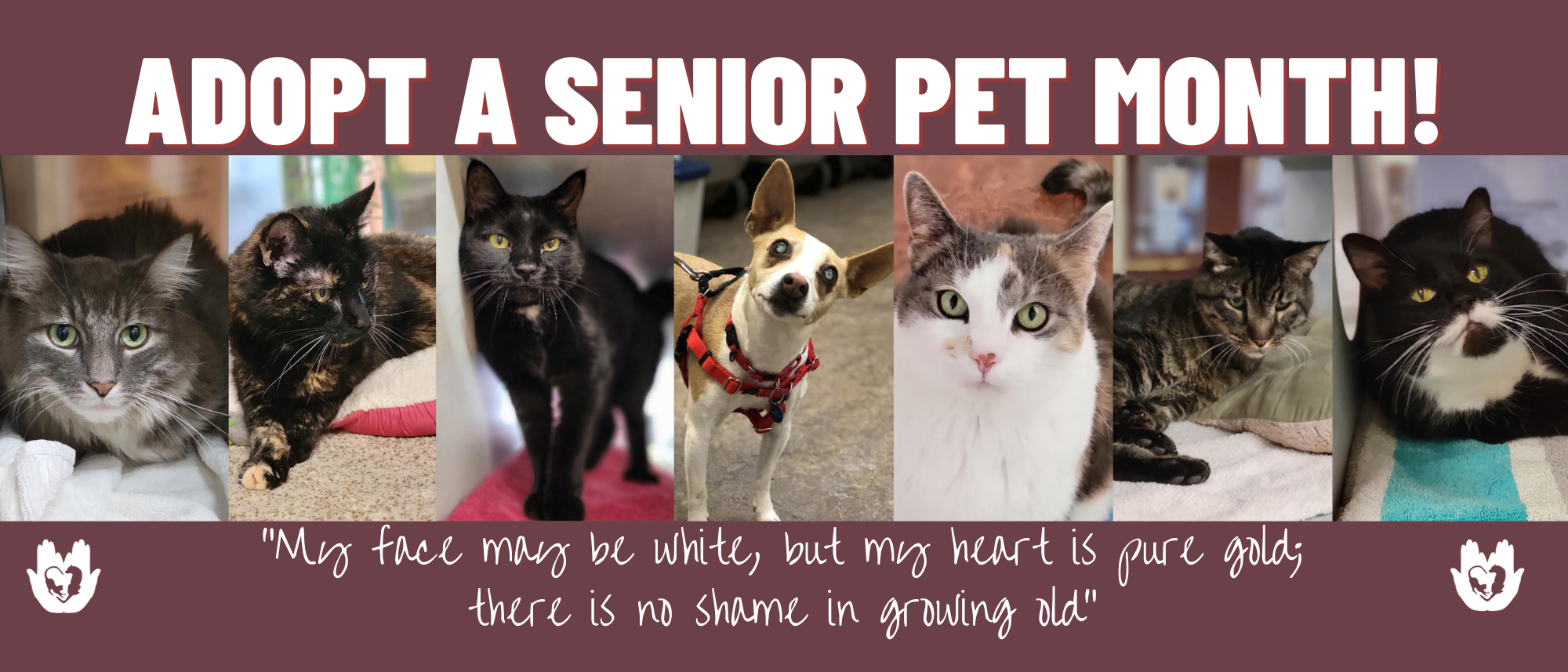
Adopting a senior pet during National Senior Pet Month in November 2026 is a life-saving decision that provides an aging animal with a dignified home while offering you a loyal, calm companion. Senior pets are often the last to be adopted and the first to be euthanized in overcrowded shelters, making your choice a critical intervention in animal welfare.
Understanding National Senior Pet Month in 2026
National Senior Pet Month is an annual awareness campaign held every November to highlight the plight of older animals in the shelter system. In 2026, as animal shelters across the country continue to face challenges with overcapacity, the focus on "hard-to-place" residents—specifically those aged seven years and older—has never been more vital. While puppies and kittens are typically adopted within days, senior animals can languish in shelters for months or even years.
The campaign is supported by major animal welfare organizations, including the American Society for the Prevention of Cruelty to Animals (ASPCA) and Petfinder. The primary goal is to dispel the myth that older pets are "damaged goods." In reality, most senior pets end up in shelters due to human circumstances such as owner illness, financial hardship, or a move to a non-pet-friendly residence, rather than behavioral issues. By choosing to adopt during this month, you are participating in a nationwide movement to ensure that a pet's golden years are spent in a loving home rather than on a concrete shelter floor.
The Unique Benefits of Adopting a Senior Companion
Choosing an older animal comes with a suite of practical advantages that many first-time or busy pet owners find more manageable than raising a young animal. One of the most significant benefits is the "what you see is what you get" factor. Unlike a puppy or kitten, a senior pet’s adult size, temperament, and personality are already fully developed. This predictability allows you to select a pet that perfectly matches your lifestyle and energy levels.
Instant Companionship and Lower Energy Needs
Senior pets are generally calmer and less demanding than their younger counterparts. While a puppy requires constant supervision, house-training, and high-intensity exercise, a senior dog is often content with a leisurely stroll and a long nap. For cats, a senior may prefer a quiet lap to climbing curtains or knocking items off shelves. This lower energy requirement makes senior pets ideal for apartment dwellers, retirees, or working professionals who want a companion without the frantic energy of a juvenile animal.
The Advantage of Previous Training
Most senior pets have lived in homes before. They are often already house-trained and understand basic commands like "sit," "stay," or "down." This saves the new owner months of frustrating accidents and expensive training classes. Furthermore, older animals tend to have better manners; they have outgrown the destructive chewing phase of puppyhood or the hyperactive scratching phase of kittenhood.
Considerations Before Adopting a Senior Animal
While the rewards of senior pet adoption are immense, it is essential to enter the commitment with a realistic understanding of the specific needs of aging animals. Preparation is the key to a successful transition for both you and your new companion.
- Financial Readiness for Medical Care: While you save on the initial costs of vaccinations and spay/neuter procedures (which are usually completed by the shelter), you should budget for geriatric veterinary care. This may include biannual checkups, dental cleanings, and supplements for joint health.
- Home Accessibility: As pets age, their mobility may decrease. You might need to provide ramps for stairs, orthopedic beds to support aching joints, or non-slip rugs on hardwood floors to prevent falls.
- Emotional Maturity: It is a bittersweet reality that you will have fewer years with a senior pet than with a juvenile one. Adopters must be emotionally prepared for end-of-life care and the eventual loss of their companion, knowing that they provided a beautiful "retirement" for an animal in need.
The Adoption Process: What to Expect
The process of adopting a senior pet is similar to standard adoption but often involves more detailed conversations about the animal's medical history and your ability to meet their specific needs.
- Application and Screening: You will likely begin by filling out an application that asks about your living situation, other pets, and your experience with animals. Shelters want to ensure the senior pet is going to a stable environment.
- The Meet-and-Greet: This is a crucial step. If you have other pets, the shelter may require a "neutral ground" meeting to ensure the animals get along. Senior pets may be less tolerant of rambunctious younger dogs, so compatibility is vital.
- Reviewing Medical Records: Shelters will provide any known medical history. In 2026, many shelters utilize digital health portals that allow you to share these records directly with your private veterinarian.
- Trial Periods: Some organizations offer "Foster-to-Adopt" programs for seniors. This allows the pet to live in your home for a week or two to ensure the fit is right before the adoption is finalized.
Comparing Senior Pets vs. Young Pets
| Feature | Senior Pet (7+ Years) | Puppy or Kitten (<1 Year) |
|---|---|---|
| Training Needs | Usually house-trained/basic manners. | Requires intensive training. |
| Energy Level | Low to moderate; predictable. | Extremely high; unpredictable. |
| Medical Costs | Potential for age-related issues. | High initial costs (shots/neutering). |
| Time Commitment | Moderate; needs company and walks. | Very high; requires constant supervision. |
| Personality | Fully established and stable. | Developing; may change over time. |
| Shelter Stay | Often long-term residents. | Usually adopted very quickly. |
Caring for Your Senior Pet: Health and Wellness
Once you bring your senior pet home, maintaining their health involves a shift toward preventative and supportive care. Regular veterinary visits are the cornerstone of senior pet wellness. Most veterinarians recommend "senior screenings" every six months, which include blood work to monitor kidney and liver function, as well as urinalysis.
Nutritional adjustments are also common. Older pets often have slower metabolisms and may require lower-calorie diets to prevent obesity, which can exacerbate joint pain. Conversely, some seniors may need highly palatable, nutrient-dense food if they are struggling to maintain weight.
Dental health is a frequently overlooked aspect of senior care. Periodontal disease is common in older shelter animals and can lead to systemic issues affecting the heart and kidneys. Be prepared to invest in a professional dental cleaning or to manage chronic dental issues with softened food.
Common Misconceptions About Older Shelter Animals
A primary barrier to adoption is the negative stigma attached to older animals. Many prospective owners assume that if a pet is in a shelter at age ten, it must have "baggage" or behavioral problems. According to data from the National Council on Pet Population Study and Policy (NCPPSP), the top reasons for relinquishing dogs and cats are moving, landlord issues, the cost of pet maintenance, and owner personal problems.
Another misconception is that senior pets cannot bond with new owners. On the contrary, many adopters report that senior pets seem "grateful" for their new homes. Because they have already developed the cognitive capacity for deep social bonds, they often attach themselves to their new rescuers very quickly, providing intense loyalty and affection from day one.
Supporting Senior Pets Beyond Adoption
If you are unable to adopt a senior pet this November, there are still several ways to support the "Save a Life Today" mission of National Senior Pet Month.
- Palliative Fostering: Some shelters have "fospice" programs where you provide a home for a terminally ill or very elderly pet, while the shelter covers the medical costs.
- Sponsoring Adoption Fees: You can donate the cost of an adoption fee to a local shelter. This removes a financial barrier for another family looking to take home a senior pet.
- Promoting "Long-Stay" Residents: Sharing profiles of senior pets on social media significantly increases their visibility. A single share can lead to a "forever home" for an animal that has been overlooked for months.
Frequently Asked Questions
What age is considered "senior" for a pet?
Most veterinarians and shelters classify dogs and cats as seniors starting around age seven. However, this varies by breed and size; giant dog breeds (like Great Danes) may be considered seniors as early as age five, while small dogs and cats might not be considered "geriatric" until they reach eleven or twelve.
Do senior pets require special food?
Often, yes. Senior diets are typically formulated with higher fiber for digestion, lower calories to prevent weight gain, and added supplements like glucosamine or omega-3 fatty acids for joint and skin health. Always consult with a veterinarian before switching a senior pet's diet.
Are senior pets good with children?
Many senior pets are excellent with children because they are calmer and more predictable than younger animals. However, because older pets may have arthritis or sensitive vision/hearing, they may not tolerate "rough housing" as well as a younger animal. Supervised interactions are always recommended.
How do I introduce a senior pet to my current pets?
Introductions should be slow and controlled. For dogs, a neutral-ground walk is best. For cats, a "scent swap" where animals smell each other's bedding before meeting face-to-face helps reduce stress. Senior pets generally prefer a peaceful introduction without being overwhelmed by a resident pet's high energy.
Can I still train a senior pet?
Yes, the old adage "you can't teach an old dog new tricks" is entirely false. Senior pets are highly capable of learning new commands and routines. In fact, mental stimulation through training is a great way to keep an aging pet's brain sharp and help them adjust to their new environment.
Take the Next Step Toward Senior Pet Adoption
If you are ready to expand your family, your next action should be to visit a local shelter or browse online databases such as Petfinder or Adopt-a-Pet.com. Filter your search by "Senior" and look for animals that have been in the shelter the longest.
Before visiting, prepare a list of questions for the shelter staff regarding the pet's history, current medications, and known temperament. By adopting a senior pet this National Senior Pet Month, you aren't just getting a pet; you are providing a second chance to a deserving animal and experiencing a unique, profound type of companionship that only an older pet can provide. Save a life today—the rewards will be immeasurable.