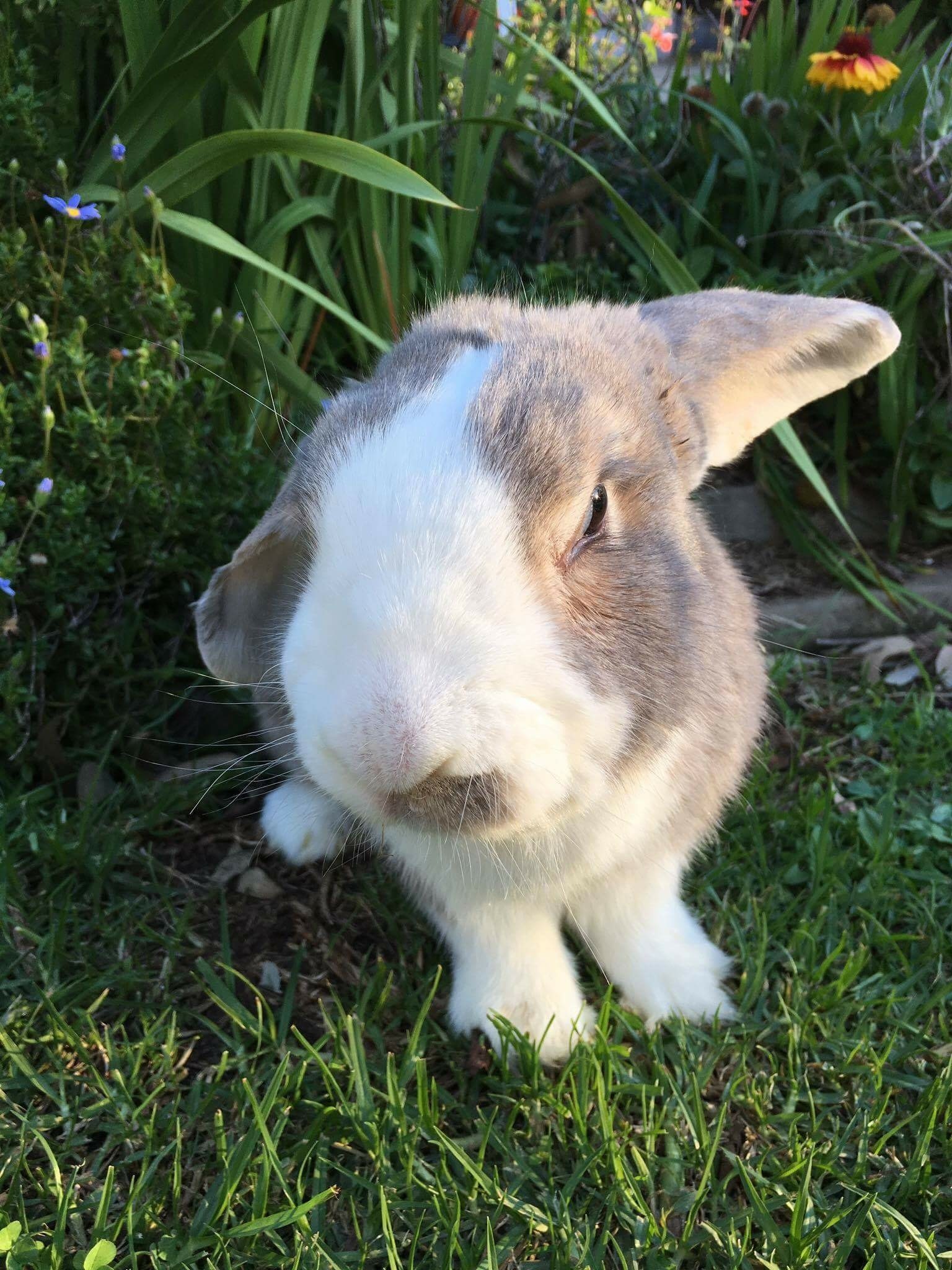
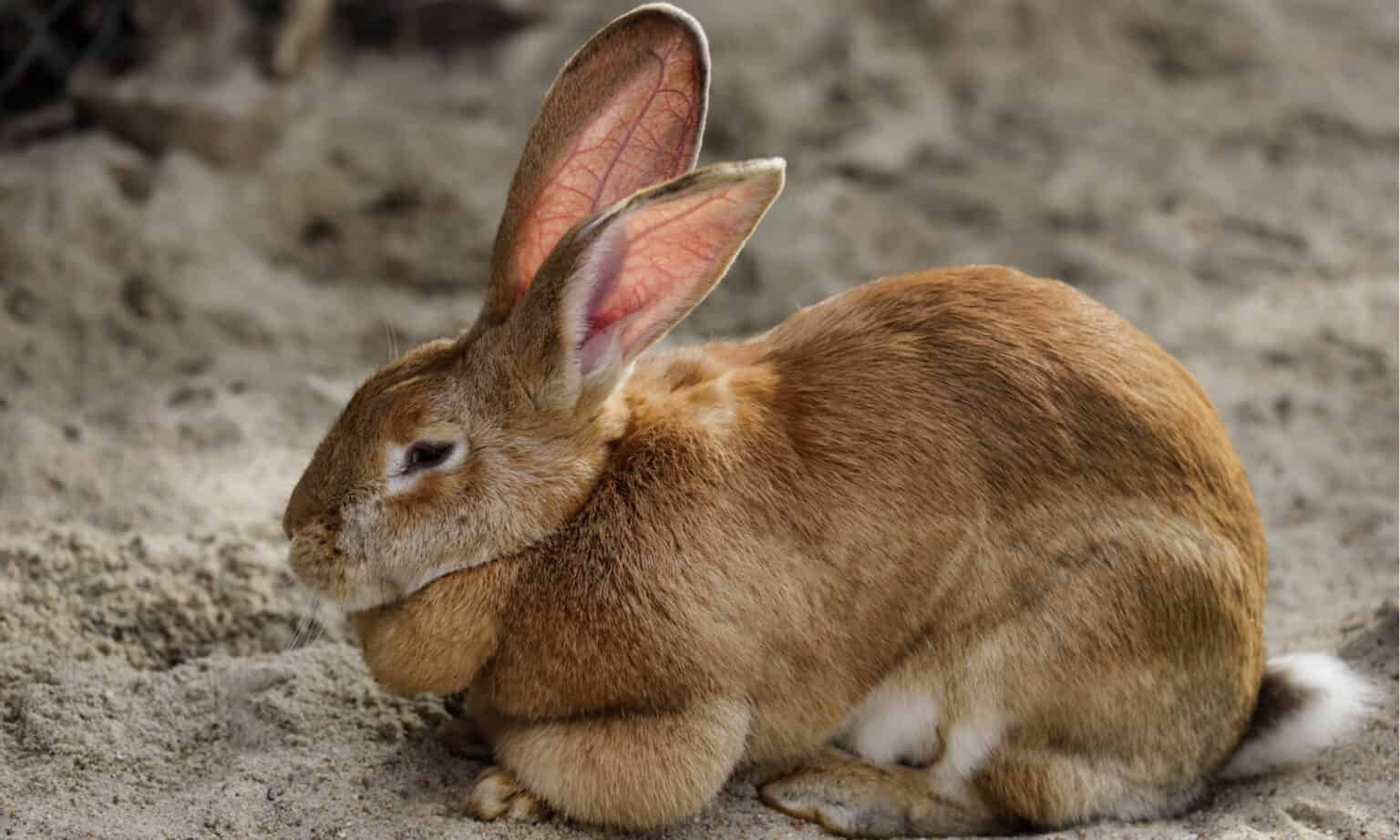
Adopting a Flemish Giant rabbit involves locating a specialized rescue or reputable breeder, preparing an expansive living environment—as standard cages are insufficient—and securing access to an exotic animal veterinarian. These "gentle giants" require a high-fiber diet, significant daily interaction, and a commitment to managing their unique health needs over a 5-to-8-year lifespan.
Understanding the Flemish Giant: More Than Just a Large Rabbit
The Flemish Giant is one of the oldest and largest breeds of domestic rabbit, tracing its origins back to 16th-century Belgium. Originally bred for meat and fur, the breed has transitioned into a beloved companion animal known for its docile, almost dog-like temperament. In 2026, they remain a popular choice for families who want a rabbit but have the space to accommodate a pet that can weigh between 15 and 22 pounds—and occasionally more.
These rabbits are characterized by their "semi-arch" body type, where the arch of the back starts at the shoulders and carries through to the base of the tail. Their ears are long and powerful, usually standing upright, and their fur is dense and glossy. Beyond their physical presence, the "gentle giant" moniker stems from their personality. Unlike smaller, more skittish breeds, Flemish Giants tend to be more relaxed and less prone to panic, making them excellent candidates for households with children or other calm pets, provided the introductions are handled correctly.
However, their size dictates every aspect of their care. You cannot treat a Flemish Giant like a standard-sized bunny. Their skeletal structure is heavy, and they are prone to certain weight-related health issues. Before beginning the adoption process, it is vital to recognize that these animals are a significant commitment in terms of both space and financial resources.
The Flemish Giant Adoption Process
Adopting a Flemish Giant is a different experience than purchasing a smaller rabbit from a local pet store. Because of their specialized needs, you will rarely find them in general retail environments. Instead, the path to ownership usually goes through breed-specific rescues, the House Rabbit Society, or high-end ethical breeders.
Locating a Rescue Organization
The most ethical and cost-effective way to bring a Flemish Giant into your home is through adoption from a rescue. In 2026, many municipal shelters and private rabbit rescues see Flemish Giants surrendered because previous owners underestimated their size or the cost of their food. When you adopt, the rabbit is typically already spayed or neutered, which is a significant saving, as surgery for a giant breed can be complex and expensive.
Application and Vetting
Most reputable rescues will require an application process. This often includes a "house check" (virtual or in-person) to ensure you have an appropriate enclosure. Rescues look for "house rabbit" setups, meaning the rabbit lives indoors as a member of the family. They will also ask for the name of your exotic vet. Since many standard veterinarians do not treat rabbits—and those who do may not be equipped for the anesthesia requirements of a 20-pound lagomorph—verifying your medical support system is a mandatory first step.
Compatibility and Bonding
If you already have a rabbit, the rescue will likely require a "bunny date." Bonding rabbits is a delicate process, and the size difference between a Flemish Giant and a breed like a Netherland Dwarf can lead to accidental injury if the personalities do not mesh. Rescues provide a controlled environment to see if the pair can coexist before you commit to the adoption.
Essential Housing and Space Requirements
The single biggest mistake new owners make is underestimating the space a Flemish Giant requires. A standard "extra-large" rabbit cage sold in pet stores is functionally a crate for this breed; it is not a permanent home. In 2026, the gold standard for Flemish Giant housing is either a dedicated "rabbit room" or a large exercise pen (X-pen) designed for medium-to-large dogs.
Vertical and Horizontal Space
A Flemish Giant needs to be able to take three consecutive hops without hitting a wall. For a rabbit that can be nearly three feet long when stretched out, this means an enclosure should be at least 10 feet long. Height is equally important. When these rabbits stand on their hind legs to survey their surroundings, they can reach heights of over two feet. If their enclosure has a lid, it must be high enough to allow them to stretch fully without their ears touching the top.
Flooring and Joint Health
Because of their extreme weight, Flemish Giants are highly susceptible to "sore hocks" (pododermatitis). Unlike dogs or cats, rabbits do not have pads on their feet; they only have fur. Hardwood, tile, or wire floors are detrimental to a giant breed. You must provide soft, grippy surfaces. High-pile rugs, foam play mats topped with fleece, or specialized vet-bedding are essential to prevent the skin on their heels from breaking down, which can lead to bone infections.
Nutritional Foundations for Giant Breeds
The metabolism of a Flemish Giant is surprisingly fast for their size, and their food consumption is significantly higher than that of standard rabbits. Their diet must be centered on high-quality fiber to prevent Gastrointestinal (GI) Stasis, a life-threatening condition where the digestive system slows down or stops.
- Unlimited Timothy Hay: This should make up 80% of their diet. It keeps the gut moving and wears down their teeth, which grow continuously.
- Specialized Pellets: Look for pellets specifically formulated for giant breeds or those with a high fiber content (at least 18%). Avoid "muesli" styles with seeds or colorful bits, as these lead to selective eating and obesity.
- Fresh Greens: A Flemish Giant can consume two to four cups of fresh leafy greens daily. Romaine, kale, cilantro, and parsley are staples.
- Water Access: Due to their size, many Flemish Giants prefer heavy ceramic bowls over drip bottles. They drink a surprising amount of water—often as much as a small dog—and a bottle may not provide a flow rate fast enough to keep them hydrated.
Health and Veterinary Considerations
Flemish Giants are prone to specific health issues related to their size and genetics. When you adopt, you are taking on the responsibility of monitoring these conditions closely.
- Heart Issues: Like many giant animal breeds, Flemish Giants can be prone to cardiomyopathy. Regular vet checkups with a focus on heart murmurs are essential.
- Arthritis: Their heavy frames put a lot of stress on their joints. As they age, they may require daily anti-inflammatory medication to maintain mobility.
- Heat Stroke: Flemish Giants do not handle heat well. Because of their mass, they struggle to dissipate heat through their ears. Their living environment must be climate-controlled, ideally kept below 75°F (24°C).
- GI Stasis: This is the primary emergency concern for any rabbit. If a Flemish Giant stops eating for even 12 hours, it is a medical emergency. Because of their size, they can dehydrate and decline faster than smaller breeds.
Comparison: Flemish Giant vs. Standard Rabbit Breeds
| Feature | Flemish Giant | Standard Breed (e.g., Rex) |
|---|---|---|
| Average Weight | 15–22 lbs | 4–10 lbs |
| Typical Lifespan | 5–8 years | 8–12 years |
| Enclosure Size | 20+ sq. ft. (or free-roam) | 12 sq. ft. |
| Daily Food Cost | High (Heavy hay/pellet intake) | Moderate |
| Temperament | Docile, sedentary, dog-like | Active, curious, skittish |
| Veterinary Cost | Higher (Requires "Large Dog" dosages) | Standard |
| Child Suitability | High (Sturdier, less nippy) | Moderate (Easily injured) |
Financial Commitment and Long-Term Costs
Adopting a Flemish Giant is often the least expensive part of ownership. The ongoing costs in 2026 reflect the increased prices of high-quality hay and specialized veterinary care. A Flemish Giant will consume a 50lb bale of hay much faster than a smaller rabbit, and their litter box needs to be changed more frequently, requiring more substrate.
You should budget for an annual "well-bunny" exam with an exotic vet, which can range from $100 to $250 depending on your location. Emergency visits for GI Stasis or respiratory issues can easily exceed $1,000. Additionally, because they are heavy, they wear through flooring and bedding faster than smaller pets. Prospective adopters should ensure they have a dedicated "emergency fund" specifically for veterinary expenses, as many standard pet insurance policies have limitations on "exotic" giant breeds.
Common Adoption Mistakes to Avoid
- Buying for Children: While they are gentle, Flemish Giants are too heavy for children to pick up. Dropping a rabbit of this size almost always results in a broken back for the animal.
- Outdoor Housing: Never house a Flemish Giant outdoors. They are prone to predators, heatstroke, and Flystrike. Their size makes them a target, and they cannot easily hide in standard outdoor hutches.
- Underestimating Mess: A 20-pound rabbit produces a significant amount of waste. Proper litter training is possible, but you will need a giant-sized litter pan (often a mortar mixing tub or a large dog crate tray).
Frequently Asked Questions
Can Flemish Giants be litter trained?
Yes, Flemish Giants are highly intelligent and can be litter trained as effectively as cats. They naturally prefer to eliminate in one corner, usually where they eat their hay. By placing hay in a feeder directly over a large litter box filled with rabbit-safe substrate (like recycled paper pellets), most Flemish Giants will learn the routine within a few weeks. Neutering or spaying is essential for this, as it reduces territorial marking.
Do they get along with dogs and cats?
Generally, yes. Their large size makes them less likely to be viewed as "prey" by cats, and their calm demeanor often de-escalates tension with dogs. However, any interaction must be supervised. A playful "pounce" from a dog can still break a rabbit's ribs, and a rabbit’s powerful back legs can injure a curious cat. Always conduct introductions slowly and across a barrier.
How much exercise do they need?
While Flemish Giants are more sedentary than smaller, high-energy breeds, they still require several hours of "out-of-pen" time daily. They enjoy exploring, "binkying" (twisting jumps), and interacting with their owners. Because they are heavy, they are not big jumpers; they prefer to stay on the ground rather than jumping onto high furniture.
Are they hypoallergenic?
No. While some people are less allergic to rabbit fur than cat dander, rabbits produce proteins in their saliva and skin that can trigger allergies. Furthermore, because Flemish Giants require a diet of unlimited hay, individuals with hay fever or grass allergies often find it difficult to live with them.
What is the best way to find a Flemish Giant for adoption in 2026?
The best resource is the House Rabbit Society's international directory. You can also search platforms like Petfinder using the "Large" or "Extra Large" filter under the rabbit category. In 2026, many rescues also use social media to showcase specific "Gentle Giants" looking for homes, often providing detailed personality profiles to ensure a good match.
Final Steps Toward Adoption
If you have verified that you have the space, the budget, and a local exotic veterinarian, your next step is to contact a local rescue to begin the application process. Adoption is a rewarding way to bring a Flemish Giant into your life, as it provides a second chance for a rabbit that might otherwise be overlooked due to its size.
Before the rabbit arrives, "rabbit-proof" your home by covering all electrical cords with plastic tubing and removing toxic plants. Prepare their living area with soft flooring and a massive hay supply. By focusing on the specific needs of the breed rather than treating them like a standard pet, you ensure that your "gentle giant" will thrive in their new environment for years to come.