Adolescent health encompasses the physical, mental, and social well-being of individuals typically aged 10 to 19. This critical developmental phase requires specialized clinical approaches that address rapid neurobiological changes, puberty, and the transition from parental dependence to autonomy. Prioritizing preventive screenings, mental health support, and healthy lifestyle habits during these years establishes the foundation for lifelong adult health and chronic disease prevention.
The Biological Foundations of Adolescent Development
The onset of adolescence is marked by puberty, a complex biological process driven by the hypothalamic-pituitary-gonadal (HPG) axis. While the physical transformations—such as growth spurts and secondary sexual characteristics—are most visible, the neurological changes occurring within the adolescent brain are equally profound. In 2026, medical consensus continues to emphasize that the adolescent brain is in a state of significant "remodeling," characterized by high plasticity.
The prefrontal cortex, responsible for executive functions like impulse control, long-term planning, and risk assessment, does not fully mature until the mid-20s. Conversely, the amygdala and the reward system (the striatum) develop earlier, creating a "developmental mismatch." This gap explains why adolescents may prioritize immediate social rewards or thrills over long-term safety. Understanding this biological reality is essential for parents and clinicians when addressing behavioral issues; it shifts the perspective from "defiant behavior" to "developmental processing."
Furthermore, hormonal shifts influence the circadian rhythm, leading to what is known as a "delayed sleep phase." Adolescents naturally feel alert later in the evening and struggle with early morning demands. Chronic sleep deprivation in this age group is linked to metabolic dysfunction, increased risk of depression, and poor academic performance. Addressing adolescent health requires a holistic view that respects these biological imperatives rather than fighting against them.
Preventive Care and Clinical Screenings
Preventive healthcare during adolescence shifts from the childhood model of "well-baby" visits to comprehensive "well-teen" exams. These visits are vital for monitoring growth trajectories and identifying emerging health issues before they become chronic conditions. In 2026, clinical guidelines recommend annual check-ups that include screenings for Body Mass Index (BMI), blood pressure, and vision, alongside more nuanced psychosocial assessments.
One of the most critical components of modern adolescent medicine is the confidential screening process. Providers often use validated tools like the HEEADSSS assessment (Home, Education/Employment, Eating, Activities, Drugs, Sexuality, Suicide/Depression, and Safety). This framework allows clinicians to identify risks in a private setting, fostering a relationship of trust between the provider and the adolescent.
Vaccination remains a pillar of preventive care. Beyond the standard boosters, specific emphasis is placed on the Human Papillomavirus (HPV) vaccine, which is most effective when administered before any exposure, and the Meningococcal ACWY and B vaccines. These interventions are primary prevention strategies against certain cancers and life-threatening infections.
Mental Health and Emotional Resilience
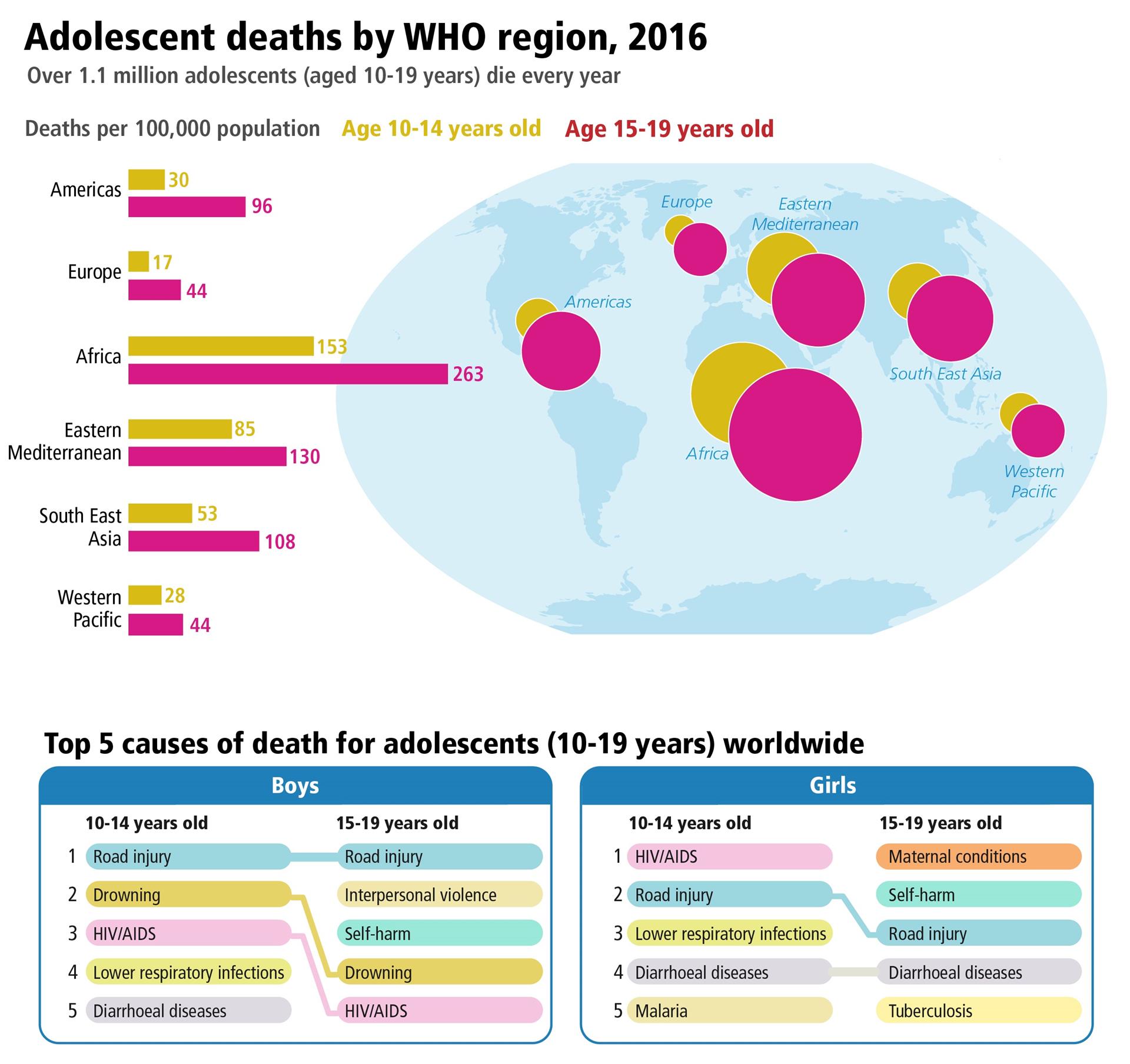
Mental health is perhaps the most pressing challenge in adolescent health today. Data from the World Health Organization (WHO) indicates that half of all mental health conditions start by age 14, but most cases remain undetected and untreated. Anxiety, depression, and eating disorders are among the leading causes of illness and disability among teenagers.
In 2026, the integration of mental health screenings into primary care has become a standard of excellence. Early intervention is key. Neurodiversity, including ADHD and Autism Spectrum Disorder (ASD), also requires specific attention during adolescence as the social and academic demands increase. Support systems must move beyond crisis intervention toward building "emotional literacy"—the ability for an adolescent to identify, express, and manage their emotions healthily.
The rise of digital environments has introduced new variables into mental health. While social media can provide community, it can also exacerbate body dysmorphia and facilitate cyberbullying. Comprehensive adolescent care now includes "digital hygiene" counseling, helping teens navigate the dopamine-driven loops of online platforms while maintaining offline social connections and sleep quality.
Nutritional Requirements and Physical Activity
As adolescents undergo rapid bone and muscle growth, their nutritional requirements spike. Specifically, the need for calcium, iron, and vitamin D is higher during the adolescent growth spurt than at almost any other time in life. However, this often coincides with increased autonomy over food choices, frequently leading to a higher intake of ultra-processed foods and sugar-sweetened beverages.
Dietary habits formed during these years are predictive of adult metabolic health. Obesity rates in adolescence have significant implications for the early onset of Type 2 diabetes and cardiovascular disease. Clinicians now focus on "weight-neutral" health promotion, emphasizing the benefits of nutrient-dense foods and regular movement rather than focusing solely on the scale.
Physical activity is not merely about weight management; it is a critical tool for bone density and mental health. The Centers for Disease Control and Prevention (CDC) recommends at least 60 minutes of moderate-to-vigorous physical activity daily. This activity helps regulate the stress response system, improving mood and cognitive focus through the release of endorphins and brain-derived neurotrophic factor (BDNF).
Sexual and Reproductive Health
Adolescence is the period when individuals begin to explore their sexual identity and reproductive health. Providing accurate, non-judgmental information is a fundamental right and a public health necessity. Comprehensive sexual health education should cover anatomy, consent, contraception, and the prevention of Sexually Transmitted Infections (STIs).
Access to confidential reproductive services is a major determinant of health outcomes. Studies consistently show that when adolescents have access to confidential care and reliable contraception, the rates of unintended pregnancies and STIs decrease significantly. In 2026, healthcare providers emphasize "long-acting reversible contraception" (LARC) as a highly effective option for adolescents who choose to be sexually active.
Moreover, sexual health involves the exploration of gender identity. For many adolescents, this is a time of self-discovery. Supportive, gender-affirming care—which may range from social transition support to clinical interventions—is associated with significantly lower rates of self-harm and depression in transgender and non-binary youth.
Comparison of Adolescent Health Milestones and Requirements
The following table outlines the key health focus areas across the three stages of adolescence, helping parents and providers anticipate specific needs.
| Development Stage | Age Range | Primary Biological Focus | Key Health Screenings | Social/Emotional Task |
|---|---|---|---|---|
| Early Adolescence | 10–13 years | Onset of puberty; rapid physical growth. | Scoliosis, BMI, HPV vaccination series. | Developing body image; peer group integration. |
| Middle Adolescence | 14–16 years | Continued brain remodeling; sexual maturation. | Depression (PHQ-9), vision, STI screening (if active). | Identity formation; seeking autonomy from parents. |
| Late Adolescence | 17–19 years | Completion of physical growth; frontal lobe refinement. | Meningococcal B, cholesterol (lipid panel), alcohol/drug use. | Career/future planning; intimacy and stable relationships. |
Substance Use and Risk Prevention
The inclination toward risk-taking is a natural part of adolescent brain development, but it can lead to experimentation with tobacco, nicotine (vaping), alcohol, and illicit drugs. Early substance use is particularly concerning because the developing brain is more susceptible to the rewiring associated with addiction.
Prevention strategies in 2026 have shifted away from "fear-based" tactics toward "strength-based" approaches. This involves building protective factors, such as strong family bonds, school engagement, and extracurricular involvement. When adolescents feel a sense of belonging and purpose, their likelihood of engaging in high-risk substance use decreases.
Vaping remains a significant public health challenge. The high concentration of nicotine in modern e-cigarettes can lead to rapid dependency and may adversely affect brain development related to attention and learning. Clinical guidance now includes specific cessation protocols tailored for the adolescent brain, acknowledging that traditional adult nicotine replacement therapies may need adjustment for younger populations.
Establishing a Medical Home for the Adolescent
For effective adolescent health management, the "medical home" model is the gold standard. A medical home is not a building, but an approach to providing comprehensive and continuous medical care. It ensures that the adolescent has a primary provider who knows their history, monitors their development over time, and coordinates care with specialists (such as therapists or sports medicine doctors) when needed.
Actionable Steps for Caregivers and Adolescents:
- Schedule the Annual Wellness Visit: Even if the adolescent is not sick, this visit is essential for preventive screenings and building a rapport with a provider.
- Respect Confidentiality: Parents should expect and support private time between the teen and the doctor. This is a critical step in the teen learning to manage their own health.
- Monitor "The Big Three": Keep a pulse on sleep (8–10 hours), nutrition (balanced meals), and movement (daily activity). These are the pillars of emotional and physical stability.
- Open Dialogue: Foster an environment where the adolescent feels safe discussing difficult topics like mental health, sexuality, and substance use without immediate judgment.
Disclaimer: This information is for educational purposes and does not constitute medical advice. Always consult with a qualified healthcare professional regarding specific health concerns or before starting any new treatment regimen.
Frequently Asked Questions
At what age should an adolescent start seeing a doctor alone for part of the visit?
Most pediatricians and adolescent medicine specialists recommend starting private one-on-one time around age 12 or 13. This allows the adolescent to practice reporting their own symptoms and discussing sensitive topics like mental health or sexuality. It is a standard part of transitioning to adult healthcare and is protected by various privacy laws depending on the jurisdiction.
Why is sleep so difficult for teenagers to maintain?
Adolescents experience a biological shift in their internal clock, pushing their natural sleep-wake cycle about two hours later. This "delayed sleep phase" is compounded by academic workloads, extracurricular activities, and blue light exposure from screens, which suppresses melatonin. Most teens require 8 to 10 hours of sleep, but many operate on significantly less, impacting their mood and cognitive function.
What are the early warning signs of mental health struggles in teens?
Signs that go beyond typical "teenage moodiness" include a sharp decline in academic performance, withdrawal from previously enjoyed hobbies or friend groups, significant changes in eating or sleeping habits, and expressions of hopelessness. If an adolescent expresses thoughts of self-harm or suicide, it should always be treated as a medical emergency requiring immediate professional intervention.
Is the HPV vaccine safe and necessary for my child?
Yes, the HPV vaccine is extensively studied and has been shown to be highly safe and effective at preventing several types of cancer, including cervical, anal, and oropharyngeal cancers. Public health organizations like the American Academy of Pediatrics (AAP) recommend the series start at age 9 to 12 to ensure maximum immune response and protection before any potential exposure to the virus.
How does social media specifically affect adolescent brain development?
Social media platforms often use "variable reward" systems—like likes, comments, and infinite scrolls—that trigger dopamine releases in the brain's reward center. Because the adolescent prefrontal cortex is still developing, teens may find it harder to self-regulate their usage. Excessive use can lead to social comparison, decreased "real-world" social interaction, and disrupted sleep, which can collectively impact emotional well-being.