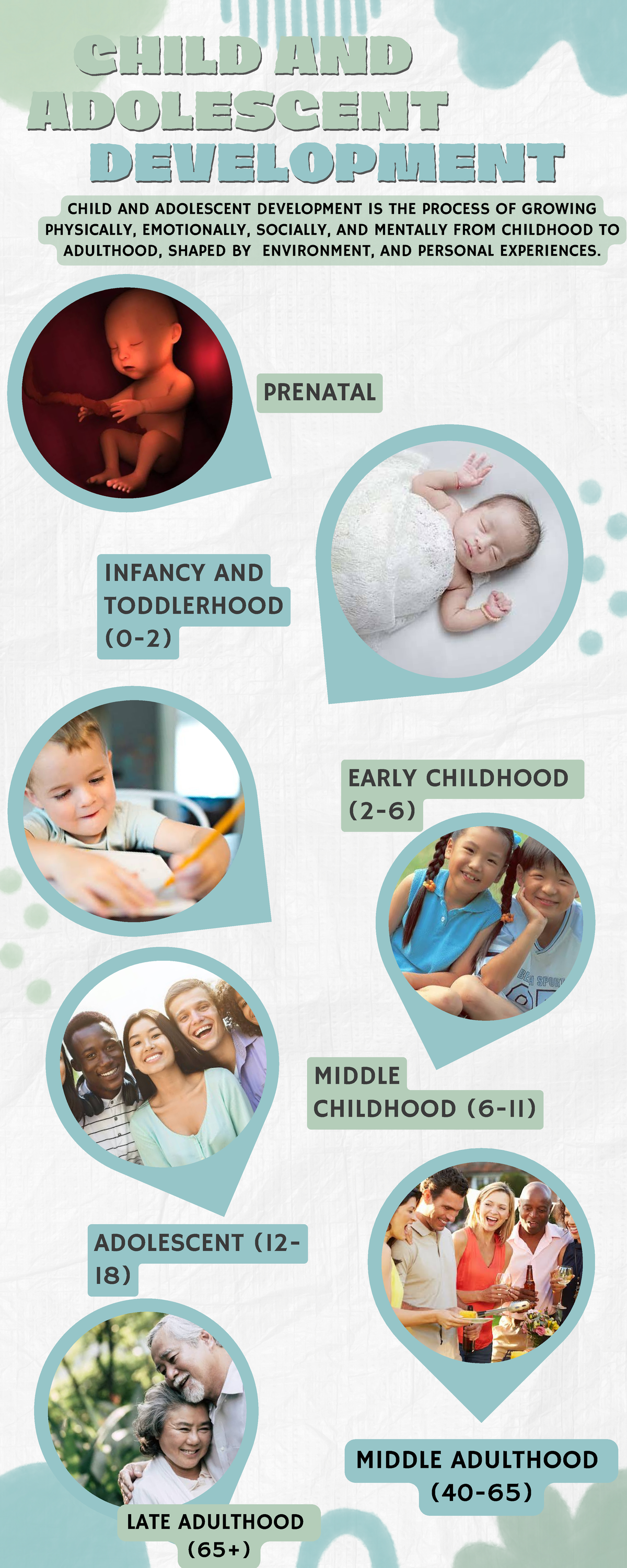
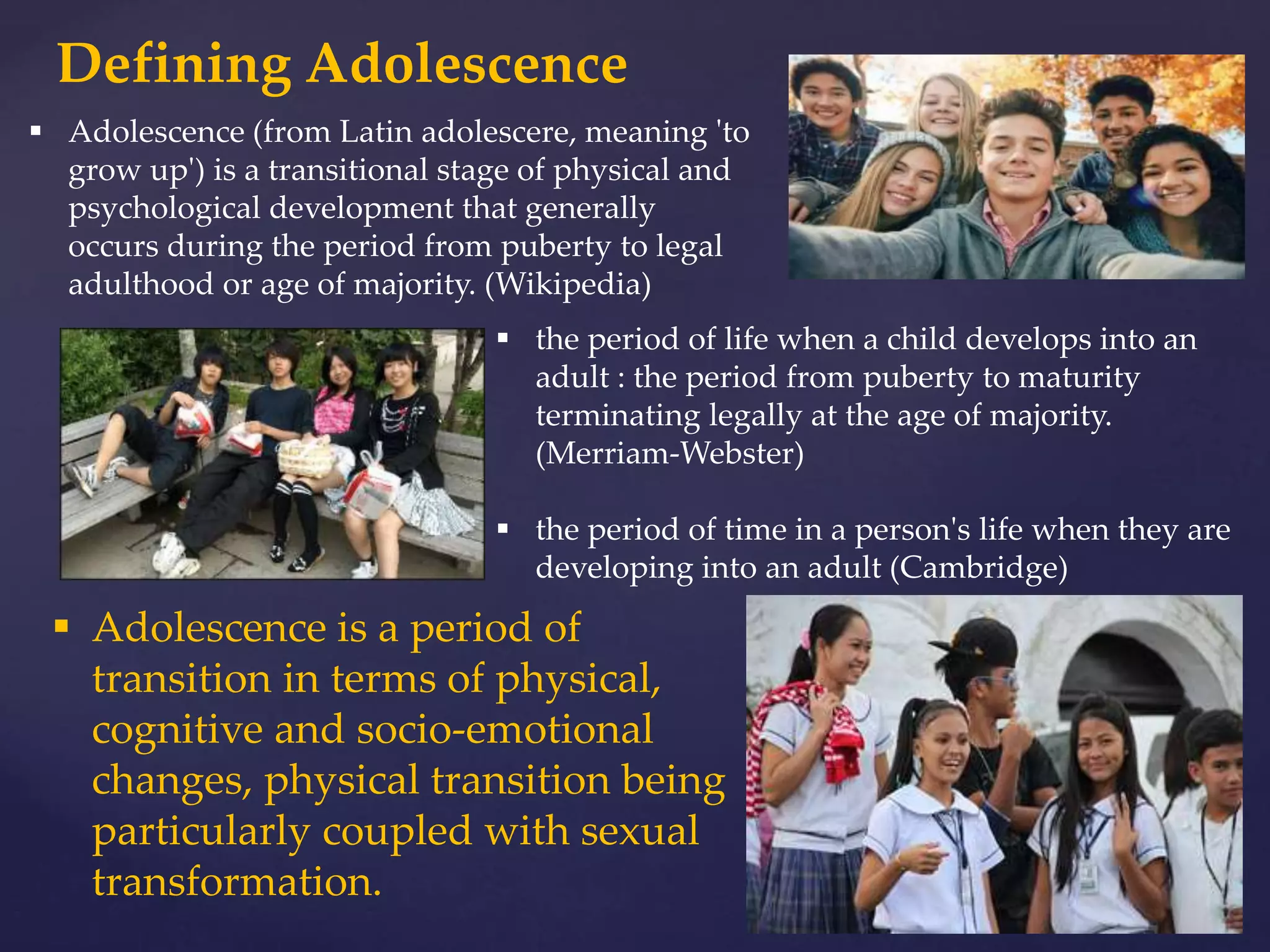
Adolescent development is the complex transition from childhood to adulthood, encompassing significant biological, cognitive, and socio-emotional changes. Typically spanning from ages 10 to 24, this period is marked by puberty, rapid brain maturation, and the formation of a personal identity, ultimately preparing individuals for the responsibilities and independence of adult life.
The Biological Foundation: Puberty and Physical Transformation
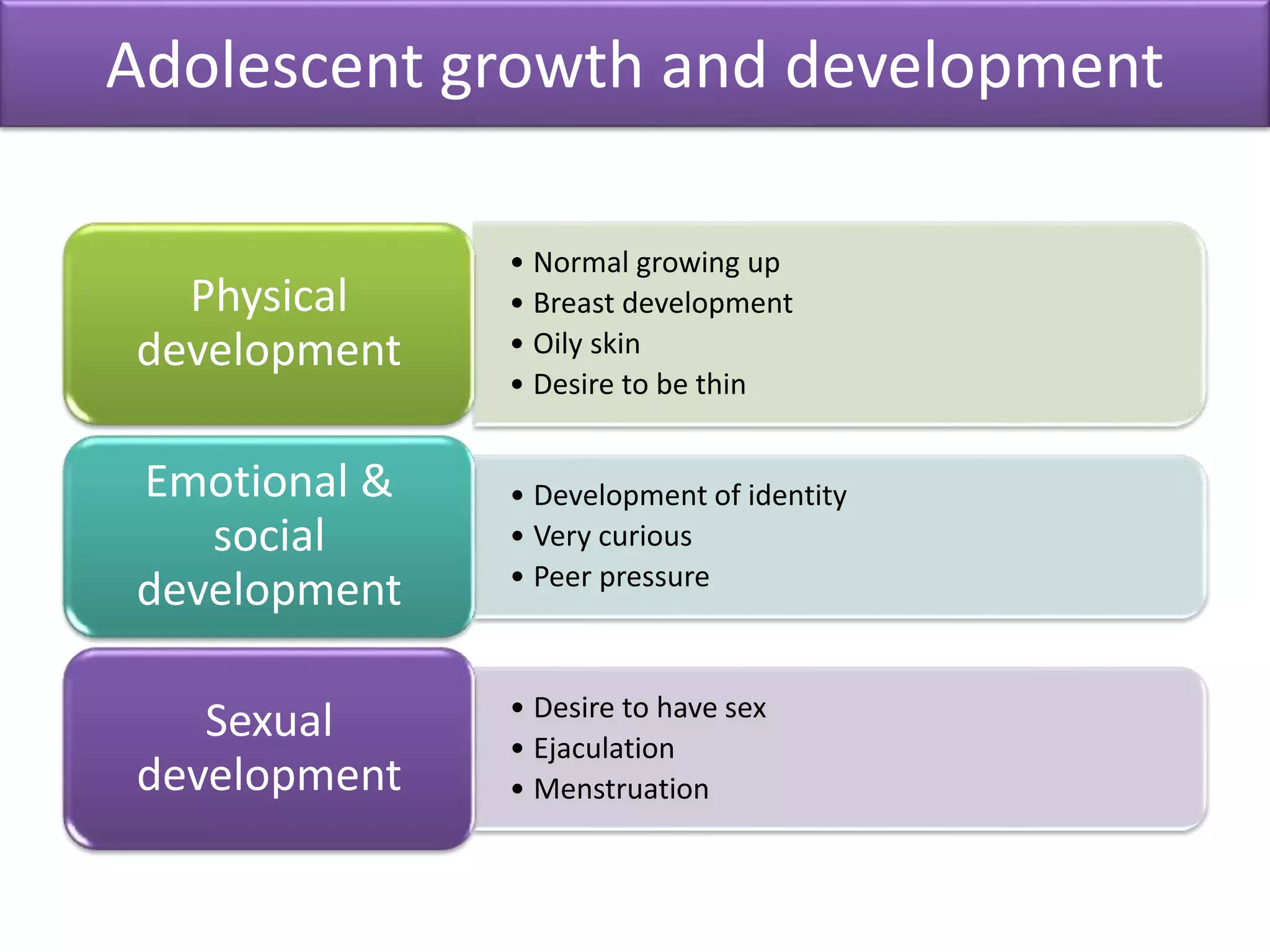
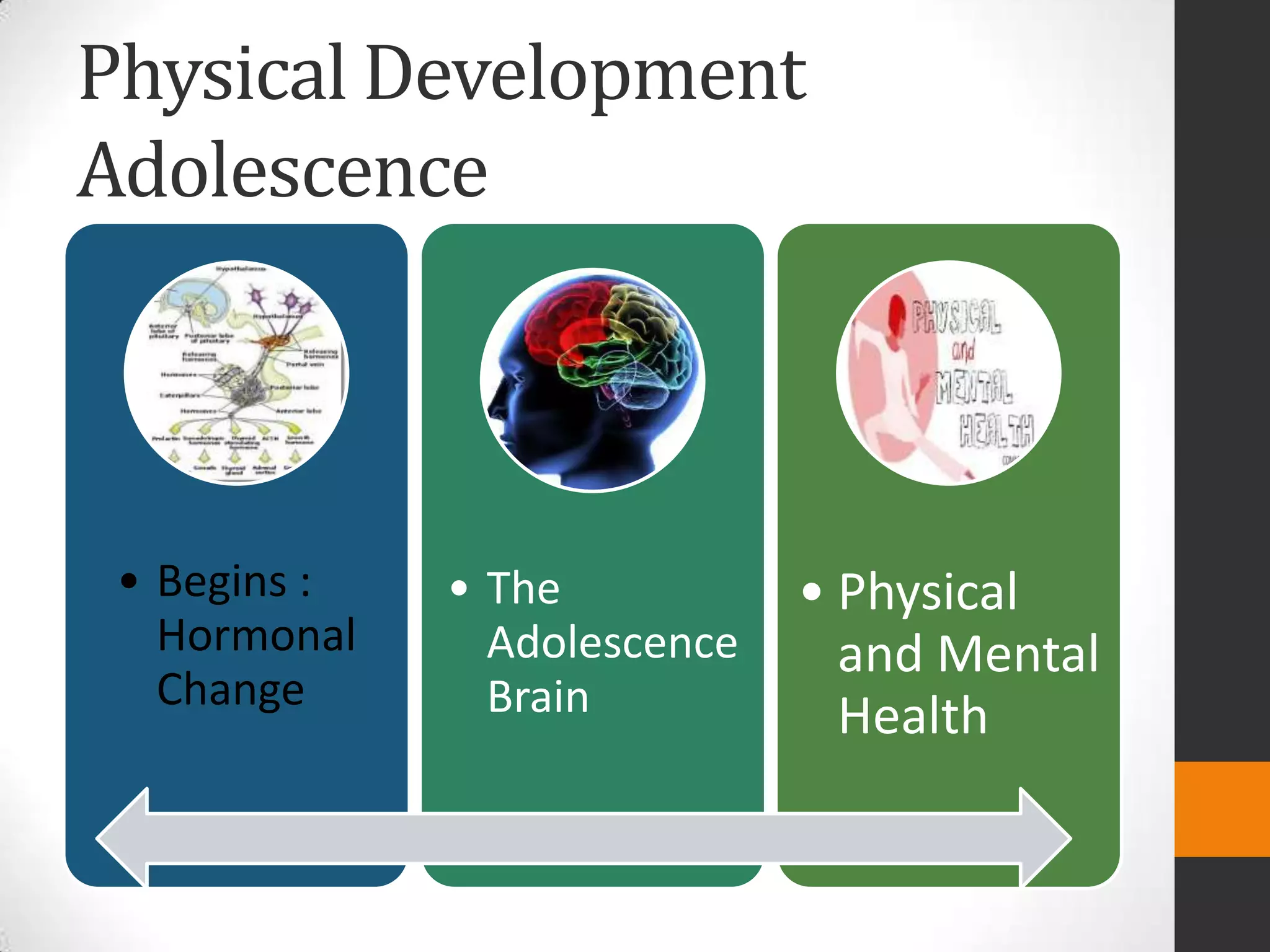
The most visible hallmark of adolescent development is puberty, a biological process driven by the endocrine system. While often associated with the early teenage years, puberty begins when the hypothalamus signals the pituitary gland to release hormones, which in turn stimulate the gonads (ovaries and testes). This hormonal surge—primarily estrogen in females and testosterone in males—triggers the development of primary and secondary sex characteristics.
Growth spurts are a defining feature of this stage. Adolescents typically experience a rapid increase in height and weight, often peaking around age 12 for girls and 14 for boys. This physical growth is not always symmetrical; limbs may grow faster than the torso, leading to the characteristic "clumsiness" often observed in early adolescence. Additionally, changes in body composition occur, with an increase in muscle mass for males and a natural increase in body fat for females.
A critical but frequently overlooked biological shift is the change in circadian rhythms. During adolescence, the brain’s production of melatonin—the hormone responsible for sleep—shifts to a later time in the evening. This "sleep phase delay" means teenagers naturally feel alert later at night and struggle to wake up early. In 2026, health guidelines continue to emphasize that adolescents require 8 to 10 hours of sleep for optimal development, yet environmental factors like blue light exposure and early school start times often create a chronic sleep debt that affects mood and academic performance.
The Adolescent Brain: Neurobiology and Executive Function
The adolescent brain undergoes a massive structural reorganization that is as significant as the growth occurring in infancy. Contrary to older beliefs that the brain was fully formed by age 12, modern neurobiology confirms that maturation continues well into the mid-20s. The primary engine of this change is the "dual-systems model," which describes the gap between the development of the limbic system and the prefrontal cortex.
The limbic system, responsible for emotions, rewards, and social processing, matures relatively early. This makes adolescents highly sensitive to dopamine, the "feel-good" neurotransmitter, particularly in social contexts. Conversely, the prefrontal cortex—the area of the brain responsible for impulse control, long-term planning, and weighing consequences—is the last to mature. This developmental "mismatch" explains why teenagers may be highly intelligent but still prone to impulsive, high-risk behaviors, especially when peers are present.
Two key processes drive this maturation:
- Synaptic Pruning: The brain "clips" away unused neural connections to make the remaining pathways more efficient. This is a "use it or lose it" phase where the environment and activities of the adolescent shape the brain's final architecture.
- Myelination: Nerve fibers are wrapped in a fatty substance called myelin, which acts as insulation. This increases the speed and efficiency of communication between different brain regions, eventually allowing the prefrontal cortex to better regulate the emotional limbic system.
Cognitive Development: From Concrete to Abstract Thought
As the brain matures, the way adolescents process information changes. According to Jean Piaget’s stages of cognitive development, adolescence marks the transition into the "formal operational stage." Children typically think in concrete terms—focusing on the "here and now"—whereas adolescents begin to develop the capacity for abstract thought.
This cognitive shift allows for hypothetical-deductive reasoning. Adolescents can imagine multiple solutions to a problem, contemplate the future, and understand complex metaphors or allegories. This newfound ability also fuels "metacognition," or the ability to think about one's own thoughts. While this enables self-reflection, it also leads to the "imaginary audience" phenomenon, where the adolescent believes everyone is watching and judging their every move.
Furthermore, adolescents often struggle with the "personal fable," a cognitive distortion where they believe their experiences and feelings are unique and that they are invincible. This sense of being "special" can lead to a feeling of isolation ("no one understands me") or contribute to risk-taking behaviors, as they may feel immune to the negative consequences that affect others.
Psychosocial Development: Identity and Peer Influence
Erik Erikson, a seminal figure in developmental psychology, identified the primary task of adolescence as "Identity vs. Role Confusion." The fundamental question of this stage is: "Who am I?" To answer this, adolescents experiment with different roles, styles, friendships, and belief systems.
A significant shift occurs in the social hierarchy during this time. While parents remain influential, the relative importance of peer groups increases dramatically. Peers provide a "testing ground" for social skills and a sense of belonging outside the family unit. However, the need for peer approval can lead to conformity or susceptibility to peer pressure. In 2026, this dynamic is amplified by digital social networks, where social validation is quantified through likes and engagement, creating a constant feedback loop that impacts self-esteem.
Autonomy is the goal of psychosocial development. This process often involves "individuation," where the adolescent seeks to establish a separate identity from their parents. While this can manifest as rebellion or conflict, it is a necessary developmental milestone. Successful individuation allows the adolescent to move from a state of dependence to one of interdependence, where they can maintain close relationships while remaining a distinct individual.
Developmental Milestones by Phase
Adolescence is not a monolithic block of time. It is traditionally divided into three distinct phases, each with its own primary focus and challenges.
| Phase | Approximate Ages | Primary Physical Focus | Primary Cognitive/Social Focus |
|---|---|---|---|
| Early Adolescence | 10–13 years | Onset of puberty; rapid growth; secondary sex characteristics. | Increased interest in privacy; concrete thinking with starts of abstraction; focus on "fitting in." |
| Middle Adolescence | 14–17 years | Completion of most physical growth; increased sexual interest. | Peak of risk-taking; intense peer orientation; development of personal values and ethics. |
| Late Adolescence | 18–24 years | Brain maturation (prefrontal cortex); physical "filling out." | Formation of stable identity; focus on career/future; transition to adult roles and independence. |
Emotional Regulation and Mental Health Challenges
The combination of hormonal fluctuations, brain remodeling, and social pressure makes adolescence a period of high emotional volatility. While mood swings are normal, this period is also a window of vulnerability for mental health disorders. Research indicates that approximately 50% of all lifetime mental health conditions begin by age 14, and 75% begin by age 24.
Common challenges include:
- Anxiety and Depression: Often linked to social pressures, academic stress, or biological predispositions.
- Eating Disorders: Frequently emerging during the physical changes of puberty and exacerbated by societal beauty standards.
- Substance Use: Often driven by the reward-seeking nature of the adolescent brain and the desire for social bonding.
In 2026, the focus on "emotional literacy" has become a central part of adolescent support. Teaching teenagers to identify, label, and regulate their emotions is critical. Protective factors that foster resilience include strong connections to at least one reliable adult, a sense of belonging in a community or school, and the development of healthy coping mechanisms such as exercise, creative expression, or mindfulness.
Support Strategies for Parents and Educators
Guiding an adolescent through these years requires a balance of firmness and flexibility. Because the adolescent brain is still a "work in progress," adults must often act as the external prefrontal cortex for the teenager—providing the structure and logic that the adolescent's brain cannot yet consistently produce.
Effective Communication: Moving from a "manager" role to a "consultant" role is often effective. Instead of dictating solutions, ask open-ended questions that encourage the adolescent to use their developing reasoning skills. Validating their emotions—even when their logic seems flawed—helps maintain the connection necessary for guidance.
Setting Boundaries: While autonomy is the goal, adolescents still require boundaries for safety. Clear, consistent consequences for high-risk behaviors provide a "safety net" that allows the teenager to explore within reasonable limits. It is essential to focus on the behavior rather than the person when discussing mistakes.
Monitoring Digital Integration: In the current era, digital life is real life for adolescents. Monitoring is less about "spying" and more about "mentoring." Discussing digital footprints, the reality of online algorithms, and the importance of disconnecting for mental health are vital ongoing conversations.
FAQ
At what age is the human brain fully developed?
The human brain, specifically the prefrontal cortex, is typically not fully developed until the mid-20s, often around age 25 or 26. This area is responsible for complex decision-making and impulse control, which explains why judgment often improves significantly in the late 20s.
Why do adolescents take more risks than adults?
Adolescents take more risks due to an imbalance in brain development. The reward-seeking part of the brain (limbic system) is highly active and sensitive to dopamine, while the "braking system" (prefrontal cortex) is still maturing. This creates a drive for immediate rewards that often outweighs the consideration of long-term risks.
Is it normal for teenagers to pull away from their parents?
Yes, this is a healthy and necessary part of development known as individuation. Pulling away allows the adolescent to establish their own identity and learn to make independent decisions. While it can be difficult for parents, maintaining a supportive, non-judgmental presence is key to a healthy transition.
How much sleep do teenagers actually need?
According to the National Sleep Foundation and updated 2026 health guidelines, teenagers need between 8 and 10 hours of sleep per night. Due to the biological shift in their internal clocks, they are naturally inclined to stay up later and sleep in later, making early school start times a significant challenge for their biological needs.
What are the early signs of puberty?
In females, the first sign is usually breast "budding" and a growth spurt. In males, the first sign is typically the enlargement of the testes and scrotum, followed by the growth of pubic hair and a deepening of the voice.
Moving Toward Healthy Adulthood
The journey through adolescent development is a transformative process that requires patience and understanding from both the adolescent and the adults in their lives. By recognizing that "difficult" behaviors are often the result of biological and neurological shifts rather than intentional defiance, parents and educators can provide a more supportive environment.
To foster a successful transition to adulthood, focus on building competence, confidence, and connection. Encourage adolescents to take on responsibilities that match their developmental stage, provide opportunities for them to master new skills, and ensure they feel valued within their family and community. This foundation of support allows the adolescent to navigate the turbulence of these years and emerge as a resilient, self-actualized adult. For those seeking further resources, organizations such as the American Academy of Pediatrics (AAP) and the Society for Adolescent Health and Medicine (SAHM) offer evidence-based guidelines for supporting teen health and development.