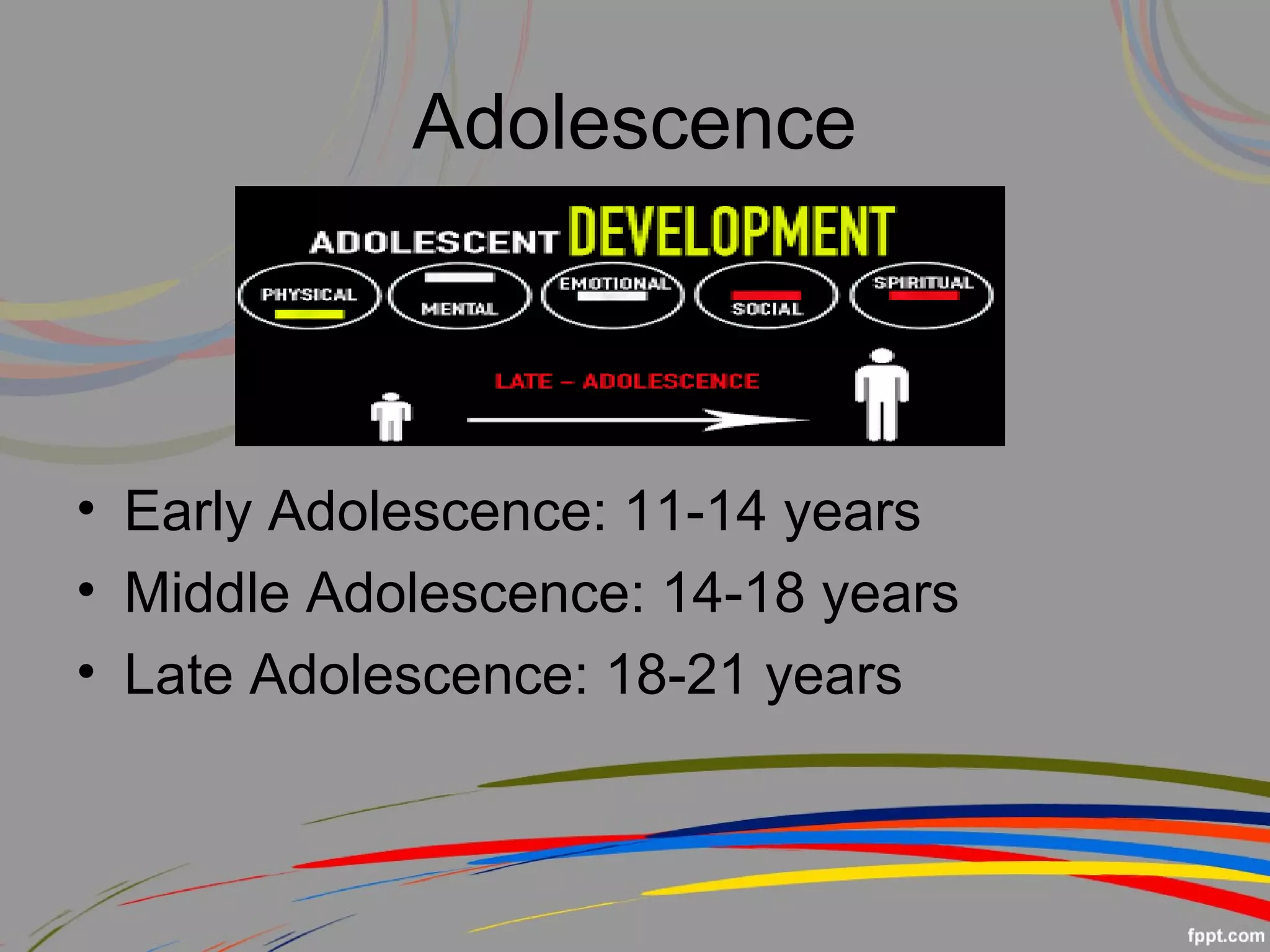
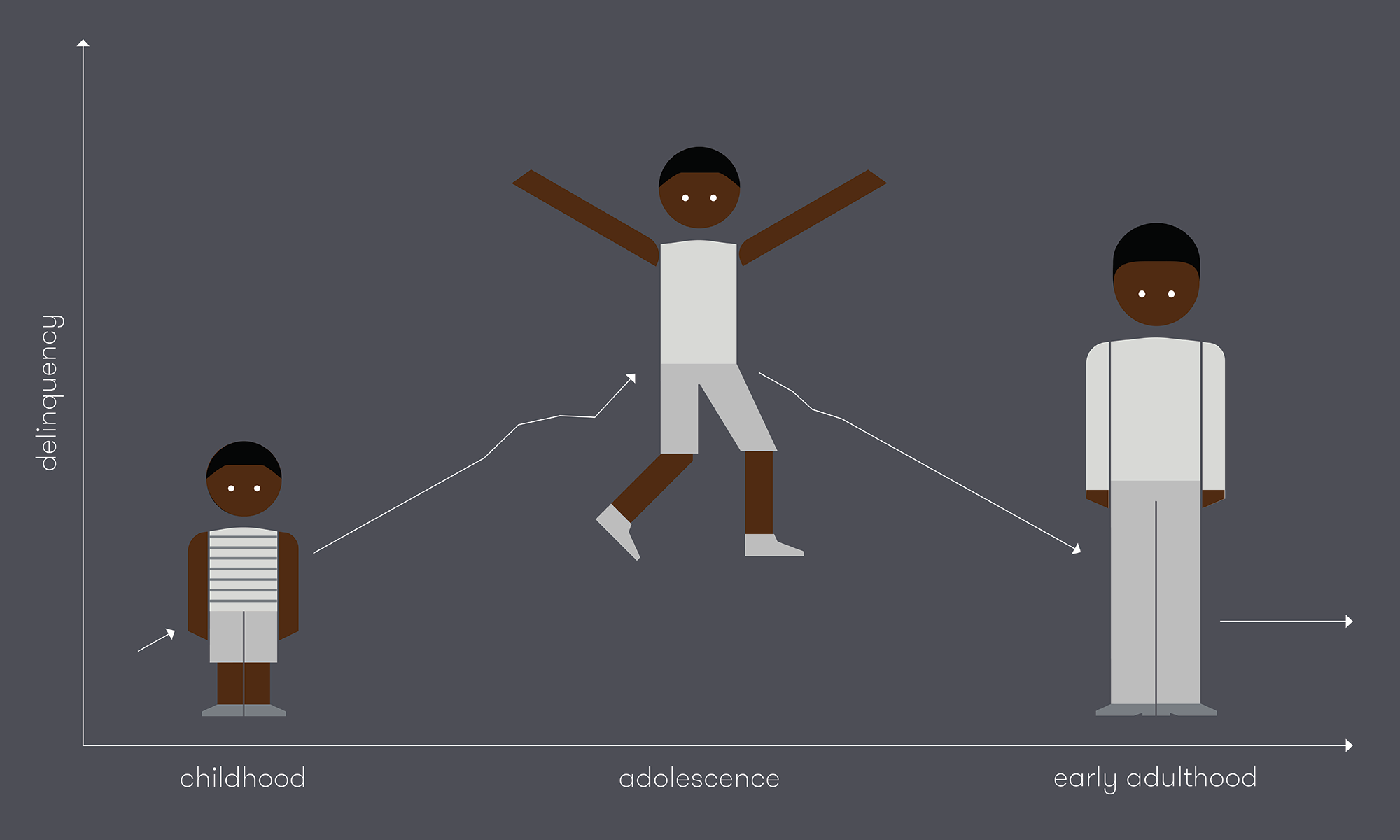
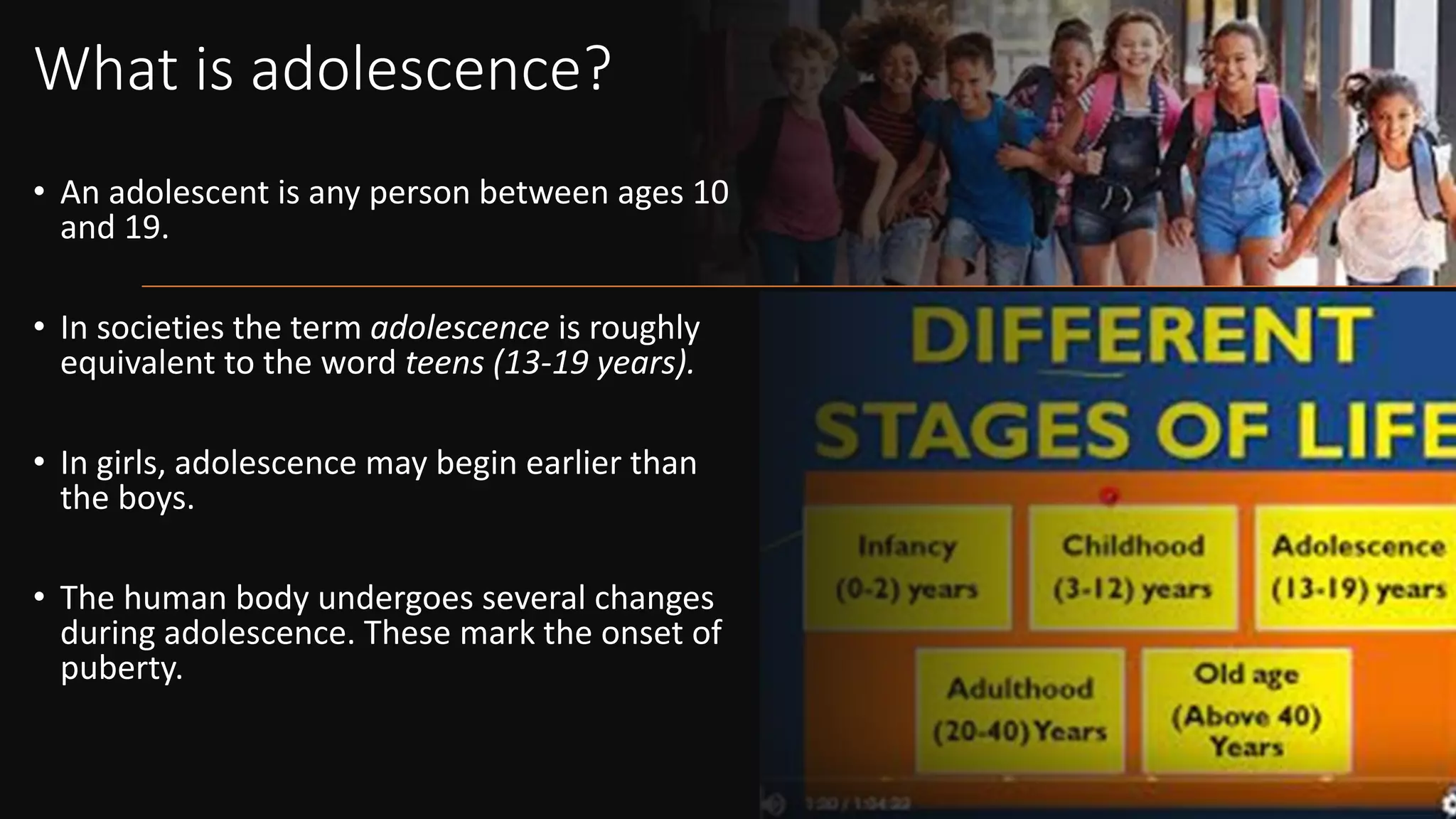
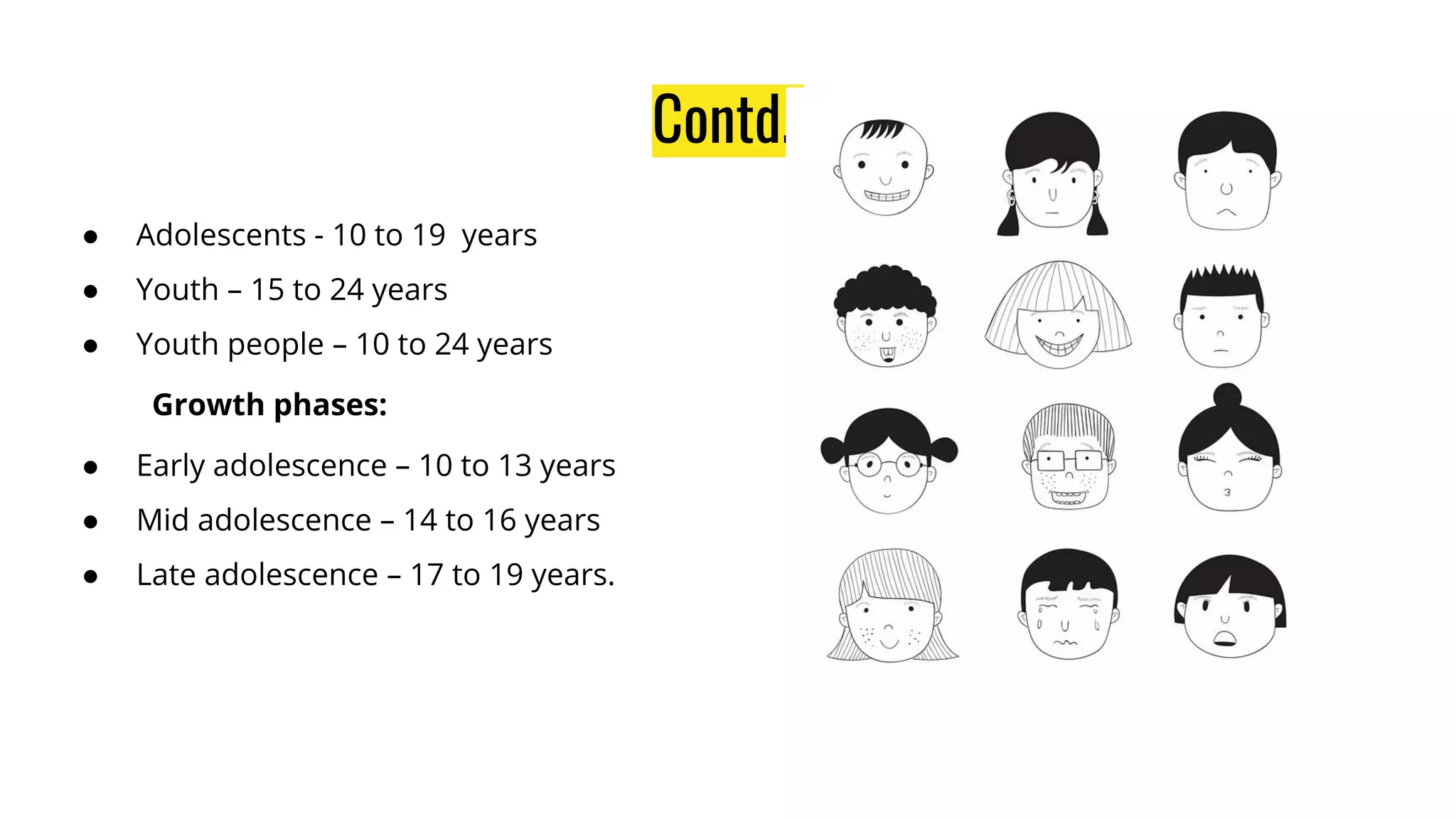
Adolescence status is a multifaceted developmental phase marking the transition from childhood to adulthood, typically spanning from ages 10 to 19, though neurobiological maturation often continues until the mid-20s. It is characterized by significant biological changes, cognitive shifts toward abstract reasoning, and a unique legal standing that balances protection with emerging autonomy.
The Biological Markers of Adolescence Status
The transition into adolescence status is primarily signaled by the onset of puberty. This biological process is triggered by the hypothalamus, which signals the pituitary gland to release hormones—specifically gonadotropins—that stimulate the ovaries in females and testes in males. In 2026, medical professionals continue to use the Tanner Scale to track these physical developments, which include growth spurts, changes in body composition, and the development of secondary sexual characteristics.
However, biological status is not limited to physical appearance. The "adolescent brain" is a distinct neurological state. Research confirmed through the mid-2020s emphasizes that the brain undergoes a process of "synaptic pruning" and myelination. The limbic system, which governs emotions and rewards, matures earlier than the prefrontal cortex, which is responsible for impulse control and long-term planning.
This neurological gap defines the "adolescence status" as a period of high neuroplasticity but also heightened vulnerability to risk-taking. In 2026, this understanding is crucial for educators and parents, as it shifts the perspective from viewing adolescent behavior as "rebellious" to seeing it as a predictable result of a brain under construction.
The Social and Psychological Construction of Identity
Beyond biology, adolescence status is a psychological construct centered on identity formation. According to Erik Erikson’s stages of psychosocial development, the primary conflict during this stage is Identity vs. Role Confusion. Adolescents experiment with different roles, belief systems, and social circles to determine who they are and where they fit in the world.
Social Autonomy and Peer Influence
One of the hallmarks of this status is the shift in primary attachment from parents to peers. This is not necessarily a rejection of family values but a necessary evolutionary step toward independence. In the social landscape of 2026, this peer interaction is heavily mediated by digital platforms. The status of an adolescent is often tied to their "digital footprint" and their ability to navigate complex online social hierarchies.
Emerging Adulthood
Psychologists increasingly recognize a sub-status known as "emerging adulthood," a term coined by Jeffrey Arnett. Because many individuals in 2026 remain in education longer and delay traditional milestones like marriage or homeownership, the "adolescence status" is frequently perceived to extend into the early 20s. This period is characterized by identity exploration, instability, and a focus on the self before taking on permanent adult responsibilities.
Legal Status and Rights of the Adolescent
The legal status of an adolescent is perhaps the most complex aspect of this life stage because it is not a binary switch from "child" to "adult." Instead, it is a graduated progression of rights and responsibilities that varies significantly by jurisdiction.
The Age of Majority
In most regions, the age of majority remains 18. At this point, the individual transitions from the status of a "minor" to a "legal adult," gaining the right to vote, enter into binding contracts, and make independent medical decisions. However, "adolescence status" legally begins much earlier, often around age 12 or 13, when certain limited rights are granted.
The Mature Minor Doctrine
Many legal systems in 2026 utilize the Mature Minor Doctrine. This allows adolescents who demonstrate sufficient intelligence and understanding to consent to certain medical treatments (such as vaccinations, mental health counseling, or reproductive healthcare) without parental permission. This legal status recognizes that cognitive capacity for specific decisions often precedes the chronological age of 18.
Criminal Responsibility
The legal status of an adolescent in the justice system is a point of ongoing debate. Because neurobiological research shows that the prefrontal cortex is not fully developed, many jurisdictions treat adolescent offenders differently than adults. This includes juvenile courts that focus on rehabilitation rather than punishment, recognizing that the "adolescence status" implies a diminished capacity for impulse control and a higher potential for reform.
Comparing Developmental Stages: Childhood vs. Adolescence vs. Adulthood
To better understand where adolescence status sits in the human life cycle, it is helpful to compare the core characteristics across the three primary stages of early life.
| Feature | Childhood (Ages 0-9) | Adolescence (Ages 10-19+) | Adulthood (Ages 20+) |
|---|---|---|---|
| Primary Brain Driver | Sensory & Emotional Development | Limbic System (Emotion/Reward) | Prefrontal Cortex (Logic/Control) |
| Social Focus | Family and Caregivers | Peer Groups and Social Identity | Career, Partners, and Community |
| Legal Status | Full Dependency (Minor) | Transitional (Minor with Rights) | Full Autonomy (Legal Adult) |
| Cognitive Ability | Concrete Thinking | Emerging Abstract Reasoning | Integrated Logic and Experience |
| Economic Status | Fully Dependent | Partially Dependent/Working | Self-Sufficient (Ideally) |
Navigating the Transition: Requirements for Healthy Development
Successfully navigating the status of adolescence requires more than just the passage of time. It requires a specific set of environmental supports that align with the adolescent's changing needs.
- Scaffolded Autonomy: Parents and mentors must provide "scaffolding"—offering support and boundaries that gradually recede as the adolescent demonstrates increased responsibility. This prevents the "identity foreclosure" that can occur when an adolescent is either given too much freedom too soon or kept in a state of total dependency.
- Safety to Fail: Because the adolescent brain is wired for risk-taking, the environment must allow for "low-stakes failure." This means providing opportunities to experiment with hobbies, social groups, and academic interests where the consequences of failure are not life-altering.
- Mental Health Support: Adolescence is a peak time for the emergence of mental health conditions, including anxiety and depression. Maintaining a healthy adolescence status in 2026 requires access to proactive counseling and a social environment that destigmatizes seeking help.
- Media Literacy: Given that a significant portion of an adolescent's social status is built online, digital literacy is a prerequisite for safety. Understanding how algorithms work and how digital interactions affect self-esteem is essential for modern adolescence.
Common Misconceptions Regarding Adolescence Status
There are several persistent myths that can hinder how society supports those in the adolescence stage. Addressing these is vital for accurate status assessment.
- "Adolescents are naturally irrational": While it is true that emotions run high, adolescents are often capable of very logical thinking when they are not in a state of high emotional arousal (known as "cold cognition").
- "Puberty is the only marker": Puberty is the physical start, but adolescence status is defined just as much by social expectations and brain maturation. A child who hits puberty early (precocious puberty) does not automatically gain the psychological status of an adolescent.
- "The stage ends at 18": As noted, the biological and economic reality of 2026 suggests that the transition to adulthood is a longer, more gradual process that frequently extends to age 25.
FAQ: Frequently Asked Questions About Adolescence Status
When does a person officially enter adolescence status?
Biologically, adolescence begins with the onset of puberty, which can occur as early as age 8 for girls or age 9 for boys, though age 10-11 is the average. Socially and educationally, it is often marked by the transition from primary to secondary school.
Can adolescence status be "extended" or "delayed"?
Yes. Factors such as malnutrition or chronic illness can delay the biological onset. Conversely, "extended adolescence" refers to the social phenomenon where individuals remain in the transitional phase (dependency, education-focused) well into their 20s due to economic or cultural factors.
What are the legal implications of being an adolescent in 2026?
The legal implications are tiered. Most 16-year-olds can drive and work limited hours. By 18, they attain full legal status in most countries. However, certain "adolescent" protections, such as staying on a parent's health insurance or receiving juvenile sentencing, may apply up until age 21 or 26 depending on the specific law.
How does the "Mature Minor" status work?
This status is usually determined by a healthcare provider or a judge. If an adolescent can demonstrate they understand the risks and benefits of a decision (such as a medical procedure) as well as an adult would, they may be granted the right to consent independently, bypassing parental notification in specific cases.
Why is risk-taking so common during this status?
Risk-taking is a result of the brain's "reward system" (dopamine) being highly sensitive while the "control system" (prefrontal cortex) is still developing. This makes the immediate thrill of a risk more powerful than the abstract fear of a long-term consequence.
Practical Steps for Supporting Adolescent Maturation
To ensure a successful transition through adolescence status, focus on fostering agency rather than just compliance. In 2026, this involves encouraging adolescents to participate in "real-world" challenges, such as community service, part-time jobs, or collaborative projects that have tangible outcomes.
Providing a stable "home base" while allowing for exploration is the most effective way to help an individual move from the dependent status of a child to the independent status of an adult. If you are a parent or guardian, aim to transition from a "manager" role to a "consultant" role as the adolescent nears the age of majority. This shift acknowledges their growing status and prepares them for the ultimate goal of the adolescent phase: a healthy, autonomous adulthood.