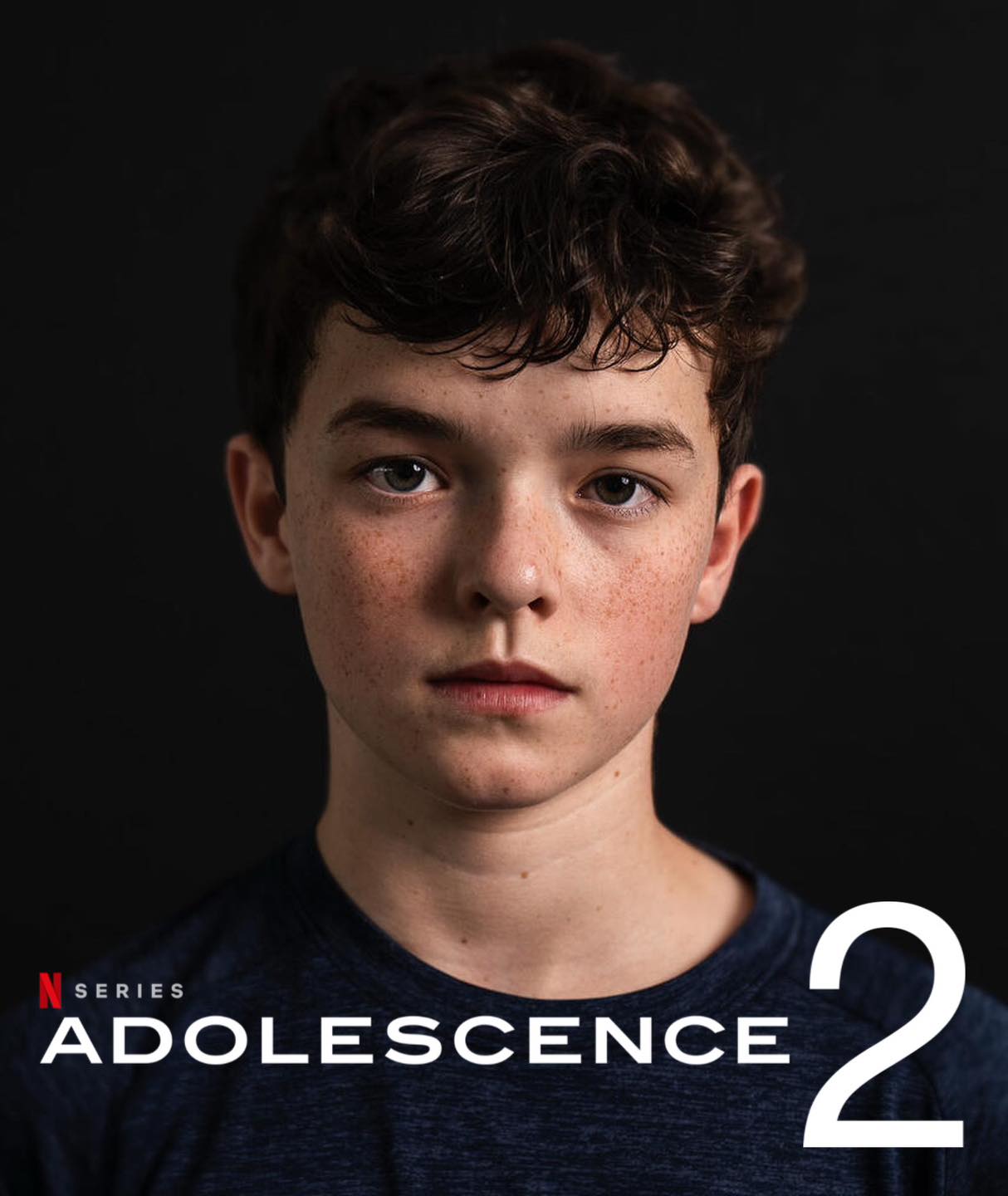
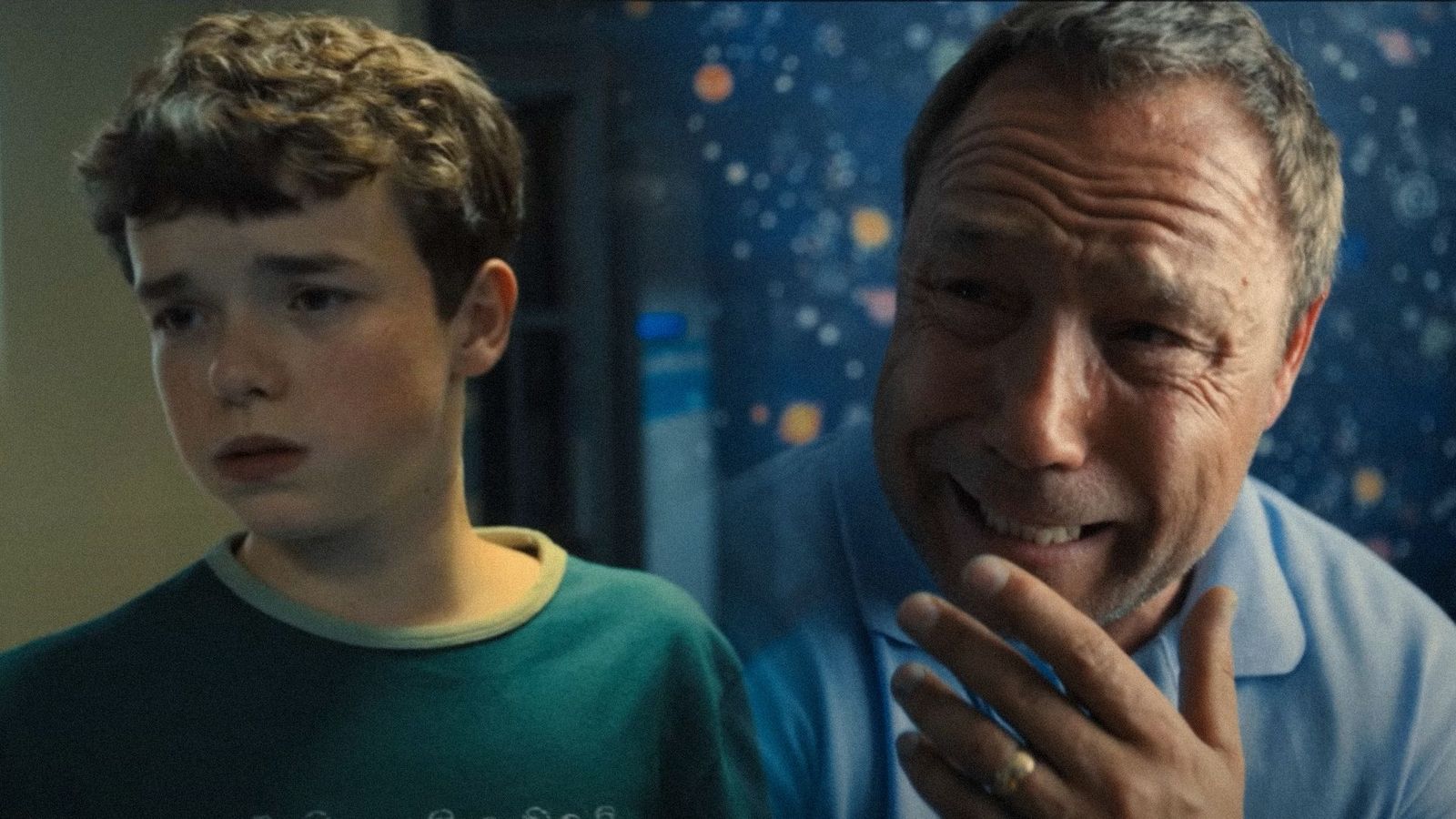
Adolescence on Netflix is a groundbreaking four-part limited crime drama that explores the harrowing aftermath of a teenage murder. Filmed in a continuous "one-shot" style, the series follows 13-year-old Jamie, who is accused of a brutal killing, and his family’s desperate navigation of the UK legal system.
The series represents a significant technical and narrative milestone for Netflix’s UK drama slate. Released to critical acclaim, it reunites the creative powerhouse of Stephen Graham and Jack Thorne, directed by Philip Barantini. In this explainer, we break down the complex premise, the innovative production techniques, and the central characters that drive this intense emotional journey.
The Core Premise: A Real-Time Legal and Family Crisis
The narrative of Adolescence centers on a singular, devastating event: the stabbing of a teenage girl and the subsequent arrest of a 13-year-old boy named Jamie. Unlike traditional crime procedurals that use time jumps or episodic structures to cover weeks of investigation, Adolescence unfolds in what feels like real-time. Each of the four episodes is designed to immerse the viewer in the immediate, suffocating pressure of a police investigation and the resulting legal proceedings.
The story begins with the arrest, but its primary focus is not merely "who did it." Instead, it examines the "how" and "why" behind a child being caught in the machinery of the justice system. The series meticulously tracks the first few hours of detention, the police interviews, and the impact on the family unit. By focusing on a protagonist who is only 13, the series leans into the complexities of the UK’s age of criminal responsibility, which remains one of the lowest in Europe at 10 years old.
The "one-shot" format—where each episode appears as a single, uninterrupted take—serves a narrative purpose beyond technical flair. It prevents the audience from looking away, forcing a visceral connection to the panic felt by the parents and the confusion of the child. This real-time progression ensures that every nuance of the legal process, from the reading of rights to the emotional breakdown in the interview room, is captured with unwavering intensity.
Technical Innovation: The One-Shot Narrative Format
Director Philip Barantini, known for the critically acclaimed film and series Boiling Point, brings his expertise in long-take cinematography to Adolescence. This technical choice is central to the show's identity. While many productions use "hidden cuts" to simulate a single shot, Adolescence utilizes genuine long takes that require immense choreography between the actors and the camera crew.
Why the One-Shot Style Matters
The use of the continuous shot is a deliberate choice to mirror the "no-escape" feeling of a police precinct and the legal system. In a standard drama, a cut allows the viewer to breathe or transition to a different perspective. In Adolescence, the lack of cuts mirrors the psychological state of the characters—there is no pause in their trauma.
Challenges of the Production
Filming in this manner required months of rehearsals. Every movement of the cast had to be synchronized with the lighting, sound, and camera operators. Because the series deals with a 13-year-old protagonist, the production had to balance these rigorous technical demands with the welfare of younger actors, ensuring the intense subject matter was handled responsibly on set. This achievement has positioned the series as a benchmark for technical ambition in television as of 2026.
Detailed Character Profiles: The Families and the Investigators
The strength of Adolescence lies in its ensemble cast, led by some of the UK’s most respected performers. The characters are not archetypes; they are deeply flawed, terrified individuals caught in an impossible situation.
Eddie Miller (Stephen Graham)
Eddie is Jamie’s father, a man whose world collapses the moment the police knock on his door. Stephen Graham delivers a powerhouse performance as a parent torn between unconditional love for his son and the horrifying possibility that his child might be a killer. Eddie’s journey is one of internal conflict, as he tries to protect Jamie from a system he doesn't fully understand while grappling with his own guilt and questions about his parenting.
Jamie (The Protagonist)
Played by a breakout young talent, Jamie is the 13-year-old at the eye of the storm. His character is written with a specific focus on the vulnerability of early adolescence. Throughout the series, the audience is left to interpret Jamie’s silences and outbursts. Is he a cold-blooded offender, or a scared child who has made a catastrophic mistake? The portrayal emphasizes the psychological toll of being a minor in a high-stakes adult environment.
Detective Inspector and Detective Sergeant
The investigative team, portrayed by actors such as Ashley Walters and Erin Doherty, represents the clinical but necessary arm of the state. Their characters provide the counterpoint to Eddie’s emotional desperation. They are tasked with finding the truth under immense public pressure, highlighting the procedural rigors and the ethical dilemmas of interviewing children.
The Legal Representation
The series also introduces a dedicated solicitor who specializes in youth justice. This character serves as the bridge between the audience and the complexities of the law, explaining the rights of the minor and the specific protections (or lack thereof) afforded to them under current statutes.
Production Pedigree: Graham, Thorne, and Barantini
The quality of Adolescence is a direct result of its creative trio. Stephen Graham and Jack Thorne have a long history of collaboration, most notably on the This Is England series and The Virtues. Thorne’s writing is celebrated for its empathy and social commentary, often focusing on the marginalized or those failed by institutions.
Philip Barantini’s direction provides the visual language that makes Thorne’s script so urgent. The partnership between Matriarch Productions (Graham’s production company) and Warp Films underscores a commitment to gritty, authentic British storytelling. This "verified" pedigree ensured that Netflix could market the series as a prestige drama, attracting viewers who value high-concept filmmaking alongside deep character studies.
Key Themes: Youth Justice and Parental Responsibility
Adolescence is more than a crime drama; it is a social interrogation. It forces viewers to confront uncomfortable questions about society’s role in shaping young people.
- The Age of Responsibility: The series directly addresses the controversy surrounding the prosecution of children. By showing the mechanical nature of the legal system, it asks if a 13-year-old can truly comprehend the gravity of a life-altering crime and the legal consequences that follow.
- Parental Guilt: A significant portion of the narrative is dedicated to the parents of both the victim and the accused. It explores the "what did I miss?" sentiment that haunts families after a tragedy.
- Systemic Pressure: The series illustrates how the police and legal systems operate under the microscope of social media and public outcry, which often demands swift retribution over nuanced justice.
Essential Series Overview and Cast Table
To help viewers keep track of the primary players and the series structure, the following table provides a verified breakdown of the key components of Adolescence.
| Character / Element | Role / Function | Key Performer |
|---|---|---|
| Eddie Miller | Father of the accused; central emotional lead. | Stephen Graham |
| Jamie | 13-year-old protagonist accused of murder. | Breakout Young Lead |
| Lead Detective | Senior officer managing the investigation. | Ashley Walters |
| Detective Sergeant | Primary interviewer and investigator. | Erin Doherty |
| The Victim | A teenage girl whose death triggers the plot. | Flashback / Reference |
| Format | Four-part limited series; "one-shot" style. | Directed by Philip Barantini |
| Writing Team | Socially-conscious crime drama specialists. | Jack Thorne & Stephen Graham |
| Setting | Contemporary UK urban environment. | UK Production (Netflix) |
FAQ: Understanding the Nuances of "Adolescence"
Is "Adolescence" based on a true story?
While the series is not a direct adaptation of a single specific case, it is heavily informed by real-world statistics and legal cases within the UK youth justice system. Writers Jack Thorne and Stephen Graham conducted extensive research into the procedures of the Crown Prosecution Service and the experiences of families involved in youth crime to ensure the series felt authentic and grounded in reality.
What does "one-shot" mean in the context of this show?
In Adolescence, "one-shot" means that each episode was filmed as a single continuous camera movement without visible cuts. This technique requires the actors to perform the entire episode's script (often 50–60 minutes) in one go. It creates a sense of "real-time" urgency, making the viewer feel like an observer in the room who cannot look away from the unfolding drama.
Why is the series only four episodes long?
The four-episode structure was chosen to maintain the high intensity of the one-shot format. A longer series would likely dilute the emotional impact of the real-time narrative. Each episode focuses on a specific stage of the immediate crisis: the arrest, the interview, the charge, and the initial legal fallout, providing a concise but exhaustive look at the critical "golden hours" of a criminal case.
Who are the creators behind the series?
The series was co-created and written by Stephen Graham and Jack Thorne. Graham is an acclaimed actor known for Boiling Point and Line of Duty, while Thorne is a prolific screenwriter known for His Dark Materials and Enola Holmes. The series was directed by Philip Barantini, who previously worked with Graham on the one-shot film Boiling Point.
What is the age of criminal responsibility mentioned in the show?
The show highlights that in England and Wales, the age of criminal responsibility is 10. This means that a child aged 10 or older can be arrested and charged with a crime in the same way an adult can, albeit with different court settings (Youth Court). Adolescence uses its 13-year-old protagonist to explore the emotional and psychological implications of this law.
Next Steps for Viewers: How to Approach the Series
If you are planning to watch Adolescence on Netflix, it is recommended to prepare for a high-intensity viewing experience. Because of the "one-shot" format, the pacing is relentless. It is best viewed in an environment where you can pay close attention to the dialogue and the subtle physical performances of the cast, as the lack of cuts means that every background movement and facial twitch is part of the storytelling.
For those interested in the technical side of filmmaking, watching the "making of" features often provided by Netflix can offer deep insight into the logistical marvel of filming 60-minute takes. Additionally, viewers interested in the social themes may find it helpful to look into the work of organizations like the Howard League for Penal Reform, which frequently discusses the very issues of youth justice that Adolescence so vividly portrays.