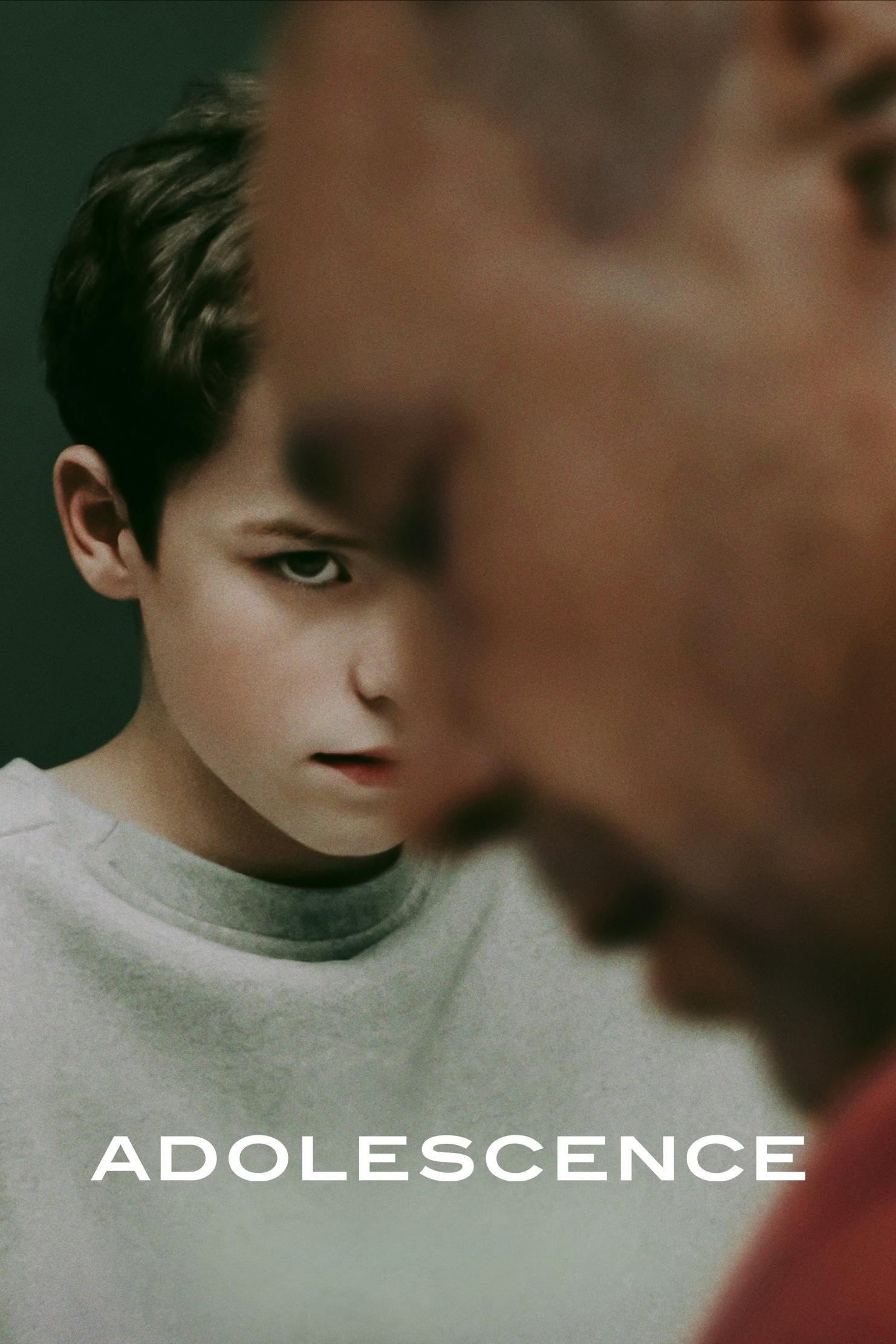
The Netflix limited series Adolescence consists of four episodes. Created by the acclaimed duo Stephen Graham and Jack Thorne, and directed by Philip Barantini, the drama is a high-stakes, real-time exploration of a family’s collapse following a murder accusation against their teenage son.
What Is the Netflix Series "Adolescence"?
As we look back at the standout television of the mid-2020s, Adolescence remains a pinnacle of British social realism and technical ambition. Released as a Netflix original, the series serves as a spiritual and technical successor to the 2021 film and subsequent series Boiling Point. It reunites the creative powerhouse of Stephen Graham and Philip Barantini, while adding the emotional depth of screenwriter Jack Thorne, known for His Dark Materials and The Virtues.
The series is not a typical coming-of-age story despite its title. Instead, it is a harrowing crime drama that examines the intersection of youth, the British legal system, and the fragile bonds of a family under extreme duress. Set in a grey, atmospheric corner of the UK, the narrative follows a father (played by Graham) as he navigates the immediate aftermath of his son being arrested for the murder of a peer. The "adolescence" referred to here is one stripped of innocence, forced to confront the absolute finality of the adult justice system.
What differentiates this production from other procedural dramas is its commitment to "real-time" storytelling. Every frame is designed to pull the viewer into the visceral anxiety of the characters, ensuring that the tension never dissipates between scenes.
How Many Episodes Are in "Adolescence"?
Adolescence is structured as a four-part limited series. Each episode is roughly 60 minutes long, creating a tight, four-hour narrative arc that is best consumed as a "binge-watch" to maintain the emotional momentum established by its unique filming style.
Unlike many Netflix series that opt for eight or ten episodes, the creators chose a shorter format to ensure the "one-shot" gimmick—where each episode appears as a single, continuous take—remained effective without becoming exhausting or narratively thin. This four-episode structure allows for a focused exploration of the four distinct stages of the immediate crisis:
- The Arrest and Initial Shock: The chaotic moments following the police intervention.
- The Interrogation: A claustrophobic look at the legal hurdles and the first cracks in the family’s defense.
- The Discovery: The uncovering of evidence and the shifting perspectives of the parents.
- The Resolution: The final legal and emotional fallout of the accusation.
By keeping the series to four episodes, the production maintains a frantic pace that mirrors the heartbeat of its protagonists. There is no "filler" content; every minute is dedicated to the escalating stakes of the murder investigation.
What to Expect: The "One-Shot" Technical Marvel
The most talked-about aspect of Adolescence is its technical execution. Following the success of Boiling Point, director Philip Barantini utilized a continuous-shot technique for the entirety of the series. To understand what to expect, viewers should prepare for an immersive experience that feels more like a stage play or a documentary than a traditional television show.
The Real-Time Pacing
Because each episode is filmed in real-time, the audience experiences every second of the characters' trauma. When a character is left alone in an interrogation room for five minutes, the audience feels that duration. This creates a unique form of "vulnerability-by-proxy," where the viewer cannot escape the discomfort of the situation any more than the characters can.
Seamless Transitions
While the episodes are presented as continuous takes, the technical precision required to move between locations—police stations, family homes, and dark alleyways—is immense. Expect a visual style that is fluid and kinetic. The camera acts as an invisible observer, often hovering close to the actors' faces to capture the minute details of their performances.
Emotional Intensity
The combination of Jack Thorne’s writing and Stephen Graham’s acting ensures that the technical gimmick never overshadows the human story. Thorne is a master of writing "broken" characters who are trying to do the right thing under impossible circumstances. You should expect a narrative that is emotionally taxing, focusing heavily on themes of parental guilt, the failure of social safety nets, and the inherent biases of the criminal justice system.
The Cast and Creative Pedigree
The success of Adolescence is largely attributed to the pedigree of its creators. Stephen Graham, who stars in and executive produces the series through his production company, Matriarch Productions, has become a symbol of high-quality British drama.
- Stephen Graham: Playing the father of the accused, Graham delivers a performance rooted in desperation and denial. His ability to convey internal conflict through subtle facial expressions is utilized to its fullest extent by the long-take format.
- Jack Thorne: As the co-writer, Thorne brings his signature empathy for the marginalized. His scripts often highlight the complexities of the UK's social structures, making Adolescence as much a critique of the system as it is a character study.
- Philip Barantini: The director’s experience in managing high-pressure, single-take environments ensures that the series avoids the "motion sickness" or staged feel that sometimes plagues continuous-shot projects.
The series also features a breakout performance from the young actor portraying the son, whose task of maintaining a single-take performance during intense interrogation scenes is a highlight of the show.
Series Overview and Technical Specifications
To help you prepare for your viewing session, the following table summarizes the key components of the series as of its 2026 standing.
| Feature | Details |
|---|---|
| Platform | Netflix |
| Total Episodes | 4 |
| Average Runtime | 60 Minutes per episode |
| Genre | Crime Drama / Social Realism |
| Filming Style | Continuous "One-Shot" / Real-Time |
| Lead Actor | Stephen Graham |
| Creators | Stephen Graham & Jack Thorne |
| Director | Philip Barantini |
| Primary Theme | Juvenile Justice and Family Crisis |
Viewing Requirements and Content Warnings
Before diving into Adolescence, it is important to understand the tone and requirements for the best experience.
Content Warnings
The series is rated for mature audiences. It contains:
- High Emotional Distress: The depiction of a family losing their child to the legal system is intense and unrelenting.
- Strong Language: Typical of gritty British crime dramas.
- Depictions of Violence: While the murder itself is mostly discussed rather than shown, the aftermath and the forensic details are graphic.
- Psychological Pressure: The interrogation scenes are designed to be claustrophobic and may be triggering for some viewers.
Technical Recommendations
Because of the one-shot nature of the series, the sound design is incredibly layered. To fully appreciate the "real-time" atmosphere—the distant sirens, the muffled conversations in other rooms, and the heavy breathing of the protagonists—it is highly recommended to watch with high-quality headphones or a surround-sound system. The audio is a character in itself, grounding the visual experiment in a believable reality.
Comparison: Adolescence vs. Boiling Point
Many viewers approach Adolescence because of its connection to Boiling Point. While they share a director and a lead actor, the two projects differ significantly in their stakes.
Boiling Point used the one-shot technique to simulate the "pressure cooker" environment of a professional kitchen. The stakes were professional and personal, but largely contained within one night of service. In contrast, Adolescence uses the same technique to simulate a "life-shattering" event. The stakes are existential; if the protagonists fail to navigate the next four hours correctly, their lives are effectively over.
While Boiling Point was frantic and kinetic, Adolescence is often quiet and devastating. The one-shot technique here is used less for "energy" and more for "honesty," forcing the camera to stay on the characters during the long silences and moments of realization that a traditional edit would likely cut away from.
Frequently Asked Questions
Is "Adolescence" based on a true story?
While the series feels incredibly realistic and is informed by Jack Thorne’s extensive research into the British legal system, Adolescence is a work of fiction. It is designed to represent the "composite reality" of many families who find themselves caught in the juvenile justice system, but it does not depict a specific historical case.
Will there be a Season 2 of "Adolescence"?
As a "limited series," Adolescence was designed with a definitive beginning, middle, and end. The story of this specific family and this specific legal case is concluded within the four episodes. While Netflix occasionally expands limited series into anthologies, there are currently no plans for a direct sequel.
Where was "Adolescence" filmed?
The series was primarily filmed on location in the United Kingdom, specifically utilizing the industrial and residential backdrops of Sheffield and surrounding areas. The locations were chosen for their ability to facilitate the long, continuous takes required for the production.
Can I watch the episodes out of order?
No. Because the series takes place in real-time and each episode follows the immediate chronological aftermath of the previous one, watching them in order is essential. The narrative relies on the accumulation of stress and the gradual revealing of information that only works in sequence.
How does the "one-shot" technique work in a four-episode series?
Each of the four episodes is a single, continuous take. This means the actors and crew had to perform roughly 60 minutes of action without stopping. Between episodes, there are narrative jumps (e.g., moving from the home to the police station), allowing each episode to serve as its own "real-time" window into the story.
Final Recommendation for Viewers
If you are a fan of high-intensity drama that prioritizes performance and technical innovation, Adolescence is essential viewing. It is a demanding show that requires your full attention; the real-time format means that missing even a few minutes can result in losing the "thread" of the tension the director has carefully built.
To get the most out of the experience, clear a four-hour window to watch the series in its entirety, or at the very least, watch it in two-episode blocks. The emotional payoff is deeply tied to the feeling of being "trapped" with the characters, a sensation that is broken if the series is watched in short, disconnected segments. Prepare for a masterclass in acting from Stephen Graham and a sobering look at the complexities of youth and justice in modern Britain.