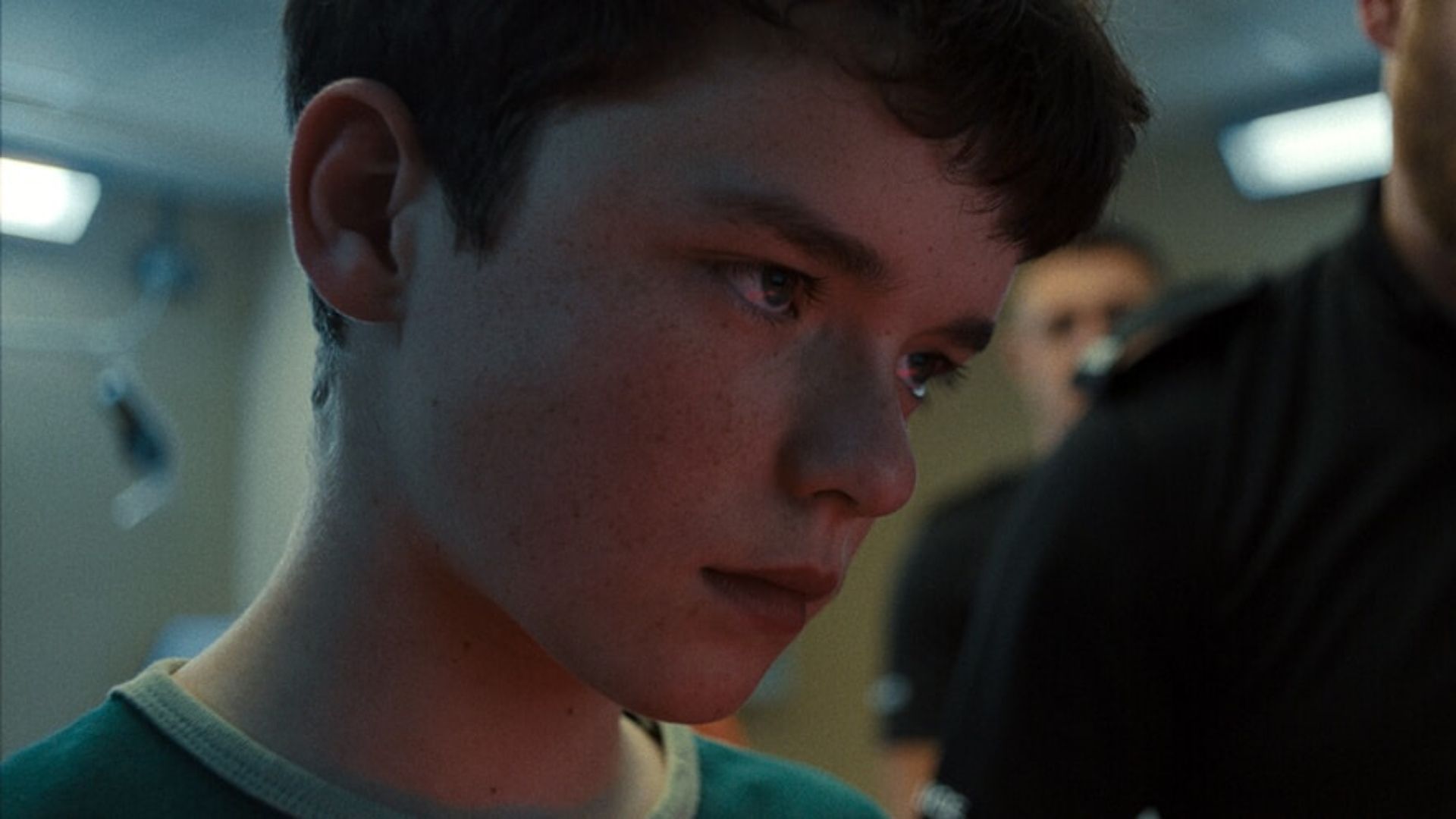
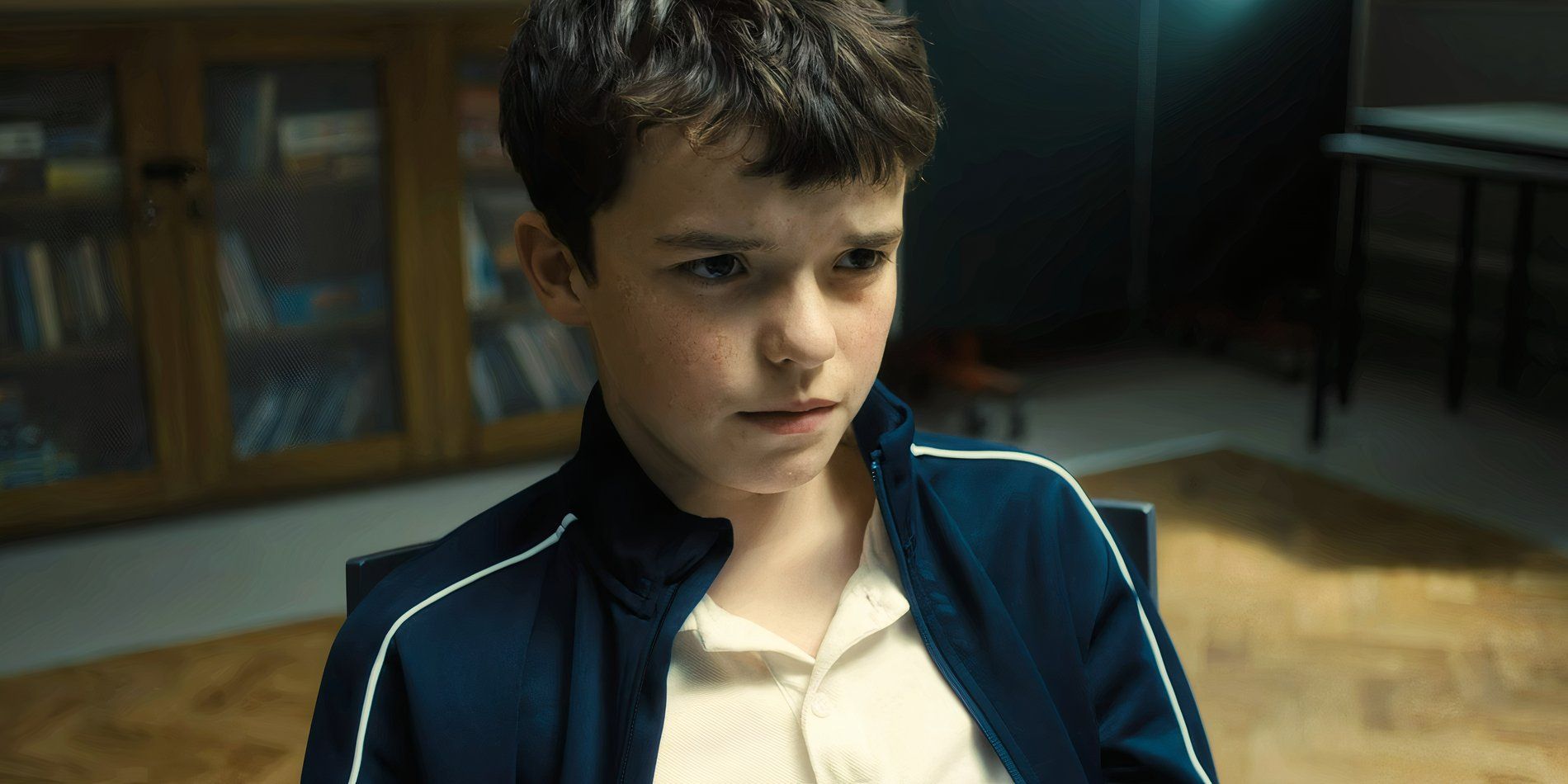
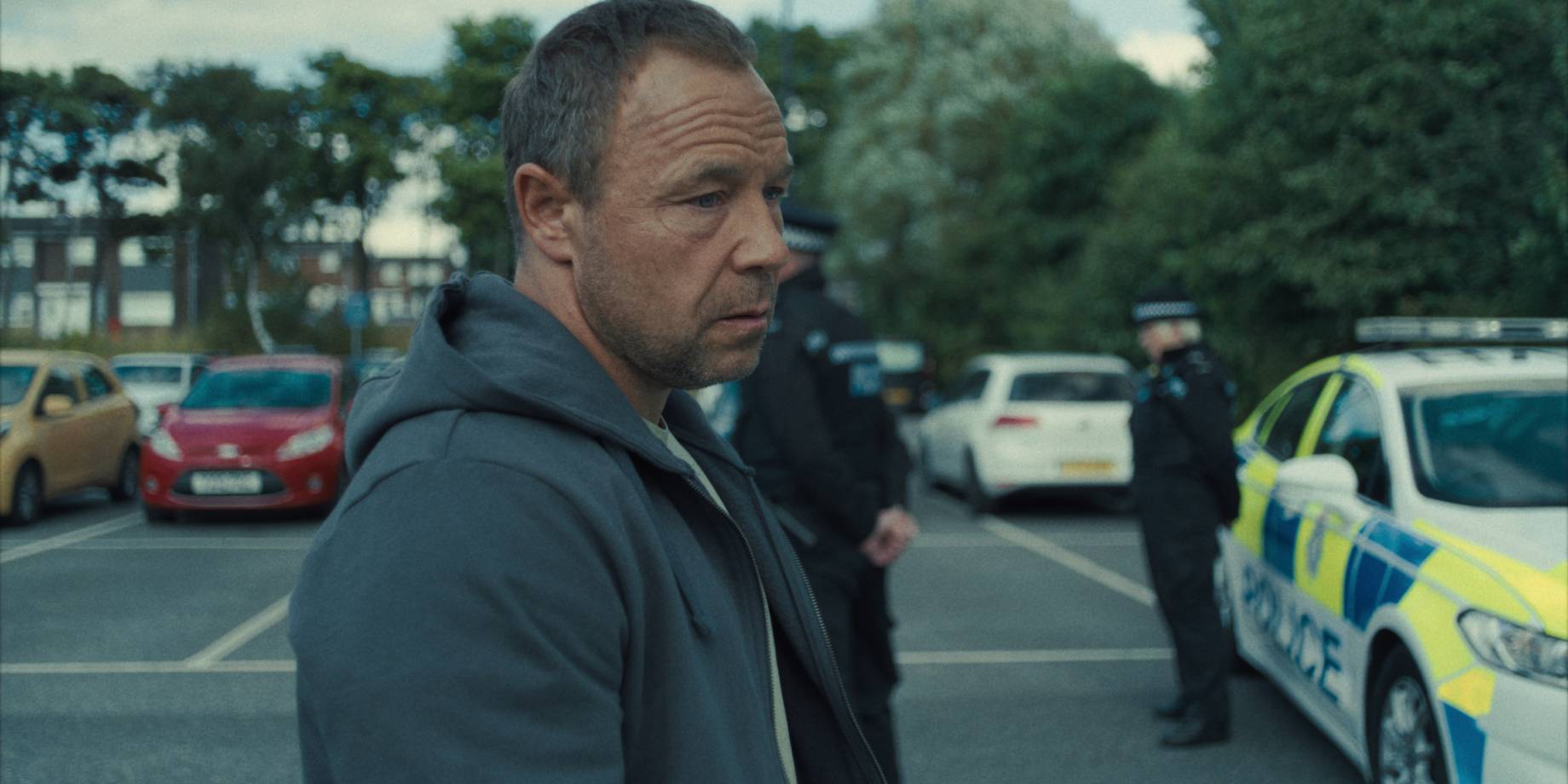
The untold story behind the Netflix series Adolescence centers on its unprecedented technical ambition: a four-part limited series where each hour-long episode was filmed in a single, continuous take. This logistical feat required months of choreographed rehearsals, custom-built sets with removable walls, and a high-stakes performance environment where a single error at minute 50 could scrap an entire night’s work.
Created by the powerhouse duo of Stephen Graham and Jack Thorne, and directed by Philip Barantini, Adolescence arrived on Netflix as a spiritual and technical successor to their previous collaboration, Boiling Point. However, where the former was a 90-minute frantic burst in a kitchen, Adolescence expanded the "one-shot" conceit into a sprawling, emotionally taxing family crime drama. As we look back from 2026, the series remains a benchmark for how immersive technology and traditional acting can fuse into a singular viewing experience.
The Vision Behind the Lens: Why the "One-Shot" Format?
The decision to film Adolescence in real-time was not merely a gimmick; it was a narrative choice designed to trap the audience in the same suffocating tension as the characters. The story follows a family dealing with the aftermath of a harrowing murder investigation involving their teenage son. By removing the safety net of the "cut," the creators forced the audience to live through every second of the family's panic, grief, and confusion.
Stephen Graham, who both co-wrote and starred in the series, emphasized that the format was essential for capturing the raw, unfiltered performances required for such a heavy subject. Jack Thorne’s script had to be meticulously timed. In a traditional production, a writer can rely on editing to fix pacing issues. With Adolescence, the script served as a musical score; every line, pause, and movement had to be perfectly synchronized to ensure the episode didn't run too long or end prematurely.
Director Philip Barantini brought his expertise from Boiling Point to manage the immense scale of this production. Unlike his previous work, which was confined to a restaurant, Adolescence required the camera to move through various locations, including domestic interiors, police stations, and outdoor environments. This necessitated a level of pre-production planning rarely seen in television history.
The Logistics of a 60-Minute Take: Mapping the Choreography
The "untold story" of the production is largely one of invisible labor. For every actor on screen, there were dozens of crew members moving just out of the camera's sightline. The choreography of Adolescence was more akin to a Broadway play than a standard film shoot.
The Role of the "Invisible" Crew
In a continuous take, the crew must be as mobile as the actors. Sound recordists used specialized boom rigs that could be passed between operators as the camera moved from room to room. Focus pullers worked remotely, often hidden in cupboards or behind false walls, monitoring the feed via high-definition wireless transmitters. The "steadi-cam" operator, perhaps the most vital physical participant, had to undergo rigorous physical conditioning to carry a 40-pound camera rig for 60 minutes straight without a break.
Set Design and Engineering
One of the most impressive behind-the-scenes secrets involved the physical sets. To accommodate the fluid movement of the camera, the production team built sets with "silent" sliding walls. As the camera followed an actor through a doorway, a team of carpenters would silently slide a wall out of the way to allow the camera operator to swing around and capture a different angle, then slide it back before the character turned around. This required surgical precision; if a wall creaked or a shadow was cast by a crew member, the entire take was ruined.
Technical Hurdles: Lighting and Sound in Motion
One of the greatest challenges in one-shot filmmaking is lighting. In a standard scene, lighting is optimized for a specific angle. In Adolescence, the camera often rotated 360 degrees within a single room.
The cinematography team utilized "practical lighting"—light sources that are actually part of the set, such as desk lamps, ceiling fixtures, and streetlights. These were all rigged to a central dimming board, allowing a lighting technician to subtly adjust the intensity and color temperature in real-time as the camera moved, ensuring that the actors were always perfectly exposed without the equipment ever being seen.
Sound design posed a similar challenge. With no opportunity to "clean up" audio in post-production through traditional ADR (Automated Dialogue Replacement) without breaking the flow, the on-set recording had to be flawless. Actors wore multiple hidden microphones, and the sound team had to account for the acoustic changes as the characters moved from small, carpeted bedrooms to echoey police corridors.
Comparative Production Specs: Adolescence vs. Traditional Drama
To understand the scale of what was achieved, it is helpful to compare the production requirements of Adolescence with a standard Netflix procedural drama.
| Feature | Standard Drama Episode | Adolescence (One-Shot) |
|---|---|---|
| Rehearsal Time | 1–2 weeks | 3–5 months |
| Shooting Days | 8–12 days | 4 nights (per episode) |
| Cuts/Edits | 400–600 | 0 (per episode) |
| Camera Operators | Multiple | 1 (Primary) |
| Set Requirements | Static | Modular/Kinetic |
| Actor Preparation | Scene-by-scene | Full-play memorization |
Casting for Endurance: The Emotional Toll on the Ensemble
The cast, led by Stephen Graham, faced a unique set of pressures. In a traditional shoot, if an actor fumbles a line in the final minute of a scene, they simply "go again." In Adolescence, fumbling a line in the final minute of the episode meant that an hour of work from 100 people was wasted.
This created a "pressure cooker" environment that, while stressful, resulted in some of the most authentic acting ever captured on film. The exhaustion seen on the characters' faces toward the end of each episode was often real. The ensemble had to maintain a high level of emotional intensity without the usual breaks provided by lighting resets or lens changes.
The production employed "swing" actors and specialized understudies who were present for every rehearsal, not just to step in for illness, but to help the primary cast maintain their energy levels during the grueling months of preparation. The mental stamina required was compared by the cast to "running a marathon while reciting Shakespeare."
Behind the Scenes Secrets: The Moments That Nearly Ruined the Take
Despite the months of preparation, live production is never perfect. Several "untold" incidents nearly forced the production to restart. In one instance, a prop door jammed during a pivotal scene. The actor, thinking quickly, used the malfunction to show their character’s frustration, kicking the door open—a move that was kept in the final cut and praised for its raw energy.
Another challenge was the weather. Filming on location in the UK meant dealing with unpredictable rain. For the outdoor sequences, the crew had to have "rain teams" ready just out of frame to wipe down the camera lens with specialized air-blowers to prevent water droplets from obscuring the shot. If the rain became too heavy, the lighting would no longer match the previous 40 minutes of footage, forcing a total reset.
The Impact of the Matriarch and Warp Films Partnership
The success of Adolescence was largely due to the synergy between Matriarch Productions (founded by Stephen Graham and Hannah Walters) and Warp Films. This partnership prioritized creative risk-over-commercial safety. Netflix’s willingness to fund a project with such a high potential for technical failure marked a significant moment in the streaming giant's history, signaling a move toward "prestige technical" content.
By the time the series concluded its run in 2025, it had not only garnered critical acclaim but also served as a case study for film schools globally. The "Adolescence Model" of production proved that with enough rehearsal and technical ingenuity, the barriers between television and live theater could be permanently blurred.
Frequently Asked Questions
Was Adolescence actually filmed in one shot or are there hidden cuts?
Unlike films like 1917 or Birdman, which used "hidden cuts" disguised by whip-pans or dark frames, Adolescence was genuinely filmed in single, continuous takes for each episode. There are no digital stitches; what you see is a live, 60-minute performance captured by a single camera team.
How many times did they have to restart an episode?
On average, each episode took four to five "full" attempts to get a perfect take. Some nights were lost to technical glitches, such as a microphone failing or a light not triggering, while others were abandoned due to external noise interference on location.
Did Stephen Graham write the series specifically for this format?
Yes. Stephen Graham and Jack Thorne developed the script with the one-shot format in mind from the beginning. The pacing of the dialogue and the physical movement of the characters were written to facilitate a continuous camera flow, ensuring the story never felt stagnant despite the lack of editing.
Where was Adolescence filmed?
The production took place primarily in the UK, utilizing a mix of real locations and a massive, specially designed soundstage for the complex interior sequences. The transition between the soundstage and the exterior locations was one of the most guarded secrets of the production, involving seamless physical transitions.
Is there a "making of" documentary for Adolescence?
Netflix released a companion featurette titled The Long Walk, which provides a deep dive into the rehearsals and the technical rig used by the camera operators. It showcases the incredible physical effort required to maintain the shot for an hour.
Moving Beyond the Screen: How to Appreciate the Craft
To truly appreciate the "untold story" of Adolescence, viewers are encouraged to watch the series a second time, focusing not on the dialogue, but on the edges of the frame. Pay attention to how the lighting changes as characters move, how the sound remains consistent, and how the camera anticipates movement before it happens. This level of synchronization is the result of thousands of hours of work that occurs entirely off-camera. For aspiring filmmakers, studying the blocking of Adolescence provides a masterclass in spatial awareness and technical discipline.