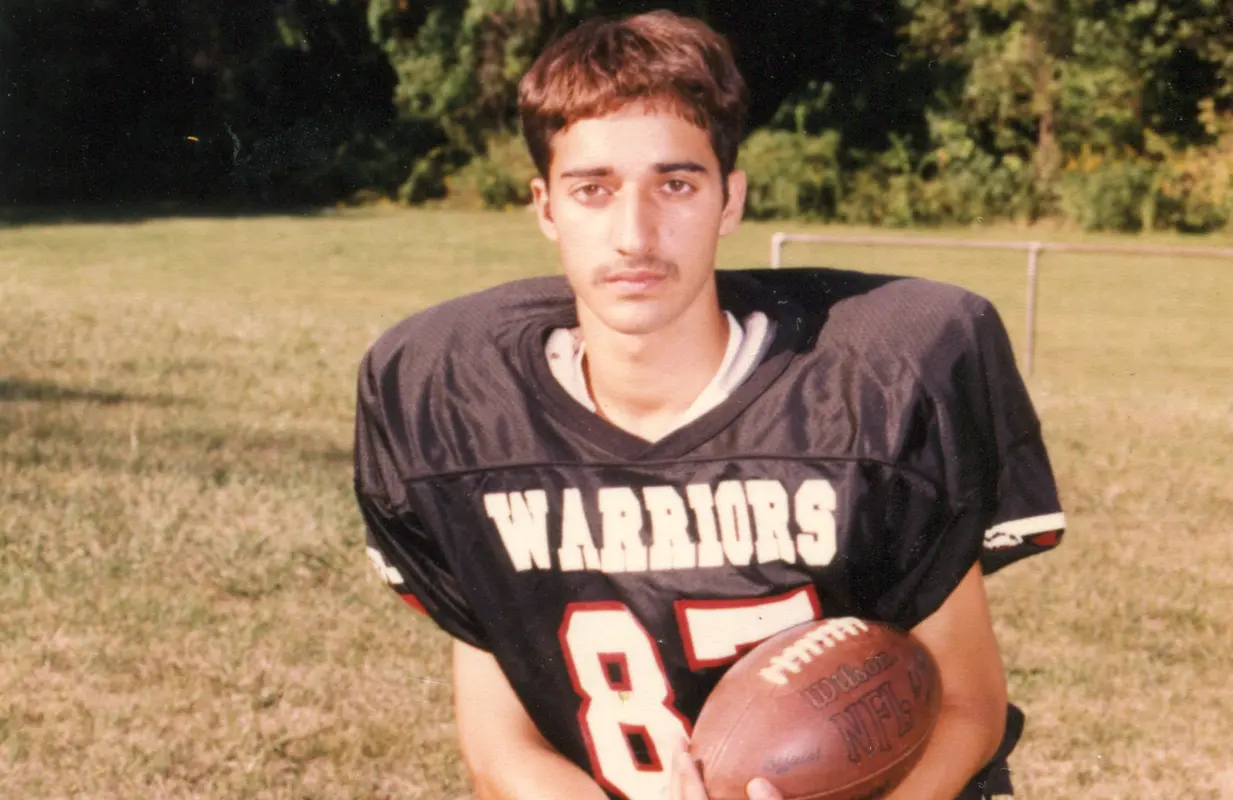
The 1999 murder of Hae Min Lee and the subsequent conviction of Adnan Syed became a global phenomenon due to the investigative rigor of the 2014 Serial podcast. The case centers on the shifting narratives of the prosecution’s star witness, the lack of physical evidence linking Syed to the crime scene, and the prolonged legal battle that ultimately led to his conviction being vacated in 2022.
The Disappearance and Discovery of Hae Min Lee
On January 13, 1999, Hae Min Lee, an 18-year-old student at Woodlawn High School in Baltimore County, Maryland, vanished after school. Her disappearance prompted an immediate search, which ended on February 9, 1999, when her partially buried body was discovered in Leakin Park. The medical examiner determined the cause of death to be manual strangulation.
Adnan Syed, Lee’s ex-boyfriend, was arrested on February 28, 1999. The state's case relied heavily on the testimony of Jay Wilds, an acquaintance of Syed, who claimed that Syed had confessed to the murder and enlisted his help in burying the body. The prosecution posited a motive rooted in honor-based anger following their breakup. Despite Syed’s consistent claim of innocence—maintaining he was at school and the public library during the critical afternoon hours—he was convicted of first-degree murder, kidnapping, and robbery in 2000, receiving a life sentence plus 30 years.
The Phenomenon of the Serial Podcast
In 2014, journalist Sarah Koenig released the first season of the Serial podcast, which revisited the 1999 case with unprecedented detail. The podcast introduced millions of listeners to the inconsistencies in the state’s timeline, the reliability of witness testimonies, and the potential existence of an alibi witness, Asia McClain, who claimed to have seen Syed at the library during the time the state argued he was murdering Lee.
Serial did not definitively declare Syed innocent, but it highlighted procedural failures, such as the absence of DNA testing on critical items like fingernail clippings and the questionable cell tower ping data used to track Syed’s location. The podcast transformed the case from a local Maryland legal matter into an international debate on the American judicial system’s reliance on testimony over forensic evidence.
Legal Challenges and the Path to Exoneration
Following the exposure provided by the media, Syed’s legal team, led by attorney C. Justin Brown, filed a series of appeals. The primary focus of these efforts was the ineffective assistance of counsel during the original trial, particularly the failure of Syed’s defense attorney, Cristina Gutierrez, to contact Asia McClain.
By the late 2010s, forensic advancements provided a new avenue for defense. In 2022, prosecutors from the Baltimore City State’s Attorney’s office, in conjunction with defense attorneys, filed a motion to vacate Syed’s conviction. This motion cited two previously undisclosed suspects and the failure of investigators to turn over exculpatory evidence to the defense, a violation of the principles set forth in Brady v. Maryland. In September 2022, Syed’s conviction was vacated, and he was released from prison.
Comparison of Critical Case Elements
| Case Component | State’s 1999 Theory | Post-Conviction Findings (2022) |
|---|---|---|
| Primary Evidence | Jay Wilds’ testimony | Undisclosed exculpatory material |
| Physical Evidence | Cell site location information | DNA not matching Syed on key items |
| Witnesses | State-sanctioned witness accounts | Overlooked alibi (Asia McClain) |
| Suspects | Syed was the sole perpetrator | Two other potential, undisclosed suspects |
The Role of Forensic Technology in Post-Conviction
The evolution of DNA testing played a pivotal role in the final stages of the legal proceedings. By 2022, modern forensic technology allowed for the re-examination of DNA evidence collected from the crime scene, including items of clothing. The results failed to identify Syed’s DNA profile on the victim’s belongings. This, combined with the discovery that law enforcement had possessed information about other potential suspects but failed to disclose it to the original defense team, created a legal landscape where the conviction could no longer be sustained.
Procedural Missteps in the 1999 Investigation
The investigation was characterized by a heavy reliance on a single cooperating witness. Retrospective analysis by legal scholars and the defense has identified several "red flags" that plagued the initial case:
- The Cell Phone Timeline: The prosecution’s timeline relied on cell tower data that the service provider explicitly stated should not be used for location tracking.
- Witness Vetting: Jay Wilds’ statements changed significantly during his multiple interviews with police, yet these inconsistencies were not fully addressed during the original trial.
- Disclosure Obligations: The discovery of notes in the State’s Attorney’s files regarding a potential threat against Lee by another individual undermined the prosecution’s narrative that Syed acted alone.
Frequently Asked Questions
Did the Serial podcast directly cause Adnan Syed's release?
The podcast was the catalyst for public interest and investigative scrutiny, which brought the case to the attention of new legal counsel and forensic experts. While the podcast itself was not a legal document, its investigative work highlighted the gaps in the state’s evidence, which were later formally addressed in court filings.
What is the Brady rule mentioned in this case?
The Brady rule, stemming from the Supreme Court case Brady v. Maryland, requires the prosecution to disclose all exculpatory evidence—evidence that might exonerate the defendant—to the defense. In 2022, prosecutors admitted that this rule was violated when they failed to share notes about other suspects with Syed’s original team.
Is the case against Adnan Syed officially closed?
As of 2026, the conviction remains vacated. While there have been various procedural motions in appellate courts regarding the victim's family's right to participate in hearings, the core conviction against Syed was set aside based on the lack of constitutional fairness in the original 2000 trial.
Was DNA evidence ever found?
Yes, DNA was collected during the original investigation, but it was not tested at the time. When it was finally subjected to modern forensic analysis in 2022, the results did not link Syed to the items tested.
What happened to Jay Wilds?
Jay Wilds served as the state’s main witness. His involvement has remained a subject of intense controversy for decades. He has not faced charges related to his involvement in the disposal of the body, and he has maintained his version of events as provided during the original trial.
Moving Forward: The Importance of Due Process
The story of Adnan Syed serves as a landmark case study for the importance of transparency in the justice system. For individuals or researchers looking to understand the legal nuances of wrongful conviction cases, the most effective next step is reviewing the official court records and transcripts of the State v. Syed vacatur motion. These documents provide the clearest evidence of how the judicial system corrects errors when the requirements of fairness and evidentiary disclosure are fully applied.