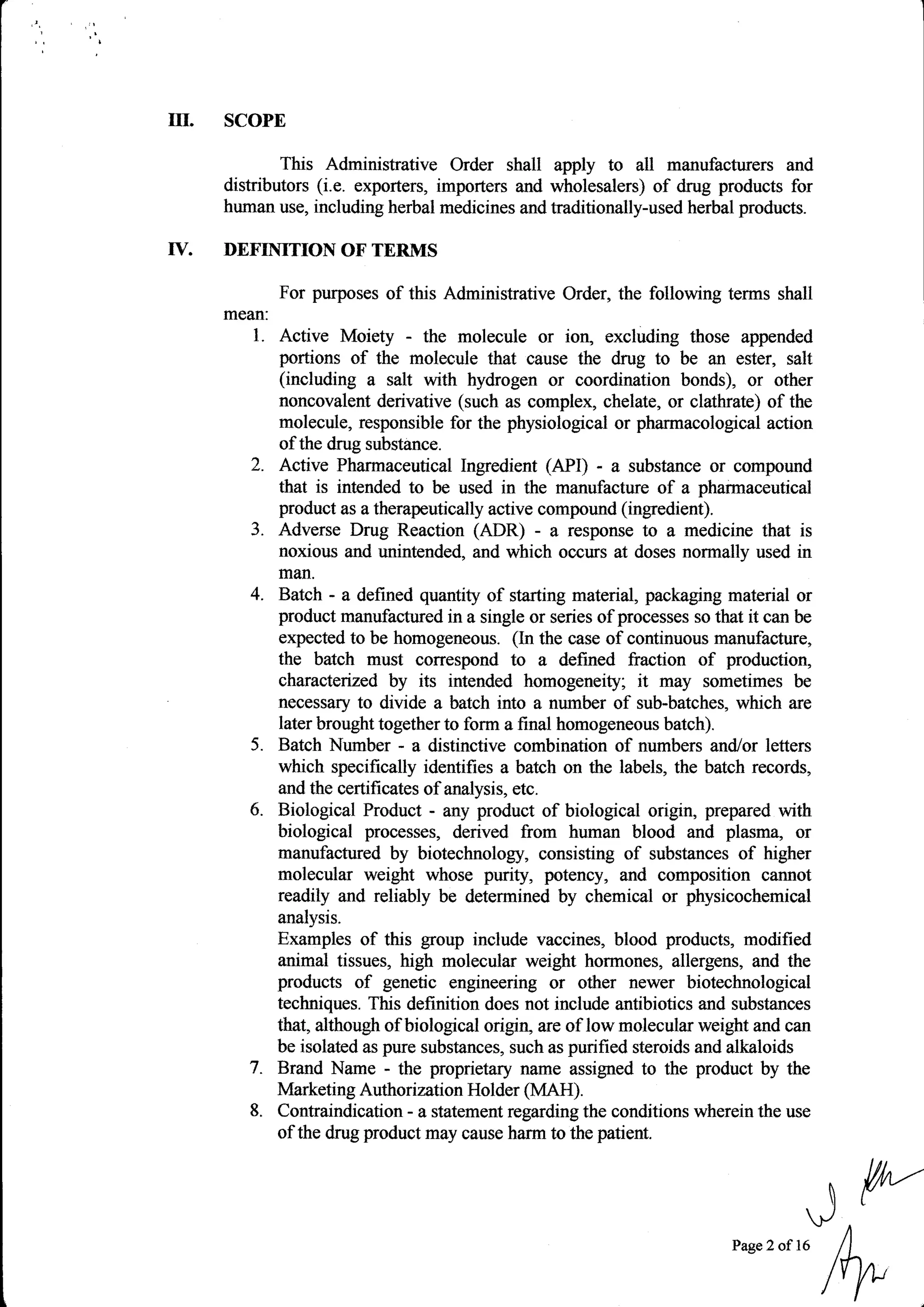
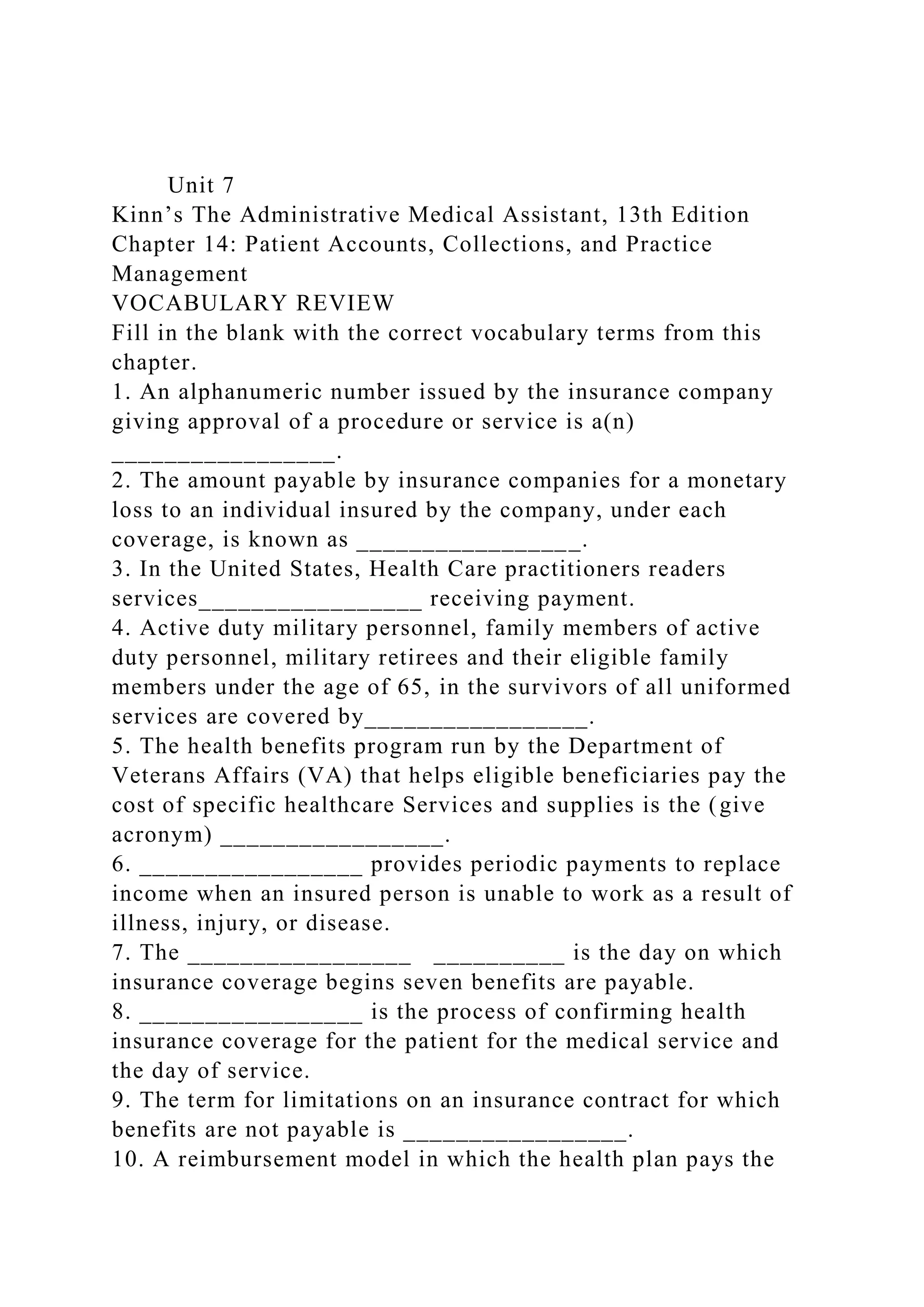
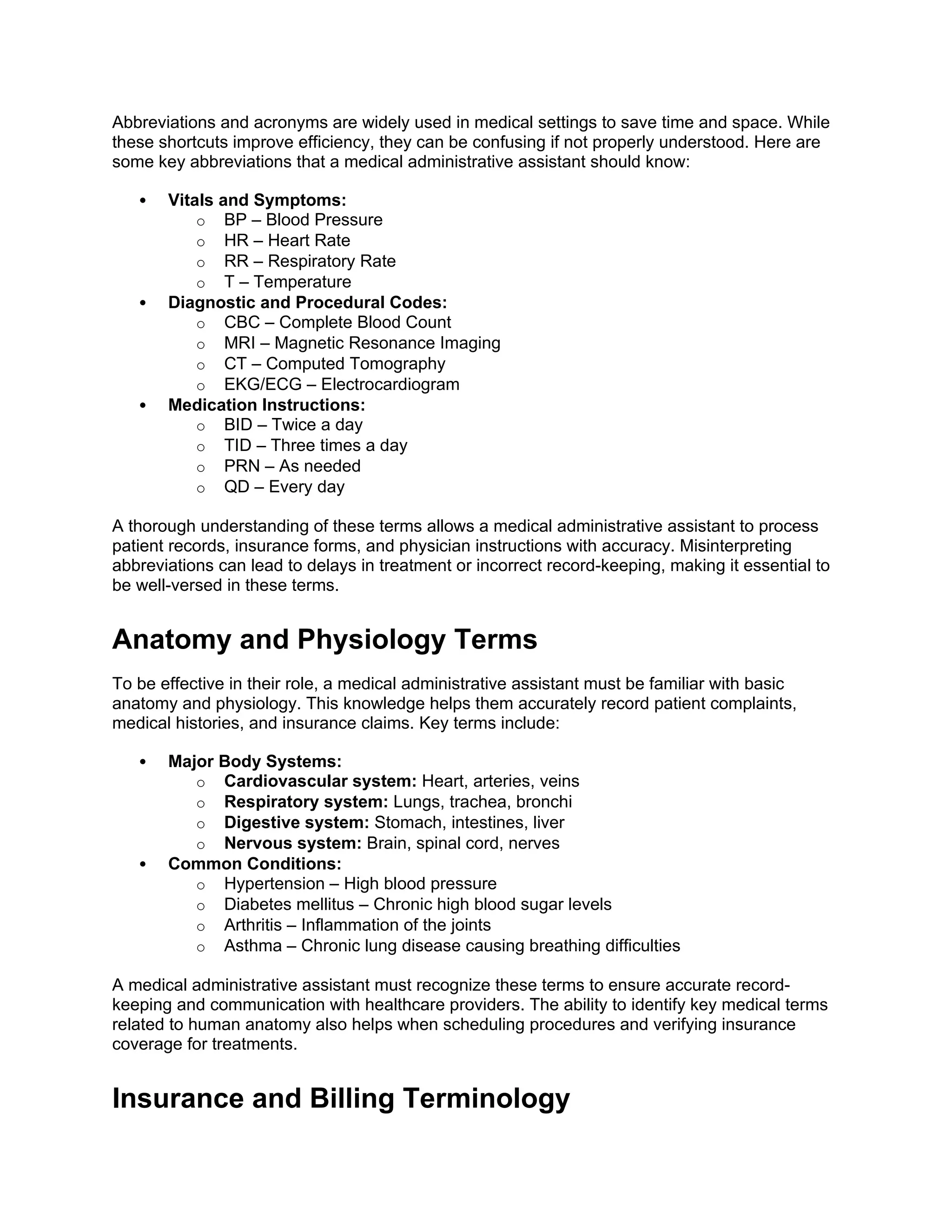
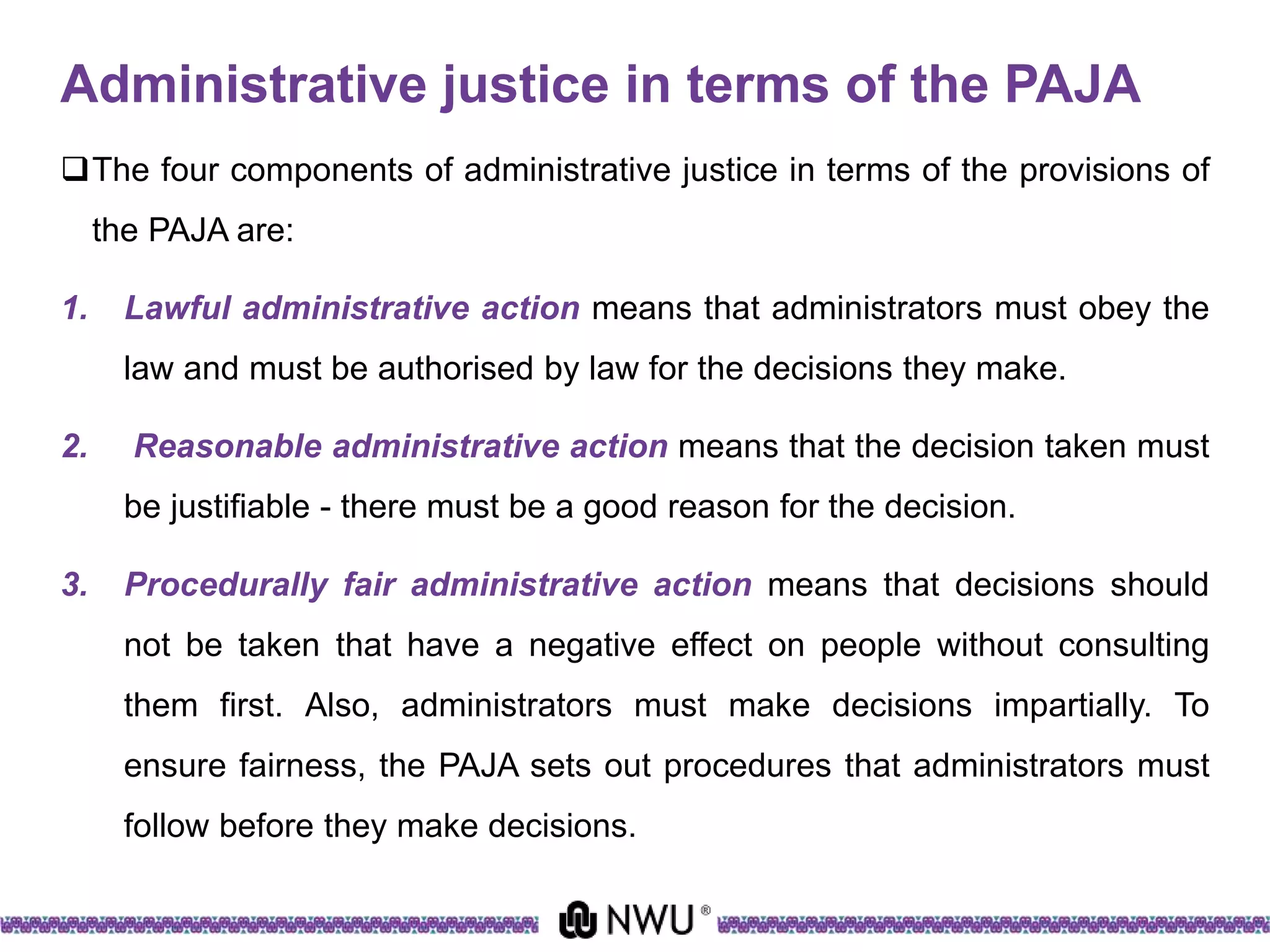
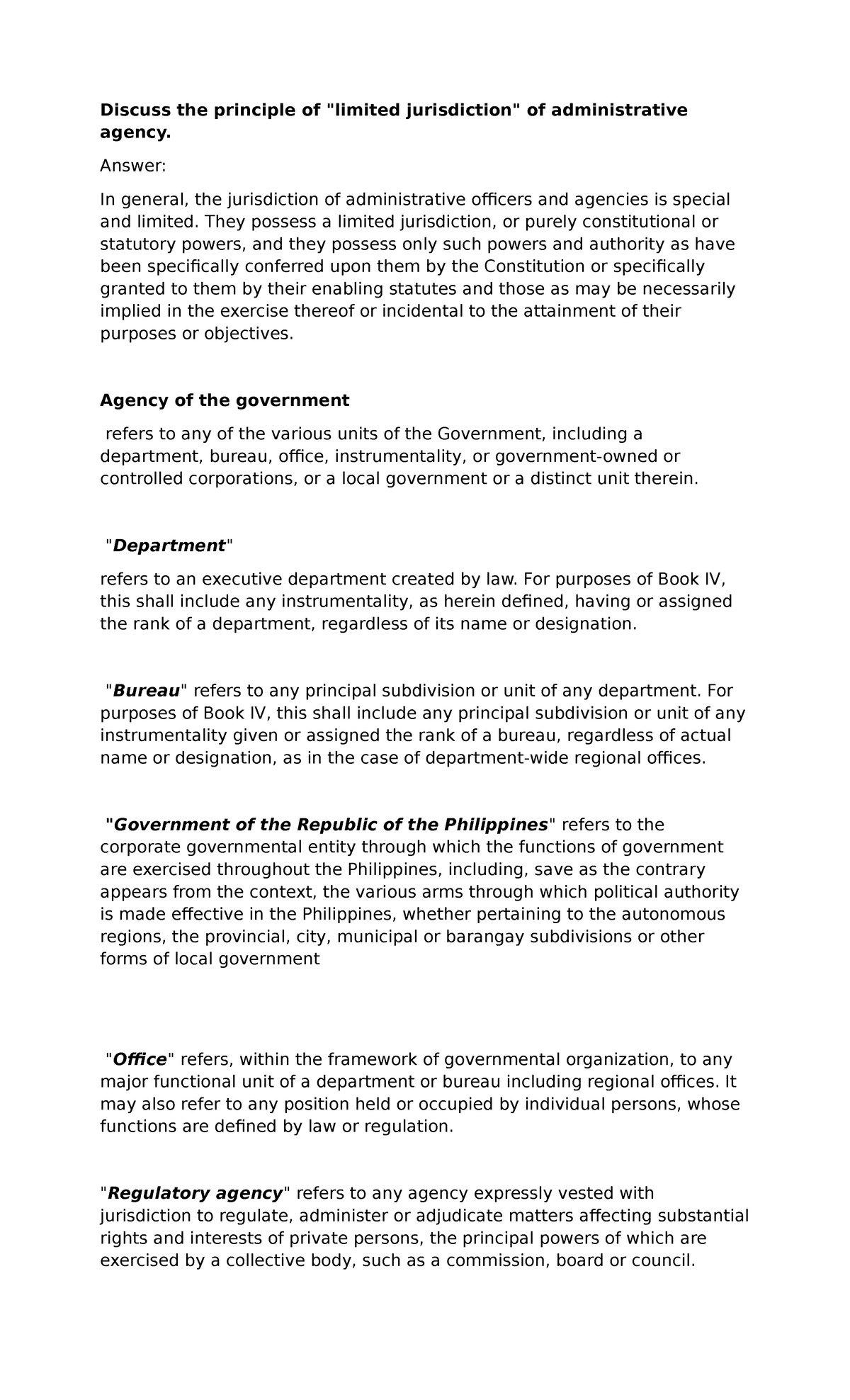
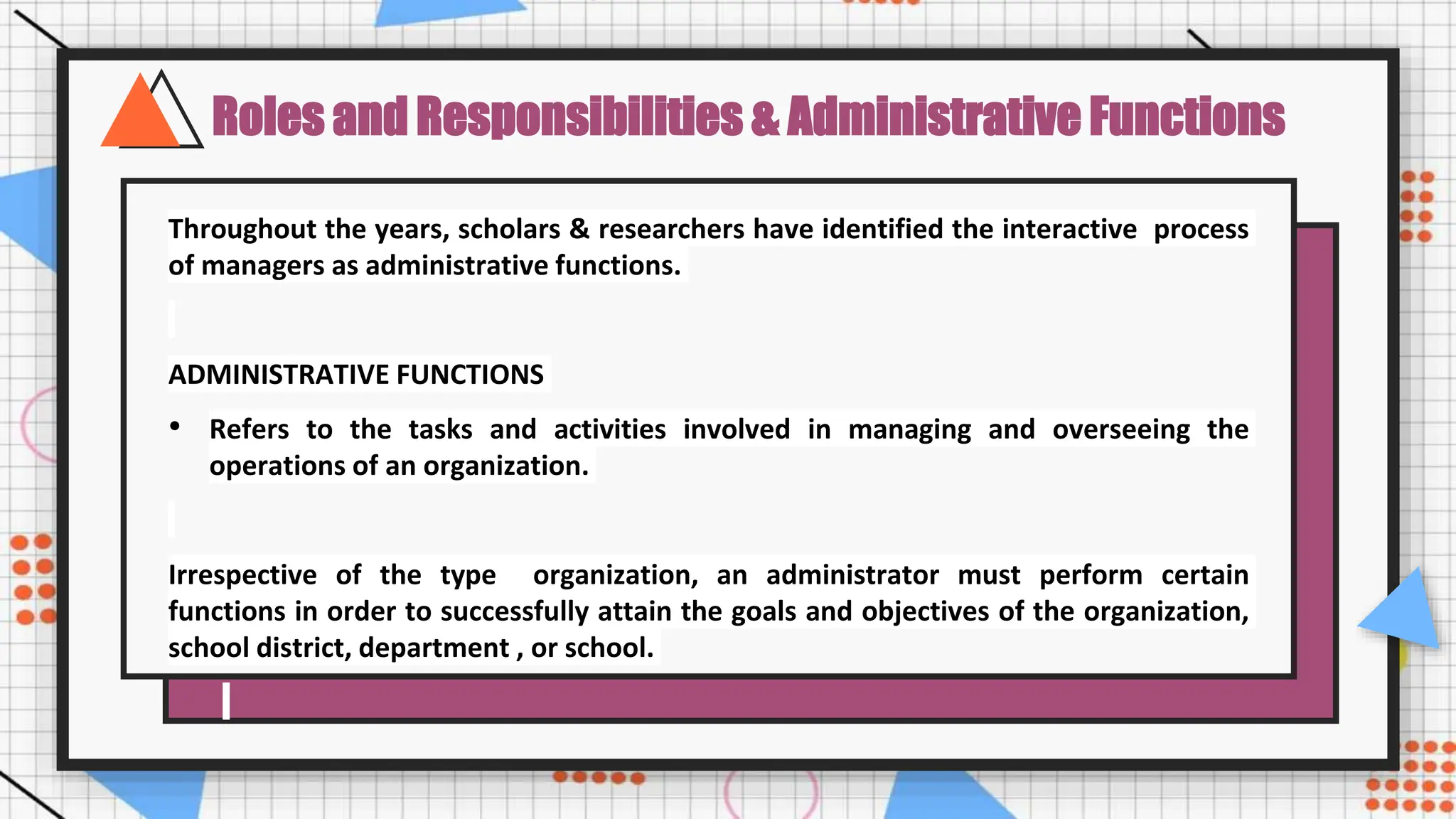
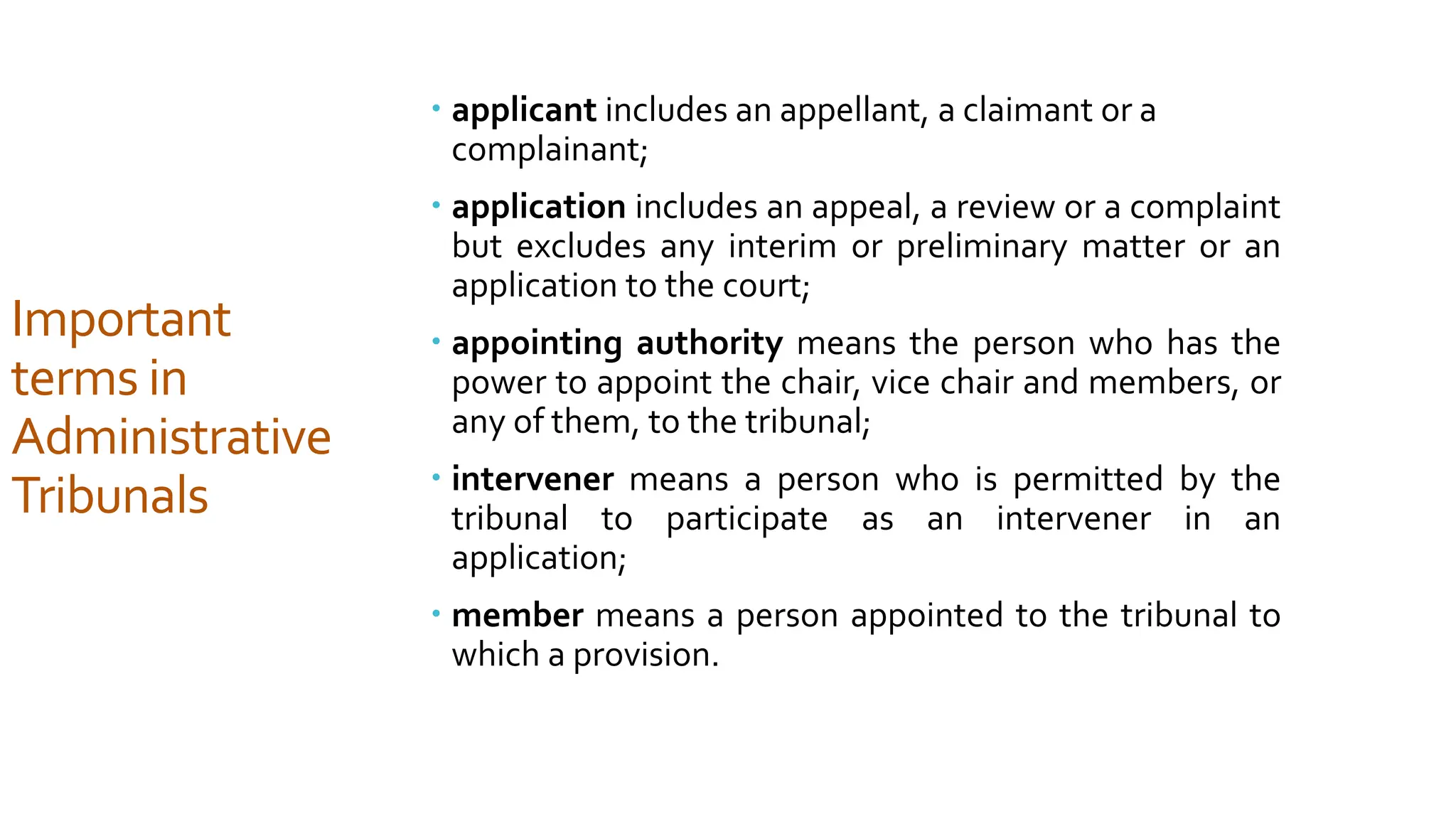
Administrative terms refer to the specialized language, definitions, and contractual clauses used to govern organizational, legal, and operational processes. Mastering these terms is essential for ensuring clarity in workplace communication, executing binding contracts, and maintaining compliance with regulatory standards. By establishing a shared vocabulary, organizations minimize ambiguity, reduce the risk of litigation, and improve the efficiency of daily administrative workflows.
The Role of Standardized Vocabulary in Operations
Language serves as the backbone of any administrative infrastructure. In corporate, government, and legal environments, administrative terms function as a formal lexicon that standardizes how tasks are defined, how responsibilities are assigned, and how disputes are mediated. When a team utilizes a consistent set of definitions, they effectively eliminate the "interpretation gap" that often leads to project delays or failed service delivery.
Beyond simple communication, these terms provide a structural framework for institutional memory. By codifying definitions for processes like "probationary periods," "standard operating procedures," and "delegated authority," an organization ensures that its operations remain stable even as personnel change. This stability is critical for long-term auditing and reporting, as it allows stakeholders to review past activities with a clear understanding of the rules that governed them at the time.
Critical Categories of Administrative Terminology
To navigate the administrative landscape effectively, one must recognize that terms are generally partitioned into specific functional categories. Understanding these domains helps professionals identify which rules apply to which scenario.
1. Human Resources and Personnel Terms
These terms govern the relationship between an employer and an employee. Key examples include "at-will employment," "exempt vs. non-exempt status," and "fiduciary duty." These definitions determine compensation structures, legal protections, and reporting hierarchies.
2. Contractual and Procurement Terms
When engaging in business transactions, terms like "force majeure," "indemnification," "liquidated damages," and "time is of the essence" become vital. These terms allocate risk between parties and specify the consequences of performance failure.
3. Compliance and Regulatory Terms
These are dictated by external bodies, such as governmental agencies or industry regulators. Terms like "due diligence," "compliance audit," "statute of limitations," and "conflict of interest" are non-negotiable standards that ensure an organization operates within the bounds of the law.
Comparative Overview of Common Administrative Clauses
The following table highlights essential administrative terms frequently found in professional contracts and internal policies, providing a concise reference for their typical function.
| Term | Context | Primary Function |
|---|---|---|
| Indemnification | Legal/Contract | Protects one party from liability for losses incurred by the other. |
| Force Majeure | Contractual | Relieves parties from performance due to unforeseeable, catastrophic events. |
| Due Diligence | Operational | The systematic investigation of a company or person before signing a contract. |
| Fiduciary Duty | Governance | The legal obligation of one party to act in the best interest of another. |
| Severability | Legal/Policy | Ensures a contract remains valid even if one clause is found unenforceable. |
| Statute of Limitations | Legal | Defines the maximum time allowed for legal action to be initiated. |
Prerequisites for Implementing Administrative Procedures
Before an organization can standardize its administrative terminology, it must establish a foundation of clear communication and documentation. Implementing these terms effectively requires three key prerequisites:
First, an organization must conduct a formal audit of its existing documentation. This involves gathering employee handbooks, vendor contracts, and internal bylaws to identify where inconsistencies in language occur. If the HR department defines "full-time employment" as 35 hours while the benefits provider defines it as 40, this conflict must be resolved to avoid systemic errors.
Second, there must be a centralized "Source of Truth." This is often a living document or a digital knowledge base that defines the organization’s administrative glossary. This repository should be easily accessible to all department heads to ensure that when a memo is drafted or a contract is reviewed, the terminology used remains aligned with institutional policy.
Third, stakeholders must be trained in the application of these terms. Merely having a glossary is insufficient if the staff does not understand the nuance of when to use specific legal or operational terminology. Regular training workshops, particularly for those in procurement, management, and legal oversight, serve to keep the organization unified in its professional language.
Managing Risks and Ambiguity in Administrative Writing
A significant risk in any administrative context is the presence of ambiguous language. Ambiguity in a contract or policy document is rarely intentional, but it is often costly. Courts typically apply the principle of contra proferentem, which dictates that any ambiguity in a contract is interpreted against the party that drafted the language.
To mitigate this, professional writers and administrators should adhere to the principle of "precision over nuance." While academic writing values sophisticated prose, administrative writing prioritizes clarity. Avoid using synonyms for technical terms; if you define a person as a "Contractor" in section one, do not refer to them as a "Consultant" or "Service Provider" in section five. Maintaining this uniformity ensures that if a dispute reaches an arbitration phase, the intentions of the parties remain clear and enforceable.
Furthermore, always include a "Definitions" section at the start of any formal agreement or manual. By explicitly defining the most critical terms at the outset, you provide a shield against potential misunderstandings. If a term is subject to local or jurisdictional variations, specify the legal framework being used (e.g., "The term 'business day' shall be interpreted according to the standard operating hours of the municipality of [Location].").
Troubleshooting Common Administrative Misinterpretations
When administrative terms are misunderstood, operational friction is the immediate result. Common errors include:
- Misapplying "At-Will" status: Assuming an at-will contract exempts an employer from all legal requirements regarding termination, such as those related to protected characteristics or whistleblowing statutes.
- Assuming "Force Majeure" is universal: Failure to realize that force majeure clauses are highly specific; they only cover events explicitly listed or reasonably implied in the contract.
- Overlooking "Time is of the Essence": Treating deadlines as soft targets in contracts that include this clause, which can lead to immediate material breach declarations.
If you encounter an ambiguity in an existing document, the most effective step is to seek a formal "Letter of Clarification" or an "Addendum." Never rely on verbal agreements to interpret written administrative terms, as these are notoriously difficult to prove in a formal audit or legal proceeding.
Frequently Asked Questions
What is the difference between a policy and a procedure?
A policy is a high-level statement of intent or principle that outlines what an organization does, while a procedure is a specific, step-by-step guide on how to carry out that policy. Policies provide the "why" and "what," whereas procedures provide the "how."
How often should administrative glossaries be updated?
Administrative glossaries should be reviewed annually or whenever there is a significant change in local laws, internal organizational structure, or industry standards. In 2026, many organizations are updating their terminology to account for new digital workspace regulations and global remote-work compliance.
Why is the "Severability" clause important?
The severability clause prevents an entire contract from being voided if a judge finds one specific term to be illegal or unenforceable. It ensures that the remaining "severed" parts of the contract stay in effect, preserving the integrity of the business relationship.
Can administrative terms vary by country?
Yes, many administrative terms are rooted in specific legal traditions. For example, the definition of "independent contractor" versus "employee" varies significantly between jurisdictions like the United States, the European Union, and the United Kingdom. Always confirm the governing law mentioned in your contract.
What should I do if a term is not defined in my contract?
If a contract lacks a definition for a key term, you must look to the governing law of the contract to see if there is a statutory definition. If no statutory definition exists, the "plain and ordinary meaning" of the term is typically used, which is why it is critical to ensure definitions are explicitly included from the start.
Recommended Next Action: Conducting a Terminology Audit
To ensure your organization’s administrative practices are robust, begin by auditing your primary template documents—specifically your standard service agreements and employee handbooks. Identify the top five terms that are most frequently contested or questioned by stakeholders. Once identified, create a central, verified definition list that is approved by legal counsel and ensure that this list is the mandatory reference for all future drafting. This simple step will significantly reduce the risk of future operational delays and legal exposure.