Administrative law acts as the regulatory framework that governs the activities of executive branch agencies, providing the legal infrastructure through which government departments create, implement, and enforce policies. It functions as a bridge between legislative intent and real-world execution, ensuring that agency actions remain within their granted authority while providing avenues for citizens and entities to challenge arbitrary or unlawful decisions.
The Scope of Administrative Law
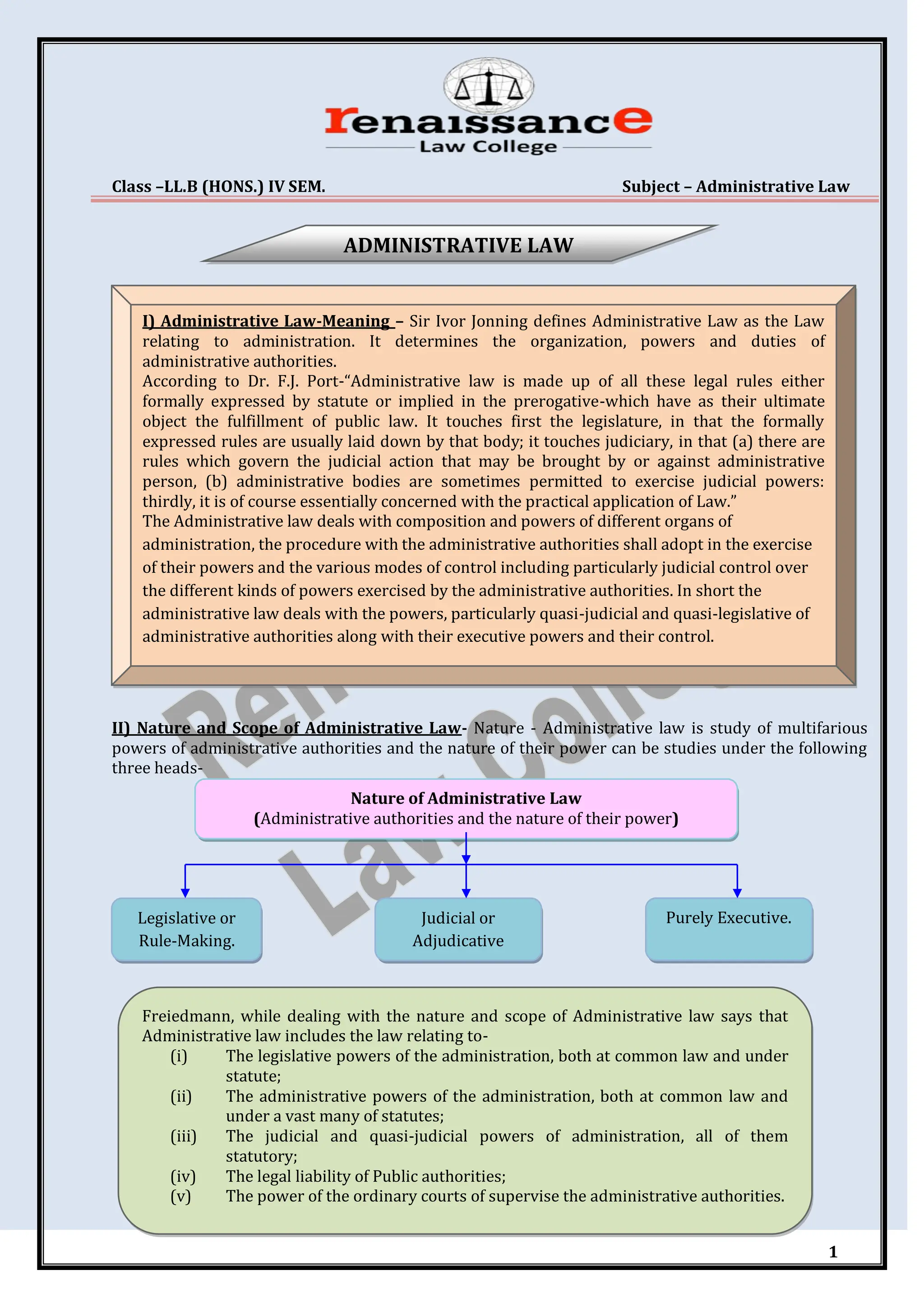
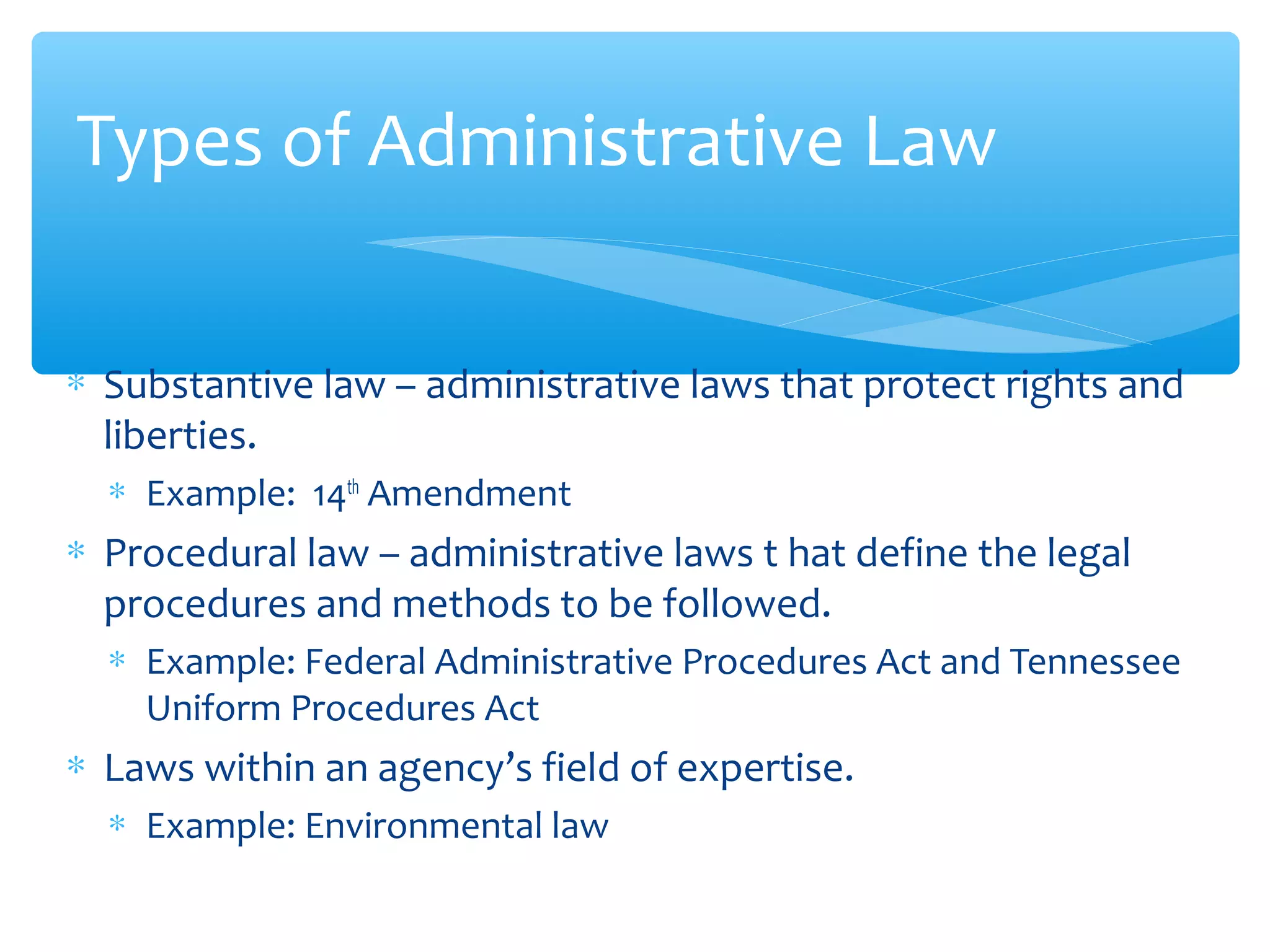
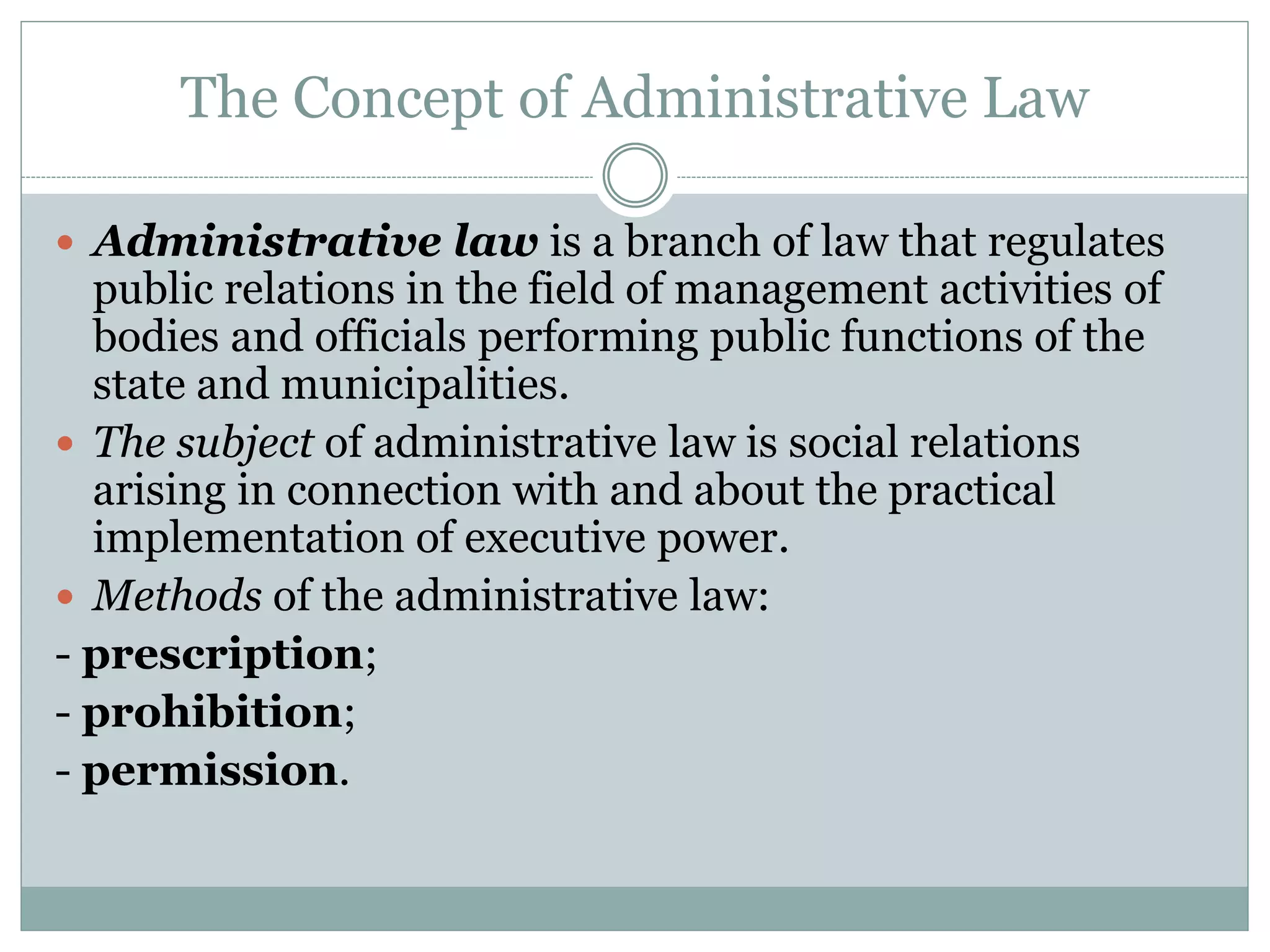
At its core, administrative law governs the powers, procedures, and accountability of administrative agencies—those bodies within the executive branch tasked with implementing statutes passed by the legislature. Unlike constitutional law, which focuses on the structure of government and fundamental rights, or criminal law, which governs prohibited conduct, administrative law is concerned with the "how" of governance. It dictates the rules of engagement for agencies ranging from environmental regulators and labor boards to financial oversight bureaus.
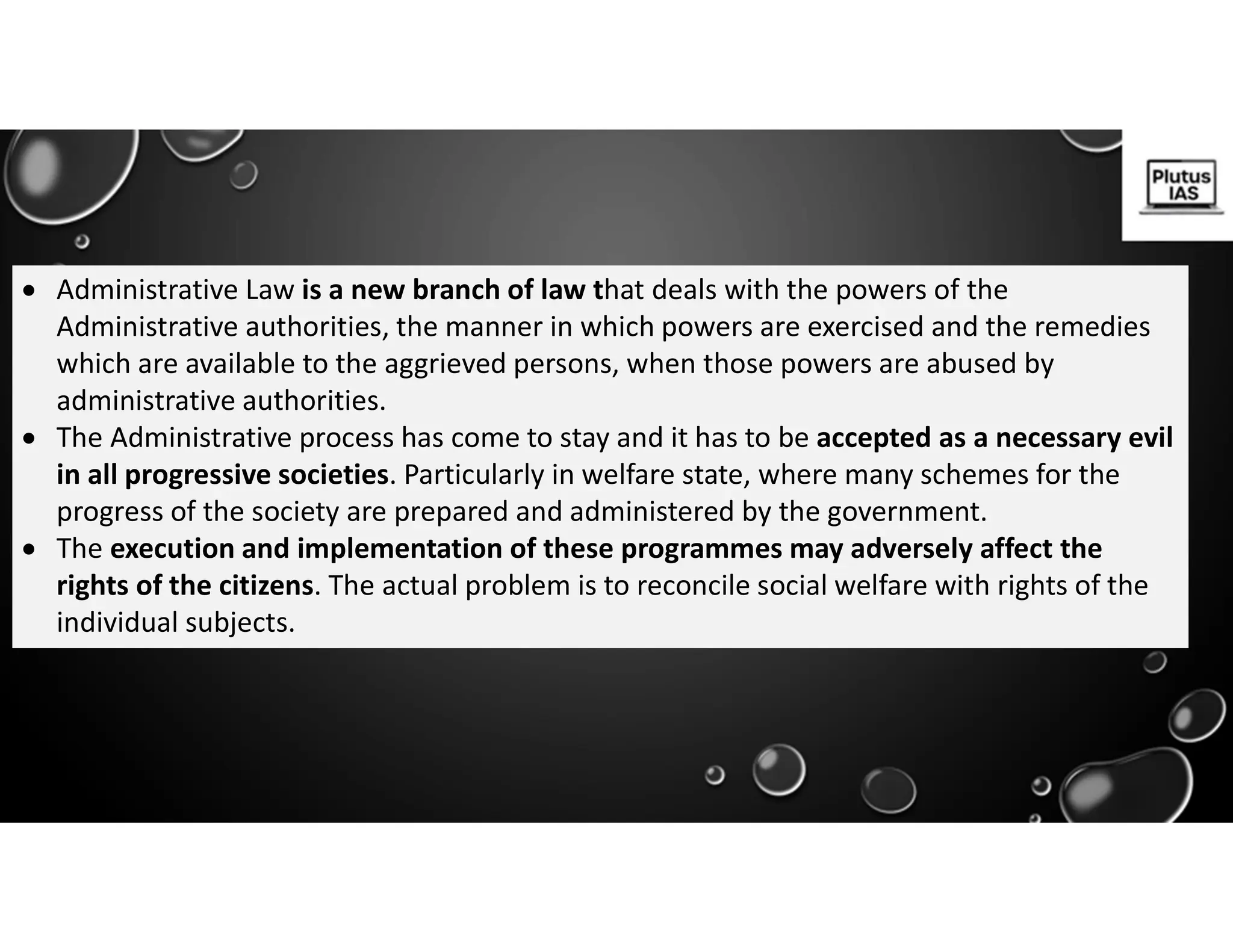
When a legislature passes a broad statute, it often delegates the technical implementation to an agency. Administrative law provides the limitations on this delegation, ensuring agencies do not overstep their boundaries or infringe upon the due process rights of the public. This body of law is predominantly judge-made, evolving through court decisions that interpret how administrative actions must be conducted to remain legitimate.
Delegated Authority and Agency Rulemaking
Agencies do not possess inherent power; their authority is derived entirely from the legislature. This is known as the "delegation doctrine." When a legislature assigns a specific task to an agency, such as regulating air quality or determining eligibility for public benefits, it grants that agency the power to promulgate rules and regulations.
The process of rulemaking is one of the most critical aspects of administrative law. Agencies must typically follow specific procedural requirements to ensure that their rules are not arbitrary or capricious. This often involves:
- Public Notice: Announcing the intent to create a new rule or regulation.
- Comment Period: Providing an opportunity for affected parties, stakeholders, and the general public to submit feedback or objections.
- Explanation of Rationale: The agency must demonstrate that the rule is based on a rational connection between the facts found and the choice made.
If an agency fails to follow these procedural requirements, the resulting rule may be invalidated by the courts, regardless of its substantive merit. This ensures that the bureaucratic process remains transparent and responsive to those it affects.
Judicial Review of Administrative Decisions
Judicial review is the process by which courts examine the actions of administrative agencies to determine if they are lawful. It acts as the primary check on administrative power. Courts typically review agency actions based on the record created during the agency's internal proceedings.
The standard of review varies depending on whether the issue is a question of fact, a question of law, or a question of procedure. For instance, if a court is reviewing an agency's interpretation of a statute, it will assess whether the agency’s reading is reasonable. If an agency makes a factual determination, courts are generally more deferential, upholding the decision so long as it is supported by "substantial evidence" in the record.
This framework prevents judges from simply substituting their own policy preferences for those of the agency experts, while simultaneously preventing the government from acting outside the scope of its delegated authority.
Comparison of Administrative Procedures
Understanding the distinction between various agency actions is essential for identifying the correct path for compliance or challenge.
| Action Type | Primary Goal | Procedural Requirement |
|---|---|---|
| Rulemaking | Creating general, future-oriented standards | Notice and comment period |
| Adjudication | Resolving specific disputes between parties | Quasi-judicial hearings with evidence |
| Licensing | Granting permission for specific activities | Application, review, and approval/denial |
| Enforcement | Investigating and penalizing violations | Due process and regulatory investigation |
Procedural Due Process in Administrative Settings
Due process is a cornerstone of administrative law, requiring that agencies provide individuals with fair treatment when their life, liberty, or property interests are at stake. In an administrative context, this does not always mean a full-scale courtroom trial, but it does require notice and a meaningful opportunity to be heard.
When an agency initiates an adjudication against a party—such as revoking a professional license or denying a claim—the party is entitled to:
- Notice: Clear communication regarding the nature of the proceedings and the allegations involved.
- Hearing: A formal or informal venue to present evidence and testimony.
- Impartial Decision Maker: Protection against bias within the agency's internal review process.
- Statement of Reasons: A written explanation for the decision, allowing the party to understand the basis for the outcome and to prepare an appeal if necessary.
Failure to uphold these minimum standards of fairness can lead to the reversal of an agency's decision on constitutional or procedural grounds, reinforcing the principle that government power must be exercised according to established, predictable norms.
Common Challenges and Limitations
Navigating administrative law requires an awareness of the exhaustion of remedies doctrine. In most jurisdictions, an individual cannot bypass an agency’s internal appeals process and go directly to a court. The law requires that the administrative process be "exhausted" first. This means the affected party must raise their concerns at every stage of the agency’s internal review—such as through an administrative law judge or an internal appeals board—before a court will accept the case for judicial review.
Furthermore, jurisdictional limits play a significant role. Agencies are restricted to the specific geographic and substantive scope defined by their enabling legislation. An agency cannot impose regulations on industries or activities outside its statutory mandate, and attempting to do so is a common ground for successful litigation against administrative overreach.
Frequently Asked Questions
What is the "arbitrary and capricious" standard?
This is a standard of judicial review used to determine if an agency's decision lacks a rational basis. Courts will strike down an agency action if the agency relied on factors it should not have, failed to consider important aspects of the problem, or provided an explanation that runs counter to the evidence.
Can an agency make law?
Agencies do not create law in the same way legislatures do; they issue regulations that have the force of law. These regulations must be authorized by a legislative statute. If a regulation conflicts with the underlying statute or the Constitution, it is invalid.
How do I challenge an agency decision?
You must first utilize the internal appeal mechanisms provided by the agency itself. Once you have exhausted all internal remedies, you may file a petition for judicial review in the appropriate court. It is often advisable to consult with legal counsel, as the deadlines for filing these petitions are frequently very strict.
What is an Administrative Law Judge (ALJ)?
An ALJ is an official who presides over formal hearings within an agency. They function similarly to a judge in a court, overseeing the presentation of evidence and rendering initial decisions on disputes between the agency and the public, though their decisions are often subject to further review by agency heads.
How do I stay informed about new agency regulations?
Government agencies are required to publish proposed rules in official government registers or bulletins. These publications provide the public with notice of potential changes and outline the specific steps required to participate in the public comment process.
Next Steps: Engaging with Administrative Procedures
If you find yourself involved in a dispute with an administrative agency, your first action should be to identify the enabling statute that grants the agency its authority. This document defines the boundaries of their power. Next, request the official agency record, as this will be the evidence base for any potential appeal. Finally, review the specific agency’s procedural rules to ensure you do not miss deadlines for filing appeals or comments. If the stakes are high, seeking professional legal assistance early is critical, as administrative law is highly procedural and relies heavily on technical record-keeping.