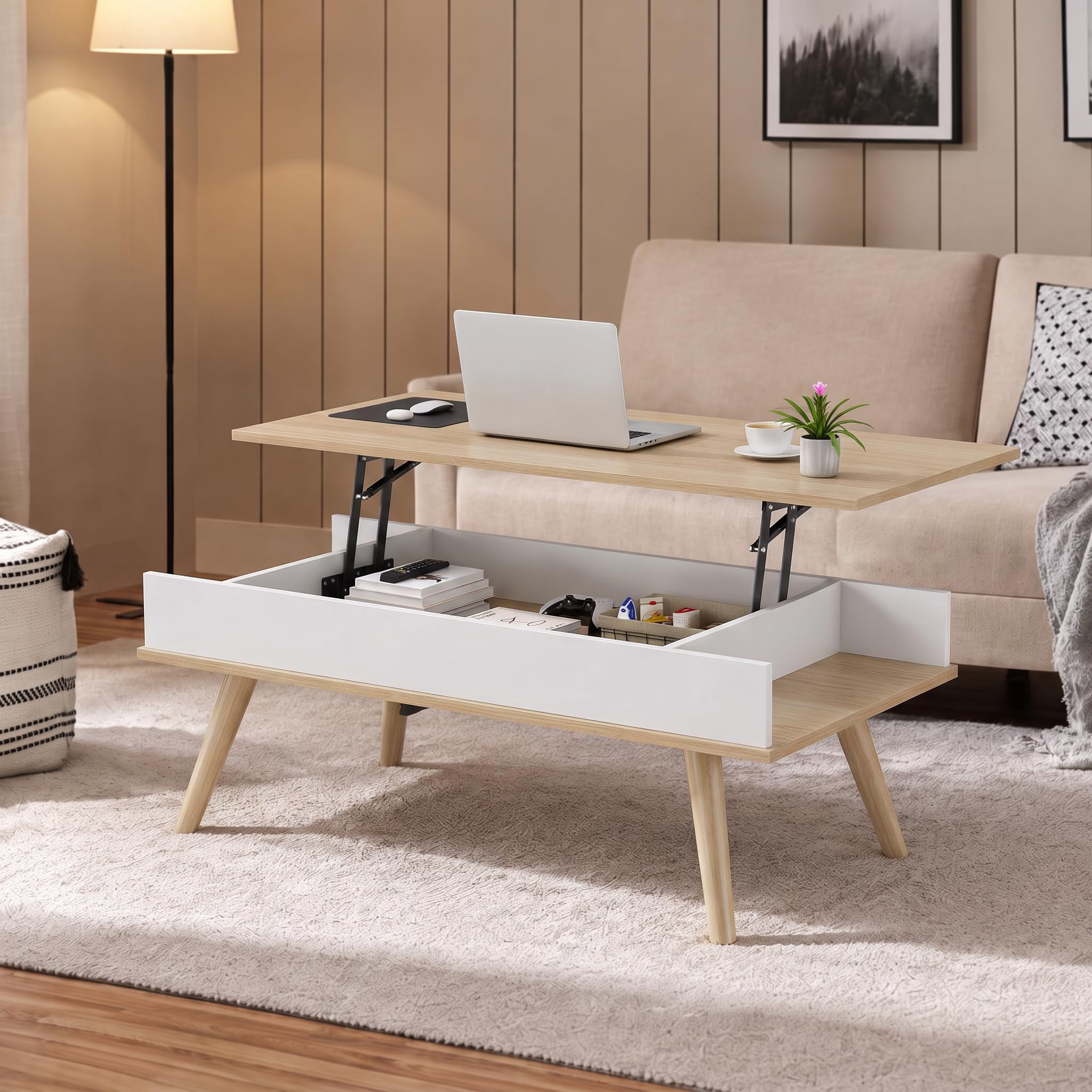
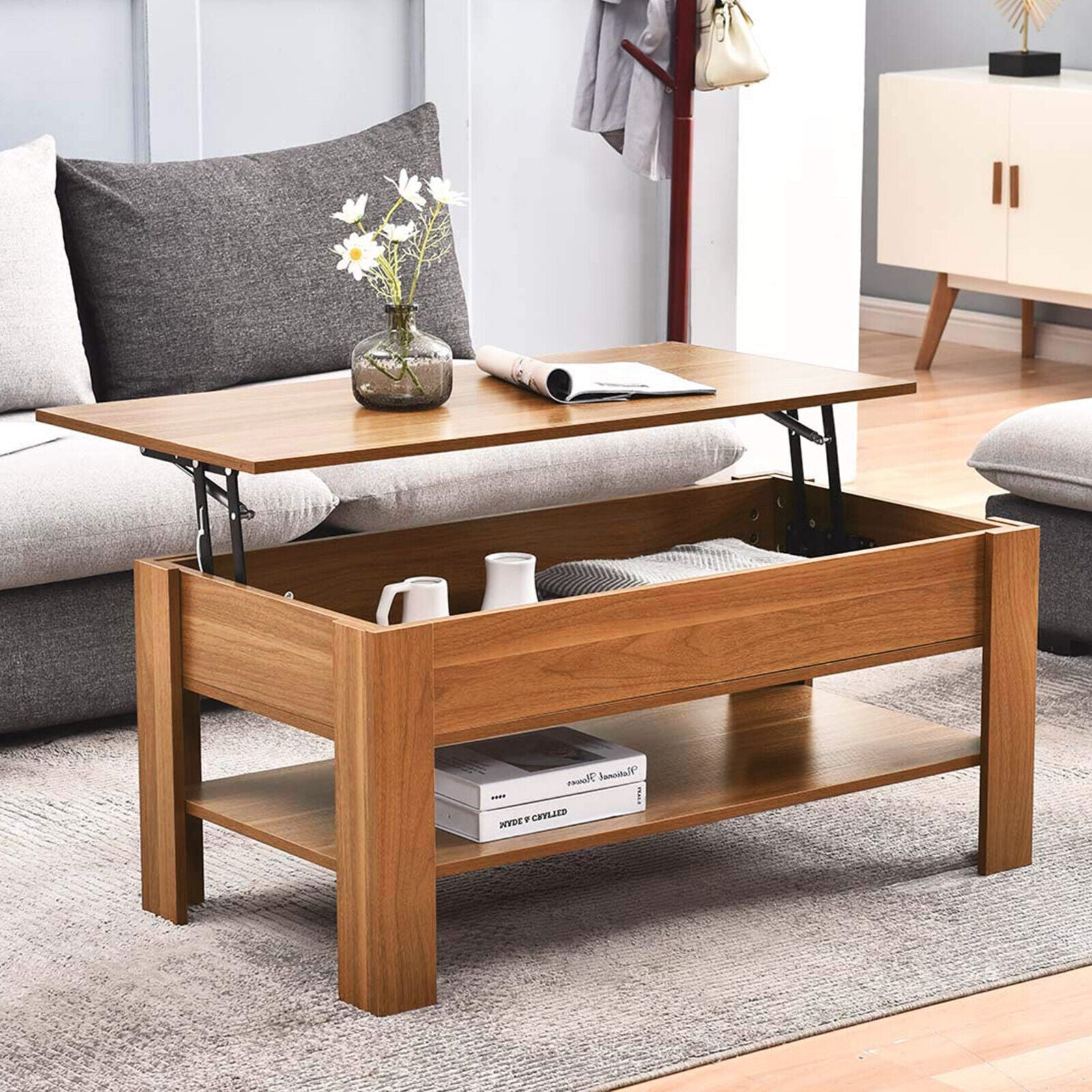
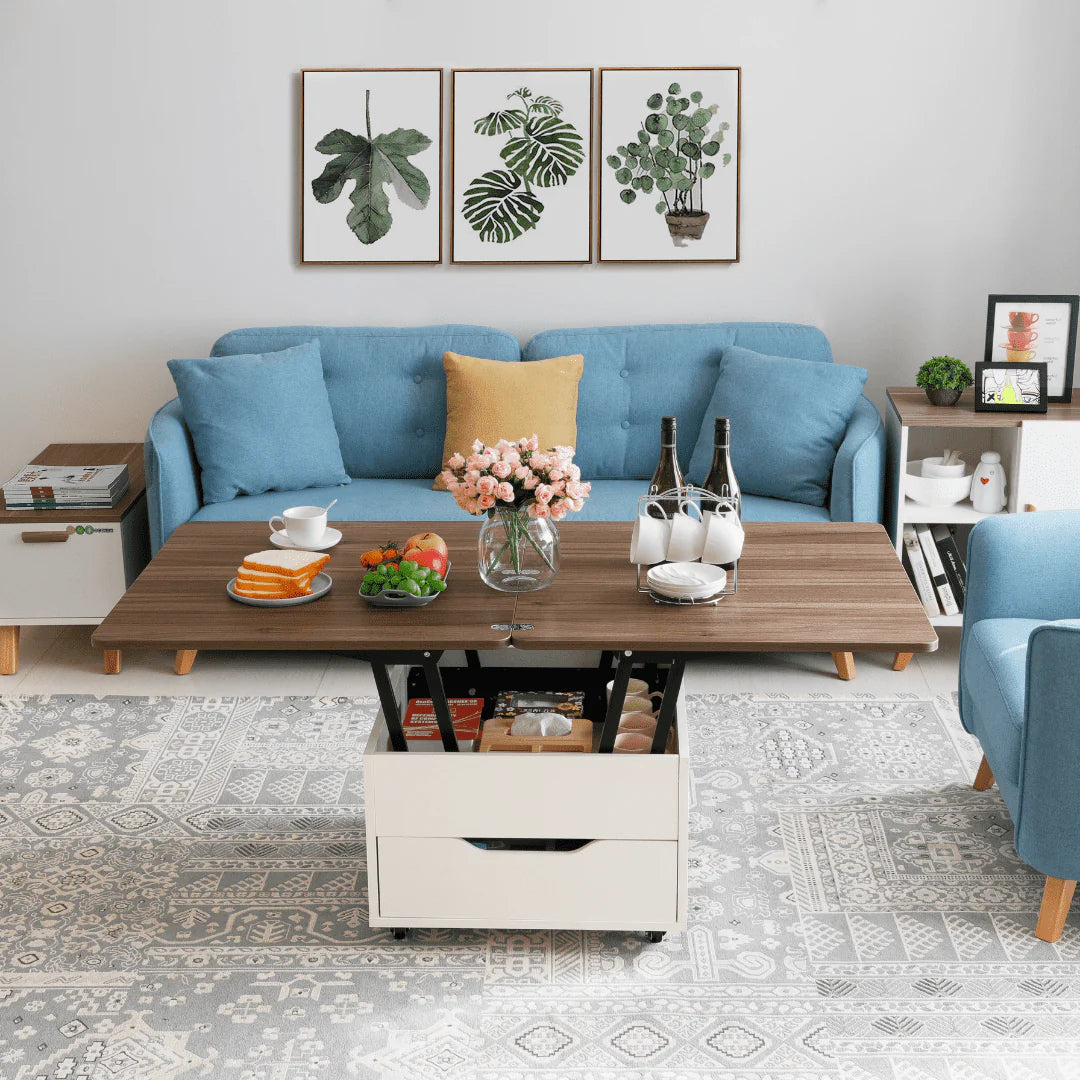
An adjustable coffee table top transforms a traditional living room centerpiece into a dynamic, multi-purpose workstation and dining hub. By utilizing mechanical lift-top mechanisms, hidden compartments, and versatile configurations, these specialized furniture pieces optimize compact footprints, improve ergonomic comfort, and elevate interior aesthetics without sacrificing modern design sensibilities.
The modern living room serves multiple functions, acting as a home office, an entertainment lounge, a casual dining area, and a formal hosting space all at once. Standard coffee tables often fall short in these multifaceted environments, forcing occupants to hunch over low surfaces or clutter their living spaces with auxiliary desks and tray tables. Introducing an adjustable coffee table top bridges this functional gap. It introduces clean geometric lines, premium materials, and flexible engineering that addresses the realities of contemporary multi-use residential interiors.
Understanding the Mechanics of Lift and Adjustment Systems
The core innovation of an adjustable coffee table lies in its internal hardware. Unlike static furniture, these tables rely on specialized mechanical assemblies designed to alter height, surface area, or configuration safely and smoothly. Understanding these mechanisms helps buyers select furniture that matches their daily use patterns, physical capabilities, and design preferences.
Gas spring mechanisms and heavy-duty steel scissor hinges represent the industry standard for traditional lift-top tables. Gas springs offer a controlled, dampening motion, allowing the tabletop to rise gently with minimal manual effort and lock securely into an elevated position. Scissor hinges provide robust lateral stability, preventing the tabletop from wobbling when users lean on it while typing on a laptop or writing notes.
Beyond simple vertical elevation, some contemporary designs incorporate swivel tiers, modular nesting panels, and sliding extensions. Swivel tops rotate horizontally around a fixed pivot point, creating staggered surface levels that work well for corner arrangements or dynamic entertaining. Sliding tops conceal shallow compartments beneath specific sections, allowing users to keep remote controls, books, or tablets within arm's reach while maintaining a pristine, uncluttered surface aesthetic.
Material Selection and Visual Integration in Interior Design
Integrating an adjustable coffee table into an existing design scheme requires careful consideration of materials, finishes, and proportions. Because these tables feature visible hardware beneath the surface line, manufacturers must balance mechanical durability with refined visual styling to prevent the furniture from looking overly industrial or utilitarian.
Solid hardwoods such as oak, walnut, and teak bring warmth, natural grain variation, and long-term durability to transitional and traditional spaces. For minimalist or industrial aesthetics, engineered wood cores finished with high-pressure laminates, tempered glass inserts, or sintered stone tops provide sleek, scratch-resistant surfaces. Metal framing—typically composed of matte black powder-coated steel, brushed brass, or chrome—anchors the design while providing the structural rigidity necessary to support cantilevered weight when the top is fully extended.
| Material Type | Aesthetic Style | Durability Profile | Maintenance Requirements |
|---|---|---|---|
| Solid Hardwood | Traditional, Rustic, Transitional | High; resists denting and can be refinished | Requires periodic conditioning; sensitive to moisture |
| Tempered Glass | Modern, Minimalist, Contemporary | Moderate-High; shatters safely under extreme impact | Frequent cleaning to remove fingerprints and smudges |
| Sintered Stone / Ceramic | Luxury, Industrial, Modern | Exceptional; highly resistant to heat, scratches, and stains | Low maintenance; mild soap and water cleaning |
| Laminate Composite | Budget-Friendly, Mid-Century Modern | Moderate; susceptible to edge chipping over time | Low maintenance; wipe clean with a damp cloth |
To maintain a cohesive room layout, the table's finish should either complement existing wood tones in the flooring and shelving or introduce a deliberate contrasting focal point. Pairing a dark walnut adjustable table with neutral upholstery and metallic accents creates a grounded, sophisticated atmosphere, whereas lighter ash or white lacquered finishes amplify natural light in smaller apartments.
Ergonomics, Posture, and Daily Usability
One of the primary advantages of an adjustable coffee table top is its capacity to mitigate physical strain associated with sedentary living. Traditional coffee tables sit roughly 16 to 18 inches off the ground, requiring individuals to bend forward significantly when working or eating from the sofa. This posture places undue stress on the lumbar spine and cervical vertebrae.
An elevated coffee table top typically rises to a height of 24 to 30 inches, bringing the work surface closer to chest level. When properly matched with standard sofa seat heights, this configuration promotes an upright, neutral spine posture.
[Sofa Cushions] ---> [Seated User Posture] ---> [Elevated Tabletop (24-30 inches)] | [Ergonomic Work / Dining Zone]
This ergonomic alignment makes the table suitable for brief laptop sessions, remote work meetings, or casual meals. However, users should evaluate the knee clearance beneath the table frame. Because the internal lift mechanism and storage box occupy the space directly under the top, individuals must ensure there is sufficient legroom to sit comfortably without slouching or twisting sideways.
Maximizing Small Spaces and Hidden Storage Advantages
In compact urban apartments, studio units, and open-plan homes, efficient floor space management is essential. Adjustable coffee tables serve as double-duty furniture pieces that reduce the need for bulky auxiliary desks, oversized dining tables, and disorganized storage bins.
The cavity hidden beneath a lift-top surface provides generous volume for stowing away items that typically clutter living room surfaces. Bulky blankets, board games, charging cables, magazines, and laptops fit neatly into this compartment, clearing the visible surface area instantly when guests arrive. This hidden storage capacity supports minimalist design principles by keeping functional clutter out of sight.
Furthermore, multi-tier adjustable models allow users to expand the footprint of the table only when needed. A compact square or rectangular table can remain closed during quiet evenings, then expand or elevate during weekend gatherings to accommodate serving trays, drinks, and snacks. This adaptability prevents the living room from feeling overcrowded while retaining full functional readiness.
Assembly, Maintenance, and Troubleshooting Common Hardware Issues
While many adjustable coffee tables arrive pre-assembled, larger units often require home assembly, particularly regarding the attachment of the heavy steel lifting mechanism. Following the manufacturer’s installation sequence precisely is critical, as misaligned hinges can cause the tabletop to rise unevenly or fail to lock securely.
Maintenance primarily involves periodic inspection of the mechanical fasteners and hinges. Over months of regular use, vibrations from opening and closing the table can loosen screws connecting the hardware to the wooden frame. Tightening these screws during routine home maintenance prevents structural wobble and extends the lifespan of the mechanism.
If a gas spring lift mechanism begins to feel sluggish or fails to hold its elevated position, avoid forcing the joint. Most hydraulic struts are sealed units; attempting to lubricate internal chambers can degrade the seals. Instead, verify that the alignment brackets are not binding against the side panels. If a strut loses its internal pressure, replacing the specific gas piston with an identical OEM specification part restores smooth, balanced operation.
How to Select the Right Adjustable Coffee Table for Your Home
Choosing the correct adjustable coffee table requires balancing physical dimensions, room proportions, mechanical safety, and daily lifestyle requirements. Rushing the selection process often leads to purchasing a table that overwhelms the room or fails to support the intended workload.
- Measure Your Clearances: Measure the distance between your sofa and media console. Ensure there is at least 18 to 24 inches of walking space around the table even when the top is fully extended.
- Evaluate Weight Capacities: Review the manufacturer's specified weight limit for both closed and elevated positions. Standard lift-tops typically support 25 to 50 pounds when raised, which is sufficient for laptops and dinner plates, but inadequate for heavy resting body weight.
- Inspect the Safety Locks: Look for mechanisms that feature positive locking engagement or controlled descent dampers to prevent accidental slamming on fingers, particularly in households with children or pets.
- Match Your Lifestyle: If you frequently eat meals in the living room, prioritize durable, stain-resistant surfaces like sintered stone or treated hardwood. If remote work is your primary use case, prioritize robust steel scissor mechanisms that minimize surface bounce while typing.
Investing in a thoughtfully designed adjustable coffee table top transforms the living room into a flexible, elegant environment. By harmonizing mechanical engineering with refined interior styling, these tables provide a practical solution for modern living without compromising aesthetic integrity.