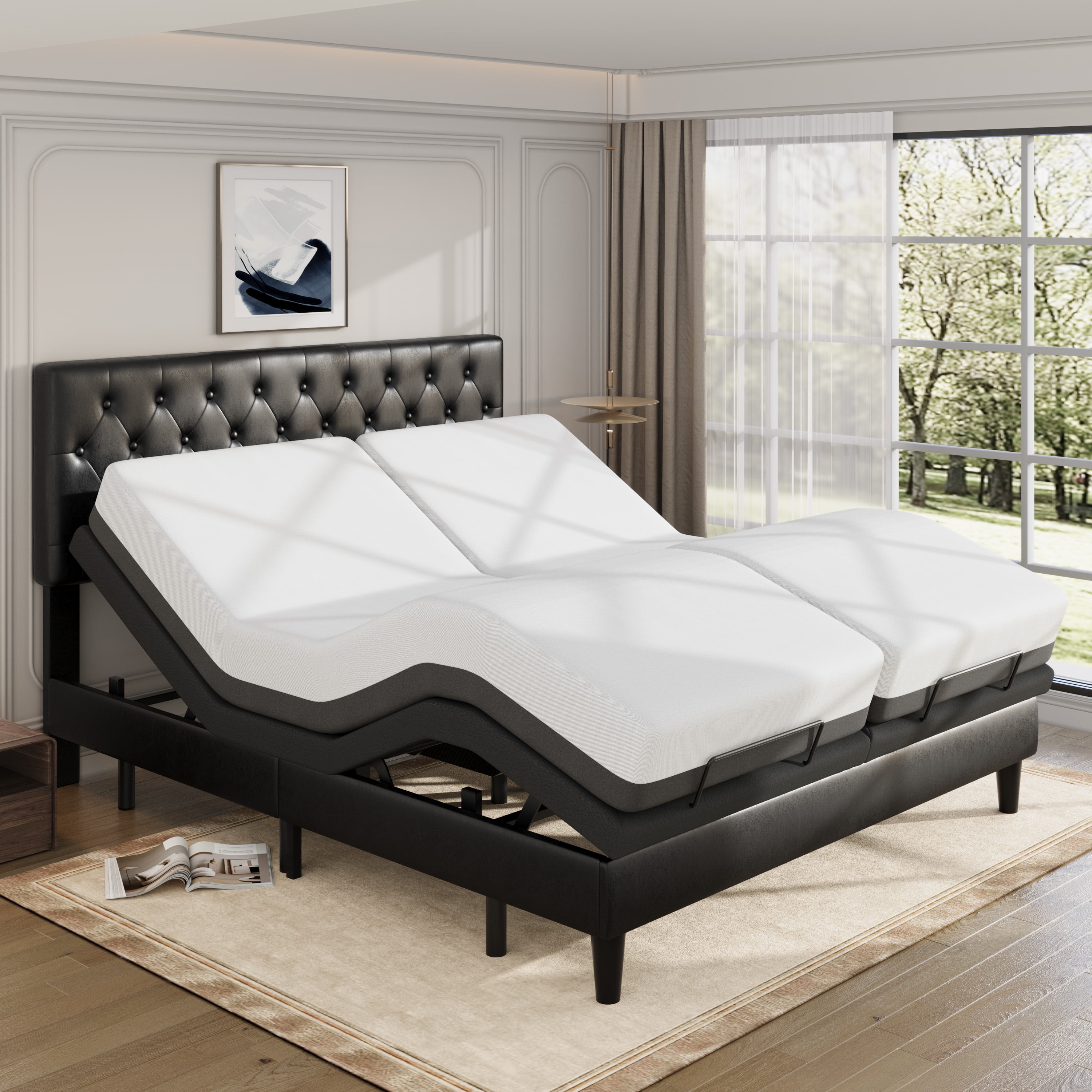
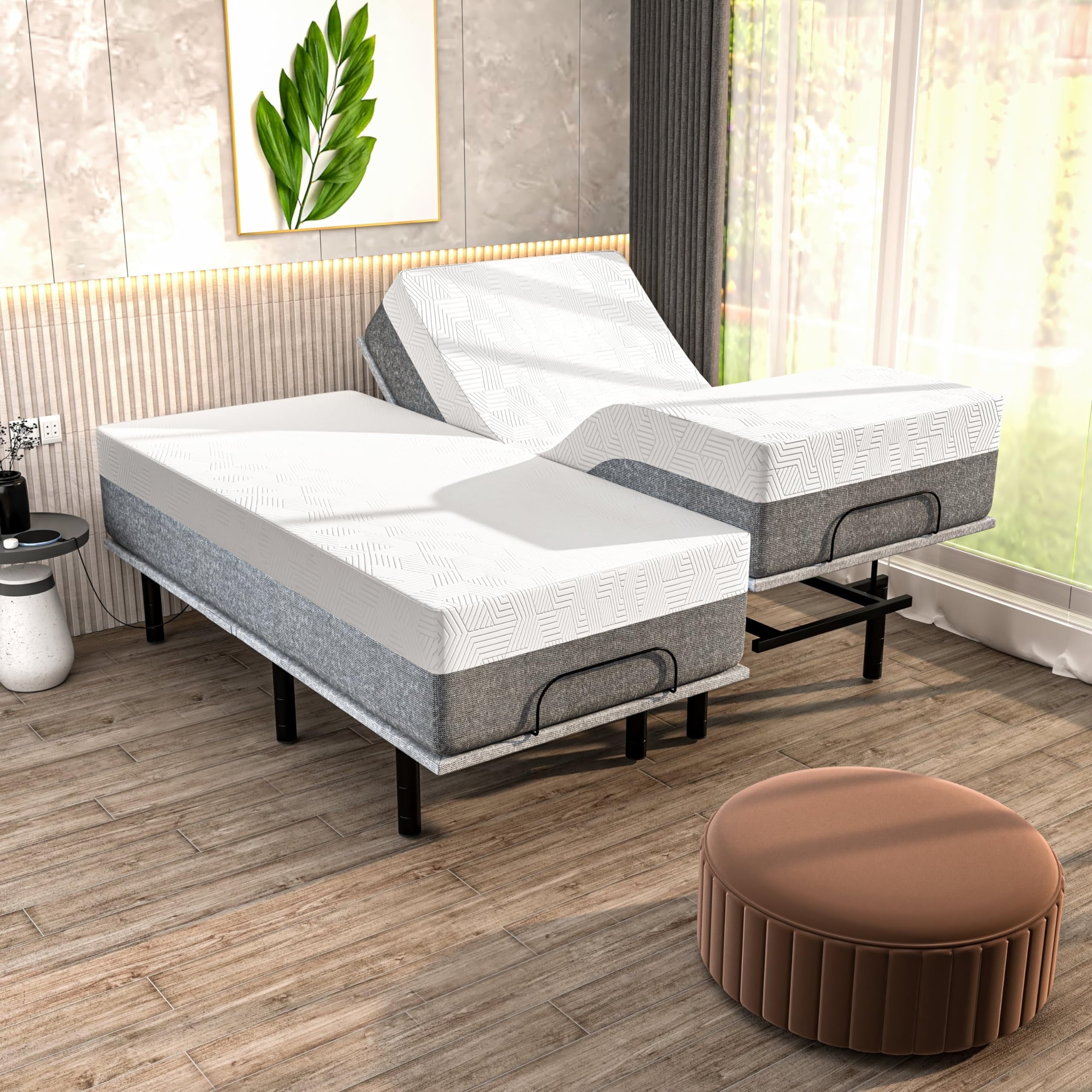
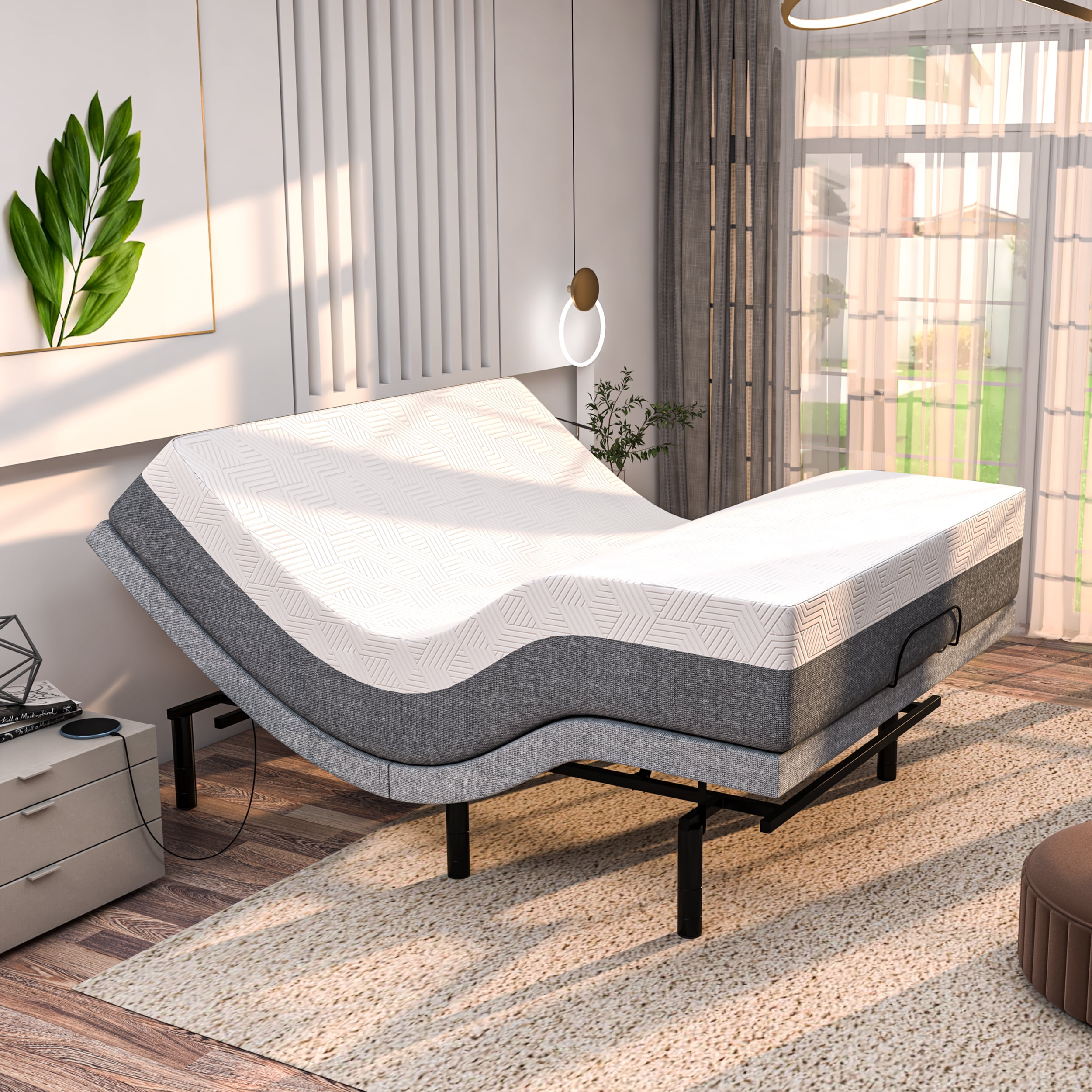
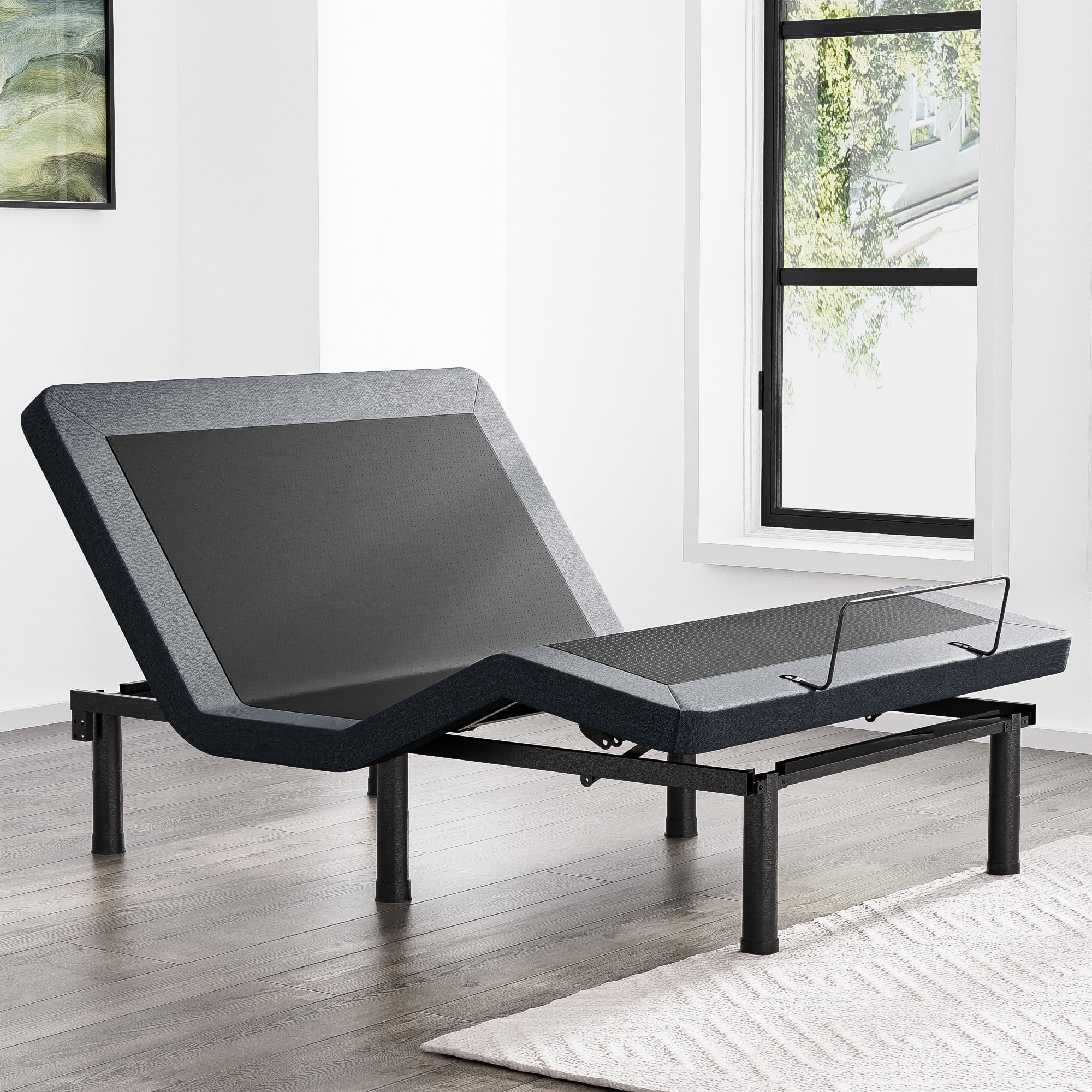
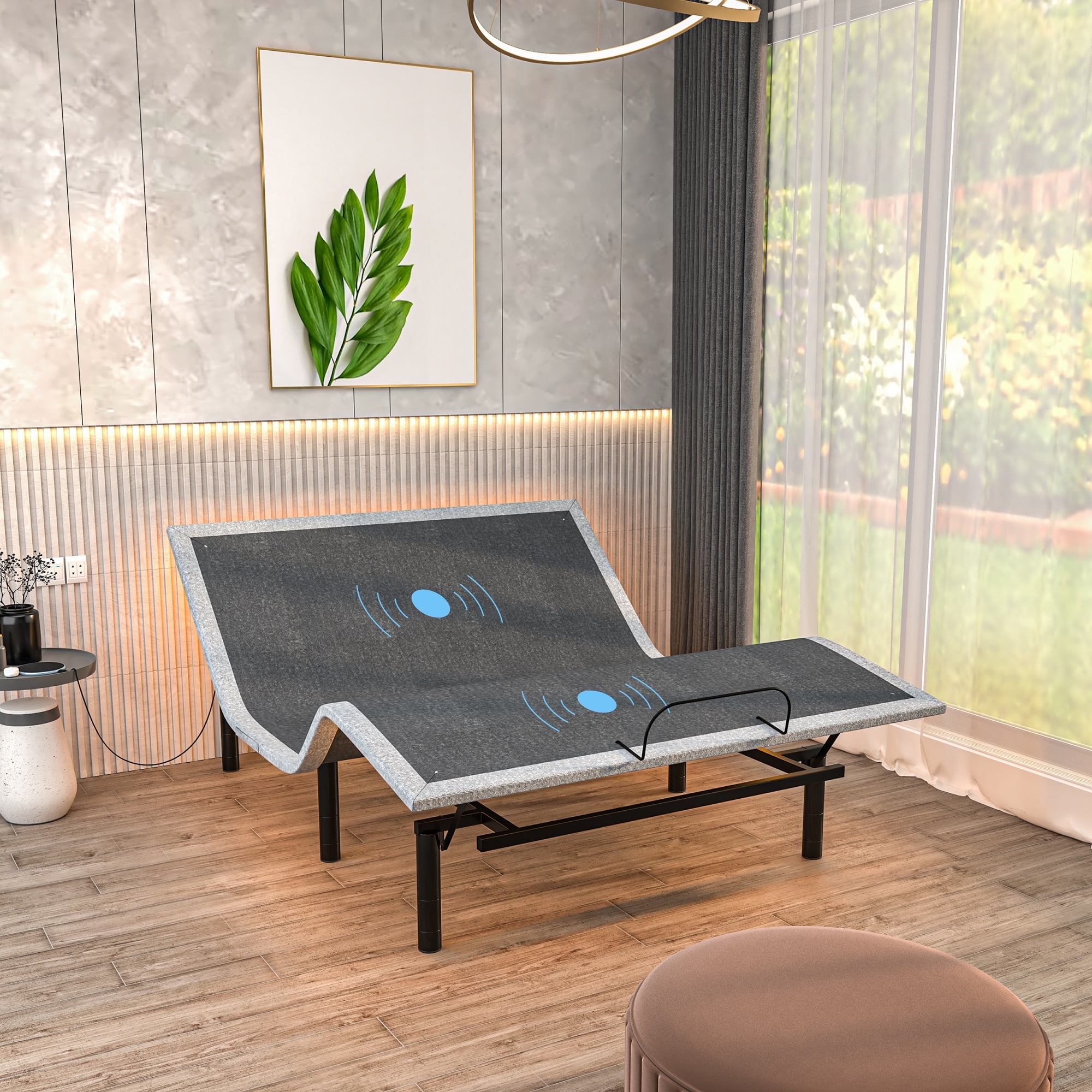
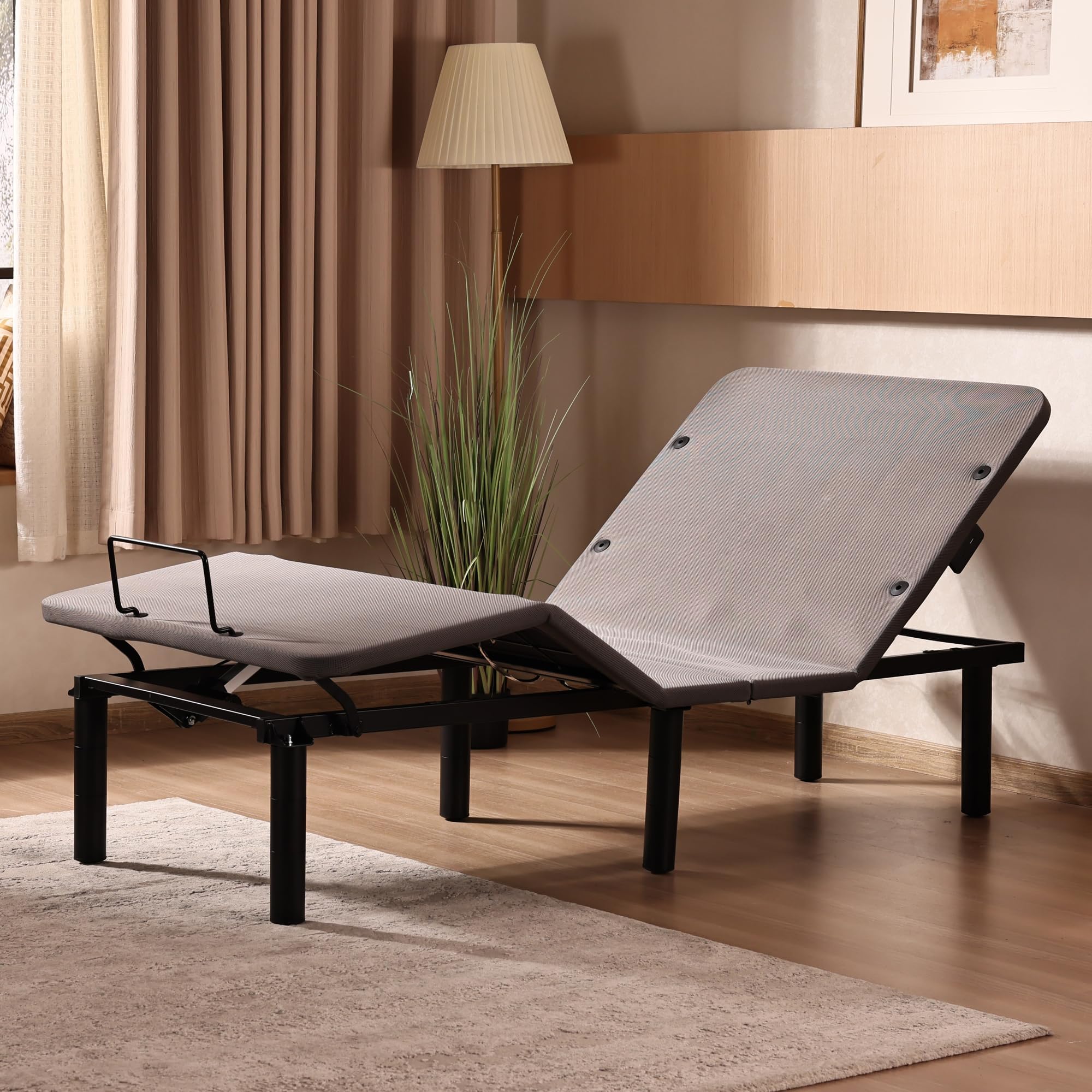
An adjustable bed is a motorized sleep system that alters its geometric shape to raise or lower the head and foot sections, offering customized ergonomic positioning for sleeping, reading, or medical recovery. Modern frames integrate seamlessly into standard bedroom decor while providing therapeutic angles to alleviate conditions like sleep apnea, acid reflux, and chronic back pain.
Understanding the Mechanics and Architecture of Modern Adjustable Beds
An adjustable bed functions through a combination of heavy-duty steel frames, electric articulation motors, and a control interface. Unlike traditional flat box springs or platform beds, these specialized frames use segmented decking platforms—typically split into head, back, seat, and foot zones—that pivot independently via articulated hinges. The motion is driven by linear actuators, which are electric motors capable of pushing and pulling heavy loads smoothly and quietly.
The core structure rests on a foundation of welded steel or reinforced composite materials designed to support the combined weight of the user, the mattress, and dynamic downward pressure. These motors are controlled by either a wired remote, a wireless radio frequency (RF) handheld controller, or smartphone applications connected via Bluetooth. Premium models also incorporate whisper-quiet massage motors that deliver wave or pulse vibrations across targeted zones of the body, enhancing circulation and relaxation before sleep.
Key Health and Therapeutic Benefits of Elevation
The transition from a flat sleeping surface to an ergonomically elevated posture yields several clinically documented physiological advantages. Elevating the head by 10 to 30 degrees significantly reduces the gravitational collapse of soft tissues in the throat, which is a primary mechanical cause of obstructive sleep apnea and habitual snoring. By keeping the airway open, users experience fewer micro-awakening events and improved oxygen saturation throughout the night.
Furthermore, slight elevation of the upper torso mitigates the symptoms of gastroesophageal reflux disease (GERD) and acid reflux. Gravity works in tandem with the physical barrier created by the elevated esophagus to prevent gastric acid from rising into the throat. Similarly, elevating the legs above the level of the heart—often referred to as the zero-gravity position—relieves pressure on the lumbar spine, reduces lower back fatigue, and promotes venous return, minimizing lower-extremity edema and varicose vein discomfort.
Essential Features to Evaluate Before Purchasing
Selecting the right adjustable bed requires a careful examination of mechanical specifications, weight capacities, and lifestyle features. Not all bases are created equal, and understanding the nuances of wall-hugger engineering, motor power, and preset configurations ensures long-term satisfaction.
- Wall-Hugging Technology: Standard adjustable bases push the upper body forward as the head rises, moving the user away from the nightstand. Wall-hugger frames slide backward simultaneously as the head elevates, keeping the user close to the wall and within arm's reach of bedside furniture.
- Weight Capacity and Motor Strength: Dual motors are standard in split-king setups, while full-size or queen frames may use single or dual configurations. Verify the total lifting capacity, which must account for both the mattress weight and the occupants.
- Programmable Memory Settings: Beyond standard flat buttons, look for remotes that allow users to save preferred reading, zero-gravity, and sleeping angles for instant recall.
- Under-Bed Lighting: Integrated LED lighting strips illuminate the floor gently, providing safe navigation during nighttime awakenings without disturbing a partner.
| Feature Category | Standard Models | Premium Models | Clinical-Grade / Specialized |
|---|---|---|---|
| Articulation Zones | Head and Foot elevation | Head, Foot, Lumbar, and Neck tilt | Full multi-joint robotic positioning |
| Control Interface | Wired or basic wireless remote | Bluetooth app integration and voice control | Medical pendant with lockout features |
| Massage Function | None or single-speed vibration | Dual-zone wave and pulse massage | Targeted hydrotherapy or pneumatic pressure |
| Clearance & Profile | Standard deep profile (8–12 inches) | Zero-clearance low profile (compatible with platform beds) | Heavy-duty reinforced medical clearance |
Mattress Compatibility and Material Considerations
A common misconception is that any mattress can be placed on an adjustable bed. In reality, the flexibility of the core materials dictates how well the mattress bends without deforming or damaging its internal structure. Innerspring mattresses featuring traditional Bonnell or continuous coils are generally incompatible because rigid wire borders prevent bending and can warp under continuous stress.
Instead, adjustable frames require flexible core constructions such as high-density memory foam, latex, or specialized pocketed coil systems engineered with flexible edge support and perimeter encasements. Memory foam adapts effortlessly to the changing contours of the frame, retaining its shape once flattened. Latex offers similar flexibility paired with natural springiness and enhanced airflow. When purchasing, verify whether the mattress manufacturer voids its warranty when paired with an adjustable base.
Installation, Troubleshooting, and Maintenance Procedures
Proper setup and routine upkeep extend the operational lifespan of a motorized bed base. Most modern models ship in semi-assembled states requiring simple leg attachment, alignment of retainer bars, and synchronization of wireless remotes.
- Unboxing and Frame Placement: Position the folded frame inside your existing bed frame or in the designated bedroom space, ensuring adequate clearance from power outlets.
- Leg Assembly: Screw the threaded legs securely into the designated corner and center mounting plates by hand, tightening with a wrench if specified in the manual. Do not over-torque.
- Electrical Connections: Plug the power cord into a surge protector rather than directly into a wall outlet to safeguard sensitive control boards against electrical spikes. Connect the linear actuator cables to the central control box.
- Remote Synchronization: Insert fresh batteries into the wireless remote and follow the manufacturer's pairing sequence, usually involving pressing a reset button on the control box until an indicator light blinks.
If the bed stops responding or fails to articulate, perform a systematic troubleshooting sequence. First, check the power source by plugging a lamp into the outlet to verify electrical current. Next, inspect all cable connections between the motors, control box, and power supply brick to ensure nothing has shaken loose. Finally, perform a hard reset by unplugging the power cord for sixty seconds to clear the internal logic board memory before reconnecting.
Common Mistakes to Avoid When Buying and Using an Adjustable Bed
Navigating the adjustable bed market involves avoiding several operational and purchasing pitfalls that can compromise comfort or waste financial resources. One frequent error is neglecting to measure the internal dimensions of an existing wooden or upholstered bed frame. Many heavy adjustable bases require specific clearance dimensions or must be used as standalone furniture pieces without traditional slats.
Another mistake is ignoring power backup requirements. In the event of a power outage, basic adjustable bases can become stuck in an elevated position. Buyers should prioritize models that include a battery backup box (typically powered by 9V batteries) designed to return the bed to a flat position during emergencies. Finally, users must avoid placing heavy localized weight on the extreme head or foot extensions while fully elevated, as this exerts excessive torque on the linear actuators and can strip internal gears.
Frequently Asked Questions
Can you use any mattress on an adjustable bed?
No. You must use a flexible mattress such as memory foam, latex, or pocketed coil hybrids designed for articulation. Traditional innerspring mattresses with rigid border wires cannot bend properly and may suffer permanent internal damage.
Do adjustable beds require special sheets?
Specialty sheets are not strictly required, but fitted sheets with deep pockets and good elasticity perform best. Standard sheets may slip off the corners or pull taut when the head and foot sections elevate simultaneously.
Will an adjustable bed fit inside my existing bed frame?
Many adjustable bases are designed to drop directly inside standard headboard, footboard, and side-rail configurations, provided the wooden slats are removed. However, zero-clearance models must be chosen if you intend to place the base directly onto a platform storage bed.
How loud are the motors on an adjustable bed?
Modern adjustable beds use high-torque, low-decibel DC motors engineered for silent operation. While you may hear a faint humming sound during elevation, it is generally quiet enough not to wake a sleeping partner.
Can adjustable beds help with acid reflux?
Yes. Elevating the upper torso by 10 to 30 degrees uses gravity to keep stomach acid down, which is a clinically recommended lifestyle adjustment for managing chronic acid reflux and GERD symptoms.
Are adjustable beds covered by health insurance?
Standard adjustable beds purchased for general comfort are rarely covered by health insurance or Medicare. However, if prescribed by a physician as durable medical equipment (DME) for specific medical conditions, partial reimbursement may be possible through flexible spending accounts (FSA) or health savings accounts (HSA).
Optimizing Your Sleep Environment
To maximize the therapeutic value of your investment, pair your adjustable bed with proper pillow ergonomics and a consistent sleep schedule. Experiment with the zero-gravity setting during evening wind-down periods to relieve lumbar pressure before flattening the bed slightly for deep sleep, or maintain a gentle elevation if managing respiratory congestion. Always consult a physician or physical therapist for tailored positioning advice if you are addressing chronic spinal or circulatory medical conditions.