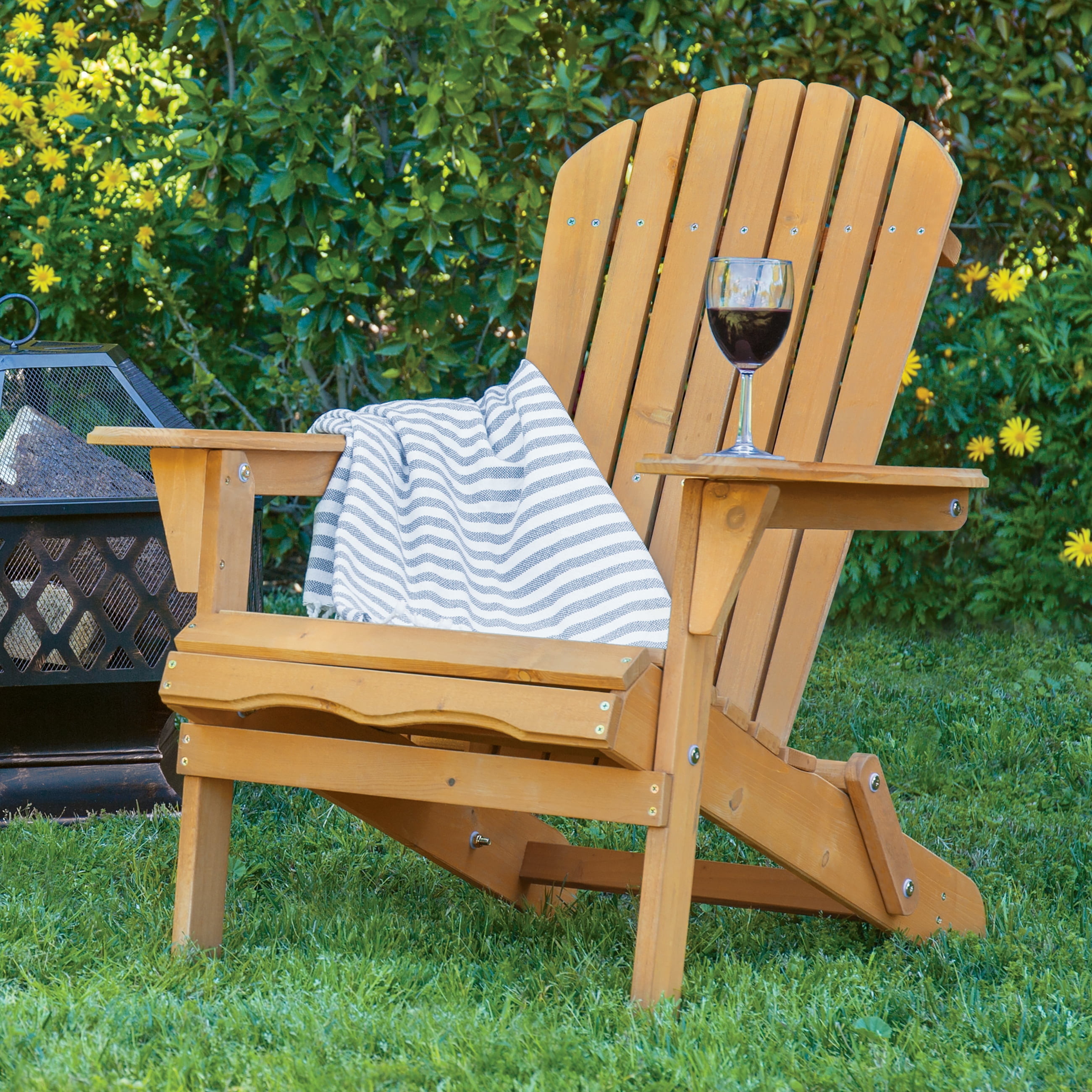
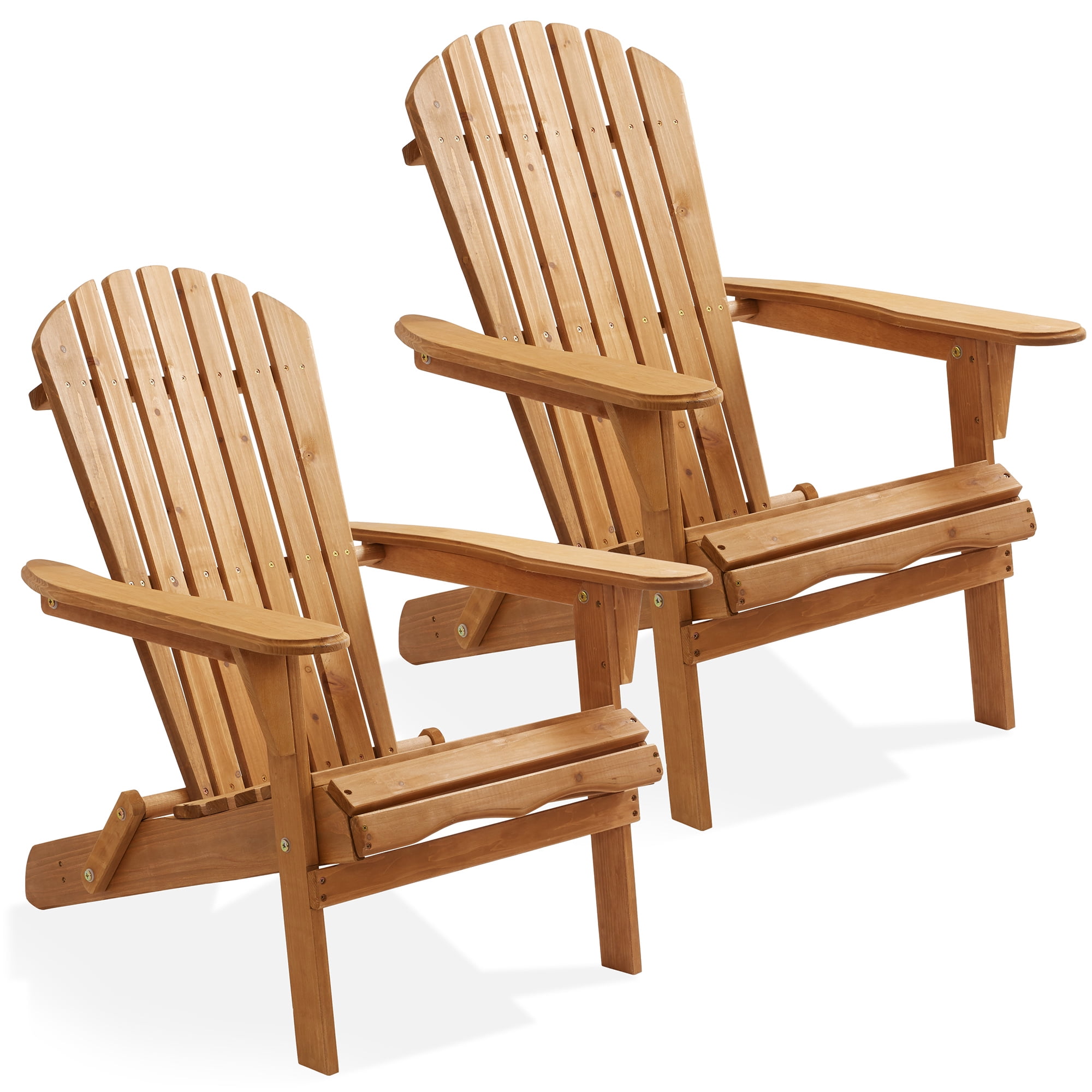
An Adirondack chair is a specialized piece of outdoor furniture distinguished by its slanted back, wide armrests, and a seat that sits low to the ground and slopes toward the rear. Designed for relaxation on uneven terrain, it provides a stable, ergonomic lounging experience that remains a staple of American patio and garden aesthetics.
The Adirondack chair is more than just a seat; it is a design icon that has endured for over a century. Whether you are looking to furnish a coastal deck, a mountain cabin, or a suburban backyard, understanding the nuances of its construction and material science is essential. As we look at the market in 2026, the options range from traditional artisan-crafted hardwoods to high-tech recycled synthetics designed to withstand extreme climate shifts. This guide explores the technical specifications, historical context, and practical considerations necessary to select the perfect Adirondack chair for your specific environment.
The Architectural Evolution of the Adirondack Design
The story of the Adirondack chair began in 1903 in Westport, New York. Thomas Lee, seeking comfortable outdoor seating for his family cottage, prototyped a chair using single pieces of knot-free wood. This original "Westport chair" featured a flat back and seat, which were tilted to provide stability on the rugged slopes of the Adirondack Mountains. It was later patented by Lee’s friend, Harry Bunnell, who saw the commercial potential in the design.
Over the decades, the design evolved from the heavy, solid-plank Westport style into the familiar slatted version we see today. The introduction of slats allowed for curved backs and seats, which significantly improved lumbar support and overall comfort. Modern variations have further refined this, offering "shell-back" (rounded) or "fan-back" aesthetics. While the visual profile has changed, the core functional elements—the wide armrests (perfect for holding beverages or books) and the low-slung center of gravity—remain the hallmark of the authentic Adirondack experience.
Material Selection: Wood vs. Synthetic Performance
Choosing the right material is the most consequential decision when purchasing an Adirondack chair. In 2026, the industry is split between natural timber enthusiasts and those prioritizing the longevity of high-performance polymers.
Natural Wood Options
Traditionalists often prefer wood for its natural warmth and unique grain patterns. However, not all woods are created equal in an outdoor setting:
- Teak: Widely considered the gold standard, teak contains high levels of natural oils and silica, making it nearly impervious to rot, insects, and decay. Over time, it weathers to a beautiful silver-grey patina unless treated with specialized oils.
- Western Red Cedar: A popular mid-range choice, cedar is naturally resistant to rot and moisture. It is significantly lighter than teak, making the chairs easier to move, though it is a softer wood prone to dents and scratches.
- Acacia and Shorea: These are denser hardwoods often used as more affordable alternatives to teak. While durable, they require regular oiling to prevent cracking in dry or high-heat climates.
High-Density Polyethylene (HDPE)
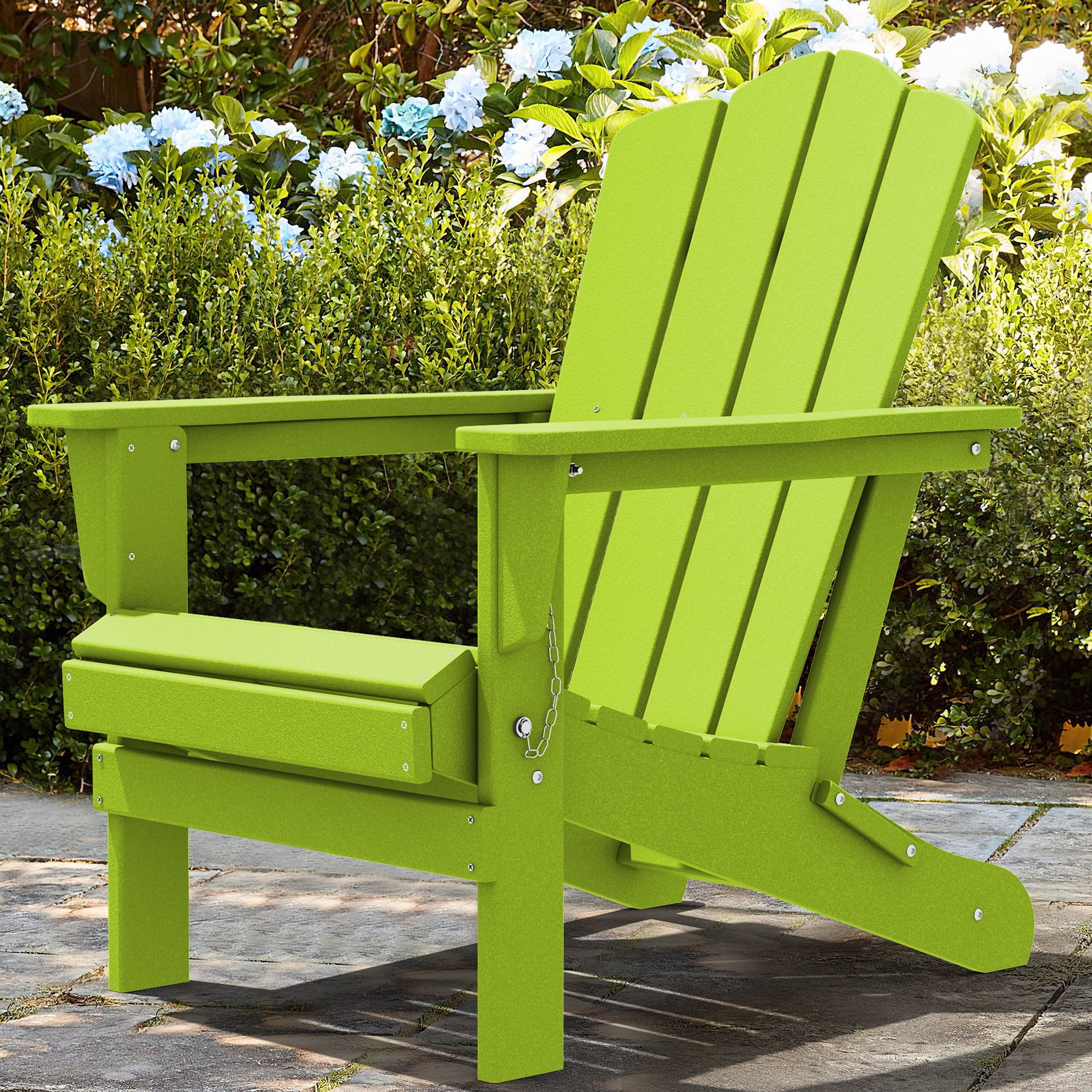
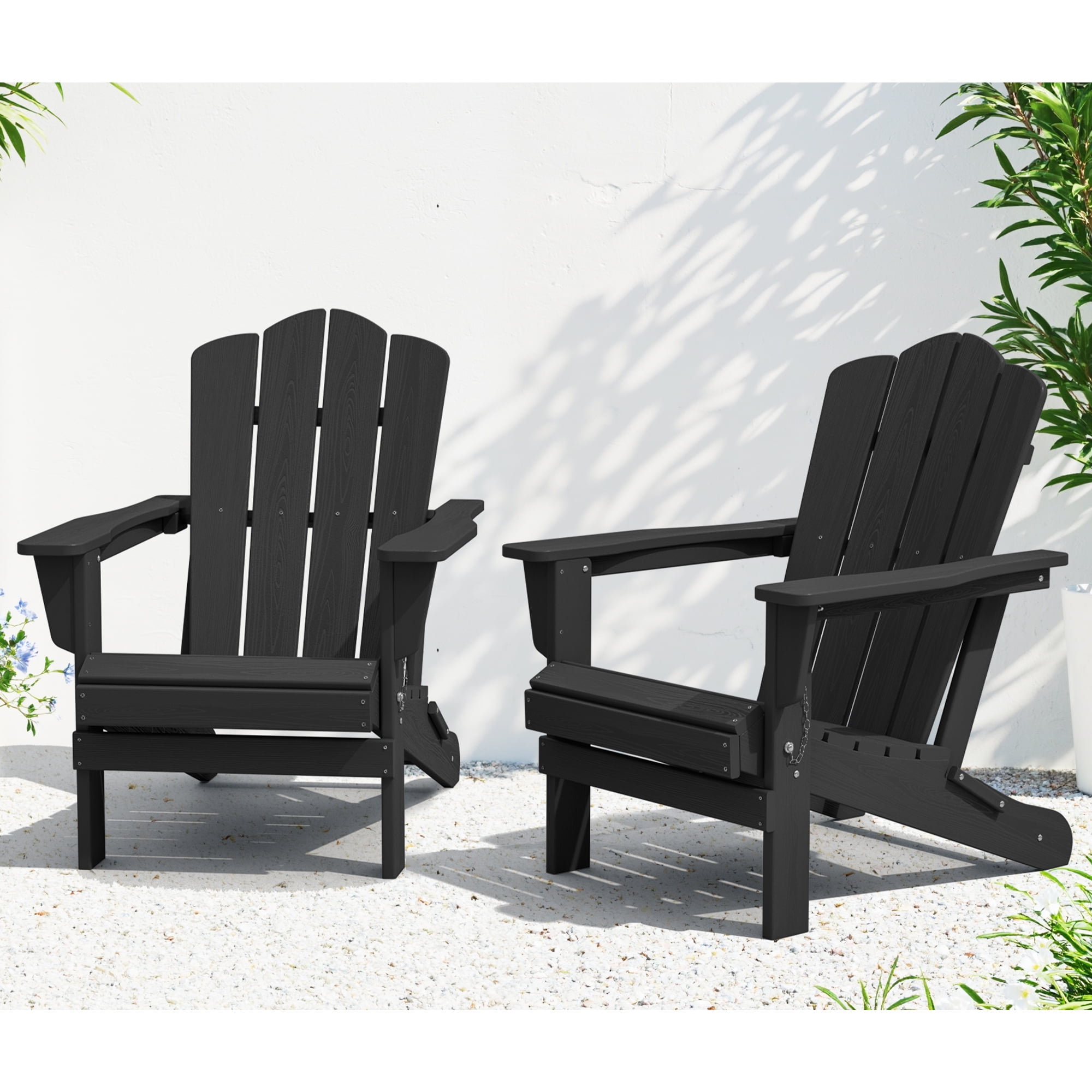
HDPE has become the dominant material for premium outdoor furniture in recent years. Made from recycled plastics—such as milk jugs and detergent bottles—HDPE lumber is permeated with UV-stabilized pigments. Unlike cheap injection-molded plastic chairs, HDPE is heavy, dense, and textured to mimic the feel of wood. Its primary advantage is its "all-weather" capability; it does not rot, peel, or require staining. For coastal environments where salt spray destroys metal and degrades wood, HDPE is the technically superior choice.
Technical Specifications and Ergonomic Considerations
When evaluating an Adirondack chair, the dimensions and joinery techniques dictate both comfort and lifespan. Standard chairs typically feature a seat height of 10 to 12 inches from the ground. While this creates a relaxing "cradle" effect, it can be difficult for individuals with limited mobility or knee issues to exit.
To address this, 2026 market trends have seen an increase in "Tall Adirondack" or "Balcony" versions. these chairs retain the slanted back and wide arms but raise the seat height to 18 inches or more, similar to a standard dining chair. Furthermore, look for chairs that incorporate a "comfort curve" in the seat. A flat seat can create pressure points on the backs of the thighs, whereas a contoured seat follows the natural bend of the legs, allowing for extended periods of use without discomfort.
The hardware used in construction is another critical failure point. High-quality chairs utilize 316-grade stainless steel or powder-coated fasteners. Lower-grade galvanized steel will eventually rust, leading to "bleeding" stains on the wood or plastic and eventually structural failure.
Comparison of Common Adirondack Chair Materials
The following table compares the most popular materials currently available to help you weigh the trade-offs between aesthetics, maintenance, and durability.
| Material | Durability | Maintenance Level | Weight | Average Lifespan |
|---|---|---|---|---|
| Teak Wood | Exceptional | Moderate (Oiling optional) | Heavy | 25+ Years |
| Western Red Cedar | High | Moderate (Staining/Sealing) | Light | 10–15 Years |
| HDPE (Poly) | Exceptional | Very Low (Soap & Water) | Very Heavy | 20+ Years |
| Treated Pine | Moderate | High (Needs annual sealing) | Medium | 5–10 Years |
| Injection Molded Plastic | Low | Low | Very Light | 1–3 Years |
Maintenance and Preservation Strategies
To maximize the return on your investment, a proactive maintenance schedule is required, tailored to the specific material of your chair.
For wooden Adirondack chairs, moisture is the primary enemy. If you prefer the original color of cedar or teak, you must apply a UV-inhibiting sealer or specialized furniture oil annually. Without this, the sun’s ultraviolet rays will break down the cellulose fibers on the wood's surface, leading to the grey-weathered look. If structural cracks appear, they should be sanded and filled with wood-safe epoxy to prevent water ingress.
For HDPE and composite chairs, maintenance is significantly simpler but still necessary. While they do not rot, the textured surface can trap pollen, dirt, and mildew. A solution of warm water and mild dish soap is usually sufficient for cleaning. For stubborn stains or bird droppings, a soft-bristle brush can be used without fear of scratching the color, as the pigment runs through the entire thickness of the material. In 2026, many manufacturers also recommend a seasonal application of a specialized UV protectant spray to maintain the vibrancy of darker colors like navy blue or forest green.
Space Planning and Aesthetic Integration
Adirondack chairs have a large footprint. A single chair can occupy up to 10 square feet of deck space when you account for the rear-leaning back and the leg extension. When planning your outdoor layout, ensure there is at least 24 inches of "walk-around" space behind the chair to prevent the area from feeling cramped.
Aesthetically, the Adirondack chair is versatile. The traditional "unfinished" wood look complements rustic, farmhouse, or woodland settings. Conversely, brightly colored HDPE chairs in shades of aqua, orange, or white are staples of "Coastal Modern" and "Grandmillennial" design styles. If your patio space is limited, consider folding Adirondack models. These feature stainless steel pin-and-hinge systems that allow the chair to collapse flat for storage during the winter months or for transport to the beach.
Frequently Asked Questions
Are Adirondack chairs good for your back?
Yes, Adirondack chairs are generally considered excellent for lumbar support because of their deep, slanted seat and high backrest. The design encourages the user to shift their weight from the lower spine to the upper back and shoulders. However, for those with existing lower back issues, adding a small outdoor lumbar pillow can help maintain the natural curve of the spine, as the deep recline may be too aggressive for some.
Can I leave my Adirondack chair outside during the winter?
It depends entirely on the material. HDPE (poly) chairs are designed to stay outside year-round and can withstand snow and freezing temperatures without cracking. High-quality hardwoods like teak can also remain outdoors, though they may weather faster. It is highly recommended to cover or store pine, cedar, or painted wood chairs in a dry area like a garage or shed during the winter to prevent moisture from freezing inside the wood grain, which causes splitting.
How do I prevent my chairs from blowing away in high winds?
The weight of the material is the best defense against wind. HDPE chairs are particularly heavy, often weighing between 35 and 50 pounds, making them difficult for high winds to displace. For lighter cedar or plastic chairs, you can use furniture anchors or tether them to your deck. Avoid lightweight injection-molded plastic if you live in a high-wind corridor, as these are frequently tossed by even moderate gusts.
What is the difference between a Westport chair and an Adirondack chair?
The Westport chair is the original ancestor of the Adirondack chair. It was made from large, flat pieces of solid wood (often from a single plank) for the back and arms. The Adirondack chair is a refined version that uses multiple slats of wood instead of solid boards. This slatted design is what allows for the curved, ergonomic back that defines the modern Adirondack style.
Do Adirondack chairs require cushions?
While not strictly necessary due to their ergonomic shape, many people choose to add cushions for extra softness. Because the chairs are designed with a specific slant, it is best to purchase "Adirondack-specific" cushions that are hinged to fit the angle between the seat and the back. Standard square cushions will often slide forward due to the seat's downward slope.
Strategic Buying Recommendation
When selecting an Adirondack chair in 2026, your primary filter should be your local climate and your willingness to perform maintenance. If you live in a coastal area or a region with heavy rainfall and want a "buy-it-once" solution, prioritize High-Density Polyethylene (HDPE) chairs with 316-grade stainless steel hardware. The slightly higher upfront cost is offset by the lack of maintenance and a lifespan that can exceed two decades.
If you value the organic feel and traditional heritage of furniture, choose Grade-A Teak or Western Red Cedar. For those choosing wood, ensure the product is FSC-certified (Forest Stewardship Council) to guarantee the timber was harvested sustainably. Always test the "sit" of a chair before purchasing if possible; look for the "comfort curve" in the seat and ensure the armrests are wide enough to be functional for your needs.