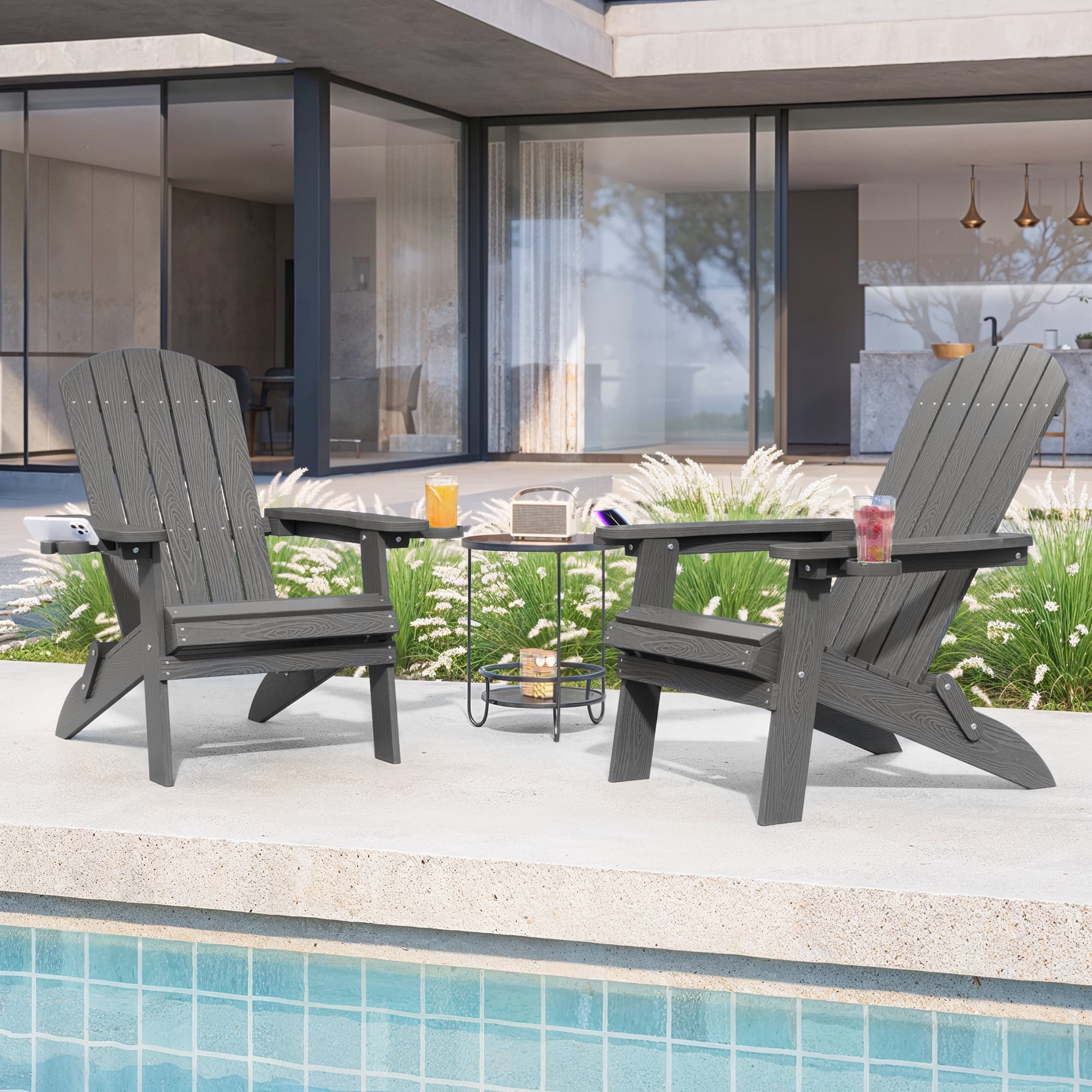
Achieving optimal adirondack chair comfort requires understanding how its iconic slanted seat, pitched backrest, and wide armrests interact with human ergonomics, as traditional wooden models often benefit from targeted adjustments like cushions or contoured slats to eliminate pressure points.
The Adirondack chair is an American outdoor design icon, instantly recognizable by its deep-slanted seat, high backrest, and impossibly wide paddle armrests. Originally invented in the early 20th century by Thomas Lee in the Adirondack Mountains of New York, the chair was built to withstand rugged terrain while offering a place to relax amidst nature. However, anyone who has spent an afternoon in a traditional, rigidly flat-slanted wooden Adirondack chair knows that visual charm does not automatically translate to physical ease. Achieving true adirondack chair comfort requires understanding the geometry behind the design, recognizing the ergonomic compromises built into historical models, and evaluating how modern engineering, materials, and accessories can transform a stiff seat into an oasis of relaxation.
Understanding the Ergonomic Blueprint of Traditional Designs
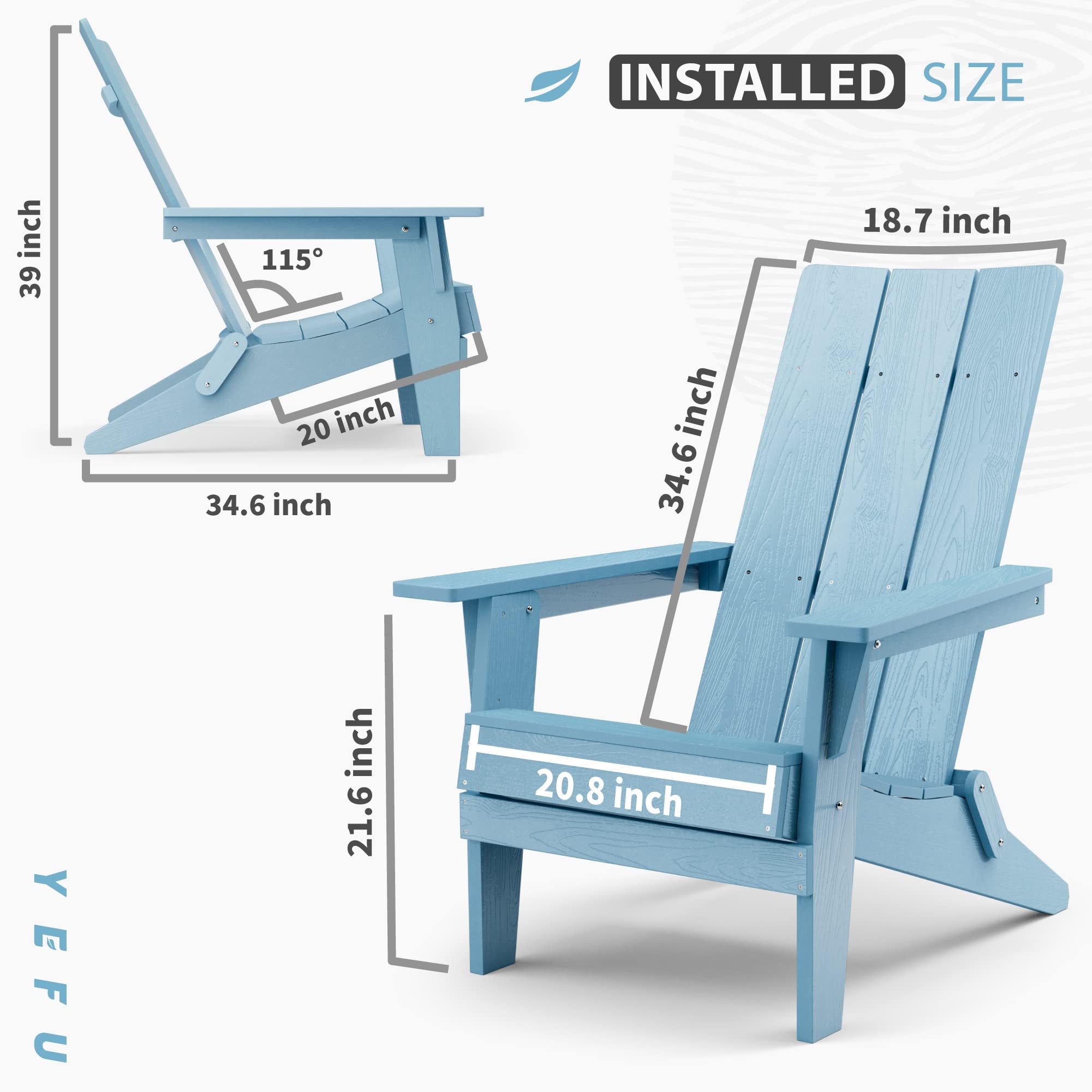
To evaluate adirondack chair comfort, one must first examine the geometry that defines the style. A classic Adirondack chair places the sitter very close to the ground, with a seat height typically ranging from 10 to 15 inches at the front and sloping downward toward the rear. This low profile allows the legs to extend outward rather than bending at a sharp 90-degree angle, which naturally relieves pressure on the hamstrings and lower back.
The backrest tilts backward at an angle usually between 25 and 30 degrees, encouraging a reclined posture that distributes body weight evenly across the back slats rather than concentrating it at the base of the spine. However, traditional designs frequently employ flat, uncurved wooden slats. While this flat geometry is exceptionally stable and easy to manufacture, the human spine is naturally curved. Without lumbar support or a contoured back panel, a flat-slanted wooden backrest can create pressure points against the shoulder blades and the lumbar region, leading to stiffness over extended periods of lounging.
Furthermore, the iconic wide armrests—often measuring six to eight inches across—serve a dual purpose as functional side tables for books or beverages, but they can sometimes force the shoulders into an awkward, elevated position if they are set too high relative to the seat pan. Evaluating how your body interacts with these specific dimensions is the first step in determining whether a particular chair style will suit your physical needs.
Material Selection and Its Impact on Physical Ease
The material used to construct the chair plays a profound role in long-term seating satisfaction. While wood remains the traditional choice, modern material science has introduced alternatives that alter the physical experience of sitting outdoors.
Wood, such as teak, cedar, and acacia, offers a classic aesthetic and natural temperature regulation. High-grade woods are firm yet possess a slight, microscopic flex that yields gently under body weight. However, wood can feel unyielding if the slats are too thick or spaced improperly. Furthermore, wooden chairs require regular maintenance to prevent splintering or warping, which directly degrades user comfort over time.
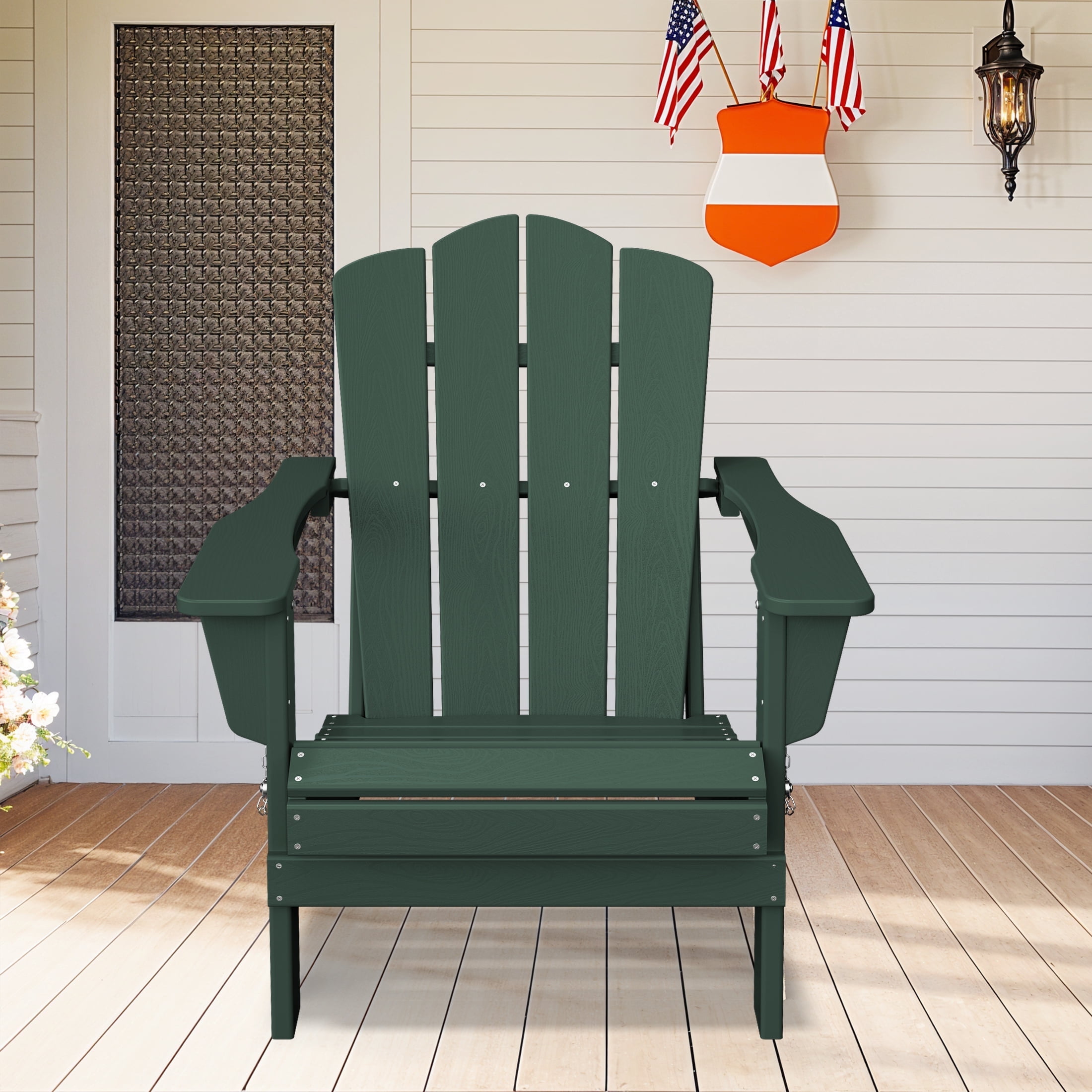
High-Density Polyethylene (HDPE), commonly known as poly lumber, has revolutionized the outdoor furniture market. Poly lumber is heavy, completely weather-resistant, and won't splinter. From an ergonomic perspective, poly lumber is stiffer than natural wood. Because it has virtually no flex, manufacturers of high-end poly furniture must use CNC routing to carve ergonomic contours into the seat pans and backrests. Without these contoured curves, flat poly lumber chairs can feel notably harder and colder than their wooden counterparts.
| Material Type | Flex & Cushioning | Maintenance Demand | Thermal Regulation | Ergonomic Potential |
|---|---|---|---|---|
| Western Red Cedar | Moderate natural give | Medium (sealing/staining) | Excellent (stays temperate) | High when contoured |
| Teak | Low to moderate | Low (weathers to silver) | Good | High |
| Poly Lumber (HDPE) | Rigid (unless engineered) | Very Low (soap and water) | Poor (retains heat/cold) | Variable (relies on contouring) |
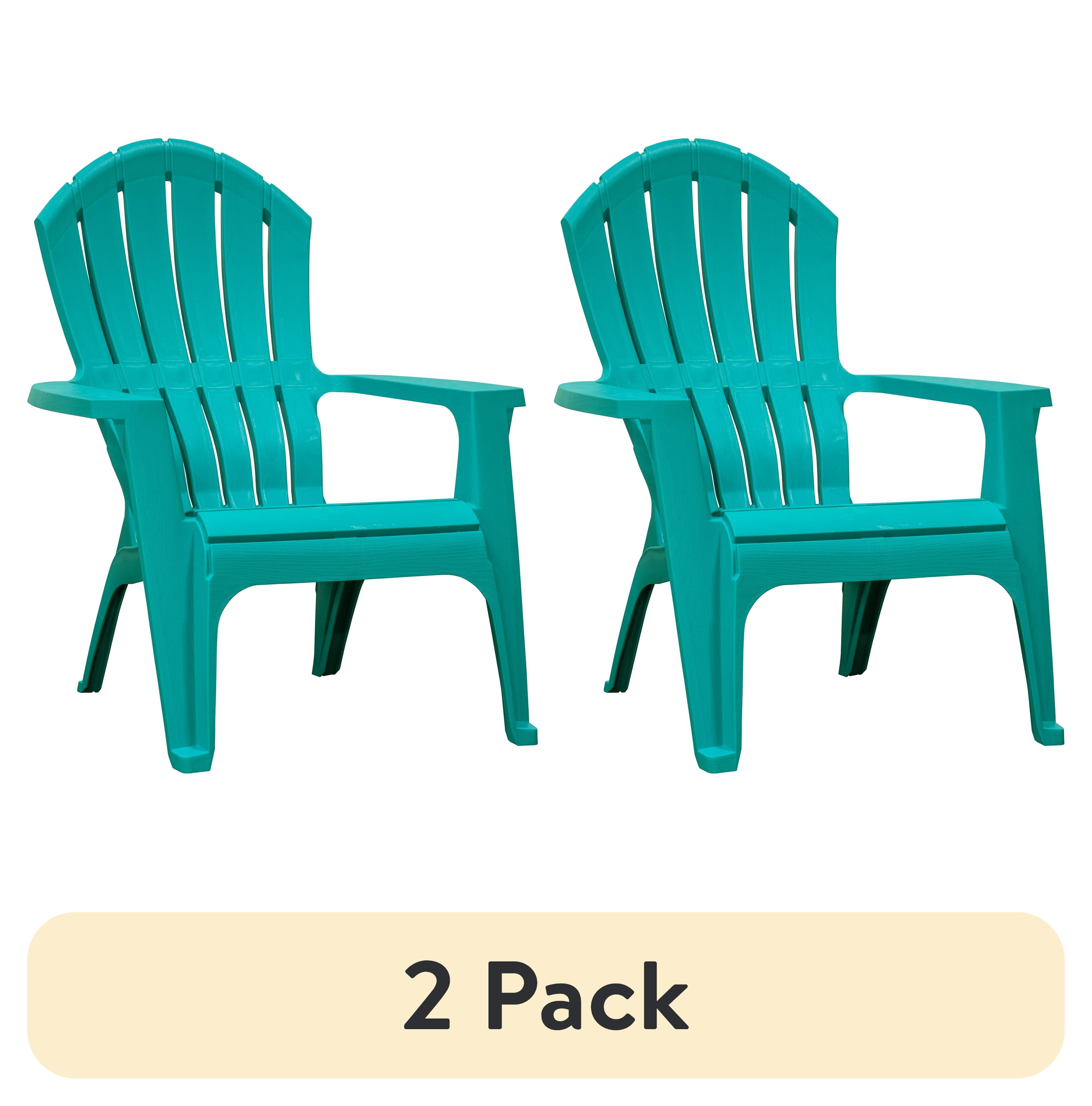
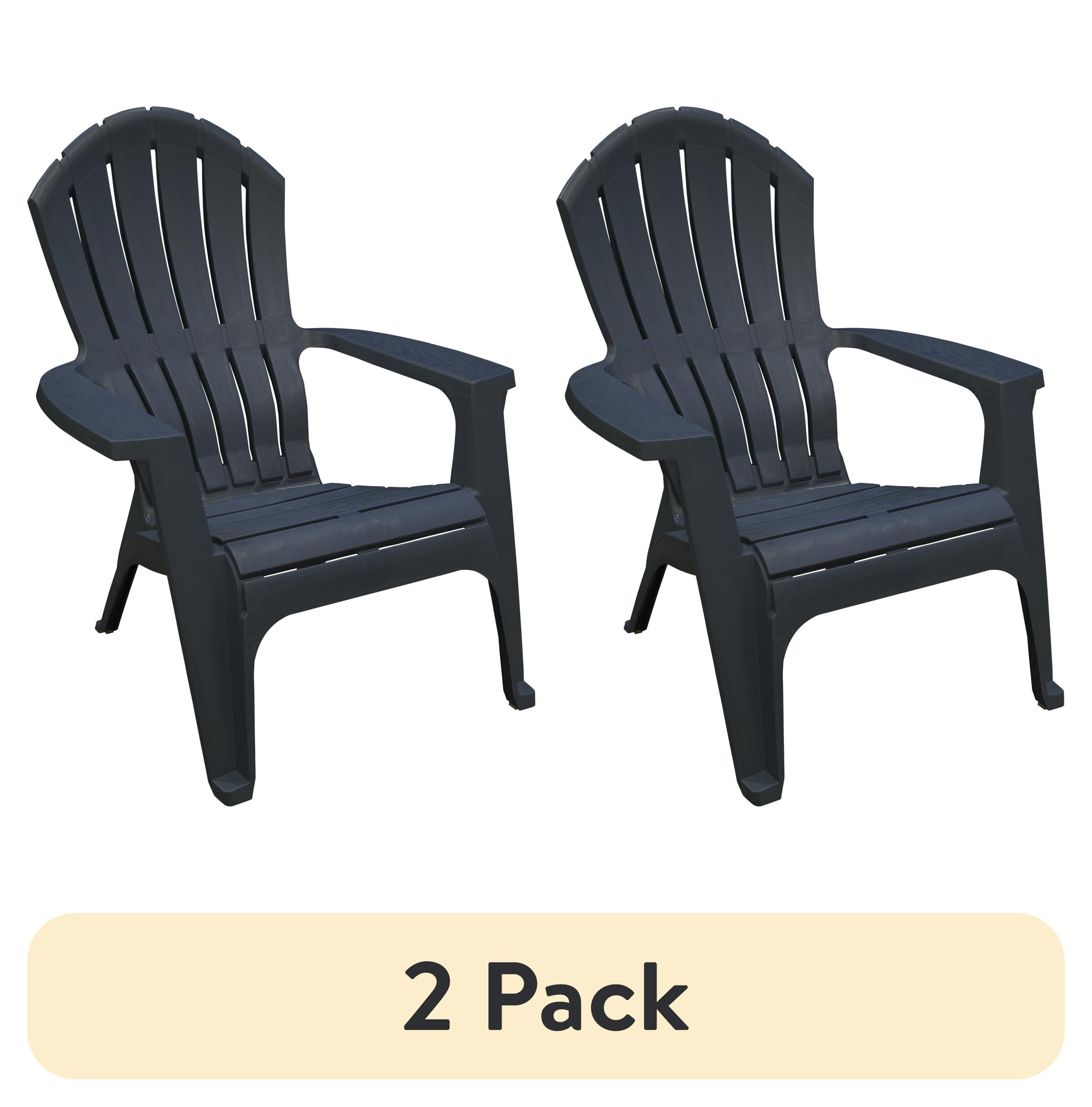
| Injection-Molded Plastic | High initial flex | Very Low | Poor | Low to Moderate |
Modern Ergonomic Innovations and Contoured Designs
Recognizing the ergonomic limitations of flat-slanted historical models, contemporary furniture designers have introduced significant architectural refinements. Modern manufacturers frequently incorporate waterfall front edges on the seat pan, which curve downward to eliminate the sharp wooden edge that traditionally cut into the backs of the knees and restricted lower leg circulation.
Additionally, lumbar-supportive backrests featuring three to five vertical or fan-shaped slats are now engineered with subtle horizontal curves. These curves cradle the natural inward arch of the lower back, reducing muscle fatigue during long periods of sitting. Another major innovation is the adjustable-back Adirondack chair. These models feature a concealed mechanical ratchet system underneath the top rail, allowing users to shift the recline angle from an upright reading posture to a deep-sleep lounging angle.
When shopping for an Adirondack chair with comfort as your primary priority, look for specifications that explicitly mention ergonomic slating, contoured seat pans, and multi-position recline capabilities rather than settling for rigid, flat-pack replicas.
Enhancing Seating Quality with Accessories and Adjustments
Even the most thoughtfully engineered Adirondack chair can benefit from targeted accessories to achieve maximum relaxation. Because the chair's design encourages a semi-reclined posture, adding the right support elements changes the physical experience entirely.
An Adirondack chair ottoman is perhaps the single most effective addition. By elevating the feet to the same horizontal plane as the hips, an ottoman relieves pressure on the lower lumbar region and improves overall blood circulation in the lower extremities. When your legs are supported horizontally, the body’s weight is distributed more evenly across the entire surface of the chair.
Cushions designed specifically for Adirondack chairs are another transformative upgrade. Standard patio cushions rarely fit the unique trapezoidal shape of an Adirondack seat, which is wider at the front and narrower at the back. Specially contoured outdoor cushions feature tapered profiles and integrated ties to secure them to the tall backrest. Opting for quick-drying foam encased in weather-resistant performance fabrics ensures that the cushion adds plush pressure relief without retaining moisture or mildew. For lumbar support without a full cushion, a small, weather-resistant lumbar pillow placed precisely in the lower curve of the backrest provides targeted relief for individuals with chronic back stiffness.
Common Ergonomic Mistakes and How to Avoid Them
Many consumers struggle with outdoor seating discomfort simply due to mismatched proportions or improper placement. One common mistake is ignoring seat depth and height relative to the user's stature. Traditional Adirondack chairs are built low to the ground, which can make standing up challenging for individuals with knee or hip mobility limitations. Selecting an "oversized" or "tall" variant with a slightly higher front seat clearance can resolve this issue without sacrificing the classic recline angle.
Another frequent error is placing the chair on soft, uneven turf. If the front legs sink into wet soil while the rear legs remain elevated, the chair's recline angle is artificially altered, forcing the user into a strained, forward-leaning posture that stresses the neck and shoulders. Always place your seating on a level patio, deck surface, or sturdy paver stones to maintain the engineered ergonomic pitch. Finally, neglecting seasonal maintenance on wooden chairs can lead to warped slats or protruding fasteners that create uncomfortable physical snags. Inspecting and tightening hardware annually ensures the chair maintains its structural integrity and supportive geometry.
Selecting Your Ideal Seating Solution
To maximize your outdoor relaxation, approach your selection process as a deliberate ergonomic assessment rather than a purely aesthetic choice. Measure your available space, consider whether you prefer the low-maintenance rigidity of poly lumber or the organic warmth of cedar, and decide if you will require secondary accessories like ottomans or custom cushions to achieve your personal comfort threshold. By prioritizing engineered lumbar curves, adjustable recline angles, and proper sizing, you can transform a backyard staple into a remarkably supportive ergonomic retreat.