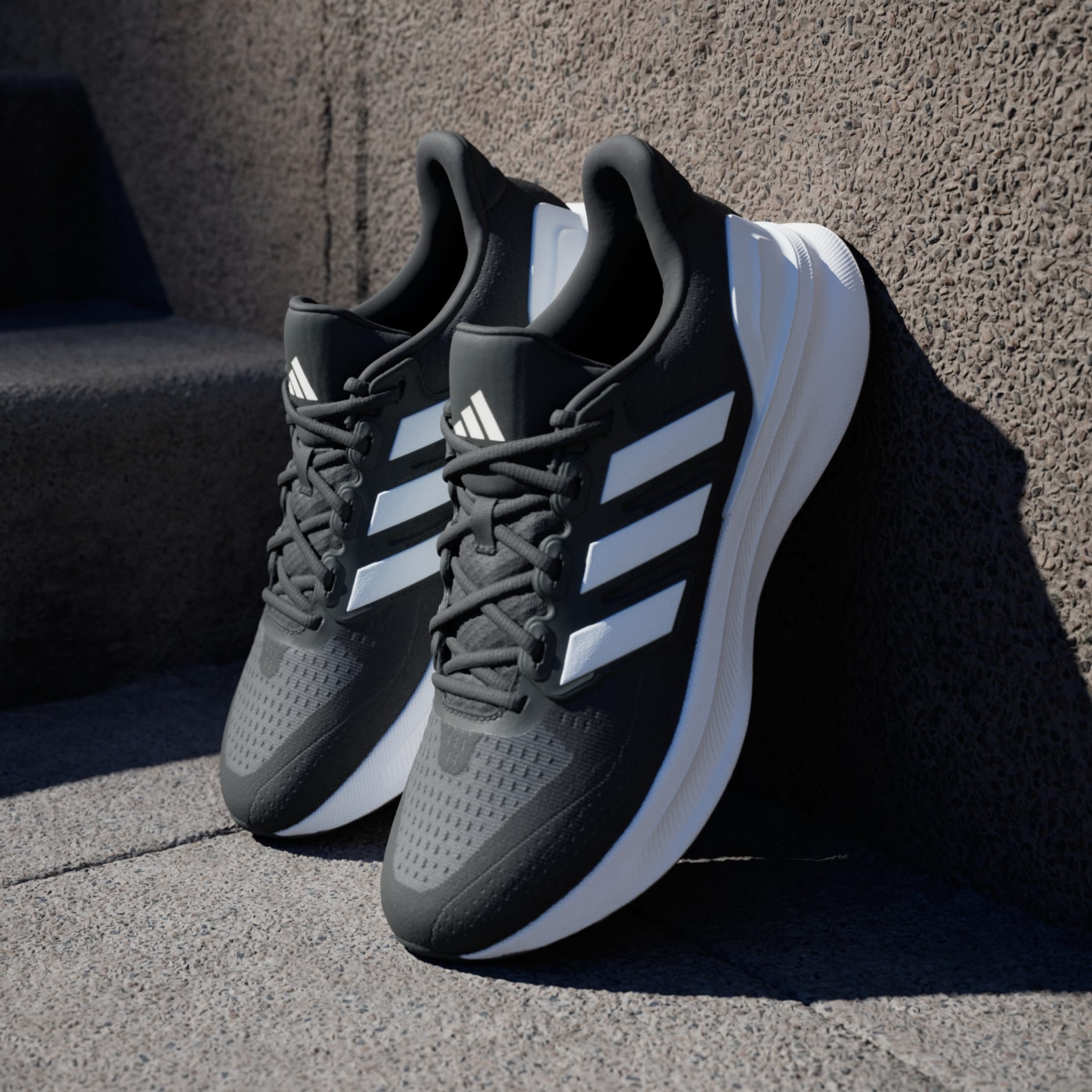
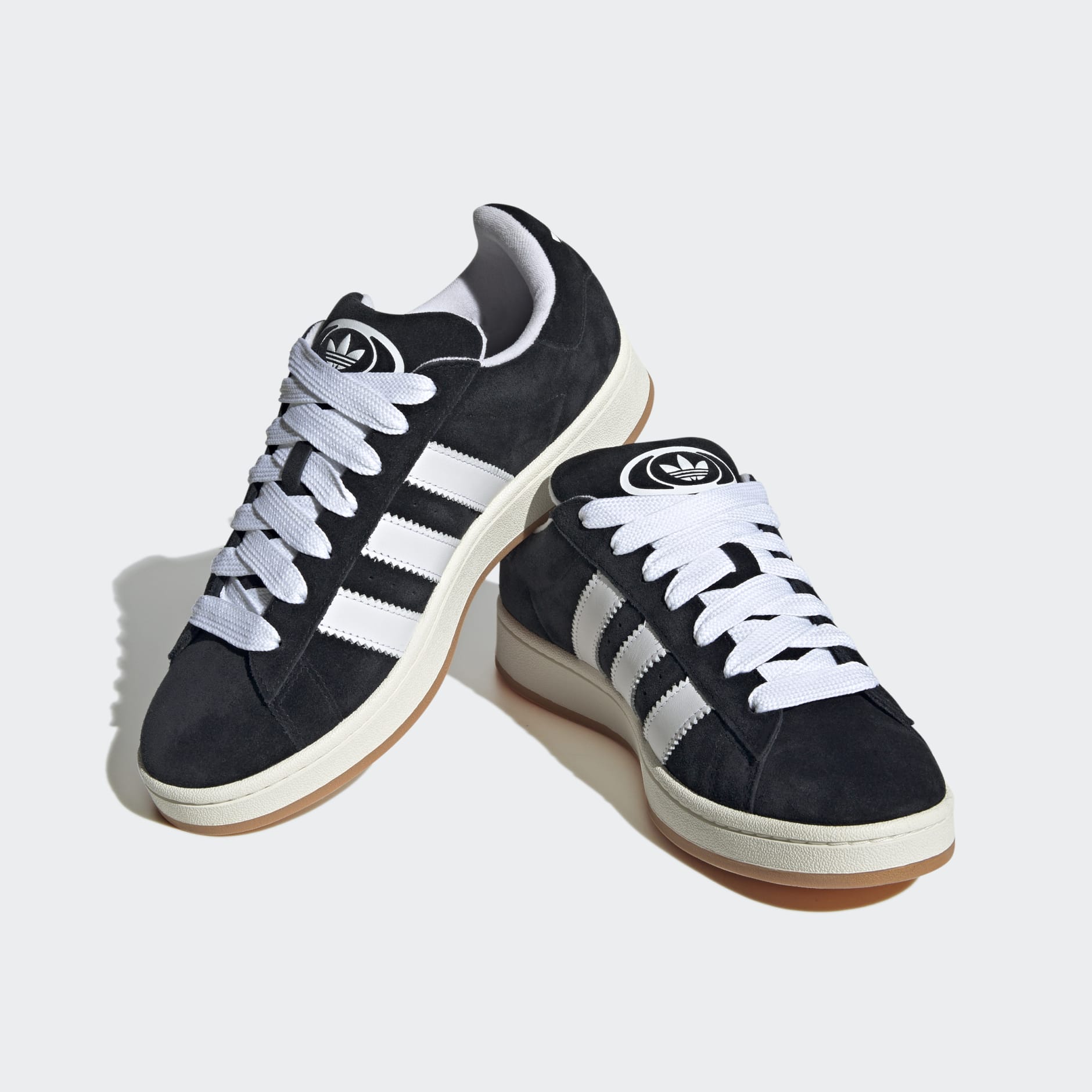
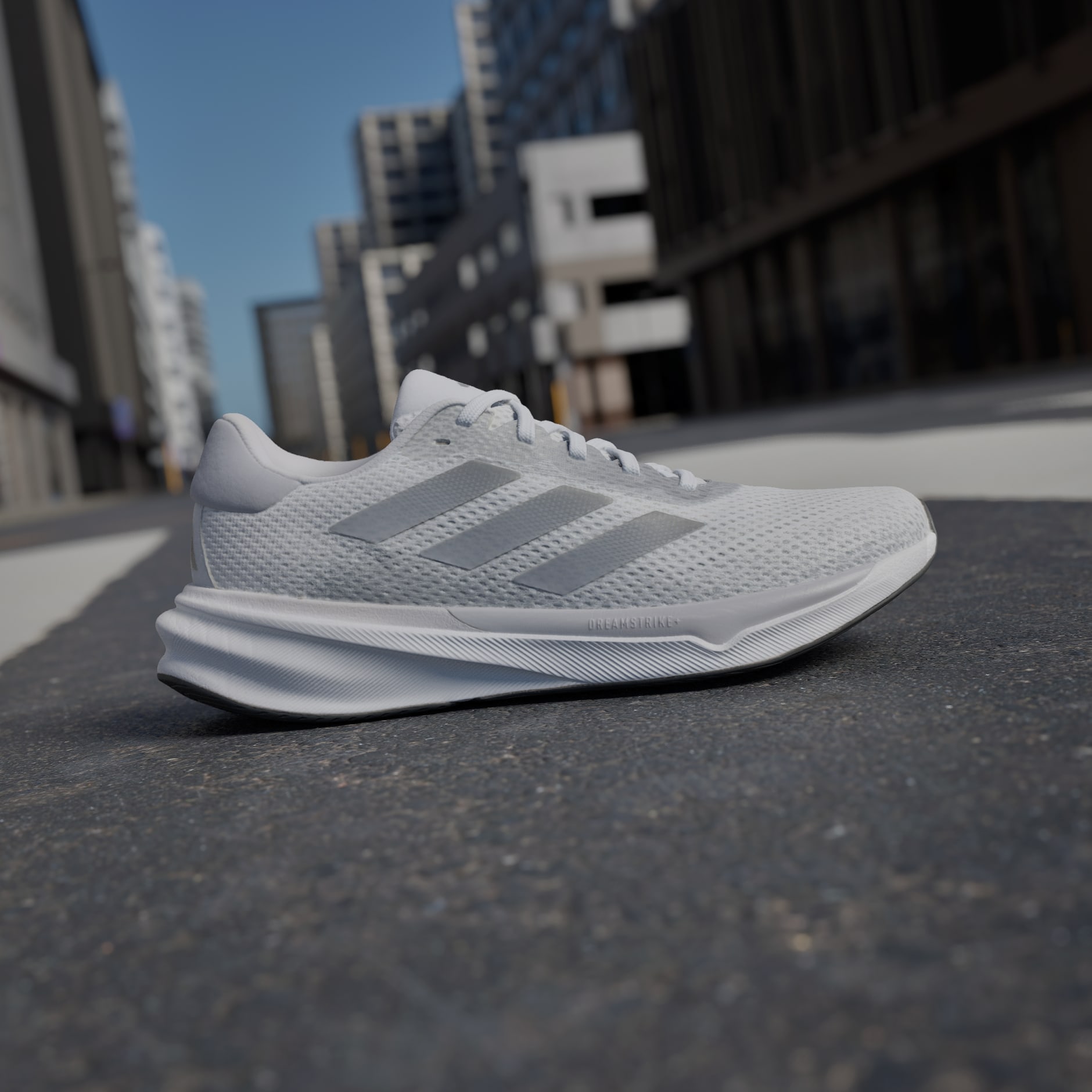
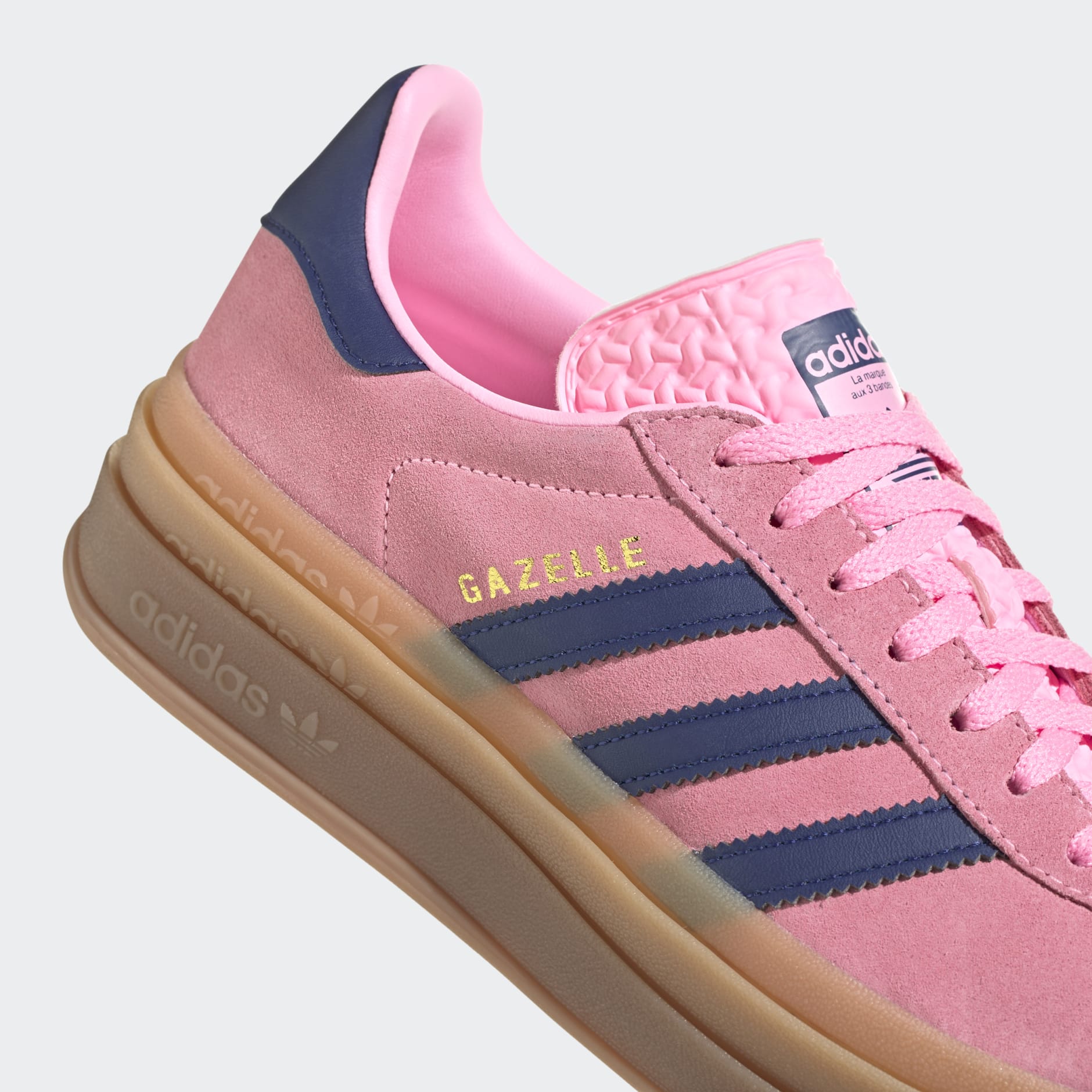
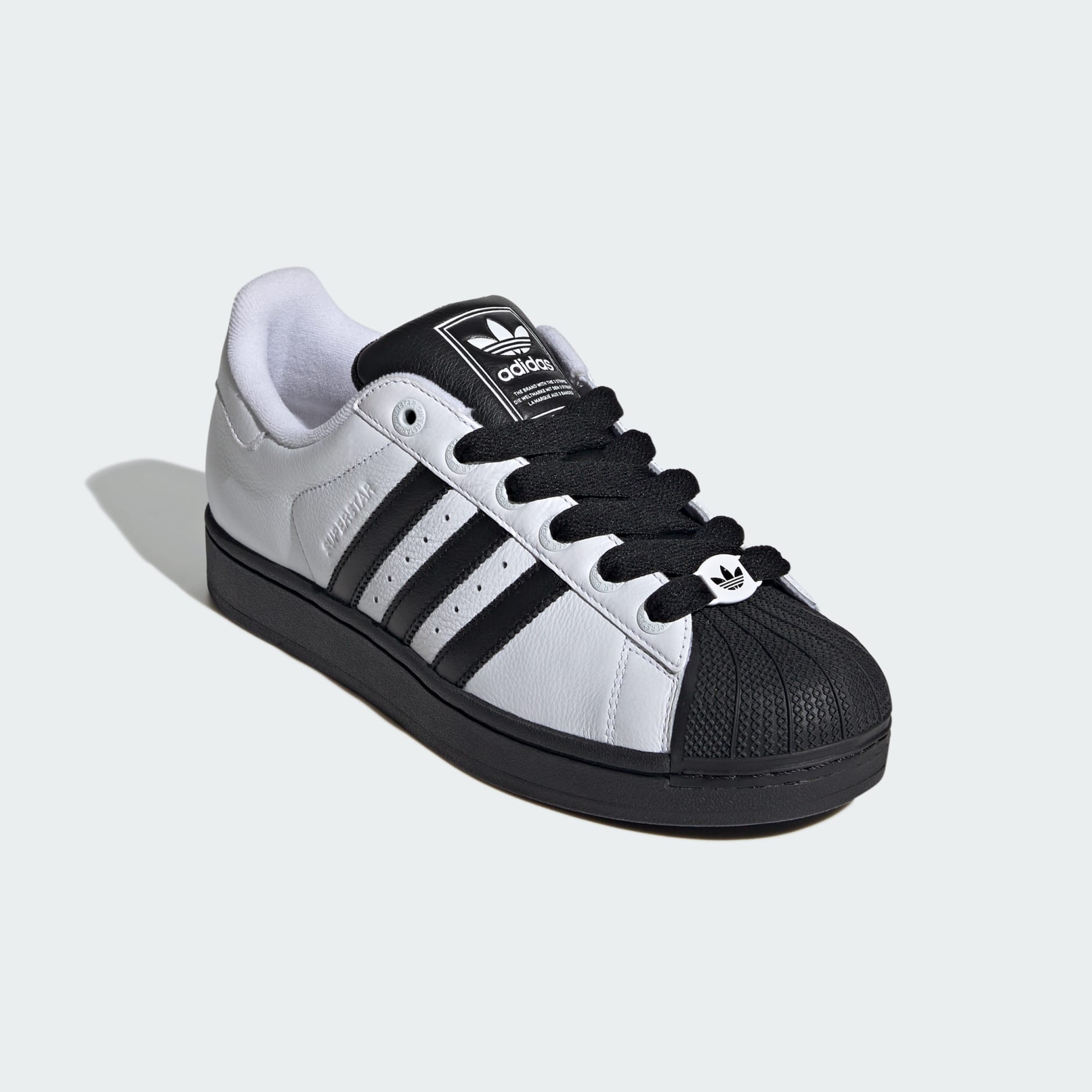
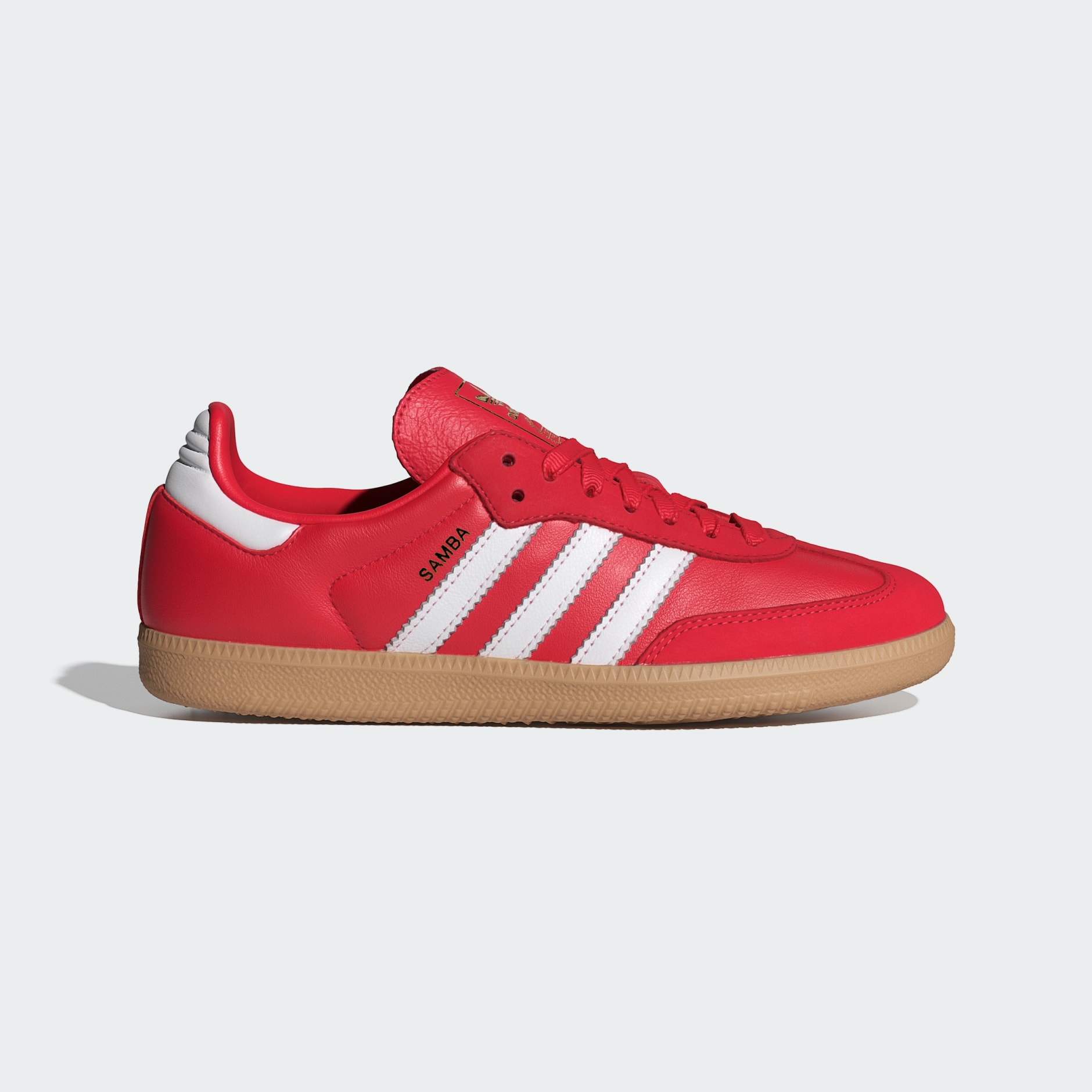
Adidas sneakers represent a fusion of German engineering and global street culture, offering specialized footwear for athletics, lifestyle, and high-fashion collaborations. To choose the right pair, consumers must evaluate the specific cushioning technology—such as Boost or 4D—alongside the intended use, whether it is high-mileage marathon running, professional skateboarding, or casual daily wear.
The Evolution of the Three Stripes: From Performance to Culture
The history of Adidas sneakers is rooted in the early 20th century, founded by Adolf "Adi" Dassler in Herzogenaurach, Germany. What began as a mission to provide athletes with the best possible equipment transformed into a global phenomenon that transcends sports. The brand's identity is inextricably linked to the "Three Stripes" motif, a design element originally implemented for structural support that became one of the most recognized trademarks in the world.
Throughout the mid-20th century, Adidas dominated the Olympic stage and professional football (soccer) pitches. However, the 1970s and 80s marked a significant pivot point where the sneakers moved from the stadium to the sidewalk. The adoption of the Superstar by hip-hop pioneers and the Stan Smith by the fashion elite cemented the brand's dual identity. By 2026, Adidas has successfully balanced this heritage with cutting-edge digital manufacturing, ensuring that their archival silhouettes remain relevant while their performance gear pushes the boundaries of human physiology.
Understanding the "Three Stripes" catalog requires recognizing three distinct sub-brands:
- Adidas Performance: Focused on the latest athletic innovations for running, football, basketball, and training.
- Adidas Originals: Dedicated to heritage models and lifestyle fashion, utilizing the iconic Trefoil logo.
- Adidas Terrex: Specialized outdoor gear designed for hiking, trail running, and alpine environments.
Proprietary Technologies Defining Modern Adidas Footwear
The primary differentiator for Adidas sneakers is their investment in midsole and upper technologies. These innovations are not merely aesthetic; they are engineered to provide specific mechanical advantages such as energy return, thermal regulation, and weight reduction.
Boost Technology
Launched in 2013, Boost remains the flagship cushioning technology for the brand. Created in partnership with BASF, Boost is composed of expanded Thermoplastic Polyurethane (eTPU) pellets that are fused together. This structure provides a high level of energy return, meaning the material compresses under impact and quickly rebounds to its original shape. Unlike traditional EVA (Ethylene Vinyl Acetate) foam, Boost is highly resistant to temperature fluctuations, maintaining its soft feel in freezing conditions and its structural integrity in extreme heat.
4D and Digital Light Synthesis
Representing the pinnacle of "Futurecraft" innovation, Adidas 4D midsoles are created using Carbon's Digital Light Synthesis technology. Instead of traditional injection molding, these midsoles are "printed" using light and oxygen to shape liquid resin into a complex lattice structure. This allows Adidas to tune the density of the midsole at various points—making the heel softer for impact absorption and the forefoot stiffer for propulsion—without using different materials. In 2026, 4D has become more accessible, appearing in a wider range of lifestyle and performance models.
Primeknit and Sustainable Uppers
Primeknit is Adidas's proprietary knitting technique that creates a one-piece upper designed to fit like a sock. By varying the tension of the weave, designers can provide support in areas where the foot needs stability while allowing for maximum breathability in others. This method also significantly reduces manufacturing waste compared to traditional cut-and-sew methods. Furthermore, the brand's commitment to sustainability has led to the integration of Parley Ocean Plastic, where intercepted plastic waste from coastal communities is upcycled into high-performance polyester yarn.
Iconic Lifestyle Silhouettes and Their Cultural Impact
While performance drives innovation, the Adidas Originals line sustains the brand's cultural relevance. Several models have achieved "permanent" status in the fashion world, remaining in constant production for decades.
The Samba and Terrace Culture
The Adidas Samba, originally designed in 1949 for football players training on icy ground, has seen a massive resurgence in the mid-2020s. Its low-profile gum sole and T-toe overlay make it a staple of "Terrace" fashion—a style originating from British football stadiums. Its versatility allows it to transition from casual streetwear to more formal "athleisure" looks.
The Stan Smith: Minimalist Excellence
Named after the American tennis champion, the Stan Smith is perhaps the most famous minimalist sneaker in history. By replacing the traditional Three Stripes with perforated lines, Adidas created a clean, leather canvas that has been adopted by everyone from Japanese minimalists to high-fashion designers. By 2026, the Stan Smith has fully transitioned to "Primegreen" materials, utilizing recycled synthetic leather without sacrificing the classic silhouette.
The Superstar (Shell Toe)
Born on the basketball courts of the 1970s, the Superstar is defined by its rubber "shell" toe cap, which was originally intended to protect players' feet. It became a cultural icon through its association with 1980s hip-hop culture. Today, it remains a cornerstone of the brand, frequently serving as the base for collaborations with artists and luxury fashion houses.
Performance Running: From Ultraboost to Adizero
For athletes, Adidas offers a bifurcated approach to running: maximum comfort for daily miles and aggressive efficiency for race day.
The Ultraboost series is the quintessential "all-day" sneaker. It combines a full-length Boost midsole with a Primeknit upper and a Continental Rubber outsole. It is favored by casual runners and commuters who prioritize cushioning and comfort over weight savings. The 2026 iterations continue to refine the "LEP" (Linear Energy Push) system, a plastic insert in the sole that provides a snappy feel during the gait cycle.
Conversely, the Adizero line is engineered for speed. Models like the Adizero Adios Pro utilize Lightstrike Pro foam—a lighter, more resilient alternative to Boost—and EnergyRods. These carbon-infused rods mimic the metatarsal bones of the foot, providing anatomical stiffness that assists in forward propulsion. These sneakers are designed specifically for marathon racing and high-intensity interval training.
Comparison of Popular Adidas Sneaker Models
The following table compares the key characteristics of current Adidas flagship models to help users identify the best fit for their needs.
| Model | Primary Category | Midsole Tech | Upper Material | Best Use Case |
|---|---|---|---|---|
| Ultraboost Light | Running | Boost Light | Primeknit+ | Daily training, long walks |
| Samba OG | Lifestyle | Rubber Cupsole | Leather/Suede | Casual wear, fashion |
| Adizero Adios Pro 3 | Racing | Lightstrike Pro | Celermesh | Marathons, speed work |
| 4DFWD 3 | Running/Tech | 4D Lattice | Primeknit | Forward momentum, gym |
| Terrex Free Hiker 2 | Outdoor | Boost | Ripstop/Gore-Tex | Hiking, trail walking |
| Gazelle | Lifestyle | Rubber Sole | Suede | Streetwear, retro looks |
| Stan Smith | Lifestyle | Rubber Sole | Recycled Synth | Minimalist fashion |
Sustainability and the "Made to be Remade" Initiative
As environmental regulations and consumer expectations shift, Adidas has positioned itself as a leader in circular footwear manufacturing. The "Made to be Remade" (MTBR) program is a critical component of this strategy. These sneakers are constructed using a single material type and no glue, allowing them to be ground down and recycled into new shoes at the end of their lifespan.
Furthermore, the brand has expanded its use of Mylo, a leather alternative grown from mycelium (the root structure of mushrooms). This bio-based material offers the look and feel of traditional animal leather with a fraction of the environmental footprint. By 2026, these sustainable practices are no longer limited to niche collections but are integrated into the core production of high-volume models like the Stan Smith and Superstar.
Maintenance, Sizing, and Authentication
To ensure the longevity of Adidas sneakers, proper care is essential. For Boost-based sneakers, the white foam can turn yellow over time due to oxidation. Using specialized midsole markers or gentle cleaning with a soft brush and mild detergent can mitigate this. For suede models like the Gazelle or Spezial, a dedicated suede brush and waterproof spray are necessary to prevent water staining.
Sizing Considerations
Adidas generally follows a "True to Size" (TTS) standard, but specific models vary:
- Ultraboost: Often fits snug; many users go up a half size for a more relaxed fit.
- Samba/Gazelle: These are narrow silhouettes. Those with wide feet should consider a half size up.
- Yeezy (Adidas Partnership): Historically notorious for running small; usually requires a full size increase.
Authentication
Due to the high demand for limited-release Adidas sneakers, counterfeit products are prevalent. Official pairs can be verified through the unique serial numbers found on the inside tongue tag; on authentic pairs, the left and right shoes will have different last-digit sequences. Additionally, the quality of the Boost "pellets" is a key indicator, as genuine Boost has a distinct pebbled texture that is difficult to replicate with cheap molded foam.
How do I clean white Adidas Boost midsoles?
White Boost foam is porous and tends to trap dirt. To clean it, use a soft-bristled brush with a solution of warm water and a small amount of eco-friendly dish soap or specialized sneaker cleaner. Gently scrub the foam in circular motions. For stubborn stains or yellowing, a specialized white oil-based paint marker designed for sneakers can be used to restore the original color. Avoid putting sneakers in the dryer, as high heat can degrade the foam's structural integrity.
Are Adidas sneakers better for wide feet than other brands?
It depends entirely on the model. Adidas sneakers built on "Lifestyle" lasts, such as the Superstar or the NMD, tend to be more accommodating for wider feet. However, performance models like the Adizero line or heritage models like the Samba are built on narrower lasts for a secure fit. If you have wide feet, look for models with "Primeknit" uppers, as the material stretches to accommodate the foot's shape more effectively than stiff leather.
What is the difference between Adidas Originals and Adidas Performance?
Adidas Performance is the branch of the company focused on modern athletic technology and competitive sports; its products feature the "Badge of Sport" (the three slanted bars) logo. Adidas Originals focuses on lifestyle, fashion, and heritage models, utilizing the "Trefoil" (leaf-like) logo. While Originals may use older technologies, they are designed for aesthetic appeal rather than rigorous athletic competition.
How long do Adidas running shoes last?
Most Adidas running shoes, particularly those using Boost or Lightstrike foam, are designed to last between 300 to 500 miles (480 to 800 kilometers). After this point, the mechanical properties of the foam may begin to diminish, leading to less energy return and reduced impact protection. Continental Rubber outsoles are known for their high durability and typically outlast the cushioning of the shoe.
Choosing the Right Pair for Your Needs
Selecting the ideal Adidas sneaker requires a balance between functional requirements and personal style. If your priority is maximum comfort for standing all day, the Ultraboost or NMD series offers the most forgiving cushioning. For those seeking a timeless aesthetic that pairs well with denim or trousers, the Samba or Stan Smith remains the gold standard.
Before purchasing, verify your size specifically for the model you are interested in, as the fit can vary between a narrow leather football shoe and a stretchy knit runner. Always purchase from authorized retailers or reputable secondary markets that offer authentication services to ensure you are receiving genuine "Three Stripes" technology. In 2026, with the brand's increased focus on sustainability, also consider the material composition of your choice, opting for Primegreen or MTBR versions to support more circular fashion practices.