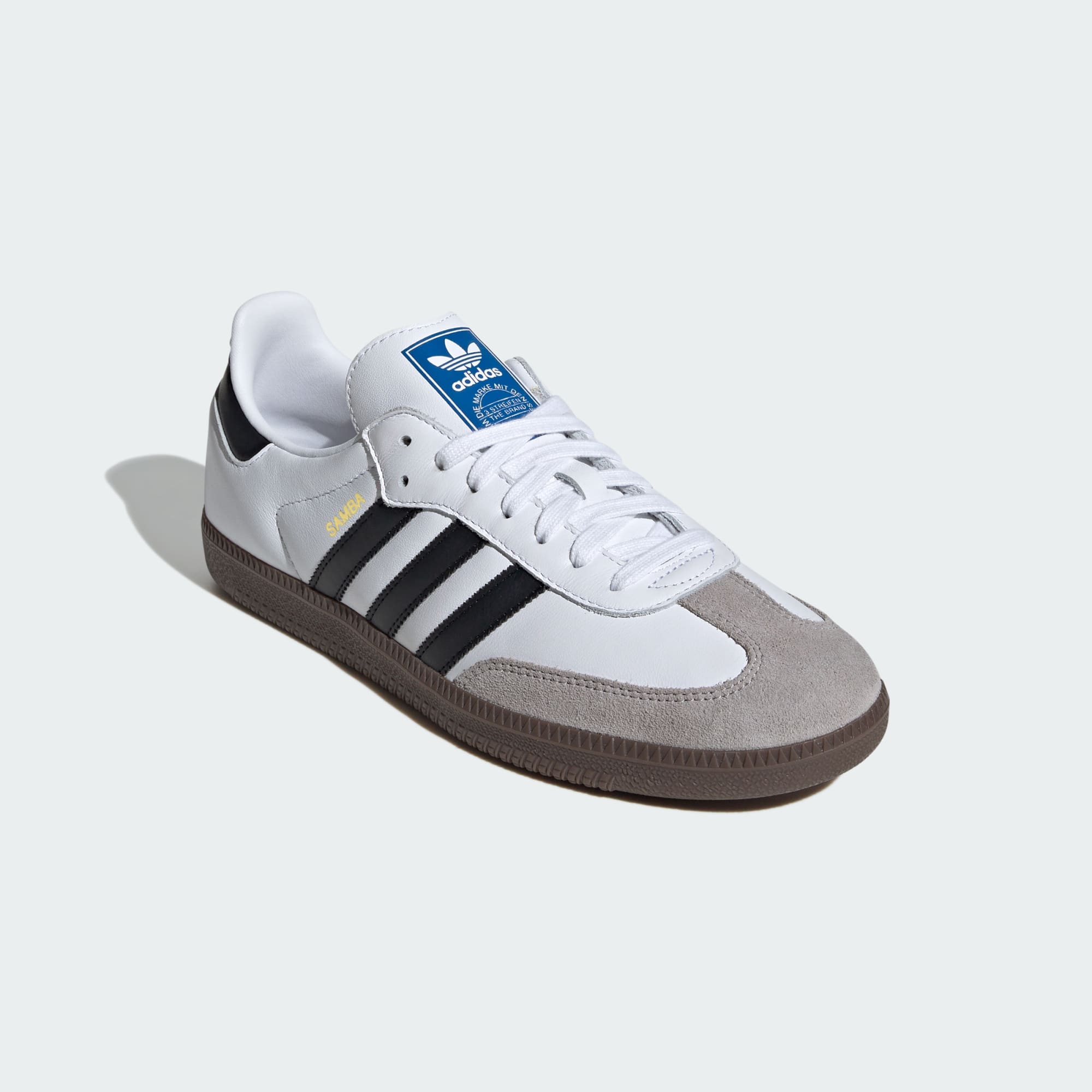
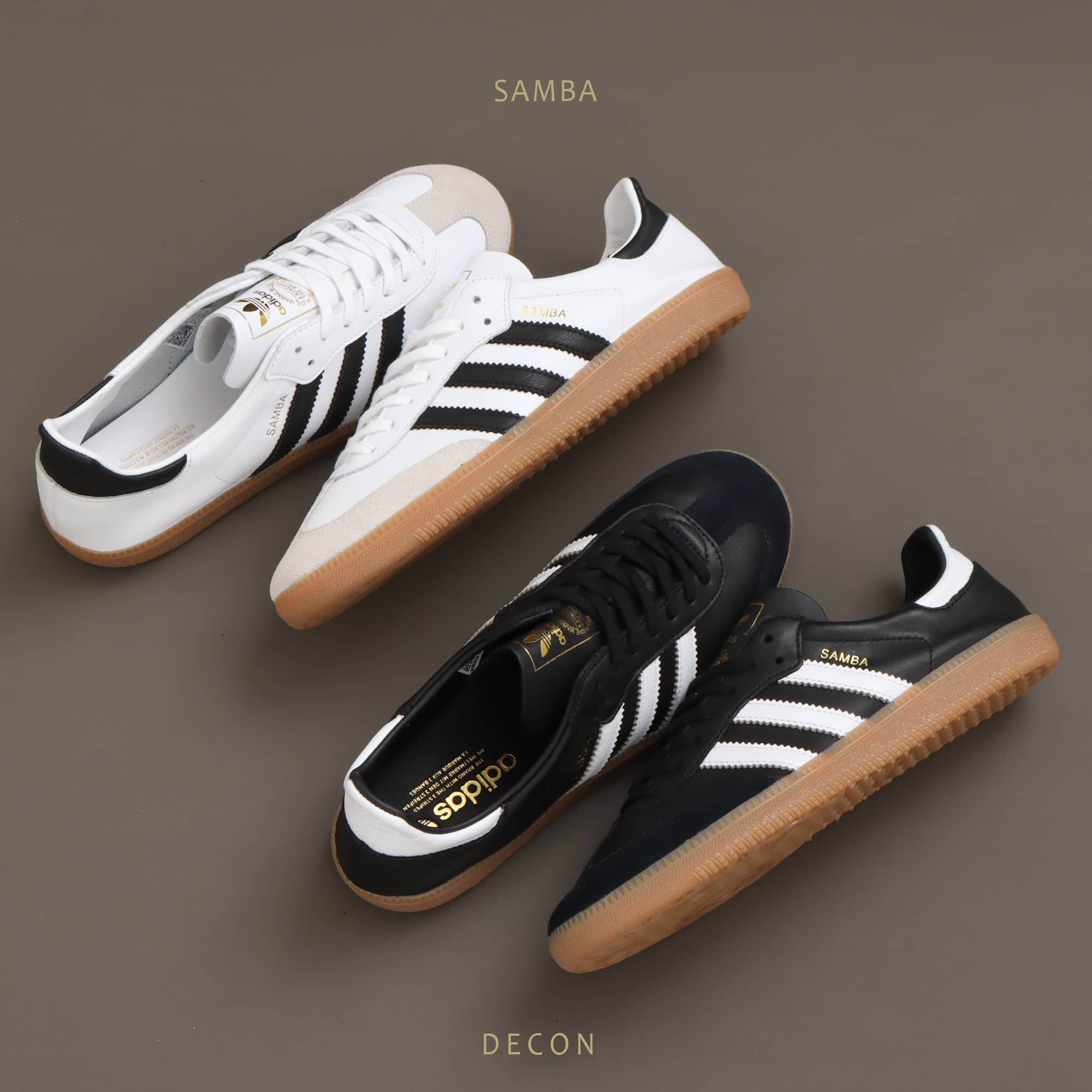
The Adidas Samba is a versatile low-top sneaker originally designed in 1949 to provide traction on icy soccer pitches. In 2026, it remains a definitive lifestyle icon, blending a minimalist "terrace" aesthetic with functional durability. It serves as a timeless footwear solution that transitions seamlessly between casual, athletic, and high-fashion environments.
The Evolution of an Icon: From Frozen Pitches to Global Runways
The Adidas Samba holds the distinction of being the brand’s longest-running silhouette in production. Its inception in 1949 by Adi Dassler was driven by a practical problem: European soccer players needed a shoe that could grip frozen, slippery ground. The original design featured a mid-top cut and a heavy leather build, drastically different from the sleek profile recognized today. To generate excitement for its debut at the 1950 FIFA World Cup in Brazil, Adidas named the shoe the "Samba," borrowing from the country's vibrant music and dance culture.
Throughout the 1960s and 1970s, the Samba underwent several design iterations that moved it closer to its modern form. The introduction of the non-marking gum rubber outsole made it the gold standard for indoor soccer (futsal), where players required exceptional pivot control and grip on polished wood or composite floors. However, its transition from the pitch to the pavement occurred most notably in the United Kingdom during the 1980s. As a cornerstone of the "Terrace" fashion movement, the Samba became a badge of identity for football fans who traveled across Europe, favoring sportswear that was both practical for travel and stylish for the stands.
By 2026, the Samba has surpassed its status as a mere trend. While it experienced a massive resurgence in the early 2020s—driven by high-profile collaborations and a shift toward minimalist "quiet luxury"—it has now settled into the category of a "permanent classic." Much like the Stan Smith or the Superstar, the Samba is no longer subject to the whims of fast-fashion cycles; it is a foundational wardrobe staple valued for its slim silhouette and historical pedigree.
Understanding the Primary Adidas Samba Variations
As the Samba evolved, Adidas developed several distinct versions to cater to different user needs, from performance athletes to eco-conscious consumers. Choosing the right model requires an understanding of the technical differences in construction and materials.
The Samba OG
The OG (Original) is the version most commonly seen on the streets in 2026. It is designed to mimic the vintage look of the 1950s and 60s models. It typically features a soft leather upper, a suede T-toe overlay, and the classic dark gum sole. The OG is favored for its "low-profile" look, making it the most versatile option for styling with everything from denim to tailored trousers.
The Samba Classic
Often confused with the OG, the Samba Classic is the performance-oriented version. The most striking difference is the extended fold-over tongue, which was originally designed to protect the laces and provide a better striking surface for soccer balls. The Classic also features a slightly bulkier build and more cushioning around the ankle. It is the preferred choice for those who actually intend to play indoor sports or prefer a more "athletic" aesthetic.
The Samba Vegan
Reflecting the industry-wide shift toward sustainability that has matured by 2026, the Samba Vegan looks almost identical to the OG but uses no animal products. The upper is constructed from high-quality synthetic leather, and the adhesives used are entirely animal-free. While the "break-in" period for synthetic leather can differ slightly from traditional hide, the Vegan model has become a top seller for those prioritizing ethical manufacturing without sacrificing the iconic silhouette.
The Velosamba
A niche but highly successful adaptation, the Velosamba is designed specifically for urban cyclists. It features a reinforced "power plate" in the midsole to increase pedaling efficiency and is compatible with two-bolt SPD cleats. This model allows commuters to maintain the Samba aesthetic while having the technical advantages of a cycling shoe, illustrating the silhouette's incredible adaptability.
Sizing and Fit Guide: Finding Your Perfect Match
One of the most frequent challenges for new Samba owners is navigating the shoe’s unique fit profile. Historically, the Samba was designed as a performance tool, meaning it was intended to fit snugly to ensure the foot didn't slide inside the shoe during rapid lateral movements.
Width and Length Considerations
The Adidas Samba is notorious for having a narrow silhouette. For individuals with average-width feet, true-to-size (TTS) is generally the standard recommendation. However, the arch support in the Samba is relatively high and firm compared to modern foam-based sneakers. This can be jarring for users with flat feet or those accustomed to the "marshmallow" feel of contemporary running shoes.
- For Narrow/Standard Feet: Stick to your usual Adidas size. The leather will stretch slightly over the first 5 to 10 wears, conforming to the shape of your foot.
- For Wide Feet: It is highly recommended to go half a size up. Because the T-toe suede wrap is stitched over the leather, the forefoot has limited "stretch" potential in the width department. Going up a half size provides the necessary clearance to prevent the foot from pinching at the metatarsals.
The Break-In Period
Unlike modern knit or mesh shoes, a leather Samba requires a break-in period. You may notice some stiffness in the heel counter and the tongue initially. To minimize discomfort, wear thicker socks during the first few outings. By 2026, the quality of Adidas’s "B-grade" and sustainable leathers has improved, reducing the break-in time significantly compared to the rigid models of the late 20th century.
Comparison of Popular Adidas Samba Models
| Feature | Samba OG | Samba Classic | Samba Vegan | Velosamba |
|---|---|---|---|---|
| Primary Use | Lifestyle / Fashion | Indoor Soccer / Sports | Eco-conscious Fashion | Urban Cycling |
| Upper Material | Full-grain Leather | Synthetic/Leather Mix | 100% Synthetic Vegan | Coated Water-Resistant Leather |
| Tongue Style | Short / Standard | Long / Extended | Short / Standard | Short / Reinforced |
| Outsole | Dark Gum Rubber | Light/Medium Gum | Synthetic Rubber | Cleat-compatible Gum |
| Arch Support | Moderate | High | Moderate | High (Stiff Midsole) |
The "Terrace" Competition: Samba vs. Gazelle vs. Spezial
In 2026, the Adidas "Terrace" line—shoes inspired by 1970s and 80s football fan culture—is more popular than ever. While the Samba is the most famous, the Gazelle and the Handball Spezial offer similar vibes with distinct differences.
The Adidas Gazelle features a slightly wider base and a more rounded toe compared to the Samba's sharp T-toe. It is almost always constructed from suede rather than leather, giving it a softer, more saturated color appearance. If the Samba feels too narrow for your foot, the Gazelle is often the best alternative.
The Handball Spezial was originally designed for handball in 1979. It sits somewhere between the Samba and the Gazelle in terms of bulk. It features a more robust "four-zone" sole design for better cushioning and is often released in more diverse, Earth-toned colorways. For those who find the Samba’s sole too thin for all-day walking, the Spezial offers a slightly more cushioned underfoot experience.
Technical Maintenance: Preserving the Gum Sole and Leather
The longevity of a pair of Sambas is one of its strongest selling points. With proper care, a pair can easily last 3 to 5 years of regular wear. Because the shoe relies on a gum rubber sole, maintenance differs slightly from white-soled sneakers.
- Cleaning the Gum Sole: Gum rubber is excellent at hiding dirt, but it can become "cloudy" over time. Use a mixture of warm water and mild dish soap with a medium-bristle brush. Avoid harsh chemicals, which can dry out the rubber and cause it to crack.
- Suede T-Toe Care: The suede overlay is the most vulnerable part of the shoe. Use a waterproof protector spray before your first wear. If it gets dirty, use a dedicated suede eraser and brush; never apply water directly to the suede, as it will flatten the nap and cause discoloration.
- Leather Conditioning: For OG models, applying a leather conditioner every six months will keep the upper supple and prevent the "crease lines" at the toe box from turning into cracks.
Frequently Asked Questions
Why is the Adidas Samba tongue so long on some models?
The long tongue is a feature of the Samba Classic. It was historically designed for soccer players to fold over their laces, creating a smoother surface for kicking the ball and preventing the laces from coming undone during play. Most lifestyle wearers prefer the OG model, which has a standard-length tongue.
Are Adidas Sambas good for weightlifting?
Yes, many athletes in 2026 use Sambas for powerlifting and squatting. Because the shoe has a flat, non-compressible gum sole and a low heel-to-toe drop, it provides a stable platform and excellent "ground feel," which is preferable to the squishy soles of running shoes for heavy lifting.
How can I tell if my Adidas Sambas are authentic?
Check the "Samba" branding on the lateral side; the lettering should be crisp and slightly indented. On authentic pairs, the T-toe suede should be high-quality with a visible "flicker" when you run your finger across it. Additionally, verify the SKU on the inside tongue tag matches the box label.
Do Adidas Sambas stretch over time?
Leather models (OG) will stretch in width by approximately 5-8% after a week of consistent wear. However, they will not stretch in length. The Vegan models made of synthetic materials have significantly less "memory" and will not stretch as much as genuine leather.
Is the Adidas Samba still in style in 2026?
The Samba has transitioned from a high-heat trend to a foundational classic. While it may not dominate social media headlines as it did in 2023, its ubiquity in 2026 proves it is now considered a "safe" and stylish choice for almost any age group, much like a white button-down shirt or a denim jacket.
Final Recommendation: How to Choose Your Pair
When purchasing an Adidas Samba in 2026, your decision should be based primarily on your foot shape and intended use. If you are looking for a daily driver that pairs with a wide variety of outfits, the Samba OG in Cloud White or Core Black remains the gold standard. For those with wider feet, consider sizing up by a half-step or looking toward the Adidas Gazelle for a more forgiving fit.
If sustainability is your priority, the Samba Vegan provides the same iconic look with a smaller environmental footprint. For the urban commuter, the Velosamba is a specialized tool that bridges the gap between performance and style. Regardless of the model you choose, the Samba remains one of the few footwear options that offers a genuine piece of sporting history that still feels modern nearly 80 years after its debut.