Adhesive sensitivity is a localized skin reaction occurring when the integumentary system responds negatively to the chemical components or physical properties of medical tapes, bandages, or wearable device adhesives. This condition typically manifests as either irritant contact dermatitis (ICD) or allergic contact dermatitis (ACD), requiring specific diagnostic approaches and modified care plans to prevent skin breakdown and chronic inflammation.
The Pathophysiology of Adhesive Sensitivity
Adhesive sensitivity is not a single diagnosis but rather a spectrum of cutaneous reactions. In 2026, clinical practice continues to distinguish between mechanical irritation and true immunological responses, as the treatment for each differs significantly. Understanding the underlying mechanism is the first step in managing the condition effectively.
Irritant Contact Dermatitis (ICD) is the most common form of adhesive sensitivity. It occurs when the physical act of removing a dressing strips away the stratum corneum—the outermost layer of the skin—or when chemicals in the adhesive cause direct damage to skin cells. This is often referred to as Medical Adhesive-Related Skin Injury (MARSI). The damage is usually confined strictly to the area where the adhesive was in contact with the skin and appears almost immediately after the irritant is applied or removed.
Allergic Contact Dermatitis (ACD), conversely, is a Type IV delayed hypersensitivity reaction. This involves the immune system, specifically T-cells, which become sensitized to a particular molecule (hapten) within the adhesive. Unlike irritation, ACD can spread beyond the site of contact and may take 24 to 72 hours to manifest after exposure. Once a person is sensitized to a specific chemical, even a minute amount of that substance will trigger a reaction in the future.
The prevalence of these reactions has increased alongside the rise of wearable medical technology, such as continuous glucose monitors (CGMs) and insulin pumps. These devices require long-term adherence (often 7 to 14 days), which creates a microenvironment of heat and moisture that can exacerbate skin sensitivity.
Common Irritants and Allergens in Medical Adhesives
To manage adhesive sensitivity, one must identify the specific chemical triggers. Modern medical adhesives are complex polymers designed to balance breathability, tackiness, and durability. However, several specific components are frequently implicated in adverse reactions.
Acrylates and Cyanoacrylates
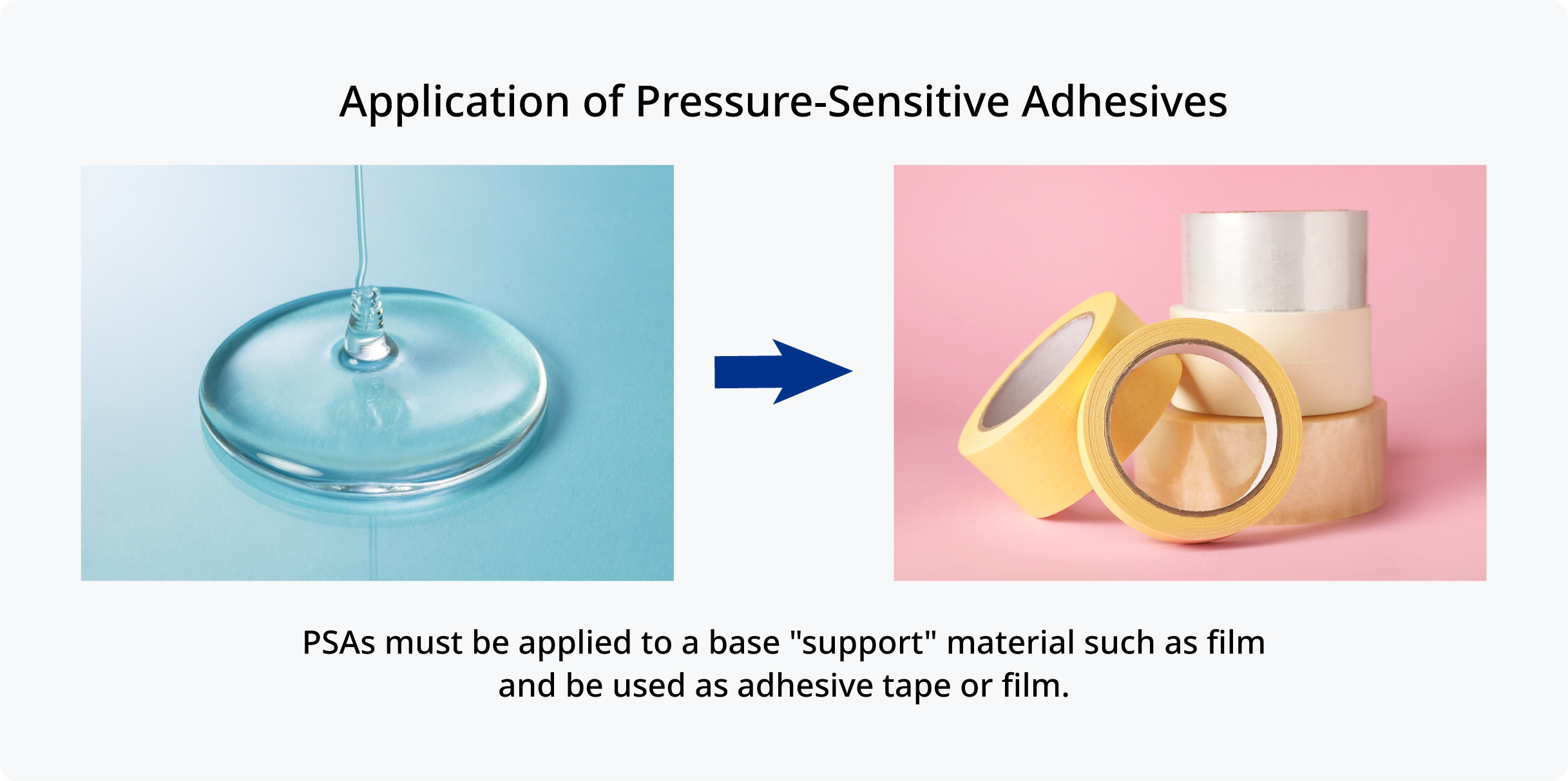
Acrylates are the primary bonding agents in most "pressure-sensitive" adhesives found in transparent films and surgical tapes. While highly effective for securing dressings, they are potent sensitizers. Cyanoacrylates, often used in liquid skin protectants or "super glue" wound closures, can also cause severe reactions in predisposed individuals. According to research published via the National Institutes of Health (NIH), acrylate allergy is a growing concern among healthcare workers and patients with chronic conditions.
Colophony (Rosin)
Colophony is a natural resin derived from pine trees. It is frequently used to increase the "stickiness" of adhesives. Because it is a natural product, it contains various organic acids that can trigger allergic reactions. It is often found in older adhesive formulations and some cloth-based tapes.
Rubber and Latex
While the medical industry has largely moved toward latex-free environments, some adhesives still use synthetic rubbers or related processing chemicals (like thiurams or carbamates) that can mimic a latex allergy. True latex-sensitive individuals must be vigilant about checking the packaging for "Latex Free" labeling, which remains a regulatory standard in 2026.
Recognizing Symptoms and Clinical Presentation
The symptoms of adhesive sensitivity vary based on the severity and the type of reaction. Early identification is crucial to prevent secondary infections or permanent scarring.
- Erythema (Redness): This is the most common sign. In ICD, the redness is usually sharply demarcated at the edges of the tape. In ACD, the redness may be diffuse or "angry" looking.
- Pruritus (Itching): Intense itching is a hallmark of allergic reactions. If the itch persists long after the tape is removed, it suggests an immune response rather than simple irritation.
- Vesicles and Blistering: Small, fluid-filled bumps often indicate a more severe allergic reaction. Large blisters may form if the adhesive has physically pulled the skin layers apart (tension blisters).
- Edema (Swelling): The skin may appear puffy or raised. This is common in areas with thinner skin, such as the inner arm or neck.
- Skin Stripping: When the adhesive is stronger than the bond between skin cells, removal can leave the area raw, shiny, or weeping.
If the skin appears "scaly" or develops a leathery texture (lichenification), this usually indicates chronic, repeated exposure to an irritant over weeks or months.
Comparative Analysis of Adhesive Types
Choosing the right adhesive requires balancing the need for securement against the patient’s skin integrity. The following table compares common adhesive technologies available in 2026.
| Adhesive Type | Primary Use Case | Risk of Reaction | Pros | Cons |
|---|---|---|---|---|
| Silicone | Fragile skin, pediatrics, frequent changes | Very Low | Minimal trauma on removal; repositionable | Lower initial tack; more expensive |
| Acrylate | Standard dressings, surgical sites | Moderate/High | Strong initial bond; cost-effective | Higher risk of ACD; can cause skin stripping |
| Zinc Oxide | Athletic taping, cloth tapes | Moderate | Breathable; stays on despite moisture | Can be drying; messy residue |
| Hydrocolloid | Wound healing, blister care | Low | Maintains moist environment; soothing | Not suitable for highly infected wounds |
| Hydrogel | Burn care, cooling dressings | Low | High water content; very gentle | Low securement power; requires secondary tape |
Diagnostic Approaches and Patch Testing
In 2026, the gold standard for diagnosing adhesive allergy remains Epicutaneous Patch Testing. Unlike "prick tests" used for hay fever, patch testing involves applying small amounts of suspected allergens to the back under occlusion for 48 hours.
A dermatologist or allergist will typically test for the "Medical Adhesive Suite," which includes various acrylates, colophony, and p-tert-butylphenol formaldehyde resin. If a patient reacts to a specific chamber, they are provided with a list of chemical names to avoid. This is particularly important for patients using long-term wearable devices, where the "trial and error" method can lead to significant skin damage.
For those experiencing ICD rather than a true allergy, a "Repeat Insult Patch Test" or simple observation of how the skin reacts to different removal techniques may be sufficient. If the skin heals quickly once the adhesive is removed and does not react to a different brand of tape, the issue is likely mechanical or related to a specific irritant rather than a systemic allergy.
Management and Prevention Strategies
Managing adhesive sensitivity involves a three-pronged approach: protection, alternative selection, and proper removal.
1. Barrier Films and Skin Protectants
Liquid barrier films (often called "skin prep") create a molecular layer between the skin and the adhesive. In 2026, "no-sting" formulations are the standard. These products prevent the adhesive from coming into direct contact with skin cells and reduce the risk of chemical irritation. For users of CGMs, a barrier film can significantly extend the life of the site by preventing the "itch-scratch" cycle.
2. Medical Adhesive Removers
Much of the damage labeled as "sensitivity" is actually trauma from removal. Using a silicone-based adhesive remover (available as wipes or sprays) dissolves the bond between the tape and the skin. This allows the dressing to "float" off without taking the top layer of skin with it.
3. The "Sandwich" Technique
For patients with severe sensitivity who must wear a specific device, the sandwich technique is often used. A large piece of a known-safe adhesive (like a hydrocolloid or silicone sheet) is applied to the skin first. The device or medical tape is then applied on top of that barrier, ensuring the irritating adhesive never touches the patient's skin.
4. Site Rotation
To prevent cumulative irritation, it is vital to rotate application sites. For chronic device users, this means never using the exact same square inch of skin twice in a row. Giving the skin a full 14 to 21 days to recover before returning to a previous site is recommended by the American Academy of Dermatology (AAD).
Special Considerations for Wearable Technology
The rise of digital health has made adhesive sensitivity a mainstream concern. Continuous Glucose Monitors (CGMs) like the Dexcom or Abbott FreeStyle Libre series, and insulin pumps such as those from Omnipod or Medtronic, rely on strong acrylates to stay attached for up to two weeks.
When sensitivity occurs with these devices, users should first consult the manufacturer. Many companies have validated specific "over-patches" or under-layers that are designed to mitigate these issues. Furthermore, the 2026 clinical guidelines suggest that if a patient develops a sudden reaction to a device they have used for years, they should check if the manufacturer has recently changed the adhesive formulation—a common cause of "cluster" reactions in the patient community.
FAQs About Adhesive Sensitivity
How long does an adhesive reaction take to go away?
Most irritant reactions (ICD) begin to fade within 24 to 48 hours after the adhesive is removed. However, allergic contact dermatitis (ACD) can persist for two to four weeks even after the trigger is gone, as the immune system remains active. Topical corticosteroids may be required to resolve the inflammation in ACD cases.
Can I suddenly develop an allergy to bandages after years of use?
Yes. Allergic contact dermatitis is a sensitization process. You can use a product for years without issue, but once your immune system decides that a specific molecule is a "threat," it will trigger a reaction every time you are exposed thereafter. This "threshold" effect is common with acrylates.
Is "hypoallergenic" tape truly safe for everyone?
No. The term "hypoallergenic" is not strictly regulated to mean "allergy-proof." It generally means the product is free of the most common allergens like latex or certain fragrances. However, if you are allergic to acrylates, even a "hypoallergenic" acrylate-based tape will cause a reaction.
What is the best way to treat a raw area left by tape?
If the skin is stripped or raw, treat it as a partial-thickness wound. Clean it with mild soap and water, avoid using more adhesive on that spot, and apply a thin layer of petroleum jelly or a hydrogel dressing to keep it moist. Avoid antibiotic ointments unless there are signs of infection, as many people are also sensitive to the neomycin found in those creams.
Should I use alcohol to remove adhesive residue?
No. Alcohol is a drying agent and a known irritant. It can further damage compromised skin and "fix" the adhesive proteins to the skin, making them harder to remove. Use an oil-based or silicone-based medical adhesive remover instead.
Professional Recommendations for Long-term Care
If you suspect you have adhesive sensitivity, your first action should be a "controlled elimination." Stop using the current adhesive and allow the skin to heal completely. When you need to use an adhesive again, perform a small "use test" on the inner forearm for 24 hours before applying it to a larger or more sensitive area.
For those with chronic medical needs, seek a referral to a dermatologist for patch testing. Knowing your specific chemical triggers allows you to read product ingredient lists with confidence. In the interim, switching to silicone-based adhesives is the most effective way to reduce the risk of both irritation and allergy, as silicone is chemically inert and physically gentle on the epidermal barrier. Always document your reactions with photos to help your healthcare provider differentiate between mechanical trauma and an immune response.