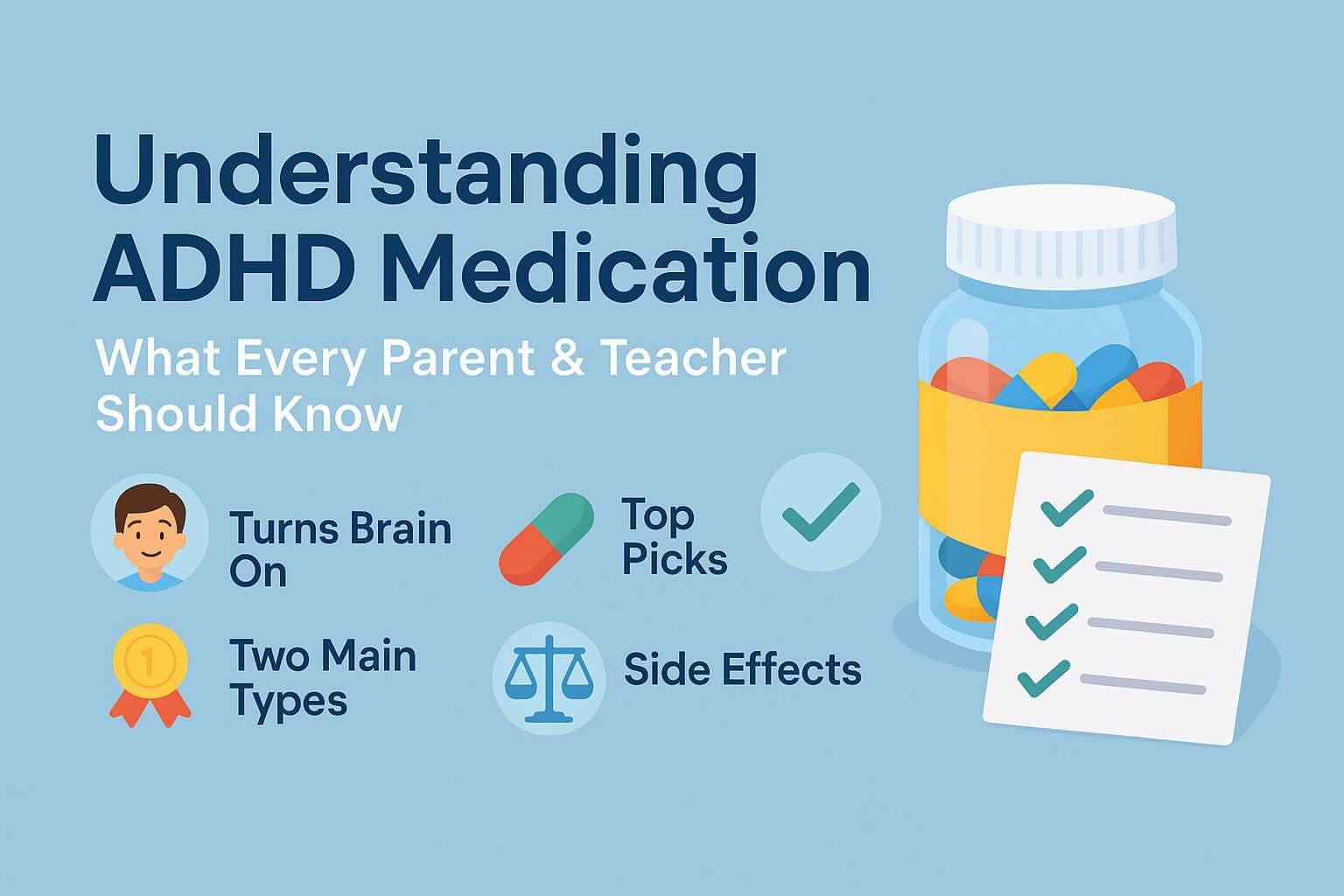
ADHD medications primarily work by balancing neurotransmitters like dopamine and norepinephrine to improve focus, reduce impulsivity, and manage hyperactivity. Treatment generally involves stimulants, such as methylphenidate or amphetamines, or non-stimulants like atomoxetine and viloxazine. Finding the right medication requires a professional diagnosis, a structured titration period, and ongoing monitoring by a healthcare provider.
The Neurobiology of ADHD and Medication Mechanism
To understand how ADHD medication functions, one must first understand the neurobiological landscape of Attention-Deficit/Hyperactivity Disorder. ADHD is characterized by a dysregulation in the brain's executive function, primarily managed by the prefrontal cortex. This area relies on steady levels of two key neurotransmitters: dopamine, which is associated with reward and motivation, and norepinephrine, which is linked to attention and alertness.
In many individuals with ADHD, these neurotransmitters are either reabsorbed too quickly by the sending neurons or the receiving receptors are not sensitive enough. Medications act as chemical "tuners." Stimulants increase the availability of these chemicals in the synaptic gap by blocking their reuptake or stimulating their release. Non-stimulants often work more selectively on norepinephrine or modify specific receptors to improve the "signal-to-noise" ratio in the brain. By stabilizing these chemical levels, the medication allows the brain to filter out distractions and maintain focus on a single task, a process that is often physically exhausting for those without pharmacological support.
As of 2026, the medical community continues to emphasize that medication does not "cure" ADHD but rather provides a window of functional stability. This stability often makes it possible for patients to engage more effectively in behavioral therapies, which provide the long-term coping mechanisms necessary for managing the disorder across various environments.
Primary Categories of ADHD Medications
The pharmaceutical landscape for ADHD is broadly divided into stimulants and non-stimulants. Within these categories, there are further sub-divisions based on the active molecules and their chemical delivery systems.
Stimulant Medications
Stimulants remain the first-line treatment for ADHD due to their high efficacy rate, which is estimated to be between 70% and 80% for both children and adults. They are generally categorized into two families:
- Methylphenidates: These include well-known brands like Ritalin, Concerta, and Daytrana. They work primarily by inhibiting the reuptake of dopamine and norepinephrine.
- Amphetamines: These include medications like Adderall, Vyvanse, and Dexedrine. While they also inhibit reuptake, they further increase the release of dopamine from storage vesicles within the neuron.
Non-Stimulant Medications
Non-stimulants are typically prescribed if stimulants are ineffective, cause intolerable side effects (such as severe anxiety or cardiovascular issues), or if there is a concern regarding substance use disorders.
- Selective Norepinephrine Reuptake Inhibitors (SNRIs): Atomoxetine (Strattera) was the first non-stimulant approved for ADHD. It builds up in the system over several weeks, providing 24-hour coverage.
- Alpha-2 Adrenergic Agonists: Guanfacine (Intuniv) and Clonidine (Kapvay) were originally blood pressure medications. They are often used to treat the hyperactivity and impulsivity components of ADHD and are frequently prescribed as adjuncts to stimulants to help with sleep or emotional regulation.
- Serotonin-Norepinephrine Modulators: Newer entries like Viloxazine (Qelbree) offer alternative pathways for those who do not respond to traditional SNRIs.
Understanding Formulation and Delivery Systems
One of the most significant advancements in ADHD treatment over the last several decades, continuing into 2026, is the sophistication of delivery systems. Choosing between short-acting and long-acting formulations is a critical part of the treatment plan.
Immediate-Release (IR) formulations typically last between 3 to 5 hours. These require multiple doses per day, which can be difficult for patients with executive function challenges to manage. However, they offer more flexibility; a student might take an IR dose only when they have a late-afternoon study session.
Extended-Release (ER/XR) and Long-Acting (LA) formulations use various technologies to release the medication slowly over 8 to 14 hours. For example, the OROS (Osmotic Release Oral System) technology used in Concerta uses osmotic pressure to push the medication out of a small hole in the capsule at a controlled rate. Other systems use beads with different coating thicknesses that dissolve at different times. These formulations help avoid the "rollercoaster" effect of peaks and valleys in medication levels, providing a smoother experience throughout the day and reducing the "rebound effect" where symptoms return sharply as the medication wears off.
Comparison of Common ADHD Medications in 2026
The following table provides a snapshot of common medications used in the treatment of ADHD, including their active ingredients and typical durations.
| Generic Name | Class | Typical Duration | Common Brand Names |
|---|---|---|---|
| Methylphenidate (IR) | Stimulant | 3–5 Hours | Ritalin, Focalin |
| Methylphenidate (ER) | Stimulant | 8–12 Hours | Concerta, Metadate CD, Quillivant XR |
| Mixed Amphetamine Salts | Stimulant | 4–6 Hours (IR) / 10–12 Hours (XR) | Adderall, Adderall XR, Mydayis |
| Lisdexamfetamine | Stimulant | 10–14 Hours | Vyvanse |
| Atomoxetine | Non-Stimulant | 24 Hours | Strattera |
| Guanfacine (ER) | Non-Stimulant | 24 Hours | Intuniv |
| Viloxazine | Non-Stimulant | 24 Hours | Qelbree |
The Titration Process: Finding the Right Dose
Medication for ADHD is not prescribed based on the severity of symptoms or the weight of the patient, but rather on how an individual's unique metabolism processes the drug. This necessitates a process called titration.
During titration, a physician starts the patient on the lowest possible dose and incrementally increases it every 1–4 weeks. The goal is to find the "therapeutic window"—the dose where the maximum benefit is achieved with the minimum amount of side effects. Patients are often asked to keep a log of their symptoms, focus levels, and physical sensations during this time.
It is common for the first medication tried to not be the "perfect" fit. Some patients may experience a high level of efficacy with methylphenidates but not with amphetamines, or vice-versa. Because these medications are highly regulated (often classified as Schedule II controlled substances in the United States), this process requires close collaboration with a healthcare provider and regular follow-up appointments.
Potential Side Effects and Management Strategies
While ADHD medications are generally safe when taken as directed, they do carry risks and side effects that vary by individual. Most side effects occur during the first few weeks of treatment and may subside as the body adjusts.
- Appetite Suppression: This is most common with stimulants. It can be managed by eating a high-protein breakfast before taking the medication and "mechanical eating" (eating on a schedule) during the day.
- Sleep Disturbances: If a long-acting medication is still active at bedtime, it can cause insomnia. Adjusting the timing of the dose or switching to a shorter-acting formulation can help.
- Cardiovascular Effects: Stimulants can slightly increase heart rate and blood pressure. Individuals with pre-existing heart conditions must undergo a thorough screening before starting treatment.
- Emotional Blunting or Irritability: Some patients report feeling "zombie-like" or excessively irritable as the medication wears off (rebound). This often indicates that the dose is too high or the delivery system is not the right fit.
- Gastrointestinal Issues: Non-stimulants like atomoxetine are more likely to cause nausea or stomach upset, which can often be mitigated by taking the medication with food.
Medical professionals recommend regular monitoring of height and weight in children, as well as periodic blood pressure and heart rate checks for all ages. For more information on safety, visit the U.S. Food and Drug Administration (FDA) or the National Institute of Mental Health (NIMH).
Costs, Insurance, and Accessibility in 2026
By 2026, many of the supply chain issues that plagued ADHD medication availability in previous years have stabilized, though localized shortages can still occur. Cost remains a significant factor for many families and individuals.
Generic versions of almost all major ADHD medications are now available, which significantly lowers the out-of-pocket cost. However, some patients find that the "authorized generic" (the same drug as the brand name but sold without the brand label) works differently than other generic versions due to differences in the inactive ingredients or the delivery mechanism (the "filler" and the "shell").
Insurance companies frequently require prior authorization, where a doctor must justify the need for a specific brand or formulation before the insurer will cover it. Additionally, because many of these are controlled substances, there are strict rules regarding how many days' supply can be dispensed at once and whether a prescription can be sent electronically via telehealth or requires an in-person visit.
FAQ
Can ADHD medication be used along with other psychiatric drugs?
Yes, ADHD medication is frequently "co-prescribed" with antidepressants or anti-anxiety medications. However, this requires careful management by a psychiatrist to avoid drug interactions, such as serotonin syndrome or excessive increases in heart rate. Always disclose all supplements and medications to your provider.
Is it safe to take ADHD medication during pregnancy?
The decision to continue ADHD medication during pregnancy involves a risk-benefit analysis conducted with a doctor. While some studies suggest minimal risk, others indicate potential for low birth weight or premature birth. Many providers suggest a "medication holiday" during pregnancy unless the mother's functional impairment poses a greater risk to her safety.
Do ADHD medications cause addiction?
When taken at prescribed doses for ADHD, stimulants do not typically cause addiction. In fact, effective treatment of ADHD often reduces the risk of future substance use disorders by addressing the underlying impulsivity and "self-medication" behaviors. However, they have a potential for misuse by those without ADHD, which is why they are strictly regulated.
Why does my ADHD medication seem to stop working after a few months?
This is often referred to as "tolerance," though in many cases, it is actually a change in the patient's environment or lifestyle (increased stress, lack of sleep) that makes the current dose feel less effective. Sometimes, a "medication holiday"—taking a break over weekends or during vacations—is recommended to maintain efficacy, though this should only be done under medical supervision.
Can adults start ADHD medication for the first time?
Absolutely. Many adults are being diagnosed in 2026 as awareness of adult ADHD symptoms increases. Adult treatment follows the same titration principles as pediatric treatment, though physicians may be more cautious regarding cardiovascular health and potential interactions with other adult-onset health conditions.
Next Steps for Treatment Planning
If you suspect you or a family member would benefit from ADHD medication, the first step is to seek a formal evaluation from a qualified professional, such as a psychiatrist, neurologist, or specialized primary care physician. A diagnosis should be based on a clinical interview, symptom checklists, and sometimes neuropsychological testing to rule out co-occurring conditions like anxiety or learning disabilities.
Once a diagnosis is confirmed, discuss your lifestyle needs with your doctor. Consider factors such as when you need your focus to be sharpest, your history with other medications, and any concerns regarding side effects. Remember that medication is most effective as part of a "multimodal" treatment plan that includes education, behavioral strategies, and, where appropriate, therapy or coaching.