The term adele carnival refers primarily to Adele World, a massive, custom-built entertainment complex and pop-up theme park constructed in Munich, Germany, for the singer’s landmark 2024 residency. Spanning over 75,000 square meters, this "carnival" featured a 60-meter Ferris wheel, an authentic English pub, and a record-breaking 220-meter LED screen, redefining the possibilities of live music fan engagement.
The Vision Behind Adele World: More Than a Residency
When Adele announced her 10-date residency in Munich for August 2024, the scale was unprecedented. Unlike traditional residencies in Las Vegas, which utilize existing theater infrastructure, the "Adele Carnival" was built from the ground up on the grounds of the Messe München exhibition center. The project was born from Adele’s desire to create a singular, immersive environment that reflected her personality and roots while accommodating hundreds of thousands of fans in a festival-like atmosphere.
As of 2026, the entertainment industry still looks back at Adele World as a pivotal shift in touring strategy. By staying in one location and building a temporary "city" around the artist, the production team—led by Live Nation and Leutgeb Entertainment Group—eliminated the logistical nightmare of moving a massive stage across borders every two days. This allowed for a level of architectural ambition that a traveling stadium tour could never achieve. The "carnival" aspect wasn't just a marketing gimmick; it was a fully functional hospitality zone designed to keep fans engaged for hours before the first note was sung.
Key Attractions of the Munich Carnival
The "Adele World" site was meticulously zoned to provide a variety of experiences, blending the charm of a British village with the high-octane energy of a German summer festival.
The Lucky Apple Pub
A centerpiece of the carnival was a life-sized recreation of a traditional English pub, named "The Lucky Apple." This was a direct homage to Adele’s London roots. The pub wasn't just a facade; it served actual draught beer and British-inspired snacks, providing a cozy contrast to the vast open-air arena. For many fans, the ability to sit in a wood-paneled pub in the middle of a German exhibition center was the highlight of the pre-show experience.
The Ferris Wheel and Swing Carousel
To lean into the carnival theme, the site featured a 60-meter high Ferris wheel and a traditional swing carousel. These attractions offered fans a panoramic view of the custom-built stadium and the surrounding Munich skyline. By 2026 standards, integrating fairground rides into concert venues has become more common, but in 2024, it was a bold statement of "eventizing" a concert.
The "I Drink Wine" Bar
Named after one of her hit singles from the 30 album, this specialized bar offered a curated selection of wines. It served as a sophisticated lounge area within the carnival, catering to an older demographic that preferred a glass of Chablis over the standard stadium beer. The branding was seamless, turning a song title into a high-revenue hospitality point.
Technical Innovations and World Records
The "Adele Carnival" was a technical marvel, most notably for its visual display system. The residency was officially recognized by Guinness World Records for having the Largest Continuous Outdoor LED Screen.
The 220-Meter Screen
The screen was a staggering 220 meters long and 30 meters high. It was designed to look like a giant unfurled roll of film, wrapping around the front of the stage. This ensured that even fans in the furthest reaches of the 80,000-capacity arena had a crystal-clear, cinematic view of Adele’s performance. The engineering required to stabilize such a massive surface against wind loads in an open field was a significant feat of structural design.
The Bespoke Arena
The temporary stadium was designed in a "C" shape, which improved the acoustics and sightlines compared to traditional rectangular soccer stadiums. The floor was covered in premium turf, and the seating was tiered to provide a more intimate feel despite the massive audience size. The arena itself was dismantled after the final show, but the modular components used in the 2024 "carnival" set the stage for subsequent "pop-up" residencies in 2025 and 2026.
Comparison: Adele World vs. Traditional Residencies
To understand why the Adele Munich residency was labeled a "carnival," it is helpful to compare it to the standard concert models seen in 2026.
| Feature | Las Vegas Residency (e.g., Caesars Palace) | Stadium World Tour | Adele World (Munich) |
|---|---|---|---|
| Capacity | 4,000 - 7,000 per night | 40,000 - 100,000 per night | 80,000 per night |
| Duration | Months or Years | Single nights per city | 10 nights (One Location) |
| Custom Infrastructure | Uses existing theater | Minimal (Stage only) | Entire themed park + Stadium |
| Fan Engagement | Show only | Show only | 75,000 sqm of attractions |
| Logistics | Fixed location | High (Moving parts daily) | High (Initial build-out) |
Economic and Cultural Impact on Munich
The "Adele Carnival" was not just a musical event; it was a massive economic driver. Local authorities in Munich reported that the residency brought in over 730,000 visitors from around the globe. The economic impact was estimated to be in the hundreds of millions of euros, benefiting hotels, restaurants, and public transport systems.
In the years since the 2024 event, Munich has leveraged the "Adele model" to attract other A-list artists for similar short-term, high-impact residencies. The success of the Adele World pop-up proved that fans are willing to travel long distances if the destination offers more than just a two-hour performance. This "destination concert" trend has grown significantly by 2026, with artists increasingly choosing to perform multiple nights in a single, highly-produced hub rather than embarking on grueling multi-city tours.
The "Notting Hill" Ambiguity: A Cultural Note
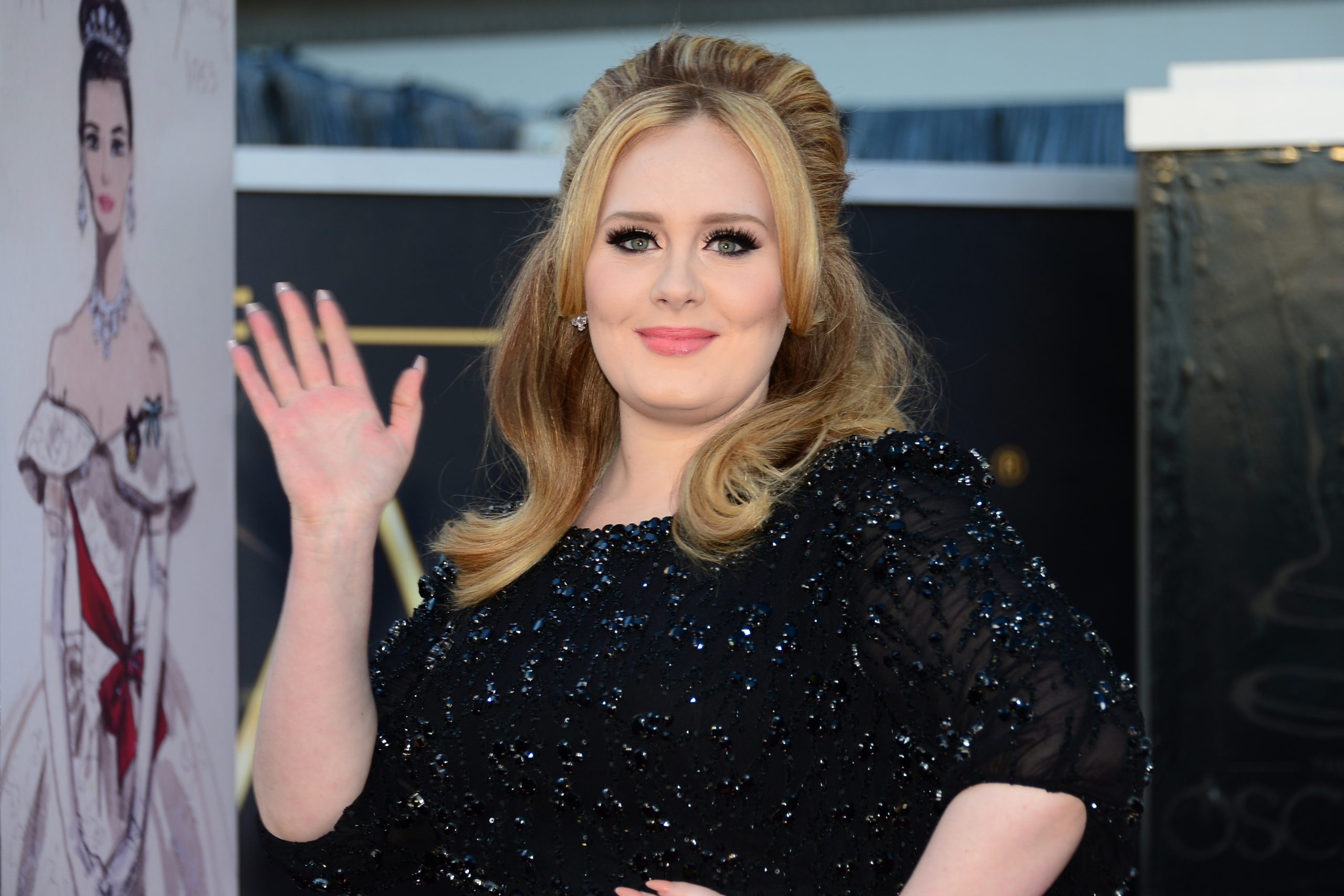
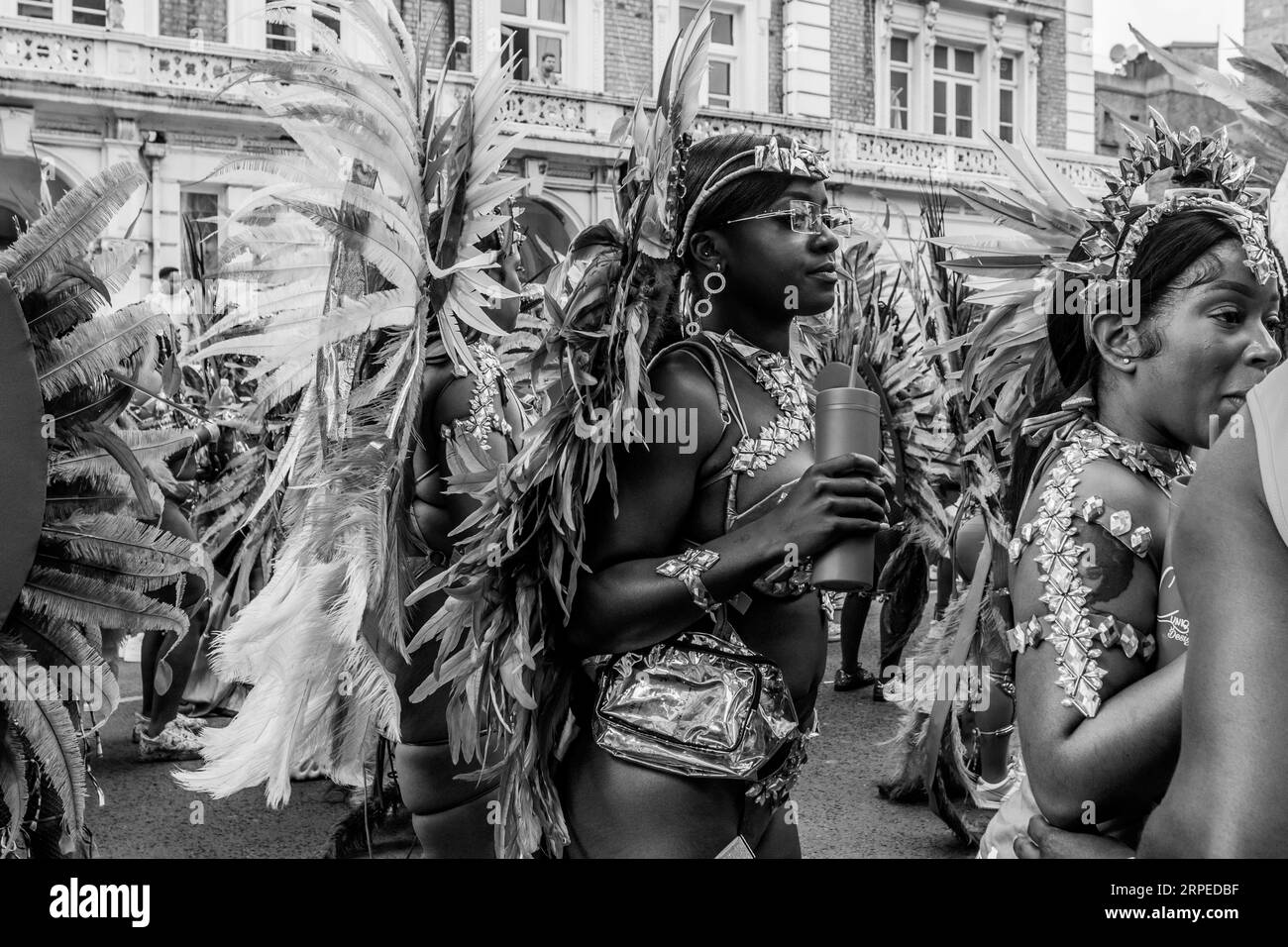
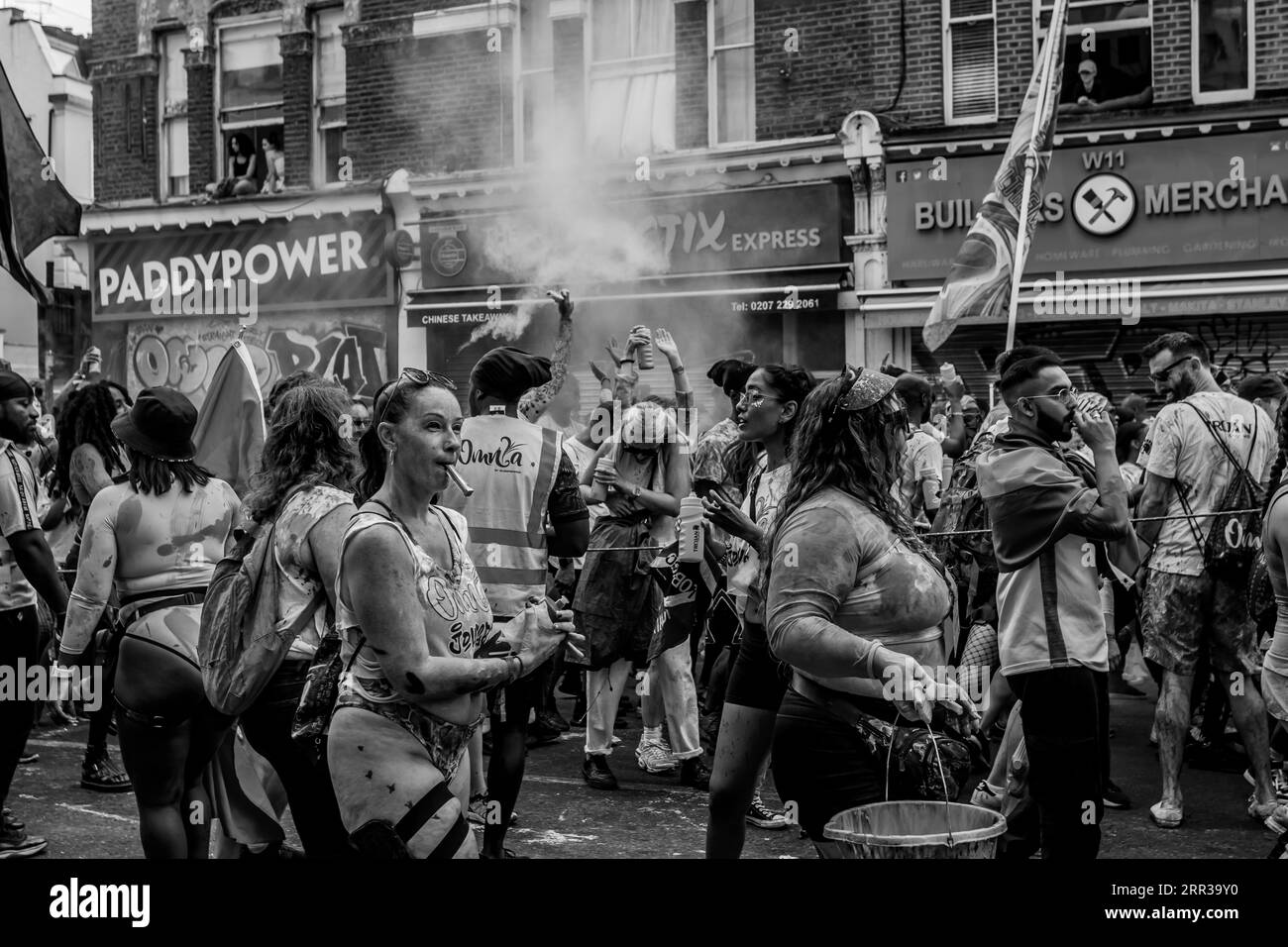
While most searches for "adele carnival" relate to the Munich residency, there is a secondary cultural reference point. In 2020, Adele posted a photograph of herself participating in a virtual version of the Notting Hill Carnival. She wore a Jamaican flag-themed bikini top and had her hair in Bantu knots, which sparked a global conversation about cultural appreciation versus appropriation.
For those researching Adele's connection to carnivals, it is important to distinguish between the Munich entertainment complex and her long-standing personal affinity for the Notting Hill Carnival, which celebrates Caribbean culture in London. While the former is a commercial and technical achievement, the latter relates to her public image and her London upbringing.
Practical Considerations for Future Pop-up Events
As we look at the landscape of live entertainment in 2026, the "Adele Carnival" serves as a primary case study for event organizers. If you are a fan or a professional looking to attend or organize similar events, consider the following:
- Weather Resilience: Outdoor pop-up carnivals are highly susceptible to wind and rain. The Munich event utilized advanced drainage and modular flooring to prevent the site from becoming a mud pit.
- Sustainability: Large-scale temporary structures must now meet strict ESG (Environmental, Social, and Governance) criteria. Much of the hardware from the 2024 Adele screen was rented and repurposed for other events, a practice that is now mandatory in many European jurisdictions.
- The "Pre-Show" Economy: The Adele model proved that fans will arrive 4–5 hours early if there are themed bars, rides, and high-quality food. This significantly increases per-head spending on merchandise and refreshments.
FAQ
What happened to the Adele World structures after the residency?
The stadium and carnival attractions were largely modular. The record-breaking LED screen was dismantled and the components were returned to the rental fleet for use in other global events. The "Lucky Apple" pub was a temporary build, though many of its interior decorations were reportedly archived or sold as memorabilia.
How many tickets were sold for the Munich carnival shows?
Over the course of the 10 dates in August 2024, approximately 730,000 tickets were sold. This made it one of the largest concert events in European history for a single artist in one location.
Was the Adele Munich residency permanent?
No, it was a strictly limited engagement. The bespoke arena and "Adele World" carnival were temporary installations designed to exist only for the duration of the 10 shows. By late 2024, the Messe München site had been returned to its original state.
How does Adele World differ from a music festival?
Unlike a festival (like Glastonbury or Coachella), which features dozens of artists across multiple stages, Adele World was dedicated entirely to a single performer. Every ride, pub, and food stall was branded or themed around Adele’s life and career, creating a more focused and "boutique" experience than a traditional festival.
Did Adele perform at the Notting Hill Carnival?
Adele has not officially performed at the Notting Hill Carnival. Her connection to it is as a participant and fan of the event, which is a street festival celebrating British-Caribbean culture. The 2020 photo she shared was from a private event during the period when the actual carnival was canceled due to the pandemic.
Looking Forward: The Legacy of Adele World in 2026
The "Adele Carnival" has fundamentally changed the expectations for high-tier concert residencies. In 2026, we see the "hub-and-spoke" model of touring becoming the gold standard for superstars. Instead of an artist traveling to 50 cities, they might select five global hubs (like Munich, Tokyo, or Los Angeles) and build a month-long "world" in each. This approach reduces the carbon footprint of touring, lowers travel costs for the crew, and provides a much richer experience for the audience. The 220-meter screen and the "Lucky Apple" pub were more than just entertainment; they were the first signs of a new era in the live music industry where the venue is just as much of a star as the performer.