An address profile is a structured, standardized dataset that represents a specific physical location, optimized for logistical accuracy and data interoperability. In 2026, managing an address profile involves more than just a street name; it requires real-time verification against global postal databases, geospatial tagging, and adherence to evolving data privacy regulations to ensure seamless delivery and communication.
What is an Address Profile?
At its core, an address profile is a digital blueprint of a physical location. While a layperson might view an address as a simple string of text on an envelope, a technical address profile is a multi-layered record used by database administrators, logistics providers, and e-commerce platforms. This profile ensures that a location is not only valid but also "deliverable" according to national postal authorities like the United States Postal Service (USPS) or international bodies under the Universal Postal Union (UPU).
By 2026, the definition of an address profile has expanded. It now includes "rich data" such as Residential Delivery Indicators (RDI), Delivery Point Validation (DPV) codes, and precise latitude and longitude coordinates. These elements allow systems to distinguish between a high-rise office building and a single-family home, or between a valid street address and a non-existent one that appears correct to the human eye.
The primary goal of maintaining a clean address profile is to eliminate "bad data." Inaccurate addresses lead to failed deliveries, increased shipping costs, and friction in the customer journey. For businesses, a standardized address profile is the foundation of effective Customer Relationship Management (CRM) and Master Data Management (MDM) strategies.
The Technical Anatomy of a Standardized Address Profile
A professional-grade address profile is broken down into specific components to ensure it meets the CASS (Coding Accuracy Support System) standards. Understanding these components is essential for anyone managing a database or integrating an address verification API.
1. Primary Address Line
This includes the house or building number, the street name, and the street suffix (e.g., St, Ave, Blvd). In a high-quality address profile, these are parsed into individual fields to prevent ambiguity during sorting.
2. Secondary Designators
These are the unit numbers, suite numbers, or apartment identifiers. One of the most common reasons for delivery failure is the omission or incorrect formatting of secondary information. A robust profile enforces strict rules on how these are recorded (e.g., "Apt 4B" instead of just "4B").
3. The ZIP+4 Code
While a five-digit ZIP code identifies a general area, the ZIP+4 code in the United States narrows down the location to a specific delivery segment, such as a city block or a specific floor in a large building. In 2026, the use of ZIP+4 is mandatory for businesses seeking discounted bulk mail rates and high-speed logistics routing.
4. Metadata and Validation Codes
This is the "invisible" part of the address profile. It includes:
- DPV (Delivery Point Validation): A code indicating if the USPS can actually deliver mail to that exact point.
- RDI (Residential Delivery Indicator): Distinguishes between commercial and residential addresses, which is vital for calculating accurate shipping surcharges.
- CMRA (Commercial Mail Receiving Agency): Identifies if the address is a private mailbox service (like a UPS Store), which is a key factor in fraud detection.
How to Access and Create an Address Profile
Accessing or generating an address profile typically happens through one of three channels: manual entry with real-time validation, bulk cleaning of existing databases, or API integration within an application.
Integrated Verification APIs
For most modern businesses, address profiles are generated via APIs. When a user begins typing their address into a form, the API queries a reference database (such as the USPS Address Management System) and suggests the standardized version. This "type-ahead" functionality ensures that the address profile is clean from the moment of creation.
Bulk Data Scrubbing
Organizations with legacy data often perform a "bulk scrub." This involves uploading a CSV or database file to a CASS-certified service. The service compares every record against the current national postal database, updates moved residents via NCOA (National Change of Address) records, and formats the output into a standardized address profile.
Requirements for a Valid Profile
To successfully create an address profile in 2026, the following prerequisites must be met:
- Completeness: All mandatory fields (Street, City, State, ZIP) must be present.
- Standardization: The address must follow the USPS Publication 28 guidelines for abbreviations and formatting.
- Current Status: The address must be active. "Ghost" addresses or buildings that have been demolished are purged from official databases periodically.
Comparison of Address Profile Verification Methods
Choosing the right way to manage your address profiles depends on your volume and accuracy requirements.
| Feature | Manual Validation | Bulk CASS Processing | Real-Time API |
|---|---|---|---|
| Accuracy | Low (Human Error) | Very High | Exceptional |
| Speed | Slow | Fast (Batch) | Instantaneous |
| Cost | Low (Time only) | Moderate (Per list) | Subscription/Usage Based |
| Best For | Individuals | Direct Mail Campaigns | E-commerce & SaaS |
| Fraud Prevention | None | Minimal | High (IP & Address Cross-check) |
| Geocoding | No | Often Included | Always Included |
Step-by-Step Implementation for Business Systems
If you are tasked with implementing an address profile system within a corporate environment in 2026, follow these standardized steps to ensure data integrity.
Step 1: Audit Current Address Data
Before implementing new tools, analyze your existing database to identify the "error rate." Look for duplicate profiles, missing ZIP+4 codes, and inconsistencies in street suffixes. This provides a baseline for measuring the ROI of a verification service.
Step 2: Choose a CASS-Certified Provider
Not all address verification tools are equal. Ensure your provider is certified by the relevant national postal authority. In the US, this is the CASS certification. For international profiles, look for providers that adhere to ISO 19160-1:2015, the international standard for addressing.
Step 3: Map Data Fields
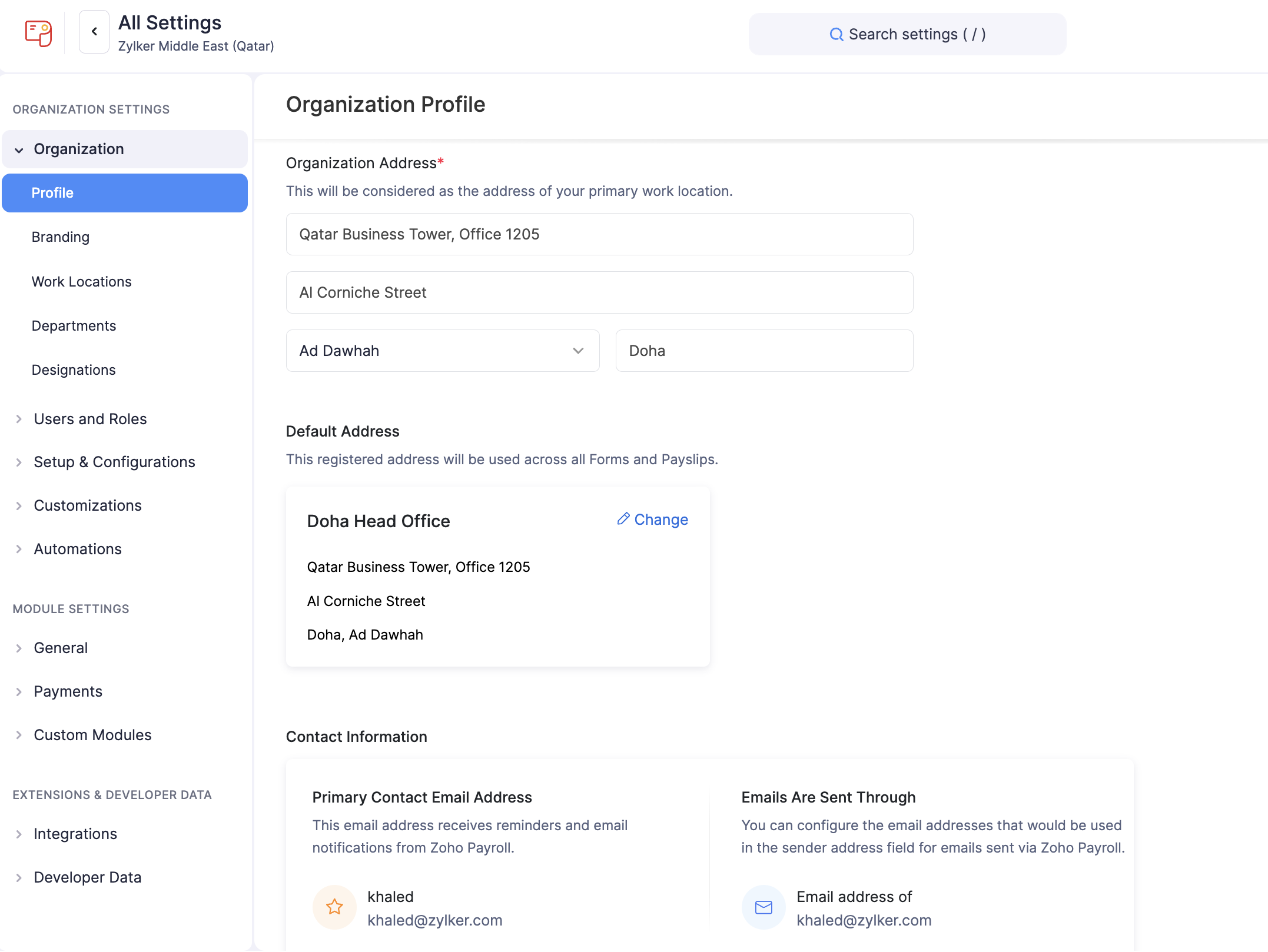
Ensure your internal database fields align with the standardized address profile format. You should have separate columns for AddressLine1, AddressLine2, City, State, Zip5, Zip4, and Country. Avoid using a single "blob" text field for the entire address.
Step 4: Implement Real-Time Validation
Deploy an address autocomplete widget on all user-facing forms. This prevents "fat-finger" errors and ensures that every new address profile entering your system is pre-validated against the USPS or international reference data.
Step 5: Schedule Regular Maintenance
Addresses are not static. New streets are built, and ZIP codes are occasionally reassigned. Perform a full NCOA and CASS update on your database at least once every 95 days to remain compliant with postal regulations and maintain shipping efficiency.
Troubleshooting Common Address Profile Issues
Even with sophisticated systems, certain addresses can be difficult to profile. Here is how to handle the most common discrepancies.
The "Undeliverable" Valid Address
Sometimes an address exists but is flagged as "Undeliverable." This often happens with new construction that hasn't been added to the USPS Address Management System (AMS) yet. In these cases, the user must contact their local post office to ensure their location is added to the "edit book."
Missing Secondary Information
If an address profile for a multi-unit building is missing the apartment or suite number, the DPV status will return as "Missing Secondary." In 2026, most automated shipping systems will block these labels to prevent the package from being returned to the sender. The solution is to trigger a "soft error" in your UI, asking the user to provide the unit number before proceeding.
Rural Route (RR) vs. Physical Address
In some rural areas, residents use Rural Route boxes for mail but have different physical addresses for emergency services (E911). A technical address profile must distinguish between the "Mailing Address" and the "Physical Address" to ensure that both postal mail and private carriers (like UPS or FedEx) can reach the destination.
Frequently Asked Questions
What is the difference between an address and an address profile?
An address is a simple location identifier, while an address profile is a comprehensive, validated dataset. A profile includes standardized formatting, geospatial coordinates (latitude/longitude), and delivery metadata (like RDI or DPV) that are not present in a basic address string.
How often are address profile databases updated?
Major postal authorities like the USPS update their master files monthly. However, most high-end verification APIs in 2026 provide weekly or even daily updates to capture new construction and address changes as quickly as possible.
Does an address profile include personal information?
Generally, no. A standard address profile identifies a physical location, not the person living there. However, when combined with NCOA (National Change of Address) data, the profile can track when a specific individual or business moves from one validated profile to another.
Why does my address show as "invalid" on some websites?
This usually occurs because the website’s address profile database is outdated or they are using a lower-tier verification service that doesn't recognize recent changes or specific secondary designators. It can also happen if the address is a "non-postal" location that does not receive direct mail service.
Can I geocode an address profile?
Yes. Modern address profiling almost always includes geocoding, which converts the physical address into precise geographic coordinates. This is essential for mapping services, proximity searches, and drone-based delivery logistics, which have become more common by 2026.
Strategic Recommendation for Data Management
For organizations looking to optimize their logistics and customer data, the transition to a Standardized Address Profile model is no longer optional. The cost of "bad data"—manifested in returned shipments, lost marketing materials, and customer frustration—far outweighs the subscription costs of professional verification tools.
To future-proof your operations, prioritize the integration of Real-Time Address Validation (RTV) at every point of data entry. By treating every address as a structured profile rather than a text string, you ensure that your data remains an asset rather than a liability. For 2026 and beyond, companies should also ensure their address profiles are "Global-Ready," adopting ISO standards that allow for seamless cross-border commerce and data exchange.