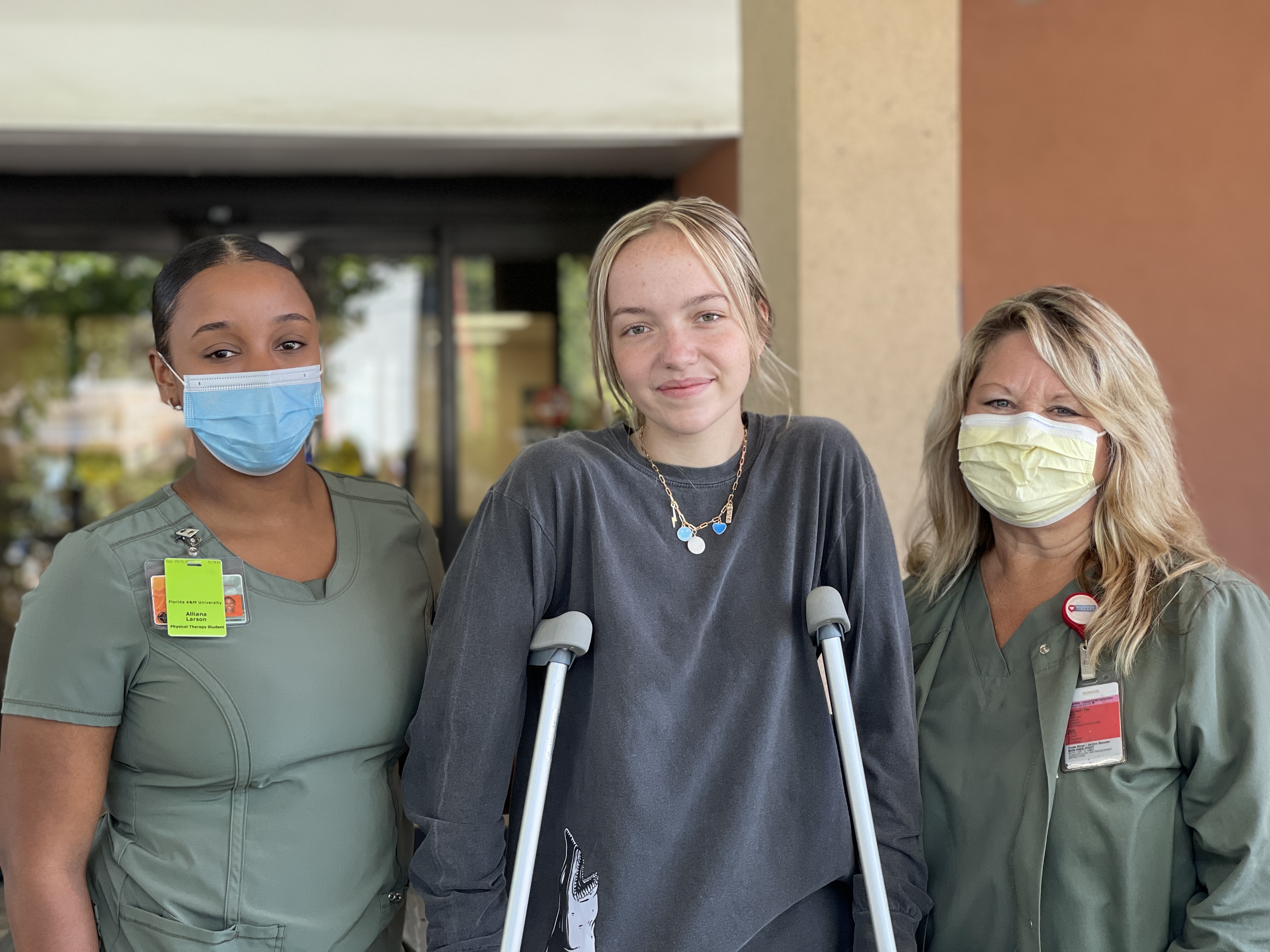
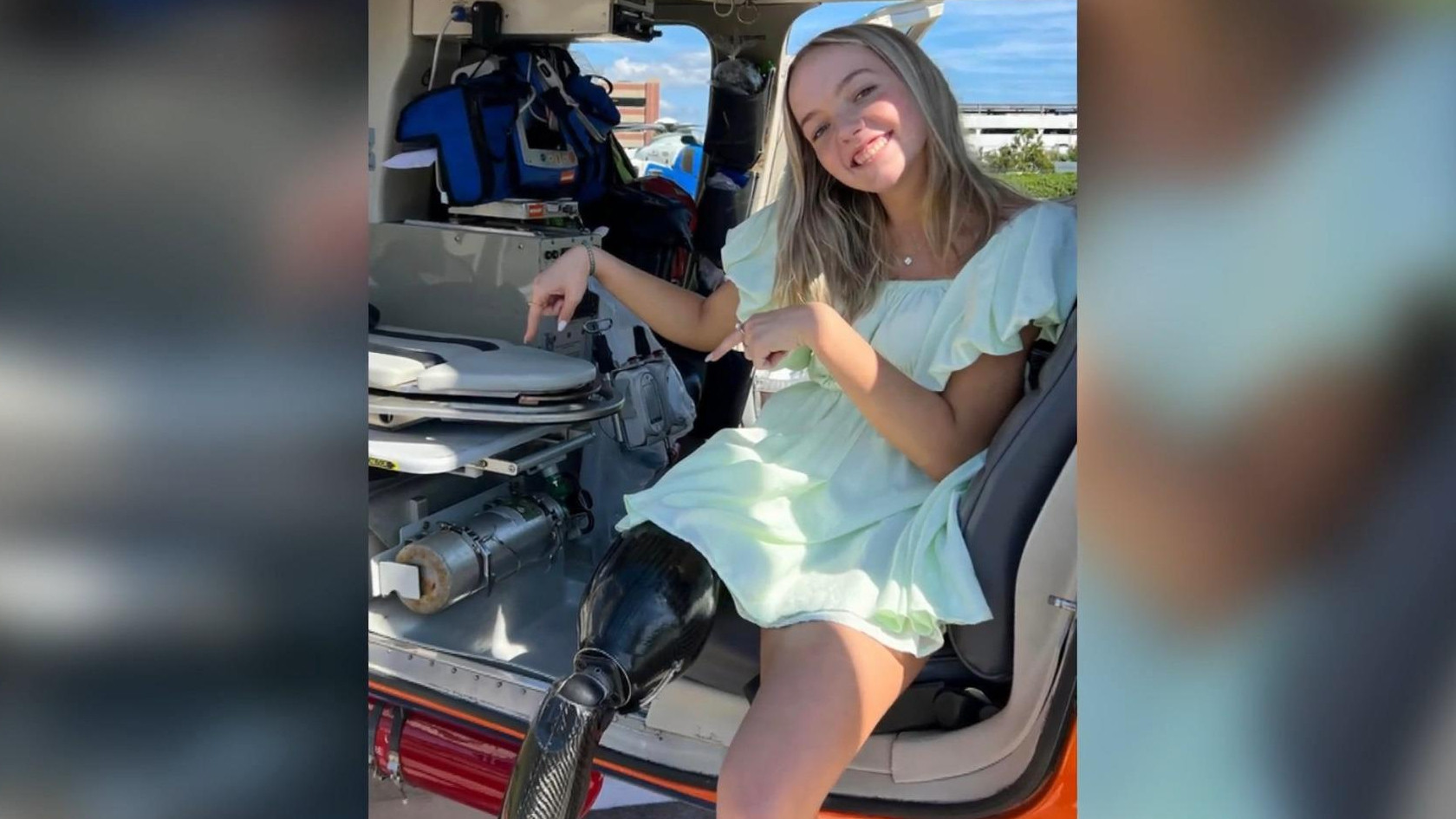
Addison Bethea is a high-profile shark attack survivor from Florida whose story of bravery and recovery captured international attention in 2022. Following a near-fatal encounter with a bull shark at Keaton Beach, she underwent an above-the-knee amputation. As of 2026, she remains a prominent advocate for amputees and a symbol of human resilience.
The Incident at Keaton Beach: A Detailed Chronology
The events of June 30, 2022, began as a typical summer day for 17-year-old Addison Bethea. Along with her brother, Rhett Willingham, she was searching for scallops in the grassy waters off Keaton Beach in Taylor County, Florida. The water was approximately five feet deep, a common depth for recreational scalloping, but the proximity to the shore did not preclude the presence of large predators.
The attack occurred suddenly. A shark, later identified as a bull shark measuring approximately nine feet in length, latched onto Addison’s right leg. In the initial moments of the struggle, Addison attempted to fight back by poking the shark in its eyes and punching it, techniques often recommended for shark encounters. However, the predator did not immediately release its grip.
The presence of her brother, Rhett, proved to be the literal difference between life and death. Rhett, a firefighter and emergency medical technician (EMT), reacted with professional precision. He physically intervened, prying the shark away and pulling Addison into a nearby boat. His training allowed him to recognize the severity of the arterial bleeding and apply a makeshift tourniquet immediately, stabilizing her condition during the high-speed boat ride back to the docks.
Immediate Medical Intervention and the Amputation Process
Upon reaching the shore, Addison was airlifted to the Tallahassee Memorial HealthCare (TMH) Level II Trauma Center. The medical team faced a catastrophic injury; the shark had caused extensive damage to the nerves, blood vessels, and soft tissue of her right thigh.
The clinical path for Addison involved several complex surgeries. Initially, surgeons attempted to salvage the limb by cleaning the wounds and assessing the viability of the remaining tissue. However, the extent of the trauma to the femoral artery and the surrounding muscle meant that a functional limb could not be preserved. In a collaborative decision involving Addison and her family, the medical team moved forward with an above-the-knee amputation.
A specific surgical technique was employed to ensure Addison would have the best possible outcomes for future prosthetic use. Surgeons performed a "myoplasty," where the remaining muscles are reattached to the bone to provide a cushioned stump and better control over a prosthetic limb. By July 2022, Addison had transitioned from acute trauma care to intensive rehabilitation, showcasing a remarkably positive psychological outlook that would define her recovery journey.
The Road to Recovery: Physical Rehabilitation and Prosthetics
Following her surgeries at TMH, Addison moved to Brooks Rehabilitation in Jacksonville, Florida. This phase of her journey was focused on "pre-prosthetic" training and building the upper body strength necessary for mobility. Rehabilitation after an above-the-knee amputation is significantly more demanding than below-the-knee procedures, as the patient must learn to use a mechanical or microprocessor-controlled knee joint.
Mastering the Microprocessor Knee
By late 2022 and moving into 2023, Addison was fitted with an advanced prosthetic. For young, active individuals, this often involves a microprocessor knee (MPK). These devices use sensors to detect the phase of a person's gait and adjust hydraulic resistance in real-time, preventing falls and allowing for more natural movement on uneven terrain.
Psychological Resilience
A major component of Addison's recovery was her mental health. She openly discussed the trauma of the attack but refused to let it dictate her relationship with the ocean. Her ability to return to the water and maintain her love for the outdoors became a central theme of her public identity. By 2026, this resilience has evolved into a structured platform where she helps other trauma survivors navigate the "new normal" of living with limb loss.
Living with Limb Loss: Addison Bethea’s Advocacy and Impact
Since the accident, Addison has leveraged her visibility to advocate for several causes. Her impact is felt most strongly in the community of young amputees and in the realm of shark conservation and safety education.
- Amputee Support: Addison frequently partners with organizations like the Amputee Coalition to provide peer support. She highlights the importance of early mobilization and the need for better insurance coverage for high-activity prosthetic components.
- Shark Awareness: Rather than vilifying the animal that attacked her, Addison has maintained a balanced perspective. She acknowledges that she was in the shark's natural habitat and uses her story to promote "shark-smart" behavior among Florida’s coastal tourists.
- Media and Inspiration: Her story has been featured on major networks, including ABC’s Good Morning America and CNN. In these appearances, she focuses on the role of her faith, her family, and her brother's quick thinking as the pillars of her survival.
Key Milestones in Addison Bethea’s Journey
The following table outlines the critical timeline and recovery milestones from the date of the incident through her establishment as a public figure.
| Timeframe | Milestone | Outcome/Status |
|---|---|---|
| June 30, 2022 | The Attack at Keaton Beach | Emergency rescue and life-saving tourniquet applied by Rhett Willingham. |
| July 2022 | Surgical Phase at TMH | Successful above-the-knee amputation and initial stabilization. |
| August 2022 | Rehabilitation at Brooks | Transition to inpatient rehab; focused on core strength and mobility. |
| Late 2022 | First Prosthetic Fitting | Addison began walking with a temporary prosthetic limb. |
| 2023 - 2025 | Advocacy and Public Speaking | Became a spokesperson for trauma recovery and limb loss awareness. |
| 2026 (Current) | Continued Independence | Actively participating in outdoor activities and mentoring new amputees. |
Shark Safety and Lessons from the Taylor County Incident
The attack on Addison Bethea led to a renewed focus on shark safety in Florida, which consistently ranks as the world leader in unprovoked shark bites according to the International Shark Attack File. While these incidents remain statistically rare, Addison's experience offers several vital lessons for ocean-goers.
The Importance of the "Buddy System"
Addison’s survival was almost entirely dependent on the fact that she was not swimming alone. Because her brother was within arm's reach, he could intervene before the shark could drag her into deeper water or cause even more extensive blood loss.
Immediate Hemorrhage Control
The use of a tourniquet was the single most important medical intervention in this case. Public health experts have used Addison’s story to advocate for "Stop the Bleed" training for coastal residents and boaters. Knowing how to apply pressure and use a tourniquet can prevent death from exsanguination (bleeding out) before professional medical help arrives.
Environmental Awareness
Shark activity often increases during dawn and dusk, or in areas where baitfish are present. In Addison’s case, the water was somewhat murky, which can lead to "mistaken identity" bites where a shark confuses a human limb for a prey animal. Understanding these environmental factors is key to minimizing risk.
Survival Tactics During an Attack
Addison's attempt to strike the shark's sensitive areas (the eyes and snout) is the standard advice given by marine biologists. While it did not immediately stop the bull shark, such resistance can sometimes discourage a predator from continuing an attack.
FAQ about Addison Bethea
Who saved Addison Bethea during the shark attack?
Addison was saved by her brother, Rhett Willingham. At the time of the incident, Rhett was a firefighter and an EMT. His professional training allowed him to fight off the shark and apply a life-saving tourniquet immediately after pulling Addison onto their boat. His quick thinking is credited by doctors as the reason Addison survived the initial blood loss.
What kind of shark attacked Addison Bethea?
The shark involved in the Keaton Beach attack was identified as a bull shark. Witnesses and experts estimated the animal was approximately nine feet long. Bull sharks are known for their aggression and their ability to thrive in shallow, coastal waters, making them one of the three species most frequently involved in unprovoked attacks.
How did Addison Bethea's amputation affect her life?
While the amputation of her right leg above the knee was a life-altering event, Addison has returned to an active lifestyle. She utilizes a high-tech prosthetic limb that allows her to walk, swim, and engage in various outdoor activities. She has used the experience to pivot into a role as a motivational speaker and advocate for the amputee community.
Where did the shark attack take place?
The attack occurred at Keaton Beach, located in Taylor County, Florida. This area is a popular destination for scalloping, a seasonal activity where people snorkel in shallow seagrass beds to collect mollusks. Following the attack, local authorities and wildlife officials issued increased safety warnings for the region.
Is Addison Bethea still involved in water activities?
Yes, as of 2026, Addison has continued to spend time in and around the water. She has shared her journey of overcoming the fear associated with the ocean, emphasizing that while she is more cautious, she refuses to give up the coastal lifestyle she loves. Her story is often cited as a prime example of psychological recovery after animal-related trauma.
Guidance for Supporting Trauma and Limb Loss Survivors
Addison Bethea’s journey highlights the multifaceted nature of recovery. For those looking to support individuals who have experienced similar trauma, or for survivors themselves, several steps are recommended by clinical experts:
- Seek Peer Support: Connecting with others who have experienced limb loss can significantly reduce feelings of isolation. Organizations like the Amputee Coalition offer certified peer visitor programs.
- Prioritize Mental Health: Post-Traumatic Stress Disorder (PTSD) is common following animal attacks. Early intervention through counseling or specialized trauma therapy (such as EMDR) is essential for long-term well-being.
- Focus on Adaptive Technology: Modern prosthetics are highly customizable. Working with a skilled prosthetist to find the right components—whether for running, swimming, or daily walking—can restore a high level of independence.
- Advocate for Accessibility: Survivors often face new challenges in public spaces. Engaging in local advocacy to ensure beaches, parks, and businesses are ADA-compliant helps not just the individual, but the entire community.
Addison Bethea’s legacy as of 2026 is defined not by the tragedy that occurred in the water, but by the strength she has displayed on land. Her story continues to provide a roadmap for others facing overwhelming obstacles, proving that life after a catastrophic injury can be both full and impactful.