Addiction recovery health refers to the systematic restoration of physiological and psychological functions that have been compromised by chronic substance use. This comprehensive process involves neurological healing, nutritional rehabilitation, and the management of co-occurring medical conditions. By prioritizing holistic health markers, individuals in recovery can significantly reduce cravings, stabilize mood, and improve long-term sobriety outcomes.
The Physiological Foundation of Recovery Health
Addiction is fundamentally a chronic relapsing brain disease that causes structural and functional changes to the neurological system. When an individual enters recovery, the body begins a complex process of homeostasis—returning to a state of internal balance. As of 2026, clinical research emphasizes that addiction recovery health is not merely the absence of substances but the active reconstruction of the body's regulatory systems.
The primary focus of physiological restoration lies in the brain's reward circuitry. Chronic substance use downregulates dopamine receptors, leading to anhedonia (the inability to feel pleasure) during early abstinence. Recovery health protocols focus on neuroplasticity—the brain’s ability to reorganize itself by forming new neural connections. This process is supported by high-quality sleep, which facilitates the glymphatic system’s role in clearing metabolic waste from the brain, and targeted supplementation to restore depleted neurotransmitter precursors.
Beyond the brain, addiction recovery health must address organ-specific damage. For those recovering from alcohol use disorder, liver regeneration and cardiovascular stabilization are paramount. For those recovering from stimulant use, cardiac monitoring is essential to address potential arrhythmias or structural changes to the heart. A thorough medical baseline, established via comprehensive blood panels and diagnostic imaging, is a prerequisite for any evidence-based recovery health plan.
Nutritional Rehabilitation and the Gut-Brain Axis
One of the most overlooked aspects of addiction recovery health is the role of the gastrointestinal system. Many substances, particularly alcohol and opioids, cause significant damage to the gut lining and disrupt the microbiome. This disruption is critical because a large percentage of the body's serotonin—a key neurotransmitter for mood regulation—is produced in the gut.
Nutritional rehabilitation in 2026 focuses on the "Gut-Brain Axis" to stabilize mood and reduce the physiological triggers of relapse. Malnutrition is common in active addiction, often manifesting as deficiencies in B vitamins (especially Thiamine), Vitamin D, and essential fatty acids.
- Thiamine (B1) Restoration: Essential for preventing Wernicke-Korsakoff syndrome, a neurological disorder common in chronic alcohol use.
- Amino Acid Therapy: Utilizing precursors like L-tryptophan and L-tyrosine to support the natural production of serotonin and dopamine.
- Probiotic Integration: Restoring gut flora diversity to improve nutrient absorption and reduce systemic inflammation, which is a known driver of depressive symptoms in recovery.
A recovery-focused diet prioritizes complex carbohydrates to maintain steady blood glucose levels, preventing the "sugar crashes" that can mimic the anxiety or irritability often associated with cravings. Hydration is equally vital, as chronic dehydration is a frequent side effect of substance use that impairs cognitive function and kidney health.
The Role of Physical Activity in Neurogenesis
Exercise is a powerful clinical tool in addiction recovery health. It is no longer viewed as just a "healthy habit" but as a targeted intervention for neurological repair. Physical activity stimulates the production of Brain-Derived Neurotrophic Factor (BDNF), a protein that acts like "fertilizer" for the brain, supporting the survival of existing neurons and encouraging the growth of new ones.
In the context of recovery, different modalities of exercise serve specific health functions:
- Aerobic Exercise: Activities like running or swimming increase oxygenation to the brain and help regulate the HPA (hypothalamus-pituitary-adrenal) axis, which manages the body's stress response.
- Resistance Training: Building lean muscle mass helps restore metabolic health and improves self-efficacy and body image, which are psychological pillars of recovery health.
- Mind-Body Practices: Yoga and Tai Chi emphasize somatic awareness, helping individuals reconnect with physical sensations they may have masked through substance use for years.
Current 2026 guidelines suggest that consistent, moderate-intensity exercise can be as effective as some pharmacological interventions for mild to moderate depression and anxiety, which are frequent hurdles in the first 24 months of sobriety.
Integrating Digital Health and Wearable Technology
By 2026, the use of wearable technology has become a standard component of monitoring addiction recovery health. These devices provide objective data that can predict potential relapses before they occur by tracking physiological markers of stress.
| Health Marker | Relevance to Recovery | Intervention |
|---|---|---|
| Heart Rate Variability (HRV) | Indicates autonomic nervous system balance and stress resilience. | Low HRV signals a need for immediate stress management or rest. |
| Sleep Architecture | Tracks REM and deep sleep cycles essential for cognitive repair. | Identifying sleep apnea or insomnia early prevents cognitive fatigue. |
| Resting Heart Rate (RHR) | A baseline for cardiovascular health and systemic inflammation. | Sudden spikes in RHR may indicate high anxiety or physical illness. |
| Cortisol Proxies | Wearables now track skin conductance to estimate stress levels. | Real-time alerts prompt the user to practice grounding techniques. |
These technologies allow healthcare providers to transition from reactive treatment to proactive health management. For example, if an individual’s wearable detects a significant drop in sleep quality and HRV over three days, a recovery coach can intervene to address the underlying stressors before they lead to a substance use trigger.
Medical Management of Co-occurring Disorders
Addiction recovery health cannot be separated from mental health. The "Dual Diagnosis" model is the gold standard, recognizing that substance use disorders often coexist with anxiety, depression, PTSD, or ADHD. If the underlying mental health condition is not treated, the physical recovery is often short-lived.
In 2026, Medication-Assisted Treatment (MAT) is integrated into the broader health framework. Medications such as Buprenorphine, Naltrexone, or Acamprosate are used not as a replacement for the addiction, but as a physiological bridge. These medications stabilize brain chemistry, allowing the individual to engage more effectively in therapy and physical health improvements.
Furthermore, chronic pain management is a critical subset of recovery health. Many individuals enter addiction through the use of prescribed opioids for pain. Non-opioid pain management strategies—including physical therapy, acupuncture, and non-narcotic nerve blocks—are essential to prevent a return to illicit use.
Preventative Care and Long-term Maintenance
As individuals move beyond the acute phase of withdrawal, addiction recovery health shifts toward long-term preventative care. This stage addresses the "wear and tear" that years of substance use have exerted on the body.
Dental Health
Substance use, particularly stimulants and alcohol, often leads to severe dental decay and periodontal disease. Oral health is a critical component of recovery because dental pain can be a trigger for relapse, and restoring a person’s smile is often a major milestone in regaining self-confidence.
Cardiovascular and Metabolic Screening
Long-term recovery health requires regular screening for Type 2 diabetes and hypertension, as the body’s metabolic rate and hormonal balance undergo significant shifts after cessation of substance use.
Immune System Support
Chronic substance use suppresses the immune system, making individuals in early recovery more susceptible to infections. Health protocols now emphasize immune-modulating nutrients and regular vaccinations to ensure the body can defend itself as it heals.
Navigating Social Determinants of Health
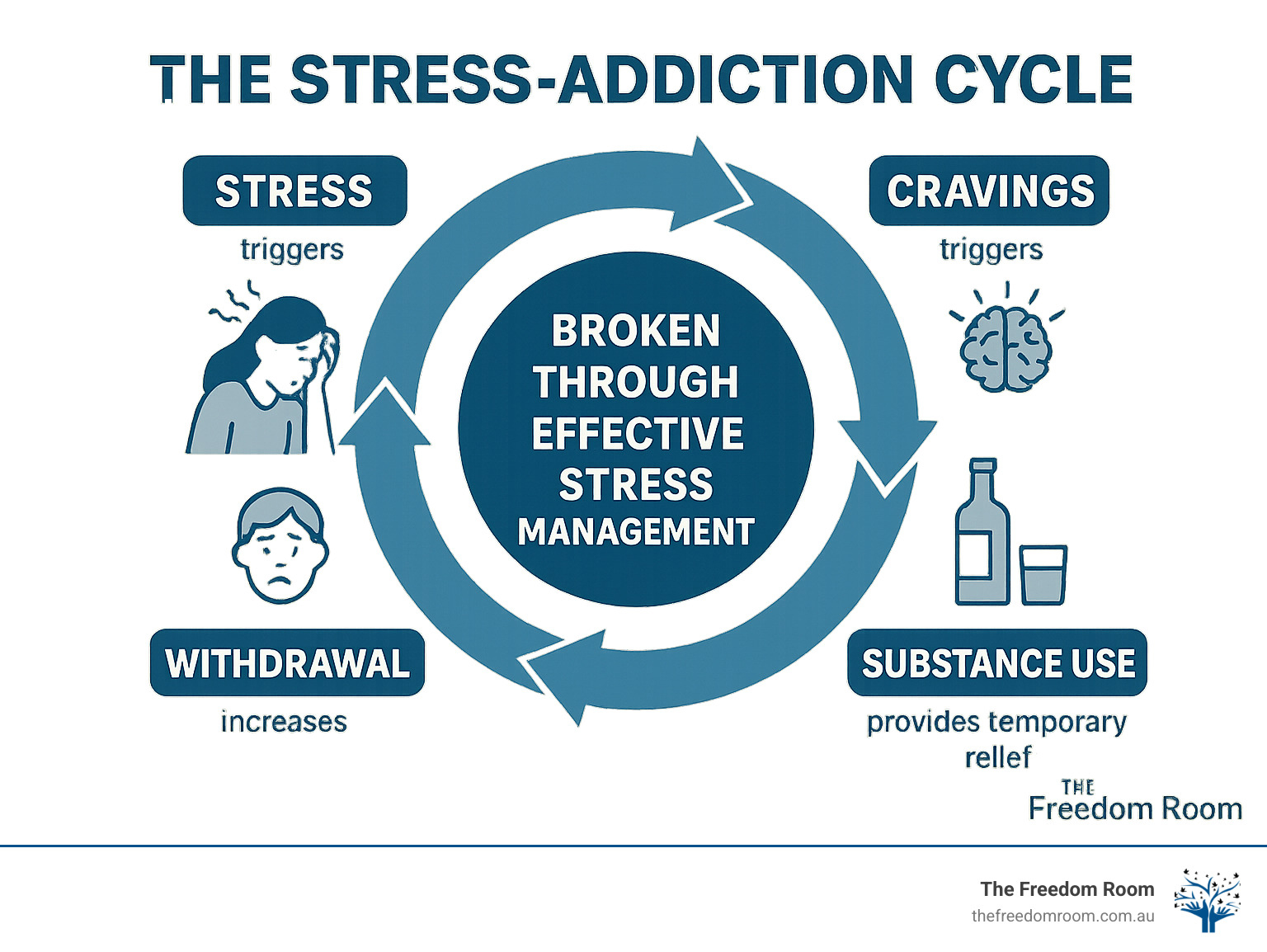
Addiction recovery health is also influenced by social factors, often referred to as the Social Determinants of Health (SDOH). Stability in housing, employment, and social support networks creates the "recovery capital" necessary to maintain physical health. Without a safe environment, the body remains in a state of chronic "fight or flight," which prevents the deep physiological healing required for long-term health.
Community-based recovery centers in 2026 often include "Wellness Hubs" that provide access to fitness equipment, nutritional counseling, and primary care screenings. This integrated approach ensures that health is not an afterthought but the foundation of the recovery process.
Common Mistakes in Recovery Health
- The "Pink Cloud" Overexertion: Individuals in early recovery often feel a burst of energy (the pink cloud) and start an unsustainable exercise or diet regime, leading to burnout and potential relapse.
- Substituting Addictions: Moving from drugs or alcohol to excessive sugar consumption or nicotine. While less immediately dangerous, these behaviors hinder the stabilization of dopamine and insulin levels.
- Ignoring Minor Symptoms: Attributing all physical discomfort to "withdrawal" and missing underlying medical issues like infections or thyroid imbalances.
Frequently Asked Questions
How long does it take for the brain to heal during addiction recovery?
Neuroplasticity allows for significant healing, but the timeline varies based on the substance used and the duration of use. Generally, noticeable improvements in cognitive function and emotional regulation begin after 90 days of abstinence, while substantial restoration of dopamine receptors can take 12 to 14 months of sustained sobriety.
Can a specific diet really reduce drug or alcohol cravings?
Yes. A diet high in protein (for neurotransmitter production) and low in refined sugars (to prevent blood glucose fluctuations) can stabilize mood. Stable blood sugar prevents the irritability and "hangriness" that the brain often misinterprets as a craving for the substance of choice.
Is exercise safe for everyone in early recovery?
While beneficial, exercise should be introduced gradually. Individuals who have used stimulants or heavy amounts of alcohol should receive a cardiac clearance from a physician before starting high-intensity programs, as their cardiovascular systems may be compromised.
What is the importance of sleep in recovery health?
Sleep is when the brain performs its most vital maintenance. For those in recovery, sleep is essential for memory consolidation and emotional processing. Poor sleep is one of the highest predictors of relapse, as it impairs the prefrontal cortex—the part of the brain responsible for impulse control.
Should I stop smoking cigarettes while in recovery for other substances?
Modern clinical advice suggests that concurrent smoking cessation can actually improve long-term sobriety outcomes for other substances. Nicotine uses similar neurological pathways as other drugs, and continuing to smoke can keep those addiction pathways "primed," making it harder to maintain overall recovery health.
Implementing Your Health Restoration Plan
The most effective next action for anyone focusing on addiction recovery health is to schedule a comprehensive physical examination with a provider who specializes in addiction medicine. This ensures that your health plan is based on objective data rather than guesswork.
Begin by focusing on the "Big Three": consistent sleep hygiene (aiming for 7–9 hours), foundational nutrition (prioritizing whole foods and hydration), and low-impact daily movement. Use 2026-era tools like health tracking apps to monitor your progress, but remain patient with your body. Recovery is a marathon of physiological rebuilding, and sustainable health is the most reliable safeguard against relapse.