Addiction psychiatry is a medical subspecialty focusing on the evaluation, diagnosis, and treatment of individuals suffering from substance use disorders and co-occurring mental health conditions. By integrating biological, psychological, and social interventions, addiction psychiatrists provide specialized care for complex cases, utilizing advanced pharmacotherapy and evidence-based psychotherapy to support long-term recovery and neurological stability.
The Role and Scope of an Addiction Psychiatrist
An addiction psychiatrist is a board-certified medical doctor (MD or DO) who has completed a standard four-year residency in psychiatry followed by a specialized one-year fellowship in addiction psychiatry. This specific training path distinguishes them from general psychiatrists and addiction medicine physicians. In 2026, their role has become increasingly vital as the medical community moves toward a "whole-brain" approach to recovery, recognizing that addiction is a chronic, relapsing brain disease rather than a moral failing.
These specialists are uniquely equipped to handle the "dual diagnosis" or "comorbidity" aspect of recovery. This refers to the presence of both a substance use disorder (SUD) and a psychiatric condition, such as clinical depression, bipolar disorder, schizophrenia, or post-traumatic stress disorder (PTSD). Because these conditions often exacerbate one another, treating them in isolation—for example, treating the addiction without addressing the underlying anxiety—frequently leads to relapse.
The addiction psychiatrist’s scope of practice includes:
- Comprehensive Diagnostic Assessments: Evaluating the intersection of genetics, environment, and neurobiology.
- Medical Detoxification Management: Overseeing the safe withdrawal from substances that carry high physical risks, such as alcohol or benzodiazepines.
- Pharmacotherapy: Prescribing and managing medications that reduce cravings or block the euphoric effects of drugs.
- Psychotherapeutic Intervention: Utilizing specialized therapies like Motivational Interviewing (MI) and Cognitive Behavioral Therapy (CBT) tailored for addiction.
The Core Concept of Dual Diagnosis
The primary reason patients seek out addiction psychiatry specifically is the management of co-occurring disorders. National data consistently indicates that individuals with mental health disorders are significantly more likely to experience a substance use disorder than the general population. The relationship is often bidirectional: drugs and alcohol may be used to "self-medicate" distressing psychiatric symptoms, while chronic substance use can trigger or worsen psychiatric vulnerabilities.
In a clinical setting, an addiction psychiatrist must determine the "primary" versus "secondary" nature of symptoms. For instance, is a patient’s intense anxiety a result of alcohol withdrawal, or is it a pre-existing Generalized Anxiety Disorder that led the patient to use alcohol as a sedative? Distinguishing these requires a deep understanding of the half-lives of substances and the long-term neurochemical changes caused by chronic use.
In 2026, treatment protocols emphasize integrated care. Rather than referring a patient to two different clinics, the addiction psychiatrist manages the medication for both the mental health disorder and the addiction simultaneously. This ensures that drug-drug interactions are monitored and that the medications chosen for mental health do not have a high potential for misuse.
Evidence-Based Treatment Modalities
The treatment of addiction has moved far beyond simple abstinence-based models. Addiction psychiatry utilizes a multifaceted toolkit that addresses the brain’s reward system and the behavioral patterns that reinforce addiction.
Medication-Assisted Treatment (MAT)
MAT remains the "gold standard" for opioid and alcohol use disorders. Addiction psychiatrists are experts in the nuances of these medications:
- Buprenorphine and Methadone: Used for opioid use disorder to stabilize the brain's mu-opioid receptors, preventing withdrawal and reducing cravings without producing a high.
- Naltrexone: An antagonist that blocks the effects of opioids and reduces the "reward" feeling associated with drinking alcohol.
- Acamprosate and Disulfiram: Specifically utilized in alcohol recovery to manage post-acute withdrawal or provide a physiological deterrent to drinking.
As of 2026, there is a greater clinical emphasis on long-acting injectable (LAI) formulations of these medications. These injections, administered once a month or once every few months, eliminate the need for daily dosing, thereby improving treatment adherence and reducing the risk of accidental diversion or overdose.
Advanced Psychotherapy
While medications stabilize the biology, psychotherapy addresses the behavior. Addiction psychiatrists often employ Motivational Interviewing (MI), a clinical style designed to resolve ambivalence and help the patient find their own internal motivation for change. Additionally, Contingency Management, which provides tangible rewards for positive behaviors like clean drug screens, has seen a resurgence in 2026 due to its high efficacy in stimulant use disorders where pharmacological options are more limited.
Addiction Psychiatry vs. Addiction Medicine
It is a common point of confusion for patients to distinguish between an addiction psychiatrist and an addiction medicine specialist. While both treat substance use disorders, their training and focus differ.
| Feature | Addiction Psychiatry | Addiction Medicine |
|---|---|---|
| Primary Training | Psychiatry Residency | Any Medical Residency (ER, IM, FM, etc.) |
| Primary Focus | Mental health and addiction intersection | Physical health and addiction intersection |
| Board Certification | American Board of Psychiatry and Neurology (ABPN) | American Board of Preventive Medicine (ABPM) |
| Psychotherapy | Trained to provide direct psychotherapy | Usually refers out for psychotherapy |
| Scope of Practice | Complex dual diagnosis (Schizophrenia, Bipolar) | General SUD and medical complications (Hepatitis C, Liver issues) |
Both specialists are essential to the healthcare ecosystem. A patient with severe endocarditis or liver failure due to drug use might prioritize an addiction medicine specialist, whereas a patient struggling with suicidal ideation and opioid dependence would be better served by an addiction psychiatrist.
The Clinical Process: From Assessment to Maintenance
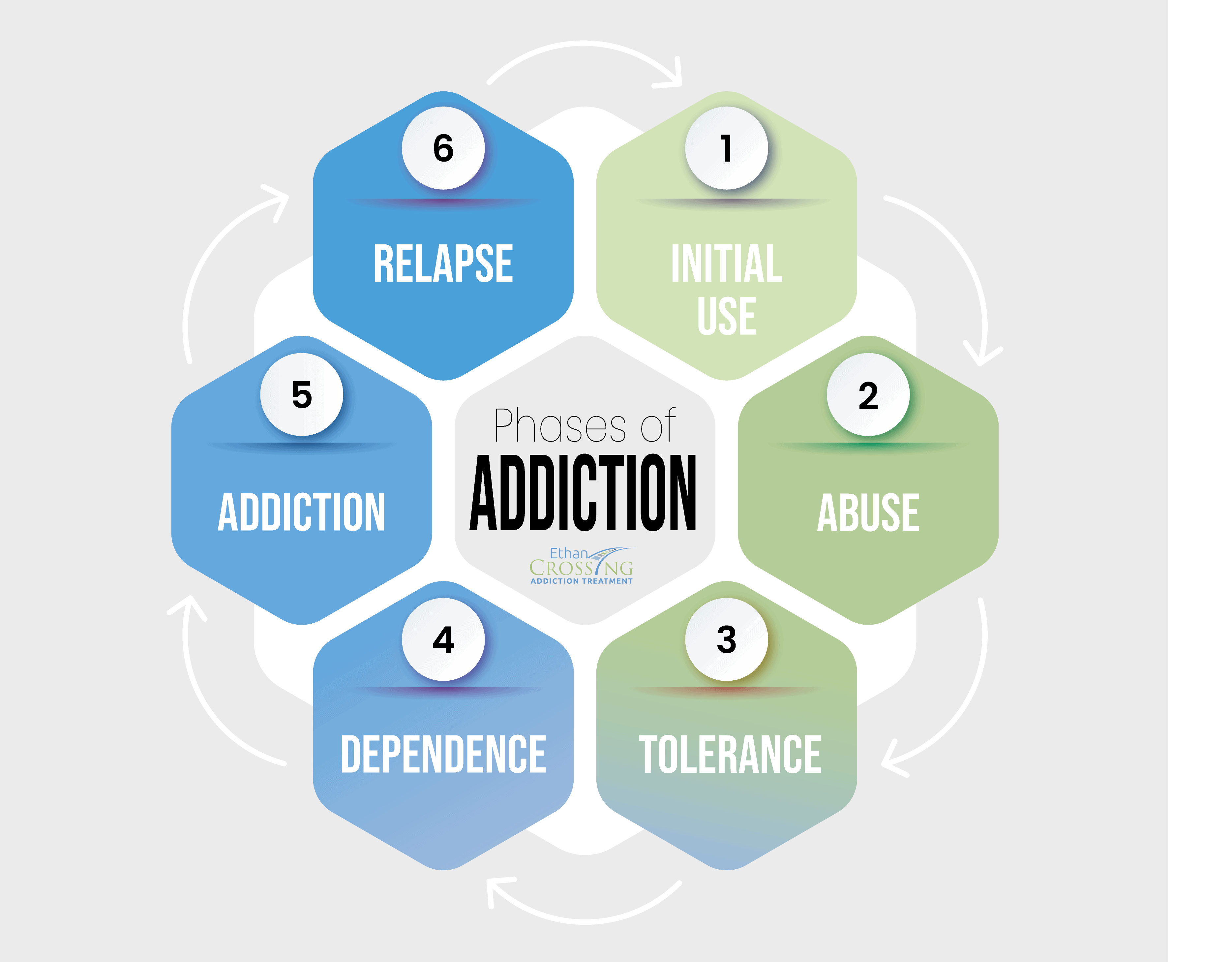
The journey within addiction psychiatry is typically divided into several distinct phases, each requiring different clinical priorities.
- Induction and Stabilization: This is the initial phase where the patient is transitioned from active use to a stable medication regimen. The goal is to reach a dose of medication that eliminates withdrawal symptoms and cravings without causing sedation.
- The "Pink Cloud" and Early Recovery: Once stable, many patients experience a period of heightened optimism. The psychiatrist uses this time to build the therapeutic alliance and begin deep work on the psychological triggers that lead to use.
- Relapse Prevention and Maintenance: Recovery is rarely linear. In 2026, the clinical consensus is that relapse is a symptom of the disease, not a failure of the treatment. Psychiatrists work with patients to identify "high-risk situations" and develop "lapse-management" plans to prevent a brief return to use from becoming a full-scale relapse.
- Long-Term Monitoring: Addiction is a chronic condition, much like diabetes or hypertension. Ongoing monitoring, often via telehealth in the 2026 landscape, ensures that medication dosages remain appropriate and that any emerging psychiatric symptoms are caught early.
Challenges and Innovations in 2026
The field of addiction psychiatry continues to evolve to meet the challenges of a changing drug landscape. By 2026, the prevalence of high-potency synthetic opioids and the rise in polysubstance use (using multiple drugs simultaneously) have forced psychiatrists to adopt more aggressive and tailored stabilization protocols.
One significant innovation is the use of Pharmacogenomics. Psychiatrists can now use genetic testing to predict how a specific patient will metabolize psychiatric and addiction medications. This "precision medicine" reduces the trial-and-error period that previously plagued addiction treatment, allowing patients to find the right medication and dose much faster.
Furthermore, digital therapeutics have become an adjunct to traditional care. Many addiction psychiatrists now prescribe FDA-cleared apps that provide Cognitive Behavioral Therapy modules directly to the patient's smartphone, allowing for "real-time" intervention during moments of intense craving outside of the clinical office.
Frequently Asked Questions
What is the difference between an addiction psychiatrist and a therapist?
An addiction psychiatrist is a medical doctor who can prescribe medication, order lab tests, and diagnose complex mental health conditions. A therapist (such as an LCSW or LPC) provides talk therapy but cannot prescribe medication. In a high-quality treatment plan, the two often work together as a team.
Can addiction psychiatrists treat behavioral addictions like gambling?
Yes. Addiction psychiatry covers "process addictions" or behavioral addictions, including gambling disorder and, in some clinical contexts, compulsive internet or gaming behaviors. These conditions often share the same neurological pathways (the dopamine reward system) as substance use disorders.
Is medication-assisted treatment (MAT) just replacing one drug with another?
No. This is a common misconception. Medications like buprenorphine or methadone are prescribed in controlled doses to stabilize brain chemistry and prevent withdrawal. Unlike illicit drugs, they do not produce a "high" when taken as directed. They allow the individual to function, work, and engage in therapy—something that is often impossible during active addiction.
How long does treatment with an addiction psychiatrist usually last?
Treatment duration is highly individualized. For some, a period of one to two years is sufficient to stabilize and transition to a lower level of care. For others with chronic mental health conditions or long histories of substance use, maintenance treatment may last several years or even be lifelong, similar to managing any other chronic medical condition.
Do addiction psychiatrists accept insurance?
While many addiction psychiatrists accept private insurance and Medicare, there is a known shortage of these specialists. Some maintain private-pay practices, but many are integrated into larger hospital systems or specialized recovery centers where insurance coverage is standard.
Taking the Next Step in Treatment
If you or a loved one is struggling with the dual burden of mental health issues and substance use, seeking a consultation with a board-certified addiction psychiatrist is the most effective clinical step. Because these specialists are in high demand, it is recommended to start by asking your primary care physician for a referral or using the American Academy of Addiction Psychiatry (AAAP) or the Substance Abuse and Mental Health Services Administration (SAMHSA) provider locators.
In 2026, many providers offer initial evaluations via telehealth, making it easier than ever to access high-level expertise regardless of your geographic location. The goal is not just to stop the use of a substance, but to restore a level of mental health and social functioning that makes a "life worth living" possible.