Adaptive ice hockey is a modified version of the sport designed for athletes with physical, cognitive, or sensory disabilities. It encompasses several distinct disciplines, including sled hockey, standing adaptive, blind hockey, and special hockey. By utilizing specialized equipment and tailored rules, adaptive hockey ensures the game remains inclusive and accessible while maintaining its characteristic speed and competitive intensity.
Understanding the Primary Disciplines of Adaptive Ice Hockey
Adaptive ice hockey is not a single monolith but rather a collection of sub-disciplines tailored to specific needs. In 2026, the landscape of the sport has matured, offering pathways for nearly any individual with a desire to play, regardless of their physical or developmental profile.
Sled Hockey (Para Ice Hockey)
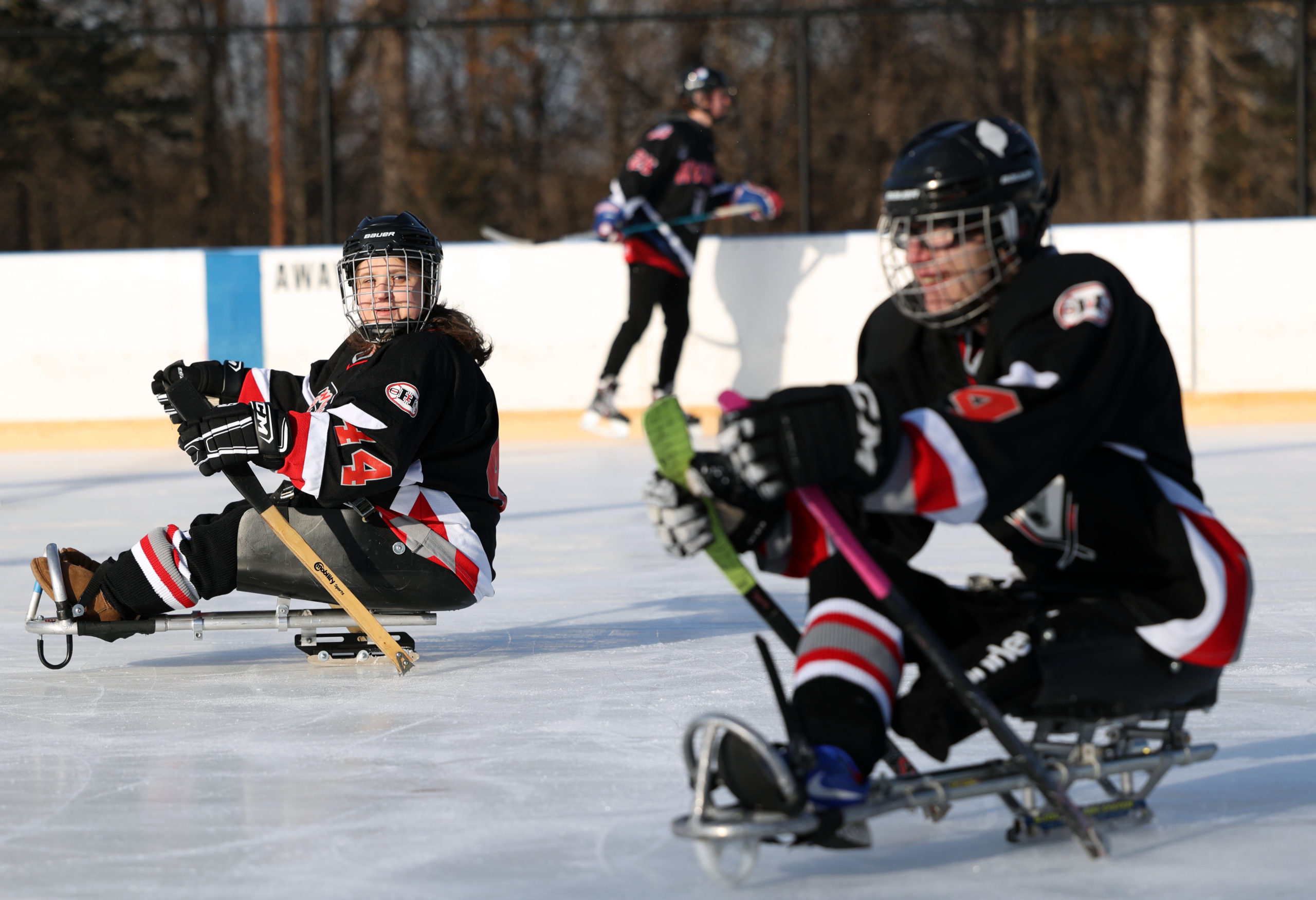
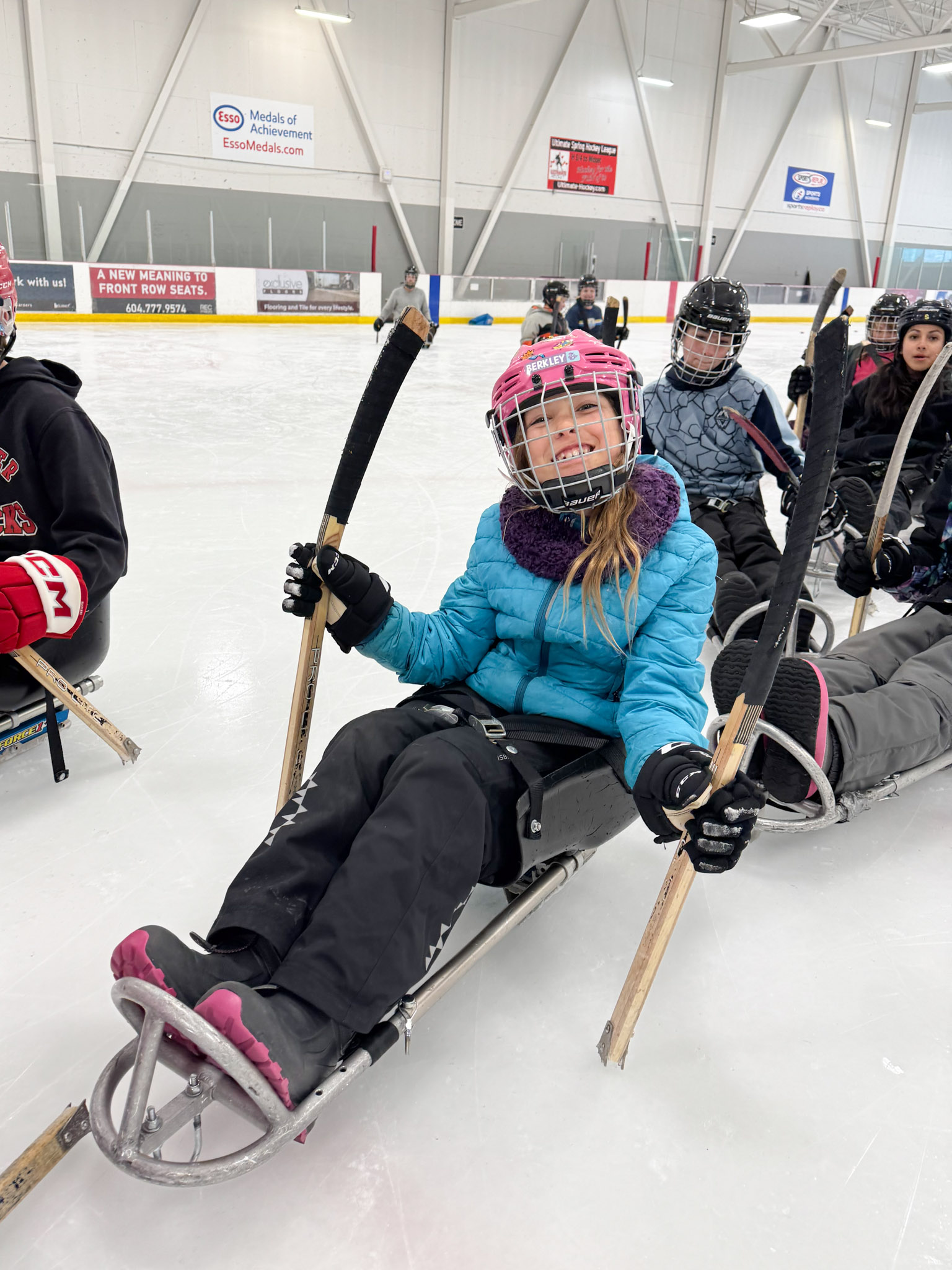
Sled hockey—known internationally as Para Ice Hockey—is the most recognized form of the sport and is a staple of the Winter Paralympic Games. It was designed for players with physical disabilities in their lower bodies, such as spinal cord injuries, double leg amputations, or spina bifida. Instead of standing on skates, players sit in a custom-fitted sled (sledge) mounted on two hockey skate blades. Players use two shortened sticks, which serve a dual purpose: the "pick" end allows for propulsion across the ice, while the blade end is used for puck handling and shooting.
Standing Adaptive and Warrior Hockey
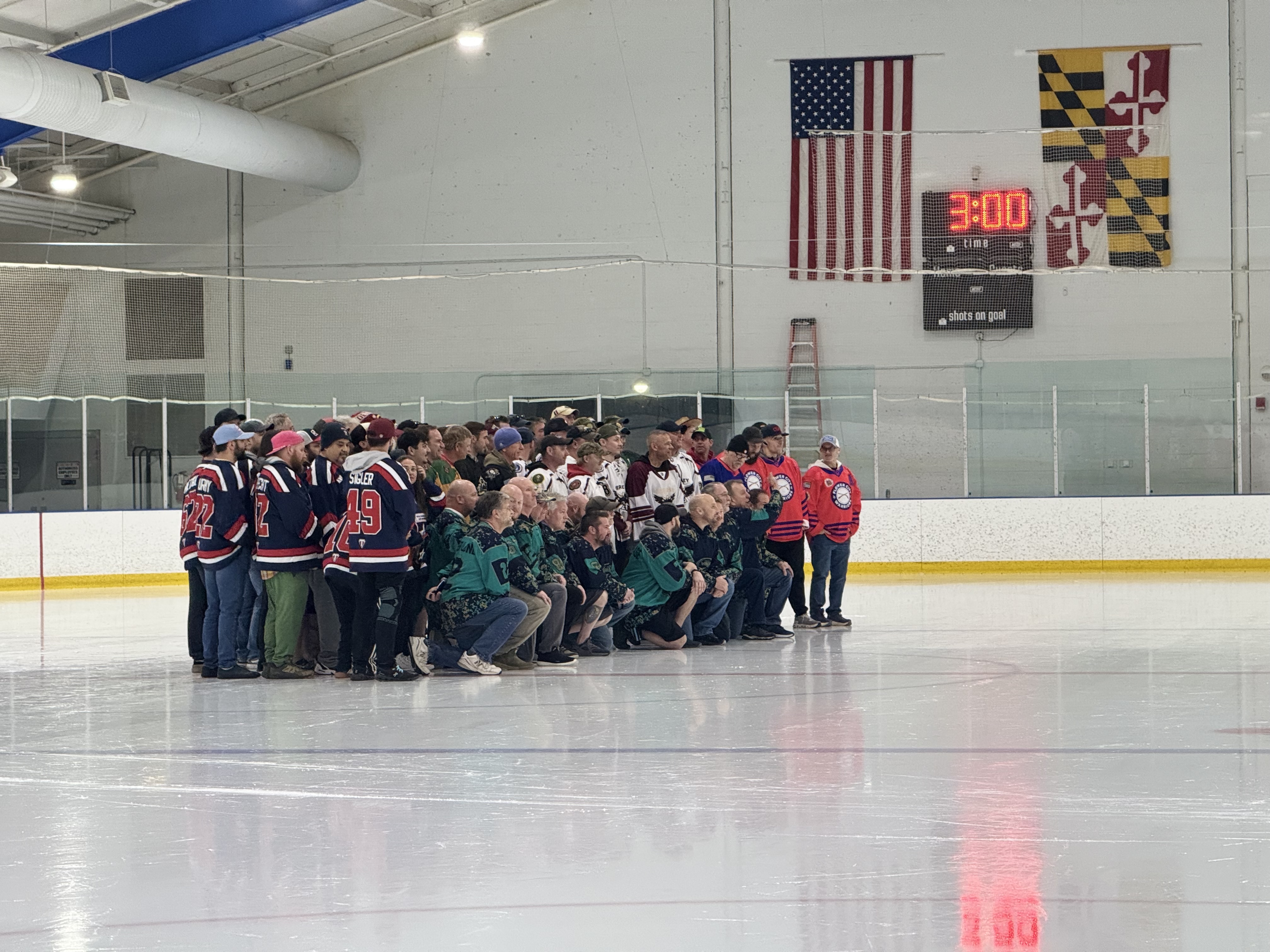
Standing adaptive hockey is intended for players who have physical disabilities but retain the ability to skate in an upright position. This may include individuals with upper-body amputations, mild cerebral palsy, or other mobility-limiting conditions. In the United States, "Warrior Hockey" has become a dominant subset of this discipline, specifically serving disabled veterans. While the rules closely mirror standard ice hockey, modifications are often made to accommodate limited range of motion or the use of prosthetics.
Blind Hockey
Blind hockey is one of the most technically unique variations of the sport. It is played by athletes whose level of vision ranges from legally blind to partially sighted. The game relies on auditory cues. The puck is significantly larger than a standard puck, made of thin steel, and filled with ball bearings that rattle as it moves across the ice. To ensure goalies (who are often completely blind or have very low vision) have a fair chance, teams must complete at least one pass in the offensive zone before they are eligible to score, signaled by a specific whistle from the official.
Special Hockey
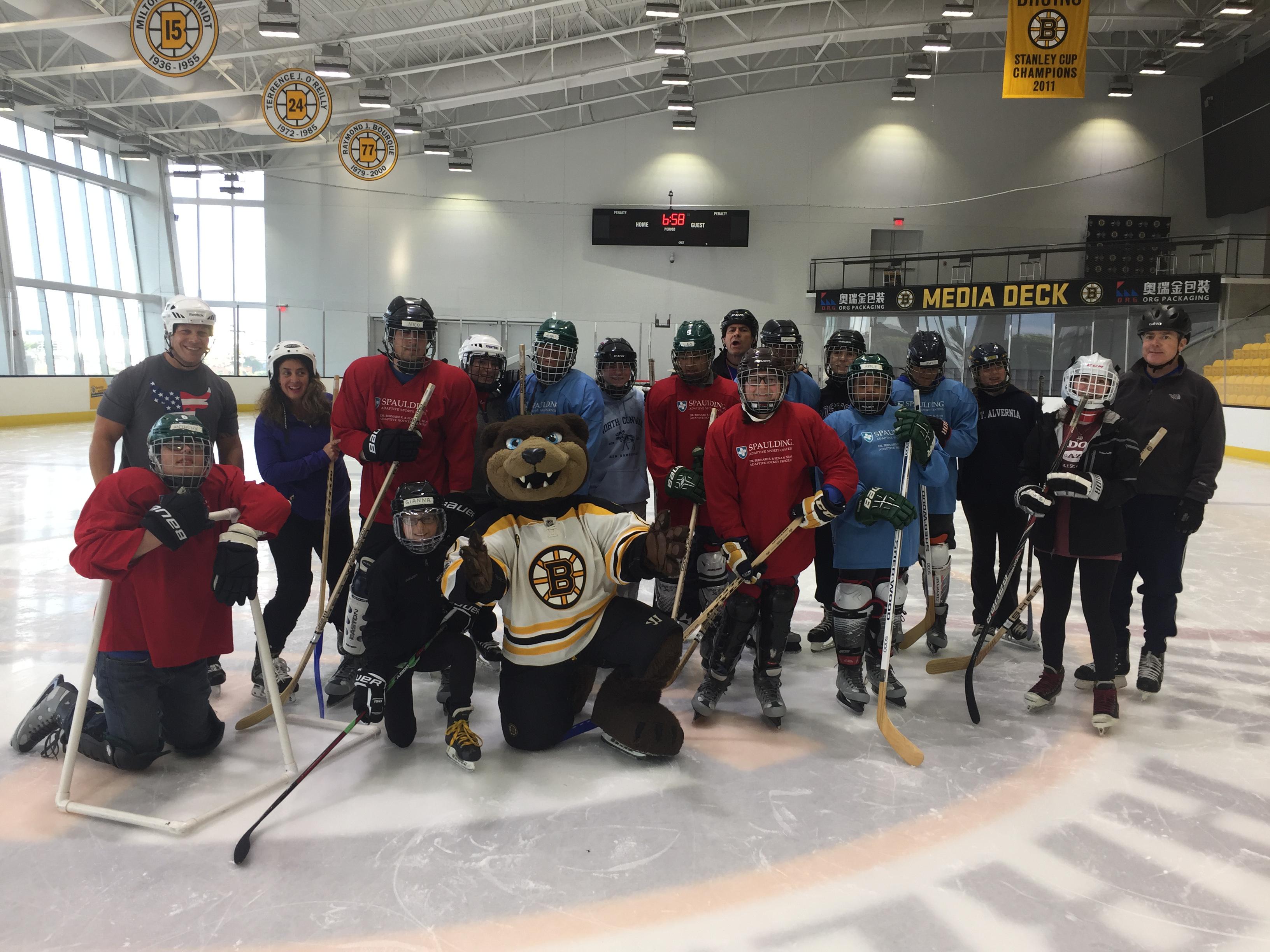
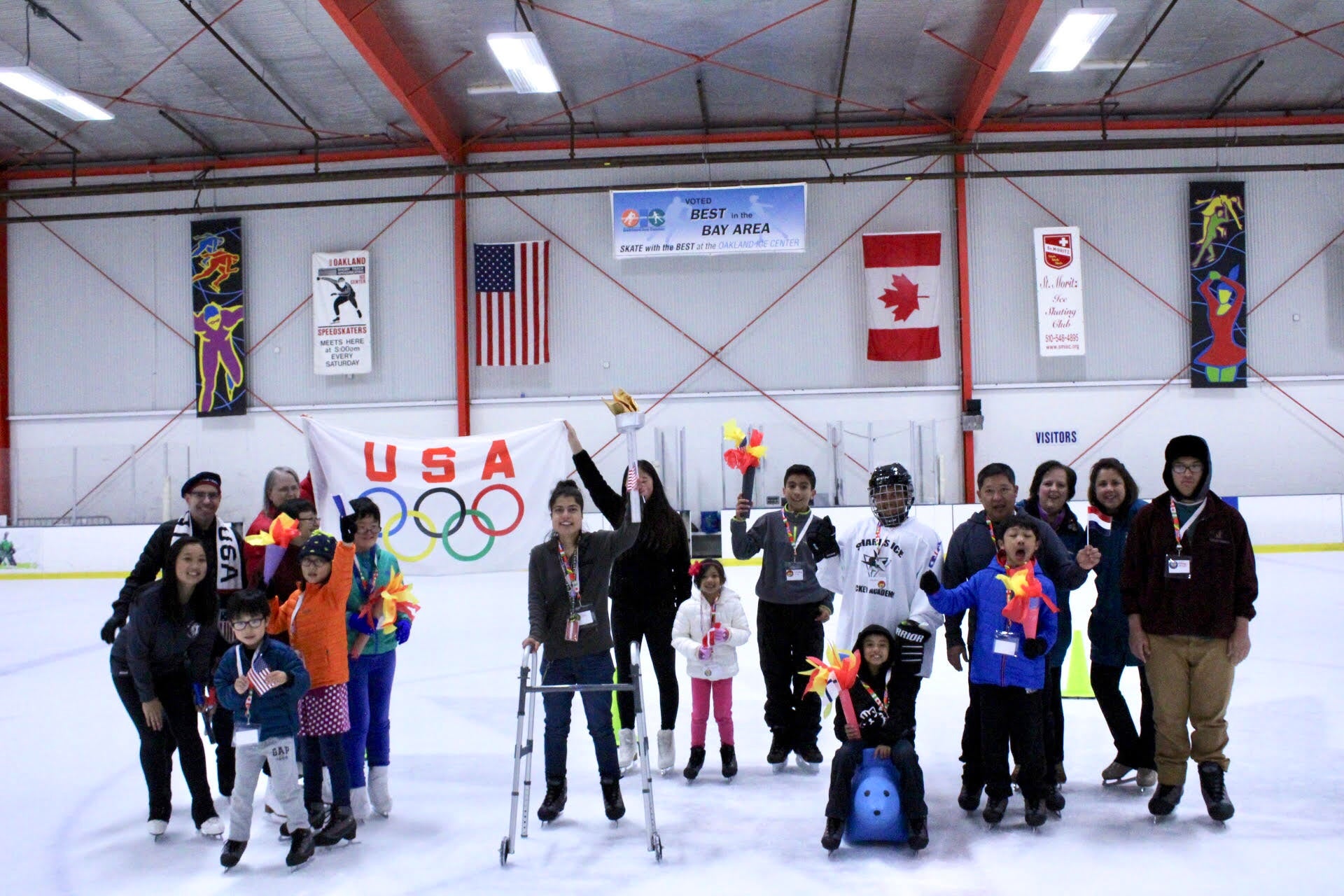
Special hockey focuses on athletes with cognitive, developmental, or intellectual disabilities, such as Autism or Down Syndrome. The primary goal of this discipline is social integration and personal development rather than elite international competition. Rules are often relaxed to allow for more fluid play, and there is a heavy emphasis on coaching and mentorship. Many special hockey programs utilize "on-ice helpers" to assist players who may struggle with navigation or following complex game sequences.
Essential Equipment and Technical Specifications
The equipment used in adaptive ice hockey is a blend of standard protective gear and highly specialized machinery. Because of the physical demands of the sport, especially in sled hockey, the engineering of these components is critical for both performance and safety.
The Sled (Sledge) and Blades
The sled is the most expensive and vital piece of equipment for a para-hockey player. Most frames are constructed from high-grade aluminum or stainless steel to provide a balance between weight and durability. In 2026, many elite players use carbon fiber components to further reduce weight. The "bucket" (the seat) is often custom-molded to the player's body to ensure maximum stability. The blades beneath the sled are typically spaced at a distance that allows the puck to pass underneath the frame, preventing players from "trapping" the puck to move it down the ice illegally.
Specialized Sticks
In sled hockey, players utilize two sticks, usually between 60 and 90 centimeters in length. The butt-end of each stick features stainless steel picks. These picks are used to dig into the ice to propel the player forward. The blades of the sticks are slightly more curved than standard hockey sticks to allow for better one-handed puck control. In blind hockey, sticks are standard, but the puck is the defining piece of hardware—a 5-inch diameter hollow metal disc that provides constant acoustic feedback.
Protective Gear and Modifications
Players in all adaptive disciplines must wear full hockey gear, including helmets with full face cages, neck guards, shoulder pads, and gloves. Sled hockey players often wear specialized "sled pads" or reinforced shin guards that protect the legs from impact with other sleds or the boards, as the legs are positioned in front of the body in a seated posture.
Eligibility and Classification Systems
To maintain fair competition, especially at the provincial, national, and international levels, adaptive hockey utilizes a classification system. This is most rigorous in Para Ice Hockey (Sled), where players must meet "Minimum Impairment Criteria" to compete in sanctioned tournaments.
- Functional Classification: For international play, athletes are assessed on their physical ability to perform hockey-specific movements. This prevents players with no physical disability from gaining an unfair advantage in a seated environment.
- Visual Classification: In blind hockey, players are classified based on their visual acuity and field of vision (B1, B2, or B3). Teams must often maintain a specific "on-ice visual average" to ensure one team does not have a disproportionate number of sighted players.
- Special Hockey Inclusion: There is generally no formal "classification" for special hockey; rather, players are grouped by skill level and age to ensure everyone has an opportunity to touch the puck and participate in the play.
Comparison of Adaptive Hockey Formats
| Feature | Sled Hockey (Para) | Blind Hockey | Standing Adaptive | Special Hockey |
|---|---|---|---|---|
| Primary Mobility | Seated in a metal sled | Upright skating | Upright skating | Upright skating |
| Puck Type | Standard 6oz rubber | Large metal (auditory) | Standard 6oz rubber | Standard or lightweight |
| Stick Setup | Two sticks with ice picks | One standard stick | One standard stick | One standard stick |
| Net Height | Standard (4 feet) | 3 feet (1 foot lower) | Standard (4 feet) | Standard (4 feet) |
| Key Rule Change | No "teeing" (ramming) | Pass required to score | No body checking | Non-competitive focus |
| Audience | Physical lower-body disabilities | Visual impairments | Physical impairments | Cognitive/Intellectual |
Strategic Gameplay and Key Rule Modifications
While the spirit of the game remains identical to the NHL or IIHF standards, specific rules are in place to address the mechanics of adaptive play. These rules are designed to prevent injury and account for the physics of modified equipment.
The "Teeing" Rule in Sled Hockey
One of the most important safety rules in sled hockey is the prohibition of "teeing." Teeing occurs when a player charges into an opponent at an angle where the front of their sled (the "tee") makes contact with the side of the opponent's sled. This is extremely dangerous as it can cause the sled to flip or result in significant impact to the opponent's ribs and internal organs. Penalties for teeing are severe and often result in game misconducts.
Goal Crease and Goaltending
In sled hockey, the goalie has a slightly different set of challenges. Because they are seated, their lateral mobility is dependent on their ability to push off with their sticks or hands. Most sled hockey goalies use a glove with picks on the bottom to help them "scuttle" across the crease. In blind hockey, the goal is lowered by one foot because players (and the goalie) rely on sound; a lower net keeps the puck closer to the ice where it is louder and easier to track.
The "One Pass" Rule in Blind Hockey
To prevent a single highly-skilled, partially-sighted player from dominating the game, blind hockey requires at least one completed pass after crossing the blue line into the offensive zone before a goal can be scored. Once the pass is completed, the official blows a high-pitched whistle, signaling to the defense and the goalie that the puck is "live" for a shot.
Financial Considerations and Resource Access
Entering the world of adaptive ice hockey can be financially daunting. A high-quality sled can cost anywhere from $800 to $1,500, and a pair of carbon fiber sticks can exceed $300. However, the adaptive sports community is robust, and many organizations work to lower the barrier to entry.
- Loaner Equipment: Most local adaptive hockey clubs offer "try-it" sessions where equipment is provided for free. Many programs maintain a "library" of sleds for new players to use throughout their first few seasons.
- Grant Opportunities: Organizations like The Hartford, USA Hockey’s Labatt Blue Adaptive Hockey Grant, and the Challenged Athletes Foundation (CAF) provide individual grants for athletes to purchase their own custom sleds or protective gear.
- Veteran Support: In the U.S., the Department of Veterans Affairs often provides funding for disabled veterans to participate in Warrior Hockey programs, covering travel, equipment, and tournament fees.
Finding a Program and Getting Started
For those looking to begin their journey in adaptive ice hockey in 2026, the first step is identifying a local affiliate. National governing bodies such as USA Hockey, Hockey Canada, and the English Ice Hockey Association (EIHA) maintain directories of registered adaptive programs.
- Assessment: Contact a program coordinator to discuss your specific needs. They can help determine which discipline (Sled, Blind, Standing, or Special) is the best fit.
- Try-it Days: Attend an introductory clinic. These are usually non-competitive environments where you can get a feel for the sled or the auditory puck without any financial commitment.
- Registration: Once you decide to join, you will need to register with your national governing body for insurance purposes. In 2026, this is typically handled through a centralized online portal.
- Skills Development: Focus on the fundamentals. For sled hockey, this means learning to balance and turn the sled using your core muscles. For blind hockey, it means training your ears to track the puck’s location relative to the boards and the net.
Is sled hockey harder than regular hockey?
Sled hockey is often considered more physically demanding because it requires significant upper-body strength and core stability. Players must use their arms not only to handle the puck and shoot but also to propel themselves across the ice. The "scutting" motion used for skating in a sled engages the triceps, shoulders, and lats constantly throughout a shift, whereas traditional skating allows for more glide and momentum.
Can able-bodied people play adaptive ice hockey?
At the local and recreational levels, many programs allow "able-bodied" volunteers or family members to play in sleds or participate in special hockey to ensure there are enough players for a full scrimmage. However, at the competitive and national levels, strict eligibility criteria apply, and players must have a qualifying disability to compete in sanctioned tournaments.
How do blind hockey players know where the puck is?
Blind hockey players track the puck through sound. The puck is made of hollow steel and contains ball bearings that create a loud rattling noise as it slides. Players also use the sound of the puck hitting the boards and the verbal communication of their teammates to maintain spatial awareness. Electronic pucks that emit a constant beep have been trialed, though the traditional "rattle" puck remains the standard in 2026.
What is the age limit for adaptive hockey?
There is no upper age limit for adaptive hockey. Many programs have "Youth" divisions (ages 5-17) and "Adult" or "Senior" divisions. Because the sport is low-impact on the joints (especially sled hockey), many athletes continue to play well into their 60s and 70s. It is one of the most popular lifetime sports for individuals with physical disabilities.
Professional Advice and Next Steps
If you are considering adaptive ice hockey, the most important action is to connect with a certified coach or program director who understands the medical and safety implications of your specific disability. It is recommended to consult with a physical therapist or sports medicine professional before beginning, especially for sled hockey, to ensure your seating position (the "bucket" fit) provides adequate spinal support and does not create pressure sores. Once cleared, start by attending a local practice. The adaptive hockey community is famously welcoming, and the benefits—ranging from improved cardiovascular health to the psychological boost of being part of a team—are profound.