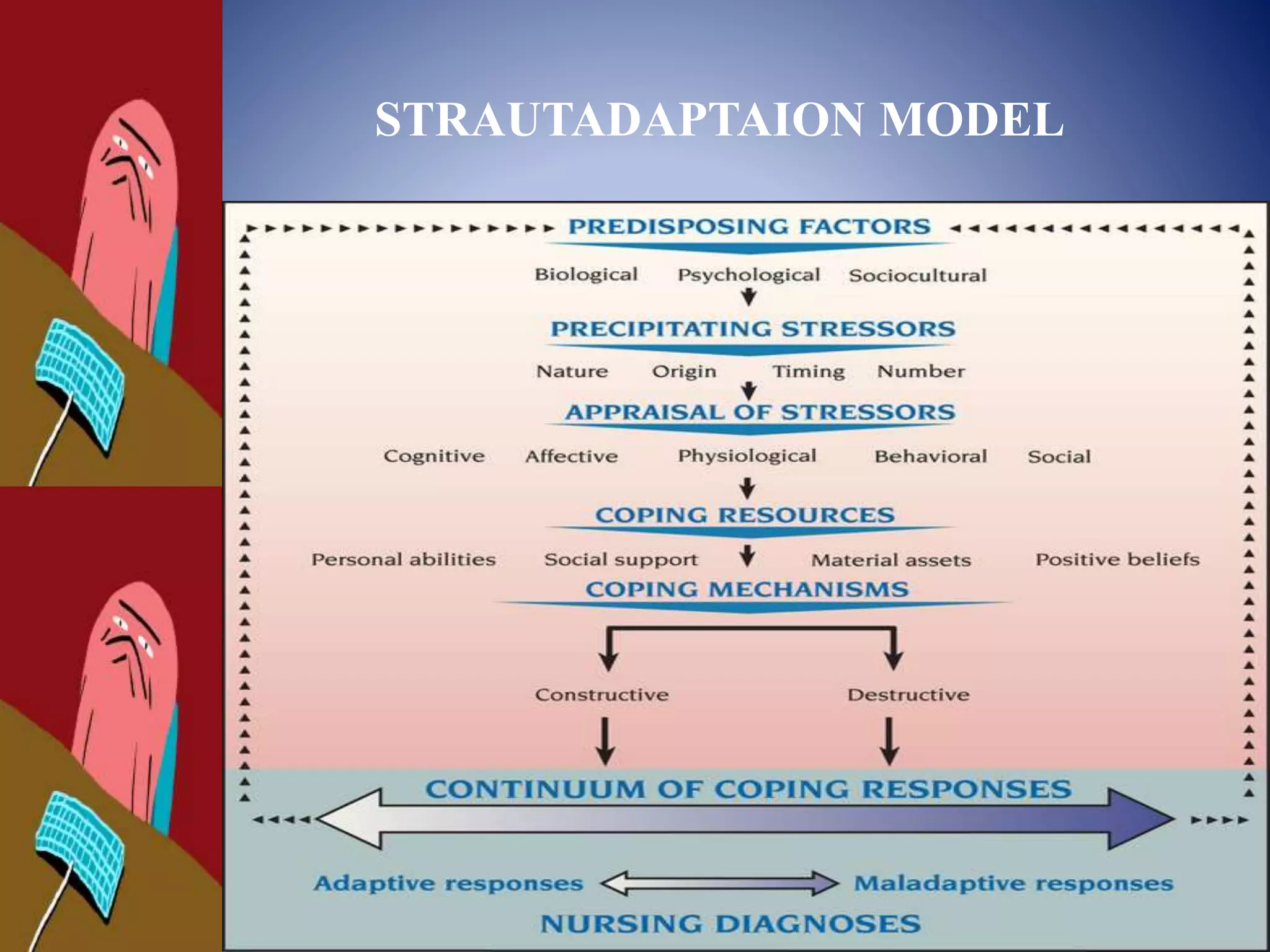
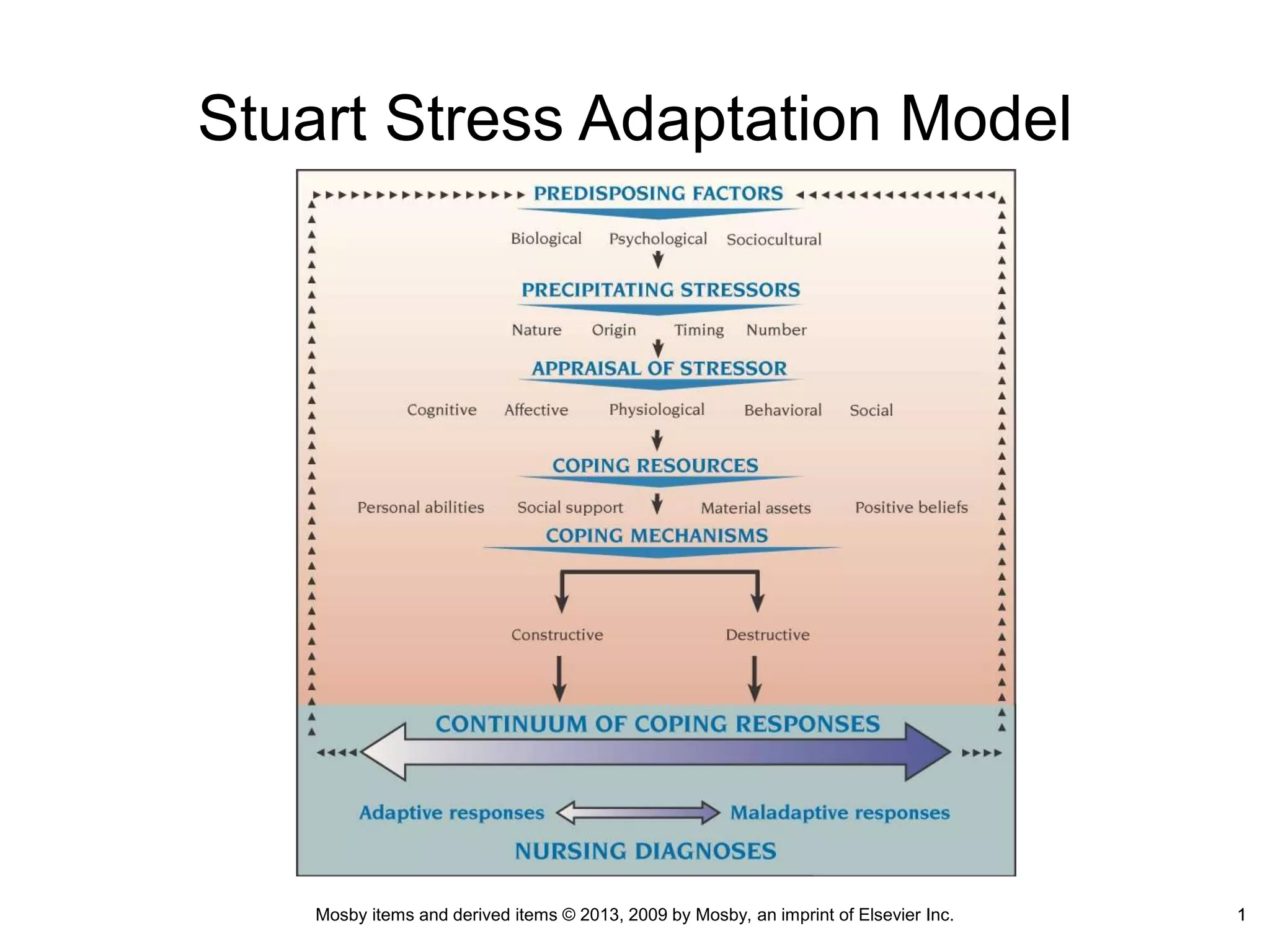
Adaptation models are structured frameworks designed to help systems—biological, social, technical, or environmental—adjust to changing circumstances or external stressors. These models provide the methodologies needed to assess impacts, identify vulnerabilities, and implement strategic responses to maintain stability, ensure survival, or reach a new state of functional equilibrium in an evolving landscape.
Understanding the Landscape of Adaptation Models
In the year 2026, the concept of an adaptation model has matured from a theoretical academic exercise into a practical necessity across multiple disciplines. Whether managing a healthcare patient’s recovery, a corporation’s response to market disruption, or a coastal city’s defense against rising sea levels, these models provide the roadmap for "controlled change."
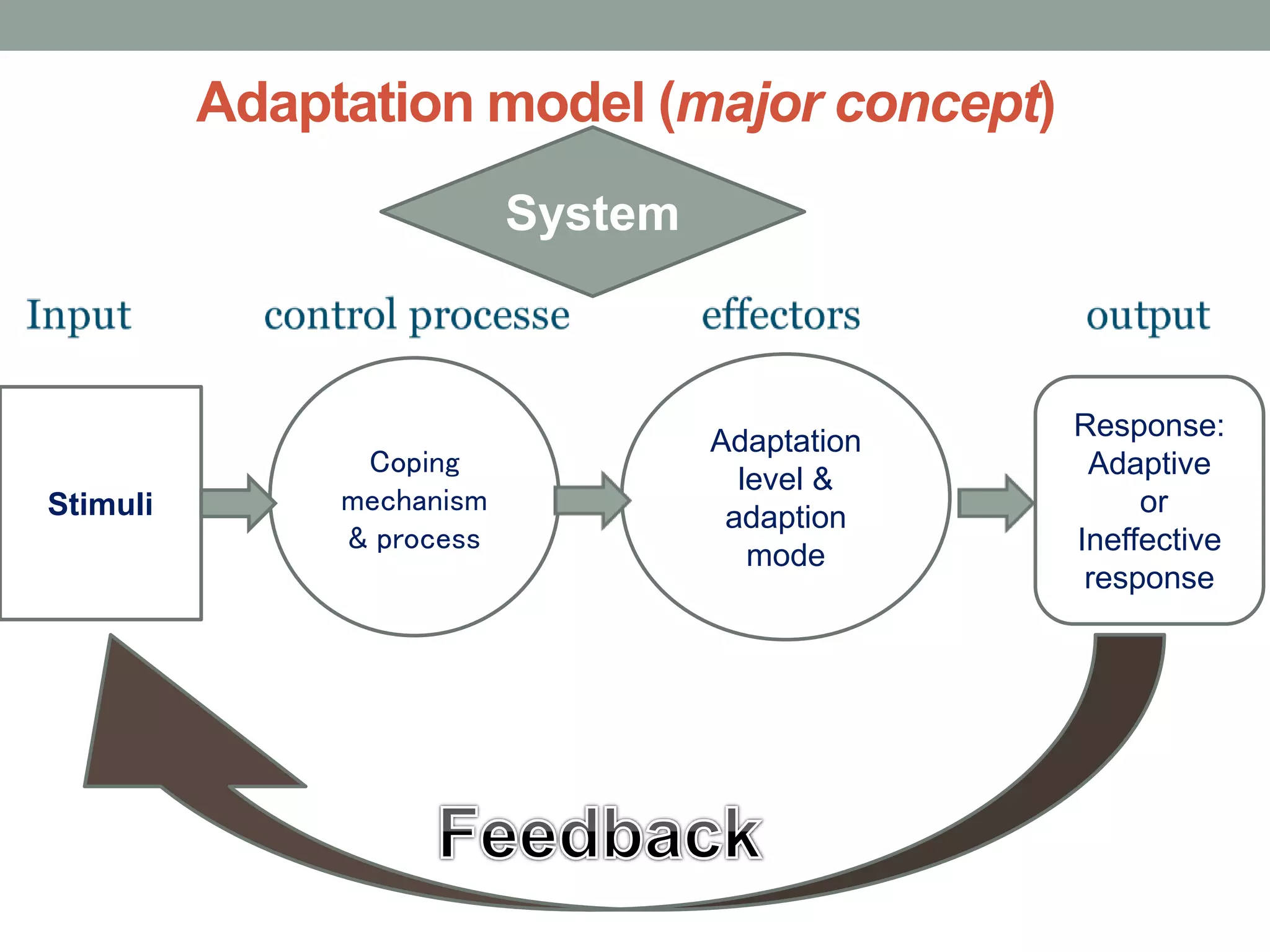
The core philosophy behind any adaptation model is the recognition that systems are rarely static. Internal and external pressures (stimuli) necessitate a response. If that response is uncoordinated, the system may fail. If the response follows a validated adaptation model, the system can thrive. This guide explores the three most prominent domains where adaptation models are applied: healthcare (specifically nursing), environmental science (climate change), and artificial intelligence (domain adaptation).
The Roy Adaptation Model in Healthcare and Nursing
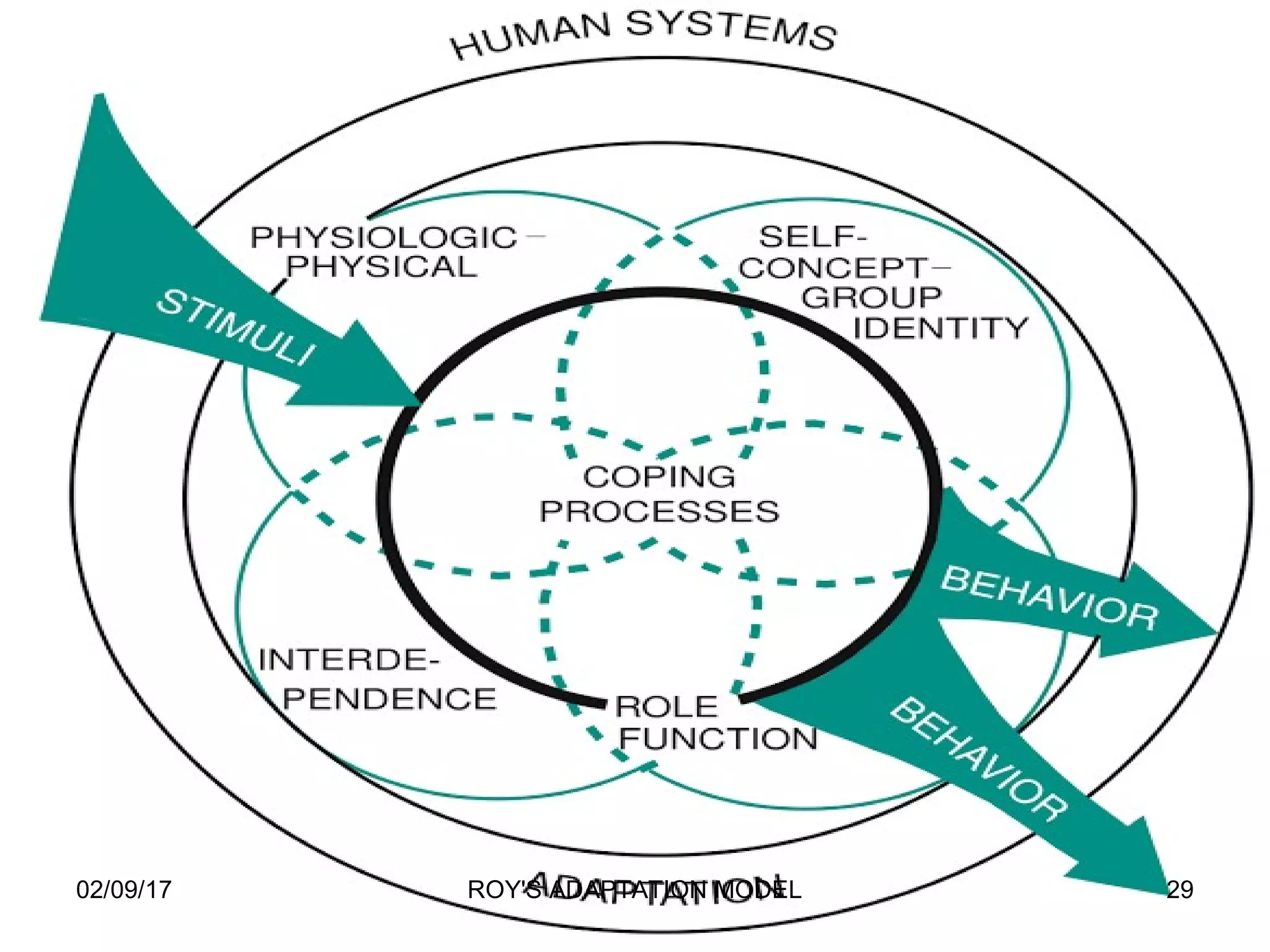
One of the most enduring and scientifically rigorous adaptation models is the Roy Adaptation Model (RAM), developed by Sister Callista Roy. In the clinical environment of 2026, RAM remains a cornerstone for holistic patient care, viewing the human being as a "biopsychosocial" adaptive system.
The Four Adaptive Modes
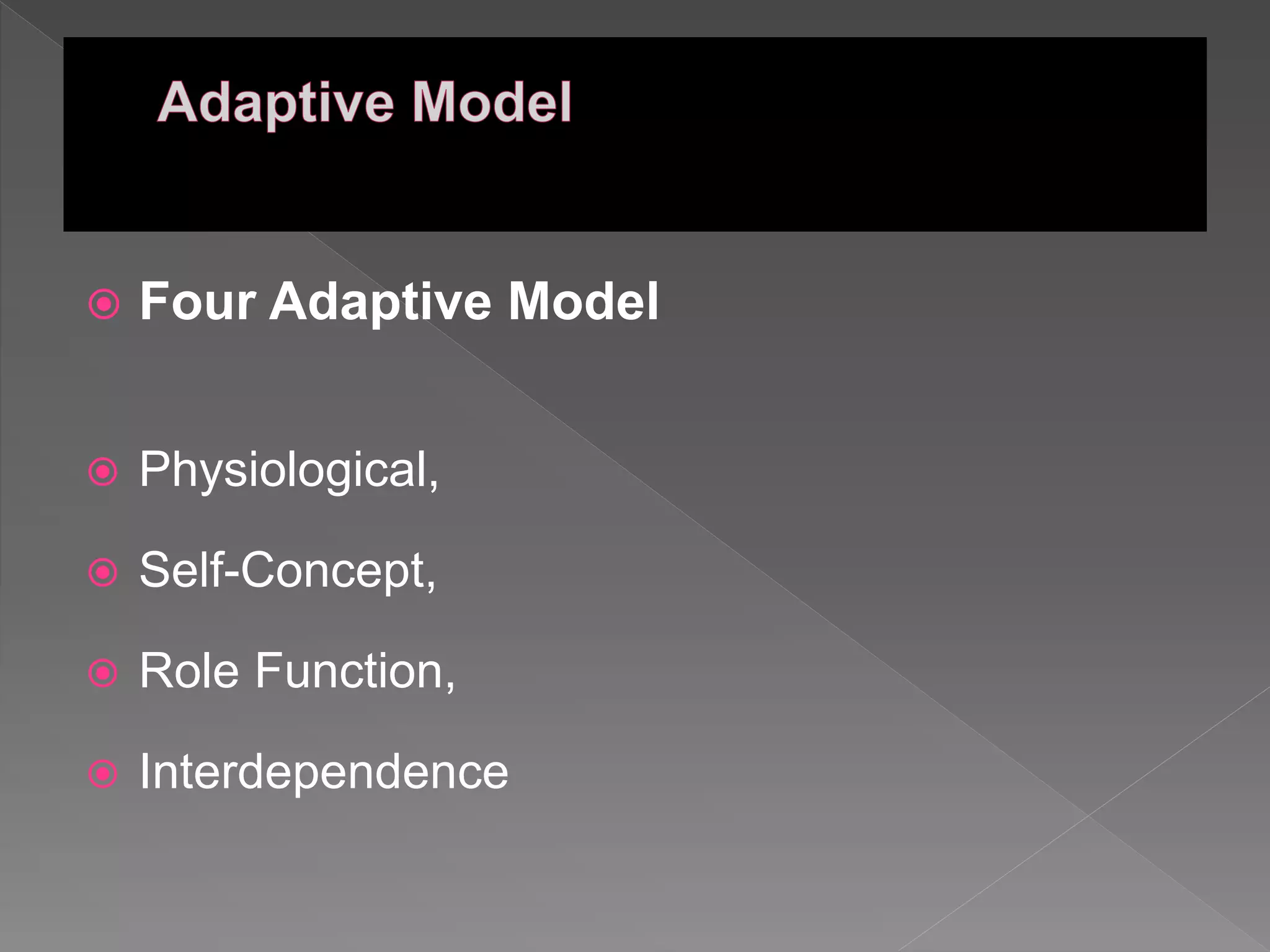
The Roy model categorizes human responses into four distinct "modes." Understanding these is a prerequisite for any practitioner looking to implement this framework:
- Physiological-Physical Mode: This involves the body's basic needs—oxygenation, nutrition, elimination, activity/rest, and protection. In a healthcare setting, adaptation is measured by how well the body maintains homeostasis under the stress of illness.
- Self-Concept Group Identity Mode: This focuses on the psychological and spiritual aspects of the person. It asks how the individual perceives themselves in relation to their physical being and their personal consistency.
- Role Function Mode: This addresses the roles an individual occupies in society (e.g., parent, employee, patient). Adaptation occurs when the individual can fulfill the expectations of these roles despite changes in health status.
- Interdependence Mode: This focuses on close relationships and support systems. It looks at the balance between independence and the need for assistance from others.
The Nursing Process under RAM
To apply this model, practitioners follow a six-step process. It begins with the assessment of behavior (observing how the patient is reacting in the four modes) and the assessment of stimuli (identifying what is causing the behavior). Stimuli are further categorized as focal (the immediate cause), contextual (all other factors present), or residual (beliefs or traits that have an indeterminate effect). Once assessed, the practitioner moves to nursing diagnosis, goal setting, intervention, and finally, evaluation.
Climate Change Adaptation Models: Managing Environmental Risk
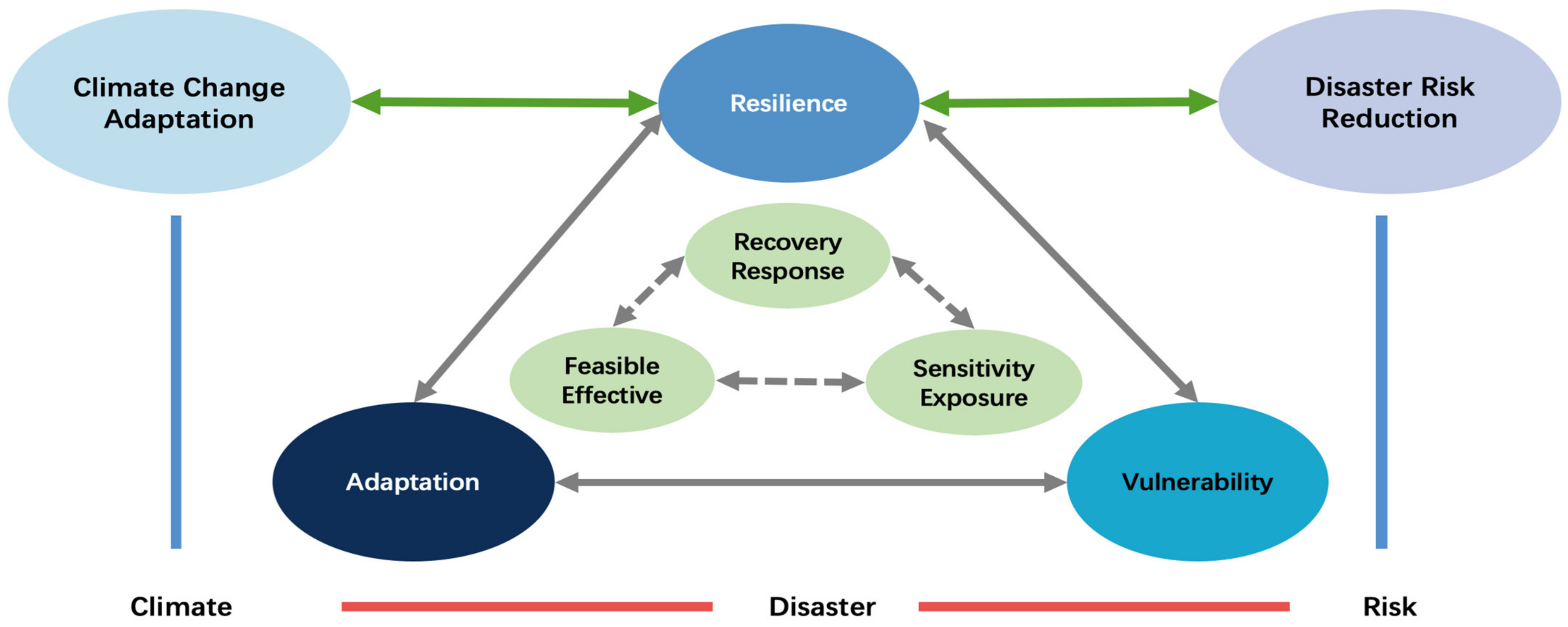
As we navigate 2026, environmental adaptation models have become critical for urban planning and global policy. Unlike mitigation models, which focus on reducing greenhouse gas emissions, adaptation models focus on managing the consequences of the climate changes that are already occurring or are inevitable.
Vulnerability and Risk Assessment
The primary goal of a climate adaptation model is to reduce "climate risk," which is defined as the intersection of hazard, exposure, and vulnerability. Modern models utilize high-resolution satellite data and AI-driven predictive analytics to simulate various "Adaptation Pathways."
- Incremental Adaptation: These models focus on small, manageable changes to maintain the essence and integrity of a system. An example is raising a sea wall by a few centimeters or changing crop planting dates.
- Transformational Adaptation: When incremental changes are no longer sufficient, these models guide a fundamental change in the system’s attributes. This might involve relocating a community away from a flood zone or transitioning an entire regional economy from agriculture to indoor hydroponics.
The Iterative Risk Management Cycle
Effective climate adaptation is not a one-time event but a continuous loop. The model follows a cycle of:
- Scope: Defining the objectives and the specific climate threats (e.g., extreme heat, drought, sea-level rise).
- Analyze: Quantifying the potential impacts on infrastructure, health, and the economy.
- Implement: Executing the selected adaptation strategies.
- Monitor and Adjust: Using real-time sensor data to see if the adaptation is working and adjusting the strategy as the climate continues to shift.
Domain Adaptation Models in Artificial Intelligence
In the technical sphere, particularly within machine learning, Domain Adaptation (DA) is a specific type of transfer learning. By 2026, as AI models are deployed in increasingly diverse environments, the ability for a model to adapt from a "source domain" (where it was trained) to a "target domain" (where it is used) is vital.
The Problem of "Domain Shift"
AI models often fail when the data they encounter in the real world differs from their training data. This is known as covariate shift or concept drift. For example, a self-driving car model trained on the sunny streets of California may struggle with the snowy conditions of a Norwegian winter.
Strategic Approaches to AI Adaptation
- Supervised Adaptation: The model is given a small amount of labeled data from the target domain to "fine-tune" its weights.
- Unsupervised Domain Adaptation (UDA): The model learns to find "domain-invariant features"—characteristics that remain the same across both the source and target domains. This is common in medical imaging, where an AI must adapt to different brands of MRI machines without needing thousands of new labeled images for each one.
- Adversarial Adaptation: Using a GAN (Generative Adversarial Network) structure, one part of the model tries to perform the task, while another part tries to guess which domain the data came from. The goal is to make the data distributions indistinguishable to the model, forcing it to learn universal features.
Comparing Key Adaptation Models
The following table compares the application, goals, and methodologies of the three primary types of adaptation models discussed.
| Feature | Roy Adaptation Model (Healthcare) | Climate Adaptation Model (Environmental) | Domain Adaptation (AI/Machine Learning) |
|---|---|---|---|
| Primary Subject | Individual Patients / Groups | Ecosystems / Infrastructure | Neural Networks / Algorithms |
| Core Goal | Promote integrity and health in 4 modes | Reduce vulnerability to climate hazards | Minimize error in a new data environment |
| Trigger for Change | Internal/External Stimuli | Climatic Hazards (Heat, Flood, etc.) | Domain Shift / Data Distribution Change |
| Typical Metric | Patient outcomes and homeostasis | Resilience and cost-benefit ratio | Accuracy, Precision, and F1 Score |
| Key Framework | 6-step Nursing Process | Iterative Risk Management | Fine-tuning and Feature Alignment |
| Primary User | Registered Nurses and Clinicians | Policy Makers and Urban Planners | Data Scientists and AI Engineers |
Criteria for Selecting and Implementing an Adaptation Model
Choosing the right adaptation model requires a clear understanding of the system's current state and the nature of the pressure it faces. To implement a model effectively in 2026, consider these three critical factors:
1. Granularity and Scale
Is the goal to adapt a single unit (a patient or a local server) or a macro-system (a nation's energy grid)? The Roy model is excellent for individual-level granularity, whereas climate models typically operate at a regional or global scale. AI models sit in the middle, often adapting local edge devices based on global cloud-trained parameters.
2. Data Availability and Quality
The effectiveness of any adaptation model is limited by the data fed into it. In healthcare, this means accurate patient history and biometric monitoring. In AI, it means high-quality target domain data. If data is scarce, "Unsupervised" or "Incremental" models are preferred over those that require deep historical baselines.
3. Feedback Loop Speed
How quickly must the system adapt? A climate model may have a feedback loop of years, allowing for careful deliberation. In contrast, an AI model in a high-frequency trading environment must adapt in milliseconds. The model selected must have a computational or procedural overhead that matches the required speed of response.
Common Pitfalls in Adaptation Strategies
Despite the sophistication of 2026-era models, several common errors can undermine their success:
- Maladaptation: This occurs when an adaptation action taken in one area inadvertently increases vulnerability in another. For example, building a massive sea wall might protect one city but cause increased erosion and flooding in a neighboring downstream community.
- Over-fitting (AI Context): In machine learning, a model might adapt too closely to the specific noise of a small target dataset, losing its ability to generalize to other similar environments.
- Static Implementation: Treating an adaptation model as a "set and forget" solution. Because the environment is constantly changing, the model must be treated as a living framework that requires regular re-assessment of stimuli and behaviors.
Frequently Asked Questions
What is the difference between an adaptation model and a mitigation model?
An adaptation model focuses on adjusting to the current and future impacts of a change to minimize harm or exploit opportunities. A mitigation model, conversely, focuses on addressing the root cause of the change to prevent it from happening in the first place (e.g., reducing carbon emissions to stop global warming versus building flood defenses to live with it).
How does the Roy Adaptation Model define "health"?
In the Roy model, health is not merely the absence of disease. It is defined as a state and a process of being and becoming integrated and whole. It reflects the successful adaptation of the human system to the stimuli it encounters.
Can adaptation models be applied to business organizations?
Yes. Organizational adaptation models, often found under the umbrella of "Strategic Agility," help companies modify their internal structures, product lines, and cultures in response to market disruptions, technological shifts, or economic volatility.
What are "focal stimuli" in the context of adaptation?
Focal stimuli are the primary, immediate factors that require a system to adapt. In healthcare, this could be an acute injury; in climate science, it could be a specific hurricane; in AI, it could be a change in the input image resolution.
Is domain adaptation the same as transfer learning?
Domain adaptation is a specific subset of transfer learning. While transfer learning can involve moving knowledge between different tasks (e.g., learning to ride a bicycle helping you learn to ride a motorcycle), domain adaptation specifically refers to performing the same task in a different data distribution.
Next Actions for Implementation
To successfully utilize an adaptation model, your first step should be a thorough Gap Analysis. Identify the "Current State" of your system and the "Desired State" required to survive the external pressure.
- Define the Stimuli: Categorize what is forcing the change. Is it a one-time shock or a chronic stressor?
- Select the Framework: Use the table provided above to determine which domain matches your needs.
- Establish Baselines: Measure your system’s current performance using the metrics specific to that model (e.g., homeostasis markers, resilience scores, or error rates).
- Prototype and Monitor: Start with incremental adaptations. Monitor the feedback loop closely for signs of maladaptation before scaling to transformational changes.