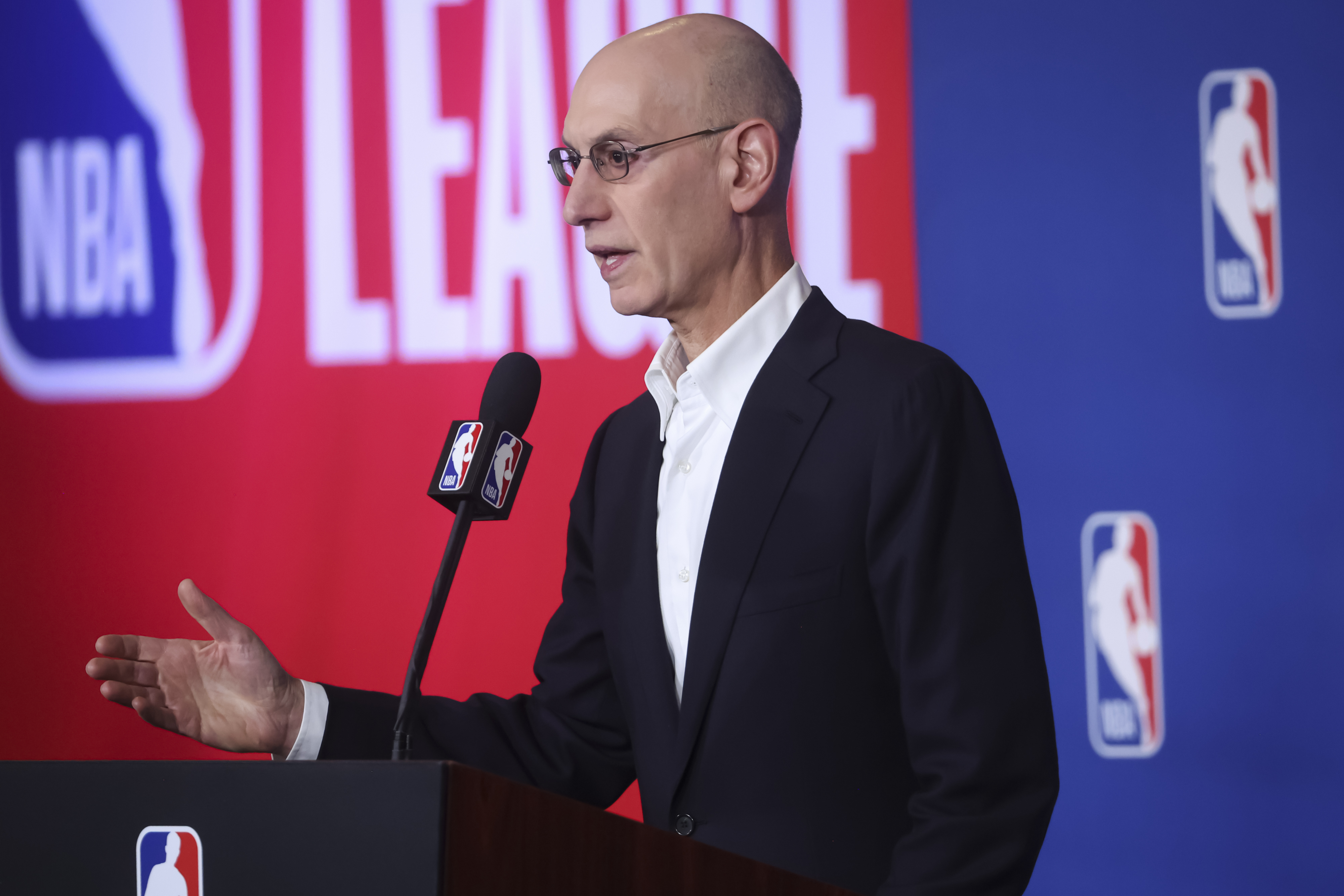
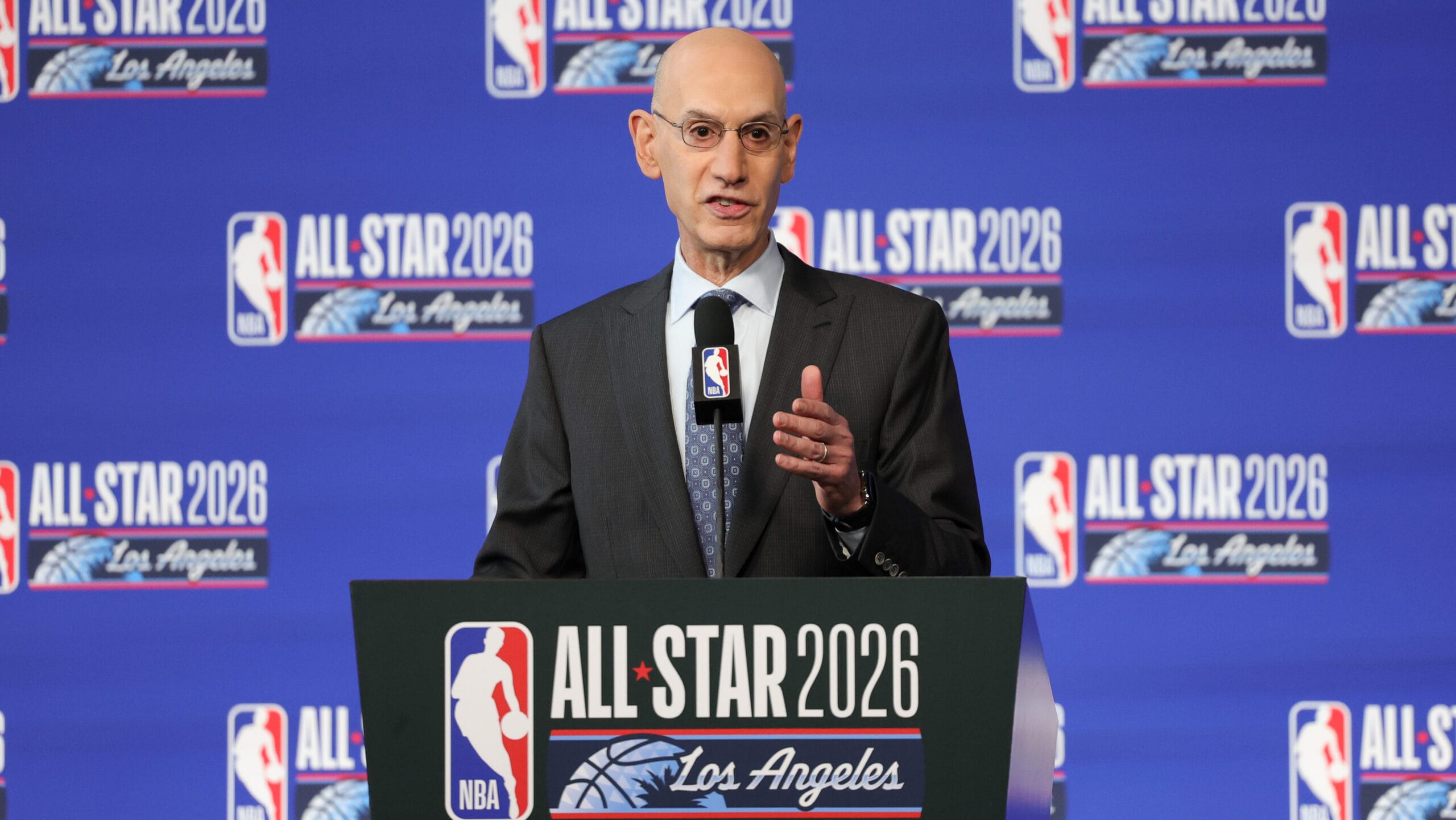
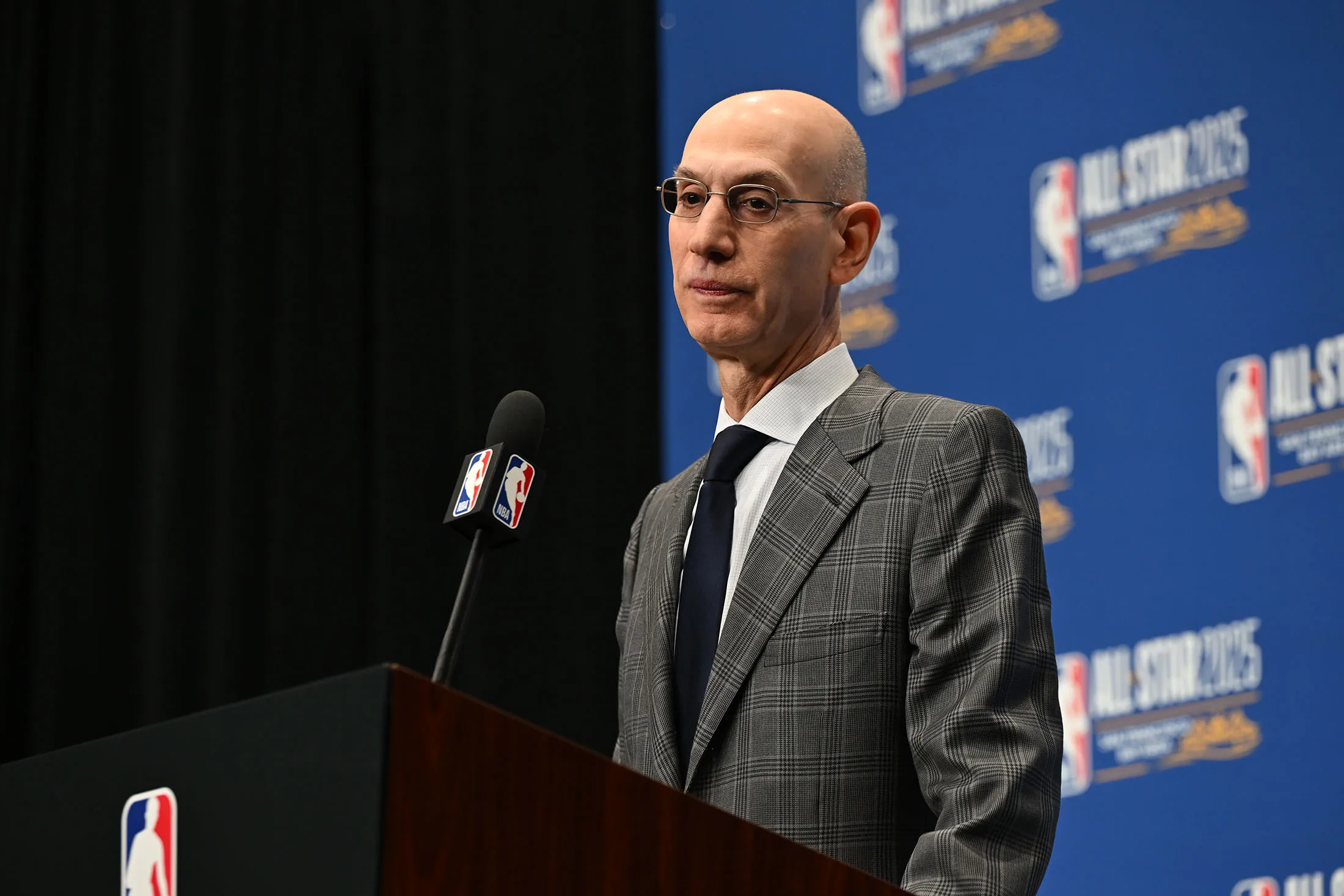
Since assuming the role of NBA Commissioner in February 2014, Adam Silver has redefined the modern sports executive. His legacy is defined by a shift toward player empowerment, an aggressive embrace of digital technology, and the massive financial expansion of the league, culminating in the landmark 2025 media rights agreement.
Adam Silver’s tenure as the fifth commissioner of the National Basketball Association (NBA) represents a departure from the traditional, often adversarial, relationship between league offices and players. While his predecessor, David Stern, was known for building the league through a "firm hand" approach, Silver’s impact is rooted in collaboration, progressive social stances, and a data-driven approach to globalizing the game. As of 2026, the NBA stands as a leader in the intersection of sports, social justice, and digital entertainment, largely due to the strategic pivots Silver implemented over his twelve-year leadership.
The Definitive Start: The Donald Sterling Crisis and Cultural Alignment
To understand Adam Silver's impact, one must look back at his first 90 days in office. In April 2014, the NBA was rocked by the release of racist recordings involving then-Los Angeles Clippers owner Donald Sterling. In a moment that could have fractured the league's relationship with its predominantly Black player base, Silver acted with unprecedented decisiveness.
Silver issued a lifetime ban to Sterling and a $2.5 million fine, the maximum allowed by the NBA constitution at the time, and successfully moved to force a sale of the team. This move did more than just solve a PR crisis; it established Silver as a commissioner who prioritized the league's moral and cultural standing over the absolute protection of team owners. This "player-first" alignment became the hallmark of his leadership style, fostering an environment where stars felt comfortable using their platforms for social advocacy.
This alignment reached its zenith during the 2020 "NBA Bubble" in Orlando, Florida. Faced with the twin challenges of a global pandemic and a national reckoning over racial injustice, Silver worked alongside the National Basketball Players Association (NBPA) to ensure that the season could be completed safely while providing players a platform to promote social messages. By allowing "Black Lives Matter" to be printed on the courts and social justice slogans on jerseys, Silver cemented a partnership model that has largely kept the league free of the labor strife seen in other professional sports.
Economic Expansion and the Revolution of Media Rights
Silver’s most quantifiable legacy is the explosion of the NBA's valuation. Under his watch, the average team valuation has skyrocketed from approximately $634 million in 2014 to nearly $4 billion in 2026. This wealth creation was fueled by two major media rights cycles.
The 2014 media deal, worth $24 billion over nine years, tripled the previous annual revenue. However, it was the 2025 media rights agreement—negotiated during 2024 and implemented for the 2025-26 season—that fundamentally changed the landscape. Valued at approximately $76 billion over 11 years, this deal shifted the NBA's distribution model. By partnering with Disney (ESPN), NBCUniversal, and Amazon Prime Video, Silver transitioned the league from a traditional cable-heavy product to a hybrid streaming powerhouse.
This shift addressed a critical demographic challenge: the NBA’s audience is significantly younger than that of the NFL or MLB. By placing a significant portion of live games on streaming platforms like Amazon and Peacock, Silver ensured the league remained accessible to "cord-cutters" and digital-native fans. This economic foresight has provided the league with financial stability through the mid-2030s, allowing for massive increases in the salary cap and player earnings.
Technological Innovation and the "League as a Platform"
Adam Silver has frequently stated that he views the NBA not just as a sports league, but as a technology and media company. This philosophy has led to several pioneering initiatives that changed how fans consume the game:
- NBA Top Shot and Digital Assets: Silver was an early adopter of blockchain technology, partnering with Dapper Labs to create NBA Top Shot. While the NFT market saw volatility, the move positioned the NBA at the forefront of digital collectibles and fan engagement.
- Legalized Sports Betting: In 2014, Silver penned an op-ed in The New York Times advocating for the federal legalization and regulation of sports betting. This was a radical stance for a major commissioner at the time. By 2026, sports betting integrations have become a primary revenue stream and a core part of the fan experience.
- The NBA App and Personalization: Under Silver, the league overhauled its digital infrastructure to offer hyper-personalized experiences. Fans can now toggle between different broadcast styles, languages, and "bet-casts," making the viewing experience interactive rather than passive.
Globalizing the Game: Beyond Exhibitionism
While David Stern brought the NBA to the world, Adam Silver has worked to build "basketball ecosystems" outside of North America. His impact is most visible in the establishment of the Basketball Africa League (BAL), a partnership between the NBA and FIBA. This was the first time the NBA operated a league outside of North America, reflecting a shift from merely playing exhibition games to investing in international infrastructure.
Silver’s legacy also includes the expansion of the "NBA Global Games" and a concentrated effort to tap into the Indian and African markets. As of 2026, the league’s rosters are more international than ever, with many of the league’s top MVPs hailing from outside the United States. This internationalization has protected the NBA against domestic market saturation, ensuring that the brand continues to grow in emerging economies.
Structural Changes to the Product: Play-In and In-Season Tournaments
Silver has never been afraid to tinker with the NBA's structural format to maintain competitiveness and fan interest. Two of his most significant "legacy" projects are the Play-In Tournament and the Emirates NBA Cup (In-Season Tournament).
The Play-In Tournament, introduced during the pandemic and later made permanent, effectively eliminated "tanking" for several teams and kept the mid-section of the standings competitive through the end of the regular season. The In-Season Tournament, launched in 2023, was designed to solve the "dog days" of the November/December schedule. By 2026, the tournament has become a staple of the basketball calendar, providing a high-stakes playoff atmosphere early in the year and generating significant additional revenue from sponsors and broadcasters.
Comparison: The Leadership of David Stern vs. Adam Silver
| Feature | David Stern (1984–2014) | Adam Silver (2014–Present) |
|---|---|---|
| Primary Philosophy | League-first; Authority-driven | Partnership-model; Player-centric |
| Media Focus | Cable and Broadcast TV | Streaming and Digital Multi-platform |
| Player Relations | Often contentious; multiple lockouts | Collaborative; focus on social activism |
| Global Strategy | Exporting the "Dream Team" brand | Building local infrastructure (e.g., BAL) |
| Revenue Growth | Transformed a niche league to a major one | Transformed a major league into a global giant |
| Stance on Betting | Strictly opposed | Leading advocate for regulation |
Challenges and Unresolved Issues in 2026
Despite his successes, Silver’s legacy is not without its complexities. The "Player Empowerment" era has occasionally led to criticism regarding star players forcing trades and the "load management" issue, where stars sit out games to rest. While Silver has implemented rules to curb these practices—such as the 65-game minimum for major awards—the balance between player health and the league’s "entertainment promise" to fans remains a delicate one.
Furthermore, the league's relationship with China has presented ongoing diplomatic challenges. Following a 2019 tweet by a high-ranking executive regarding Hong Kong, the NBA faced a significant blackout in its largest international market. Silver’s navigation of these geopolitical waters, balancing free speech with commercial interests, remains a point of debate among human rights advocates and business analysts.
Assessing the 2025-2026 Expansion Horizon
As we move through 2026, the final piece of Adam Silver’s legacy appears to be on the horizon: League Expansion. With the new media deal secured, Silver has signaled that the league is finally ready to add new franchises. The frontrunners, Seattle and Las Vegas, represent a full-circle moment for the commissioner. Bringing the NBA back to Seattle (following the SuperSonics' departure in 2008) and establishing a permanent footprint in the sports-rich Las Vegas market would solidify his status as a builder.
Silver’s ability to maintain labor peace during this expansion and the subsequent redistribution of wealth among thirty-two teams will likely be his final major act as commissioner.
Frequently Asked Questions
How did Adam Silver change the NBA's approach to social justice?
Adam Silver transitioned the league from a neutral stance to an active platform for social change. He encouraged players to use their voices, supported the "Bubble" messaging in 2020, and established the NBA Social Justice Coalition. His approach emphasized that the league's brand is inseparable from the values and identities of its players.
What is the "Silver Rule" regarding player awards?
To combat "load management," Silver introduced a policy in the 2023 Collective Bargaining Agreement (CBA) requiring players to appear in at least 65 games to be eligible for major honors like MVP or All-NBA teams. This move was designed to protect the value of the league's media rights and ensure that fans who pay for tickets see the star players they expect.
How has the NBA's value changed under Adam Silver?
When Silver took over in 2014, the average NBA team was worth roughly $634 million. By 2026, due to massive media rights deals and global expansion, that average value has risen to nearly $4 billion. This represents a more than 500% increase in franchise valuations during his tenure.
What was Silver's role in the legalization of sports betting?
Silver was the first major sports commissioner to publicly support legalized sports betting. In a 2014 op-ed, he argued that bringing betting "out of the shadows" and into a regulated environment would protect the integrity of the game and provide new revenue streams, a prediction that has proven accurate.
Why did Silver introduce the In-Season Tournament?
The In-Season Tournament was created to address the perceived lack of stakes in the middle of the 82-game regular season. By creating a separate trophy (the NBA Cup) and offering financial incentives for players, Silver successfully increased television ratings and fan engagement during the months of November and December.
Future Outlook and Professional Recommendation
For stakeholders in the sports industry, Adam Silver’s career offers a blueprint for "Adaptive Leadership." His legacy is not just about the numbers, but about the transition of a sports league into a multi-faceted digital media property that thrives on cultural relevance.
Key Next Steps for Analysts and Enthusiasts:
- Monitor the 2026 Expansion Process: Watch how Silver balances the entry of Seattle and Las Vegas with the interests of existing owners.
- Evaluate Streaming Metrics: As the 2025 media deal fully integrates, the success of the NBA on Amazon and Peacock will determine the next decade of sports broadcasting.
- Track Global Talent Pipelines: With the BAL and international academies maturing, the next generation of stars will likely come from markets Silver specifically targeted for growth.