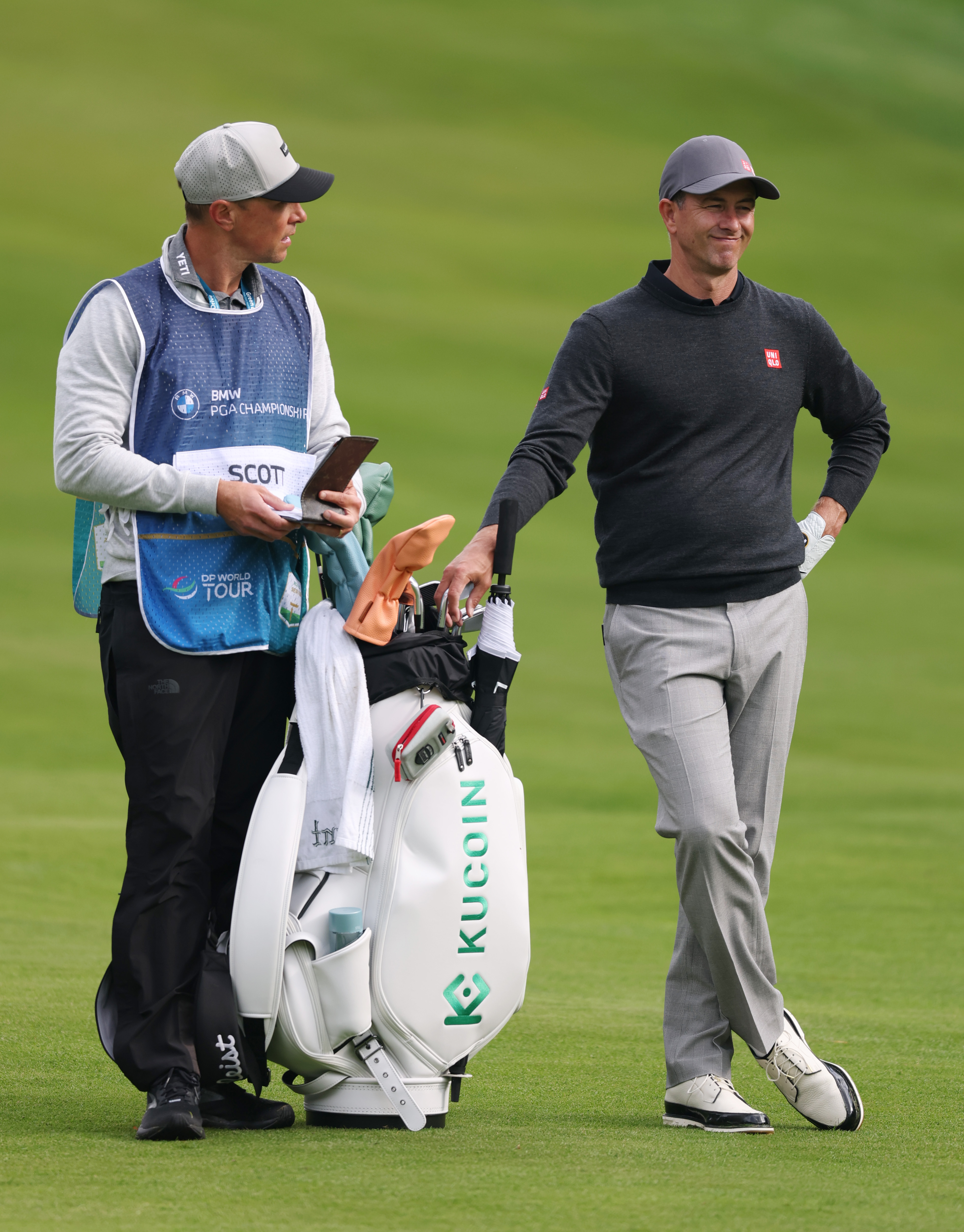
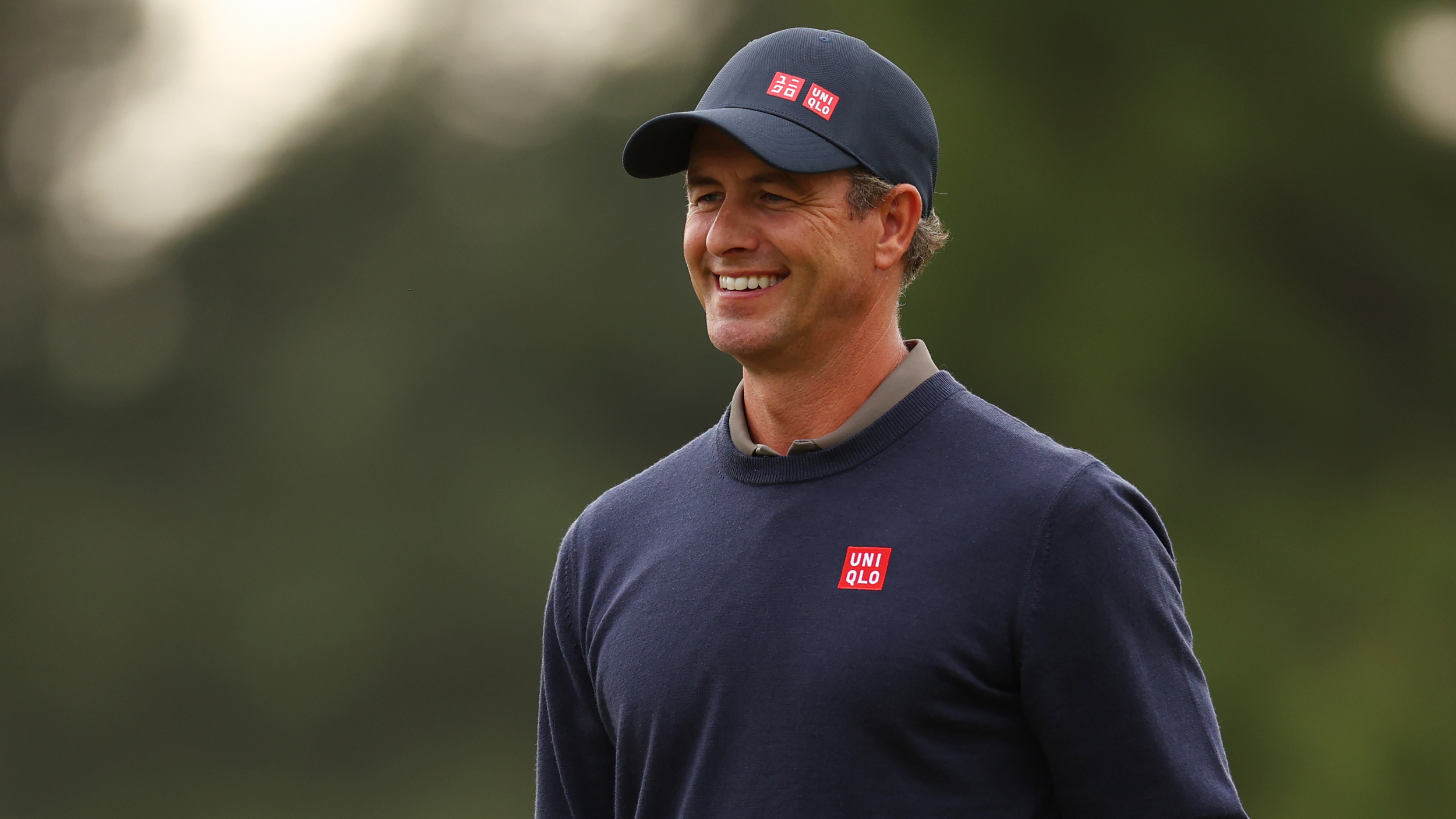
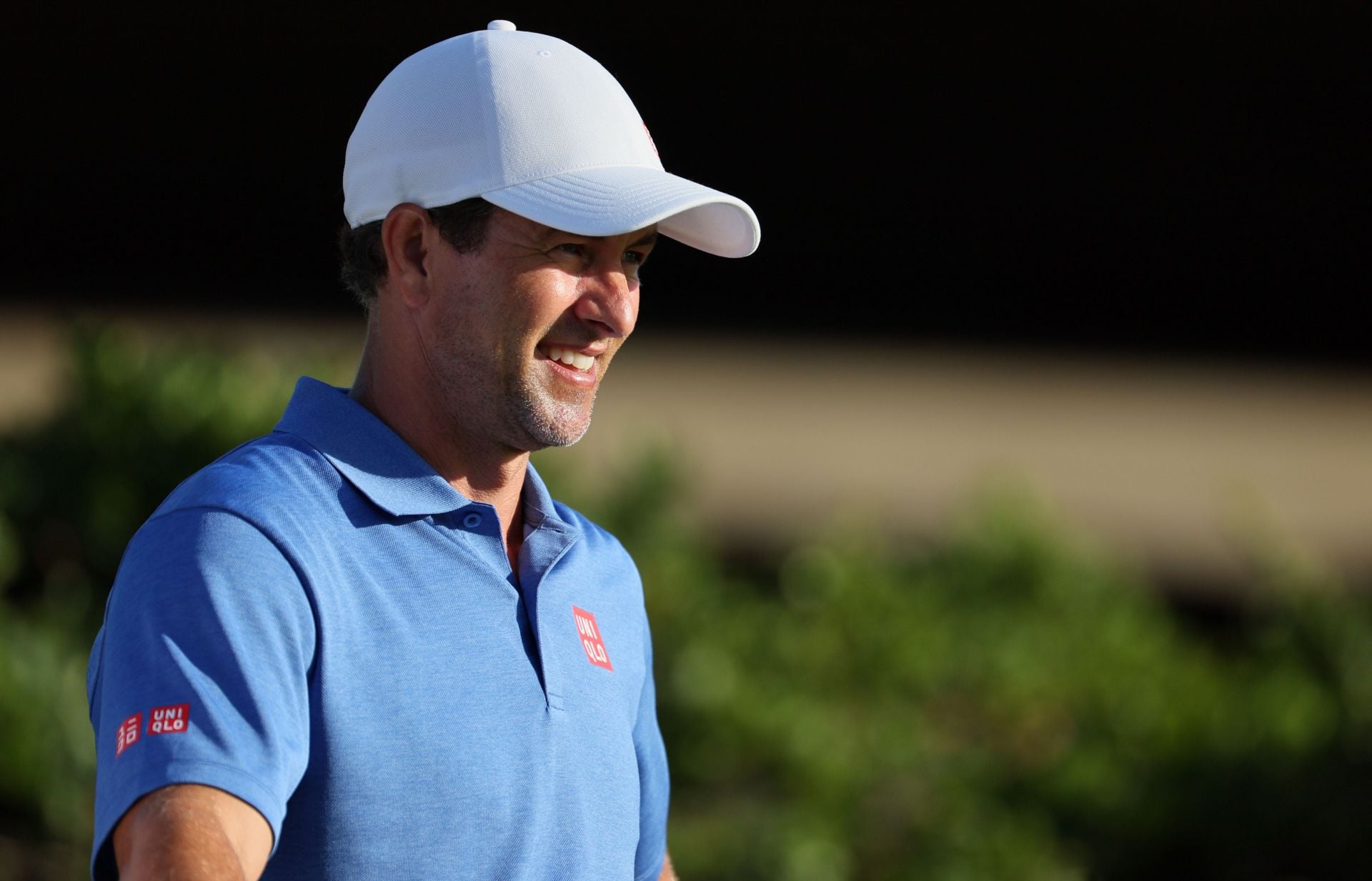
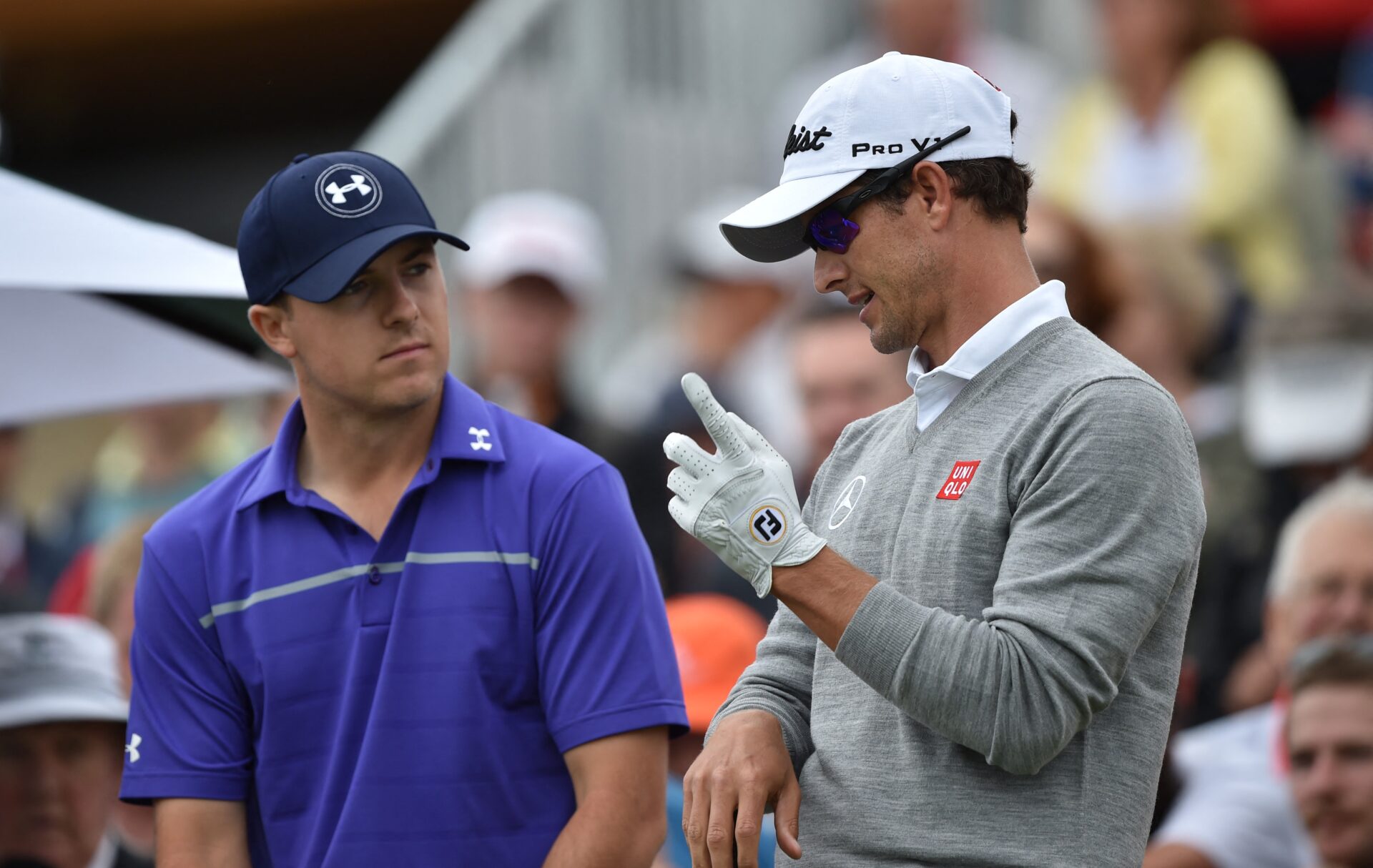
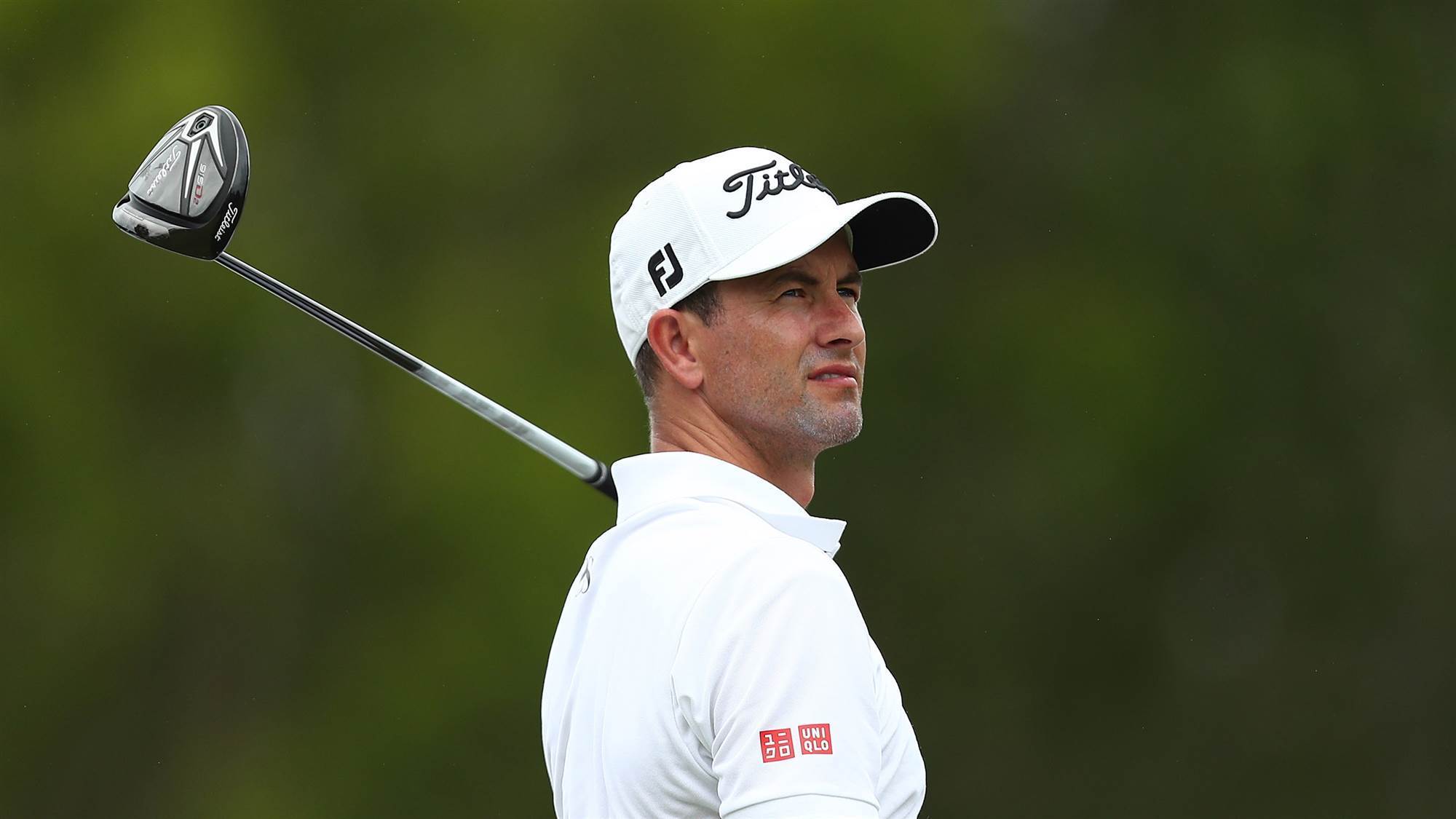
As of 2026, Australian professional golfer Adam Scott is 45 years old, and he will celebrate his 46th birthday on July 16, 2026. Born in 1980, Scott has transitioned from a young phenom with a "Tiger-esque" swing into one of the most respected veteran leaders on the PGA Tour, maintaining a high level of physical fitness and competitive relevance well into his mid-40s.
The Biological Timeline of an Australian Icon
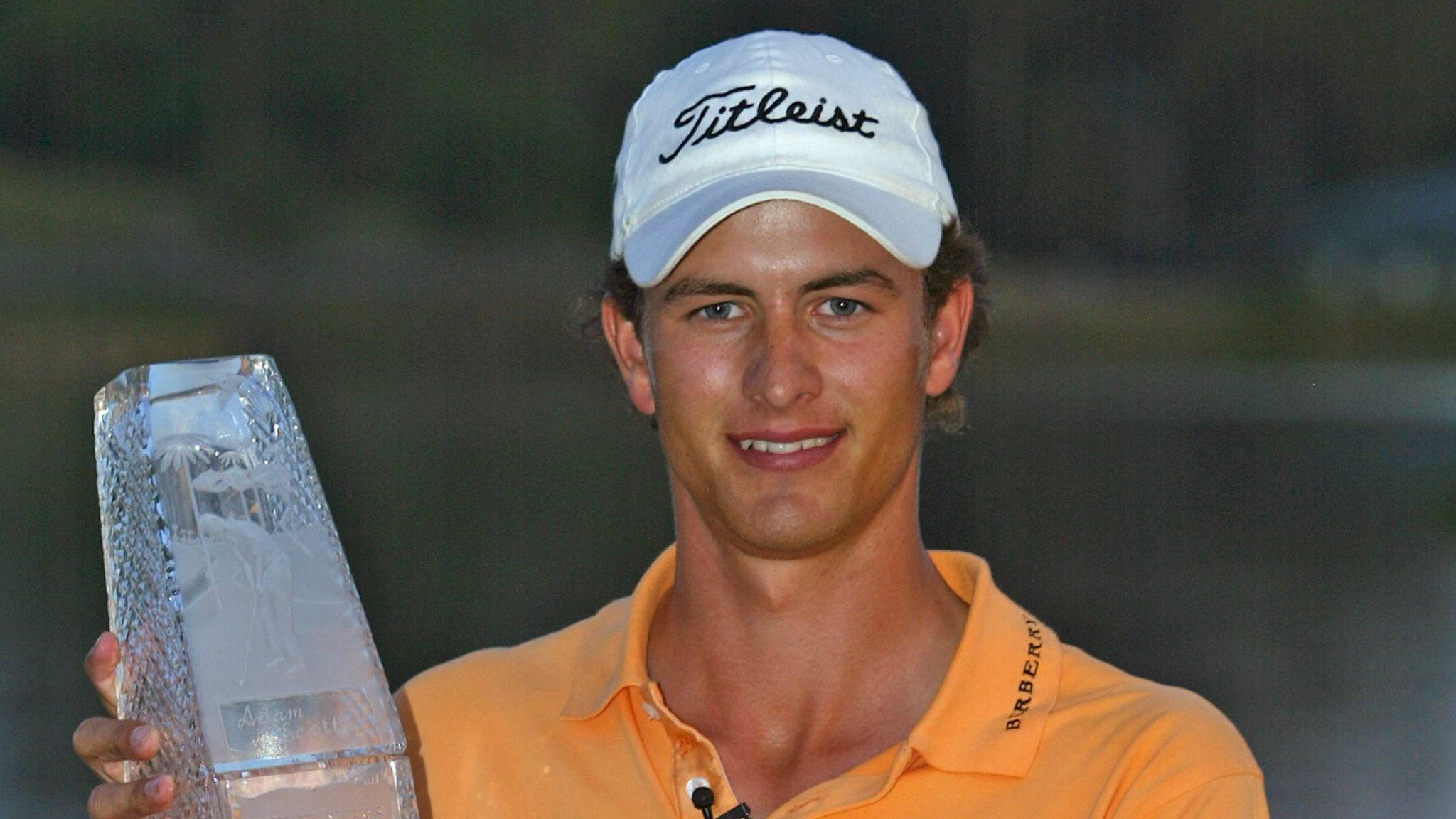
Adam Derek Scott was born on July 16, 1980, in Adelaide, South Australia. To understand his current standing in 2026, one must look at the trajectory of a career that has spanned more than a quarter-century. When Scott turned professional in 2000, he was a 20-year-old standout from the University of Nevada, Las Vegas (UNLV). His arrival coincided with the peak of the Tiger Woods era, and because of his remarkably similar swing aesthetics, he was immediately thrust into the global spotlight.
In 2026, Scott represents a bridge between the traditional era of golf and the modern, data-driven power game. While many of his contemporaries from the early 2000s have moved toward the PGA Tour Champions (the senior circuit for those 50 and older) or transitioned into broadcasting, Scott remains a fixture in the world's top rankings. His age is more than just a number; it is a testament to a disciplined lifestyle and a swing motion that is widely considered one of the most efficient and least physically taxing in the history of the sport.
The 45-to-46-year-old version of Adam Scott is characterized by a strategic approach to the game. While he may no longer be the absolute longest hitter on tour compared to 22-year-old rookies, his driving distance remains remarkably competitive, often hovering around the 300-to-305-yard mark, which is a significant feat for an athlete in his fourth decade of life.
Longevity and Physical Maintenance in Professional Golf
One of the primary reasons fans frequently search for Adam Scott's age is his ageless appearance and continued performance. In 2026, the physical demands of professional golf are higher than ever, yet Scott has avoided the chronic back and knee injuries that have plagued many of his peers.
His longevity can be attributed to several factors:
- Swing Mechanics: Under the long-time guidance of various coaches and his own meticulous study, Scott’s swing has remained "on plane" and balanced. By avoiding excessive torque or violent "snapping" of the lead knee, he has preserved his joints.
- Fitness Regimen: Scott was an early adopter of golf-specific functional training. In 2026, he continues to focus on core stability, flexibility, and explosive power movements that counteract the natural slowing of the metabolism and muscle fiber twitch associated with aging.
- Schedule Management: As he has aged, Scott has become more selective about his tournament entries. By prioritizing major championships and high-tier PGA Tour events, he ensures he is mentally and physically fresh, rather than grinding through a 30-event calendar.
His presence on the tour in 2026 provides a blueprint for younger players on how to manage a career for the long haul. He remains a regular contender in the Masters and the Open Championship, proving that experience often trumps raw power on historically significant courses.
Major Milestones and Career Evolution
To appreciate Scott's current age is to appreciate the eras he has conquered. His career is often divided into three distinct phases: the "Young Gun" era (2000–2009), the "Championship Peak" (2010–2016), and the "Senior Statesman" era (2017–present).
The pinnacle of his career remains his historic victory at the 2013 Masters Tournament. At age 32, Scott became the first Australian to ever wear the Green Jacket, defeating Angel Cabrera in a dramatic playoff. This victory cemented his legacy and relieved the pressure of being "the best player never to have won a major," a title he had carried for several years.
Following his Masters win, Scott reached the World Number 1 ranking in May 2014, holding the position for 11 weeks. In 2026, as he approaches 46, he remains one of the few players from that era who has successfully adapted to the massive changes in equipment and ball technology without losing his identity as a precision ball-striker.
Comparative Career Statistics: Adam Scott Through the Decades
The following table illustrates how Scott’s game has evolved as he aged from a young professional into the veteran he is in 2026. These figures represent general trends in his performance metrics over his career.
| Career Phase | Age Range | Average Driving Distance | Notable Achievement | Primary Putting Style |
|---|---|---|---|---|
| Early Career | 20–29 | 290–295 Yards | 2004 Players Championship | Conventional Putter |
| Prime Years | 30–39 | 300–305 Yards | 2013 Masters Champion | Long Putter (Anchored) |
| Veteran Era | 40–45 | 302–308 Yards | Continued Top 50 Status | Long Putter (Unanchored) |
| Current (2026) | 45–46 | 300+ Yards | PGA Tour Leadership | Broomstick/Long Putter |
It is noteworthy that Scott’s driving distance has actually increased or stayed stable as he entered his 40s. This is largely due to improvements in clubhead technology and a continued commitment to physical conditioning, debunking the myth that golfers must lose significant distance after age 40.
The Technical Transition: Putting and Equipment
A major talking point throughout Adam Scott's 45 years has been his putting. In his 20s, Scott was a traditional putter, but he famously struggled with consistency on short birds. This led him to adopt the "broomstick" or long putter in 2011, which coincided with the most successful stretch of his career.
When the USGA and R&A implemented the "anchoring ban" in 2016, many critics predicted Scott’s career would decline. However, as he moved into his 40s, he successfully transitioned to using the long putter without anchoring it to his chest. By 2026, he has become a master of this technique, proving that his longevity was not dependent on a specific set of rules, but rather his ability to adapt his hardware to his physical needs.
His equipment setup in 2026 remains a blend of modern high-MOI (Moment of Inertia) drivers and classic, blade-style irons. This combination allows him to take advantage of modern distance while maintaining the "feel" and "shot-shaping" ability that has been the hallmark of his game since the turn of the millennium.
Adam Scott’s Role as a Leader on the PGA Tour
At age 45, Adam Scott is no longer just a competitor; he is a pivotal figure in the governance and direction of professional golf. In recent years leading up to 2026, Scott has taken on significant roles within the PGA Tour Player Advisory Council (PAC).
His perspective is uniquely valued because he has played through multiple "civil wars" and structural changes in the professional game. He serves as a stabilizing force, often advocating for the global nature of the sport and the preservation of its traditions while acknowledging the need for modernization. For younger players, Scott is a mentor figure, known for his professionalism, etiquette, and "gentlemanly" approach to a high-stakes environment.
The Future: Will Adam Scott Join the Champions Tour?
As Scott approaches 46, the golf world is naturally looking toward his 50th birthday in 2030, when he will become eligible for the PGA Tour Champions. However, based on his performance in 2026, there is little indication that he is ready to stop competing against the world's best on the primary PGA Tour.
Most observers believe Scott will follow the path of players like Phil Mickelson or Vijay Singh, who continued to compete—and win—on the PGA Tour well into their late 40s and early 50s. Given his health and the efficiency of his swing, Scott could potentially remain a top-100 player in the world for the next five to seven years.
Frequently Asked Questions
How many PGA Tour wins does Adam Scott have?
As of 2026, Adam Scott has 14 PGA Tour victories. His most significant win remains the 2013 Masters, but he also holds prestigious titles such as The Players Championship (2004) and the Tour Championship (2006). He has also recorded 11 victories on the European Tour (now the DP World Tour).
When was Adam Scott born?
Adam Scott was born on July 16, 1980. This makes him part of a famous generation of golfers that includes stars like Sergio Garcia and Justin Rose, who all turned professional around the same time and helped define golf in the post-Tiger Woods era.
Has Adam Scott ever won a Major other than the Masters?
While the 2013 Masters is his only Major Championship victory to date, Scott has had numerous close calls. He famously finished as the runner-up at the 2012 Open Championship at Royal Lytham & St Annes and has recorded over 20 top-10 finishes in Major Championships throughout his career.
What is Adam Scott’s current world ranking?
While rankings fluctuate weekly, Adam Scott has remarkably maintained a position within the top 50 to top 75 in the Official World Golf Ranking (OWGR) as he entered 2026. This level of consistency is rare for a player in his mid-40s.
Is Adam Scott still using the long putter in 2026?
Yes, Adam Scott continues to use the "broomstick" style long putter in 2026. He uses an unanchored stroke, which complies with the R&A and USGA rules established in 2016. This method has allowed him to maintain a high level of putting proficiency despite the natural "nerves" that can affect older players.
Monitoring the Veteran's Journey
For fans and analysts following the PGA Tour in 2026, watching Adam Scott is a lesson in professional endurance. To stay updated on his progress, it is recommended to follow the official PGA Tour leaderboard during the "West Coast Swing" and the Major Championship season, where his experience is most evident.
As he nears the age of 46, the focus is not on when he will retire, but on how many more "young man's" trophies he can collect before eventually transitioning to the senior ranks. His career remains a gold standard for how to handle the physical and mental transitions of aging in professional athletics.