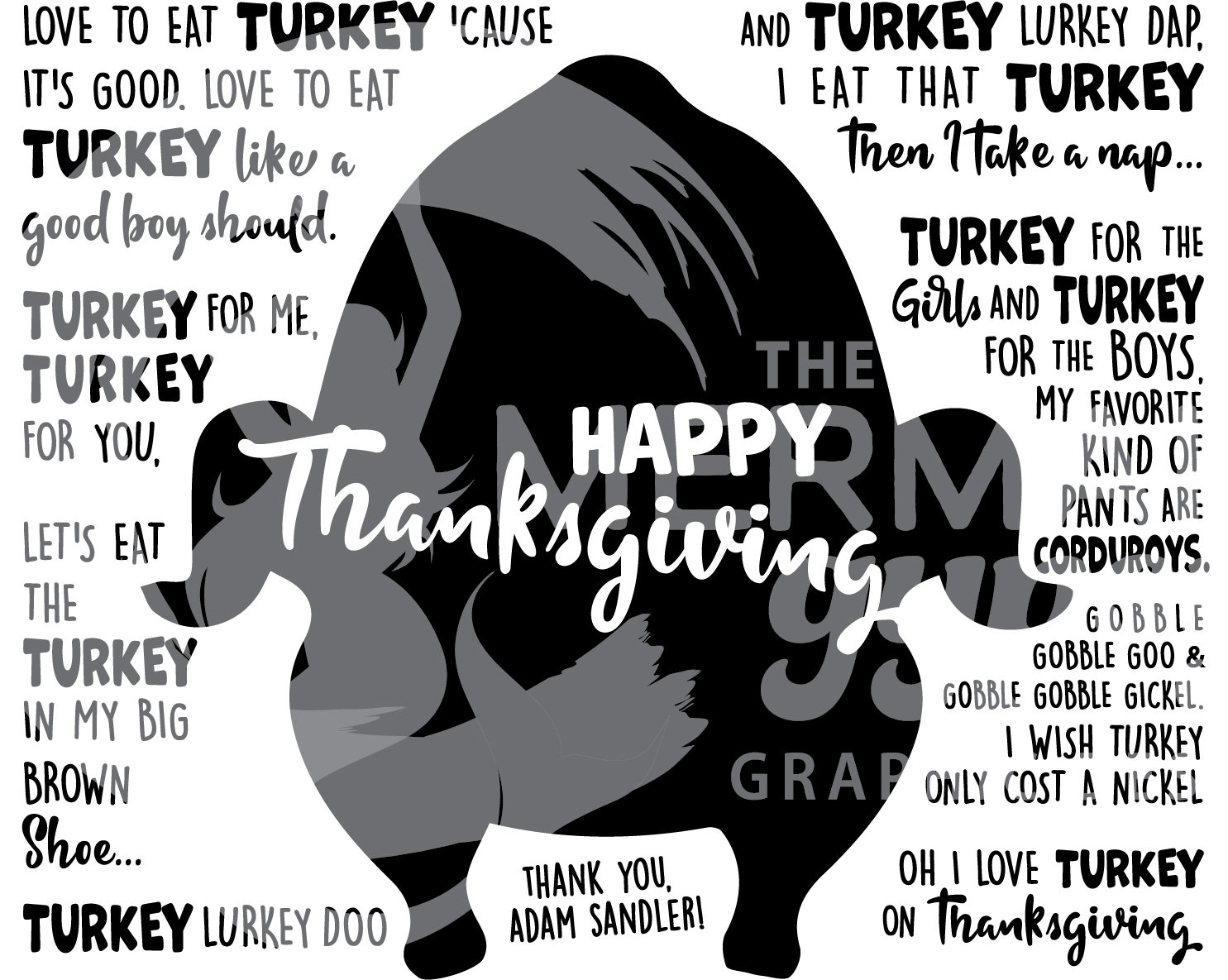
Adam Sandler’s holiday music legacy is anchored by "The Thanksgiving Song" (1992) and "The Chanukah Song" (1994), both of which debuted during his tenure on Saturday Night Live. These tracks, along with four subsequent iterations of the Hanukkah anthem, have become cultural staples for their unique blend of observational humor, celebrity name-dropping, and nostalgic acoustic simplicity.
As we move through 2026, these songs remain as relevant as ever, frequently resurfacing on streaming playlists and social media every November and December. While Sandler has pivoted significantly toward dramatic roles and high-budget Netflix productions in recent years, his musical comedy roots continue to define the festive season for a generation of fans.
The Genesis of "The Thanksgiving Song" (1992)
"The Thanksgiving Song" first aired on Saturday Night Live during the Weekend Update segment hosted by Kevin Nealon on November 21, 1992. At the time, Sandler was a young breakout star known for his "Opera Man" persona and high-energy characters. The song was a departure—a seemingly earnest, solo acoustic performance that quickly spiraled into the absurdist humor that would become Sandler's trademark.
The song’s structure is deceptively simple, relying on a basic folk-pop chord progression. However, the lyrics are a masterclass in non-sequitur comedy. Sandler famously rhymes "turkey" with "jerky," "Muriel Sparky," and "think I’m quirky." He also incorporates pop culture figures of the early 1990s, mentioning Darryl Strawberry, Mike Tyson, and Betty White.
What makes "The Thanksgiving Song" a "festive favorite" even decades later is its ability to capture the specific, slightly chaotic energy of the American holiday. It touches on overeating, family dynamics, and the specific food items—like cranberry sauce and pumpkin pie—that define the meal. In the 2020s, the song has seen a resurgence on platforms like TikTok, where users sync the "turkey" refrains to their own holiday cooking videos.
"The Chanukah Song" and Its Multi-Generational Evolution
Perhaps no song in the history of musical comedy has had the staying power of "The Chanukah Song." Originally performed on Weekend Update on December 3, 1994, the song was written by Sandler, Lewis Morton, and Ian Maxtone-Graham. The intent was simple but impactful: to provide a fun, celebratory anthem for Jewish children who felt left out during the Christmas-dominated media cycle.
The brilliance of the song lies in its list format, identifying famous individuals who are Jewish (or "half-Jewish"). The original version included names like Kirk Douglas, James Caan, and Dinah Shore. Its success was immediate, leading to a radio edit that peaked on the Billboard charts—a rare feat for a comedy track.
The Four Official Versions
Since 1994, Sandler has updated the song three times to include new generations of celebrities and cultural references.
- Part 1 (1994): The SNL original. Featured on the album What the Hell Happened to Me? (1996).
- Part 2 (1999): Recorded during a live performance at Brandeis University. This version updated the celebrity list to include Winona Ryder and the creators of South Park.
- Part 3 (2002): Featured in the animated film Eight Crazy Nights. This version included a more theatrical arrangement and mentioned figures like the "Osbournes" and Gwyneth Paltrow.
- Part 4 (2015): Debuted at the Judd Apatow & Friends event at Carnegie Hall. This version brought the song into the modern era, mentioning Drake, Scarlett Johansson, and Adam Levine.
Each version serves as a time capsule of the year it was released, reflecting the shifting landscape of Hollywood and pop culture. In 2026, fans still debate which version holds the best "list," though the 1994 original remains the definitive recording for most.
Exploring Other Festive Favorites in the Sandler Discography
While the Thanksgiving and Hanukkah songs receive the most airplay, Sandler’s discography contains several other tracks that fit the "festive" or seasonal mold. These songs often appear on his multi-platinum comedy albums, such as They're All Gonna Laugh at You! and Stan the Man.
"The Lonesome Kicker"
Though not explicitly a holiday song, "The Lonesome Kicker" has become a seasonal favorite for the autumn months, specifically during the American football season. Released on the 1996 album What the Hell Happened to Me?, the song tells the melancholy story of a professional kicker who sits alone on the bench, waiting for his moment of glory or failure. Its moody, late-fall atmosphere resonates with the Thanksgiving sports tradition.
"Dipsey Doodle"
Featured on the Stan the Man album, this track leans into the "Sandler-esque" absurdity that fans of his holiday music enjoy. It captures a specific kind of backyard, family-gathering energy that often accompanies holiday breaks.
"Grow Old With You" (The Wedding Singer)
While technically a love song from the 1998 film The Wedding Singer, "Grow Old With You" is frequently included in festive playlists due to its cozy, domestic themes. Its short length and acoustic arrangement mirror the style of his holiday hits, making it a natural companion piece during the winter months.
Comparison of "The Chanukah Song" Iterations
The following table outlines the key differences and milestones of the four primary versions of "The Chanukah Song" to help listeners identify which version they are hearing.
| Version | Release Year | Primary Platform | Notable Celebrity Mentions | Key Characteristic |
|---|---|---|---|---|
| Part 1 | 1994 | SNL / What the Hell Happened to Me? | Kirk Douglas, James Caan, Paul Newman | The "Gold Standard" original. |
| Part 2 | 1999 | Live Performance / Radio Single | Winona Ryder, Courtney Love, Harvey Keitel | Recorded live; higher energy. |
| Part 3 | 2002 | Eight Crazy Nights Soundtrack | Gwyneth Paltrow, Paula Abdul, The Osbournes | Features a children's choir and film audio. |
| Part 4 | 2015 | Live Performance / YouTube | Drake, Scarlett Johansson, Seth Rogen | Modern references; mentions Google and Shia LaBeouf. |
The Cultural Impact of Sandler’s Holiday Music
In the context of 2026, Sandler’s holiday music represents more than just comedy; it represents a specific era of "Must-See TV" and the rise of the comedy album as a major commercial force. During the 1990s, Sandler was one of the few artists who could move millions of units of spoken-word and musical comedy.
For many Jewish families, "The Chanukah Song" remains a point of pride and a humorous bridge between secular pop culture and religious identity. It effectively used humor to normalize and celebrate Hanukkah in a way that had not been done in mainstream media previously.
Similarly, "The Thanksgiving Song" remains one of the few widely recognized musical tributes to the November holiday. While Christmas has thousands of carols and modern pop hits, Thanksgiving is notoriously underserved in the music department. Sandler’s contribution filled a vacuum, providing a go-to track for holiday radio stations and personal playlists alike.
Technical Analysis of the "Sandler Sound"
To understand why these songs are "festive favorites," one must look at the technical simplicity of the compositions. Sandler’s musical director during the peak SNL years, Marc Shaiman, and collaborators like Teddy Castellucci, focused on a "busker" aesthetic.
- Instrumentation: Most of these tracks rely on a single acoustic guitar (often a nylon-string or a bright steel-string dreadnought) and a simple, rhythmic strumming pattern.
- Vocal Style: Sandler employs a range of vocal textures, from his "mush-mouthed" character voices to a surprisingly capable, earnest baritone. This "everyman" quality makes the songs feel accessible, like something a relative might play at a holiday party.
- Lyric Structure: The use of AABB or ABAB rhyme schemes ensures that the jokes are easy to follow and the punchlines land with rhythmic precision.
Frequently Asked Questions
Where can I watch the original SNL performances of these songs?
The official Saturday Night Live YouTube channel hosts the high-definition remastered versions of both "The Thanksgiving Song" and the original "Chanukah Song." Additionally, many are available on the Peacock streaming service within the full episodes of the 18th and 20th seasons.
Are there any other versions of the Hanukkah song beyond Part 4?
As of early 2026, there have been no official "Part 5" studio releases. However, Sandler often performs impromptu updates during his live stand-up tours, occasionally swapping out names to keep the references current for the audience.
Did Adam Sandler write "The Thanksgiving Song" alone?
While Sandler is the primary performer and conceptualist, he frequently collaborated with the Saturday Night Live writing staff. "The Thanksgiving Song" is credited to Sandler, Robert Smigel, and Ian Maxtone-Graham.
Why does Sandler mention so many non-Jewish people in the Hanukkah song?
The song’s humor often stems from "claiming" celebrities or clarifying their heritage (e.g., "half-Jewish," "not Jewish but my mother says he is"). It plays on the trope of families searching for common ground with famous figures during the holidays.
Is "Eight Crazy Nights" considered a holiday movie?
Yes, the 2002 animated film is centered entirely around the Hanukkah season and features "The Chanukah Song Part 3" as a centerpiece of its soundtrack. It has become a seasonal cult classic for adult audiences due to its PG-13 humor.
How to Curate the Ultimate Sandler Festive Playlist
If you are looking to integrate Adam Sandler’s comedy into your 2026 holiday gatherings, the best approach is to mix his high-energy "shouting" songs with his more melodic acoustic tracks.
- Start with the Atmosphere: Begin with "The Lonesome Kicker" to set a late-autumn, nostalgic mood.
- The Thanksgiving Peak: Play "The Thanksgiving Song" during the meal prep or immediately after dinner to lighten the mood after a heavy meal.
- The Transition: Use "Grow Old With You" as a palette cleanser before moving into the more high-energy comedy tracks.
- The Chanukah Celebration: Depending on your audience's age, choose either the 1994 original for nostalgia or Part 4 for more modern celebrity references.
- The Deep Cuts: Add "Lunchlady Land" (though not a holiday song, it shares the same SNL musical DNA) for a high-energy finish that usually prompts a sing-along.
By treating these songs as genuine festive staples rather than just "joke tracks," you can tap into the genuine warmth and communal humor that has kept them on the charts for over thirty years.