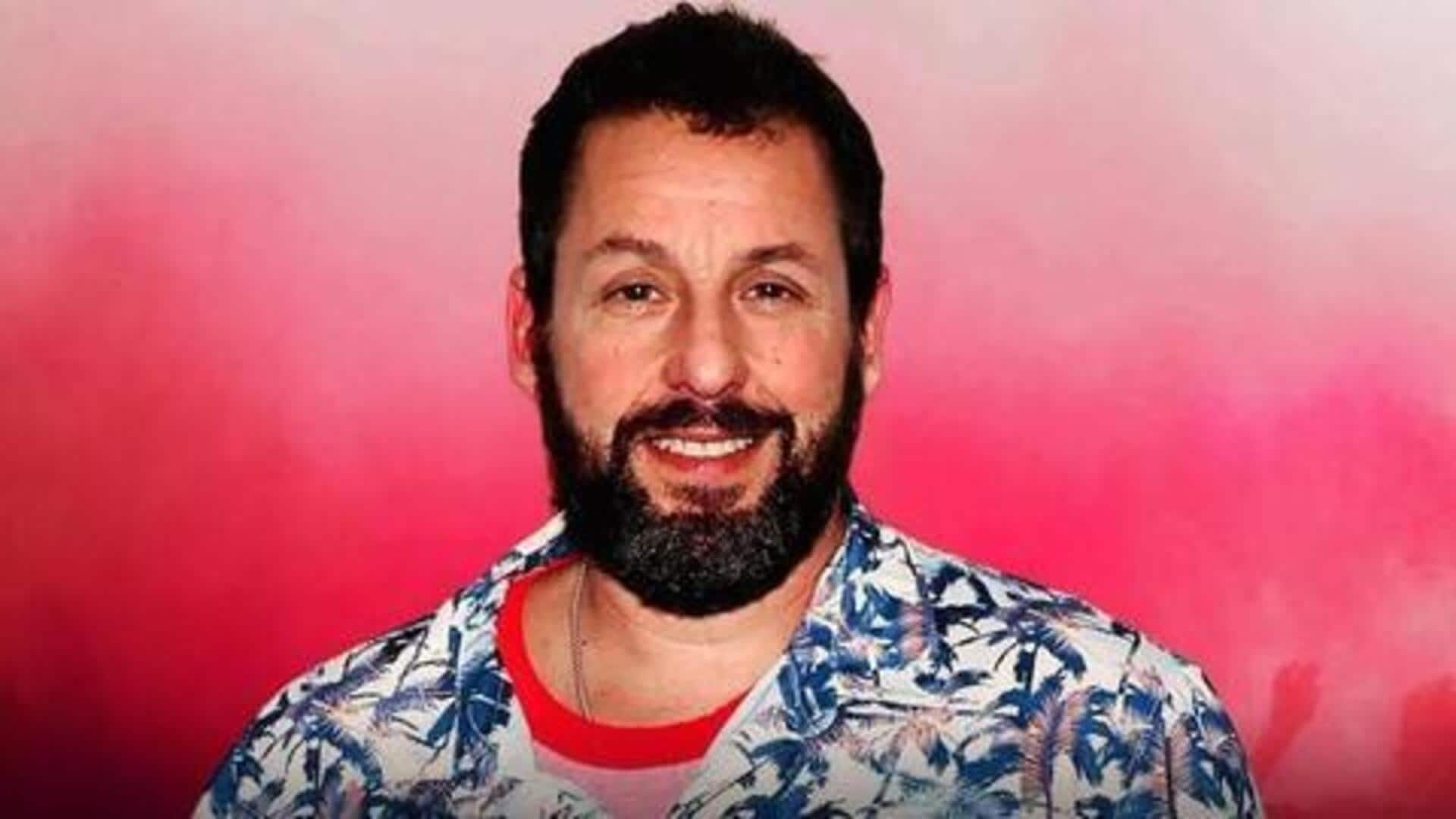
Adam Sandler’s multi-picture partnership with Netflix, which began in 2014 and expanded significantly in 2017 and 2020, is estimated to have a total value exceeding $500 million. While individual contract figures remain private, these multi-deal agreements reflect both high-volume production output through Happy Madison Productions and the platform's objective to secure proven audience engagement metrics.
Evolution of the Happy Madison Partnership
The relationship between Adam Sandler and Netflix serves as one of the most prominent case studies in modern streaming economics. In 2014, the actor’s production company, Happy Madison Productions, signed a four-film deal reportedly valued at $250 million. This initial agreement was a strategic pivot for Netflix, which was then transitioning from a licensed-content library toward original, platform-exclusive programming.
By 2017, the success of titles like The Ridiculous 6—which Netflix reported as having the most views in a single month at the time of its release—led to an extension of the deal for another four films. In 2020, this partnership was extended again, signaling that the platform viewed the steady output of Sandler’s brand of comedy as a foundational pillar for its subscriber retention strategy. This long-term alignment has allowed Sandler to maintain creative control while providing Netflix with a consistent pipeline of content that performs reliably across various demographics.
Financial Valuation and "Real" Earnings
Determining the exact dollar amount that Adam Sandler "earns" personally is complex, as these deals are generally structured as production contracts rather than personal acting salaries. A significant portion of the capital provided by Netflix goes toward the operational costs of Happy Madison Productions. This includes funding for writers, production crew, filming locations, post-production services, and the compensation of supporting cast and creative staff.
When industry analysts discuss the "worth" of the deal, they are typically referring to the gross production budget and contractual fees allocated to the production company. Sandler’s personal net worth is impacted by his role as a producer, director, and lead actor. As the principal owner of Happy Madison, he benefits from the efficiencies of producing in-house content, retaining a significant percentage of the project fees that would otherwise go to external production entities.
The valuation is further supported by the high re-watchability factor of his library. Unlike transient prestige dramas, Sandler’s comedies often provide long-tail value for Netflix, as subscribers revisit these titles years after their initial release. This "evergreen" status allows Netflix to justify the high-cost investment by amortizing the expense across years of sustained viewership data.
Comparative Analysis of Streaming Production Deals
To understand why Netflix invested so heavily in this partnership, it is helpful to compare the model to other industry benchmarks. The following table illustrates the components that typically define large-scale production deals in the current media landscape.
| Component | Industry Standard (Producer/Actor) | Happy Madison / Netflix Model |
|---|---|---|
| Contract Structure | Per-project development deals | Multi-picture, long-term slate |
| Budget Control | Shared with studios | High autonomy for production house |
| Distribution | Theatrical/Streaming hybrid | Exclusive platform priority |
| Residuals/Upside | Box office backend points | Flat-fee and production oversight |
| Primary Metric | Opening weekend performance | Total hours viewed / Subscriber retention |
Measuring Success Through Viewership Data
In the streaming era, "success" is no longer measured by domestic box office receipts. Instead, Netflix evaluates the worth of the Sandler partnership through proprietary metrics, including "total hours watched" and the ability to drive "sign-ups" or "retention" for the service. Sandler’s content consistently ranks in the Top 10 lists across multiple international markets, demonstrating a global appeal that minimizes the risk for the studio.
From an operational standpoint, the predictability of the Happy Madison pipeline is a rare asset. By ensuring a steady stream of content, Netflix can manage its release calendar with greater certainty. The collaborative process allows the studio to greenlight projects quickly, avoiding the lengthy development cycles that often plague traditional Hollywood film production.
Operational Costs and Production Efficiency
The "worth" of the deal is heavily influenced by how efficiently Happy Madison operates. By keeping production costs controlled and utilizing a consistent team of creative collaborators, the production house maximizes the value of the budget allocated by Netflix.
- Developmental Speed: The internal infrastructure allows for rapid transitions from script to pre-production.
- Talent Retention: The ability to feature recurring ensembles helps streamline casting and rehearsal periods.
- Budget Allocation: Funds are prioritized for high-impact production values while maintaining strict control over overhead costs.
These factors enable the production company to deliver high-volume output while remaining within the budgetary framework agreed upon at the start of each contract cycle.
Challenges and Criticisms in Streaming Valuation
Despite the success of the partnership, there are ongoing debates regarding the transparency of streaming financials. Unlike theatrical releases, where profit-sharing is transparent and standardized, Netflix’s private-deal model complicates the ability of external observers to track the "real" earnings of talent.
Critics often point out that while the headline figures for these deals are high, they represent a buyout of traditional residual systems. When a creator signs a massive, multi-year deal with a streamer, they often trade the potential for long-term box office upside—or international licensing renewals—for immediate, guaranteed capital. For an established producer like Sandler, this trade-off provides financial security and creative autonomy, though it removes the element of "hit-driven" financial windfalls that characterized his earlier film career.
Frequently Asked Questions
Is the entire value of the Netflix deal paid directly to Adam Sandler?
No. The reported values for the deals, such as the $250 million figures cited in reports, represent the total production budget for a slate of films. This money covers the entire operation of Happy Madison Productions, including cast salaries, crew, equipment, locations, and editing, rather than being a single personal paycheck for the actor.
Why does Netflix continue to renew its deal with Happy Madison?
The renewal is driven by consistent audience performance. Data consistently shows that Sandler’s films are among the most watched on the platform, attracting a global audience and providing high utility for the subscription-based business model, which relies on consistent content consumption to reduce churn.
Does Adam Sandler still produce films for other studios?
While the Netflix deal is extensive, it does not strictly prevent the actor from taking on independent projects outside of the streaming platform. However, the contractual obligations to Netflix for his original films are prioritized, and the majority of his creative output has been exclusive to the service since 2014.
How does the value of these deals compare to traditional film contracts?
Traditional contracts were often tied to a percentage of "first dollar gross" or net profits from theatrical box office returns. The Netflix model instead relies on a lump-sum, flat-fee structure. This provides the creator with a predictable, guaranteed income regardless of how individual titles perform, though it caps the potential for massive windfalls associated with high-grossing blockbusters.
Are there performance-based bonuses in the Netflix contract?
Specifics of these private agreements are not public, but standard industry practice suggests that high-performing productions may trigger performance incentives or renewals. However, the primary incentive for both parties remains the stability of the production pipeline and the long-term volume of content delivered to the service.
Next Actions: Analyzing Studio-Creator Partnerships
If you are interested in the broader impact of these deals on the film industry, examine the public financial filings of publicly traded streaming services, such as Netflix’s quarterly shareholder letters. These documents offer insight into how content spending is categorized, though they rarely break down individual creator contracts. To understand the shift in industry standards, monitor trade publications that track "output deals" and "production slate agreements," which have become the primary method for talent to secure large-scale capital in the current streaming-dominant landscape.