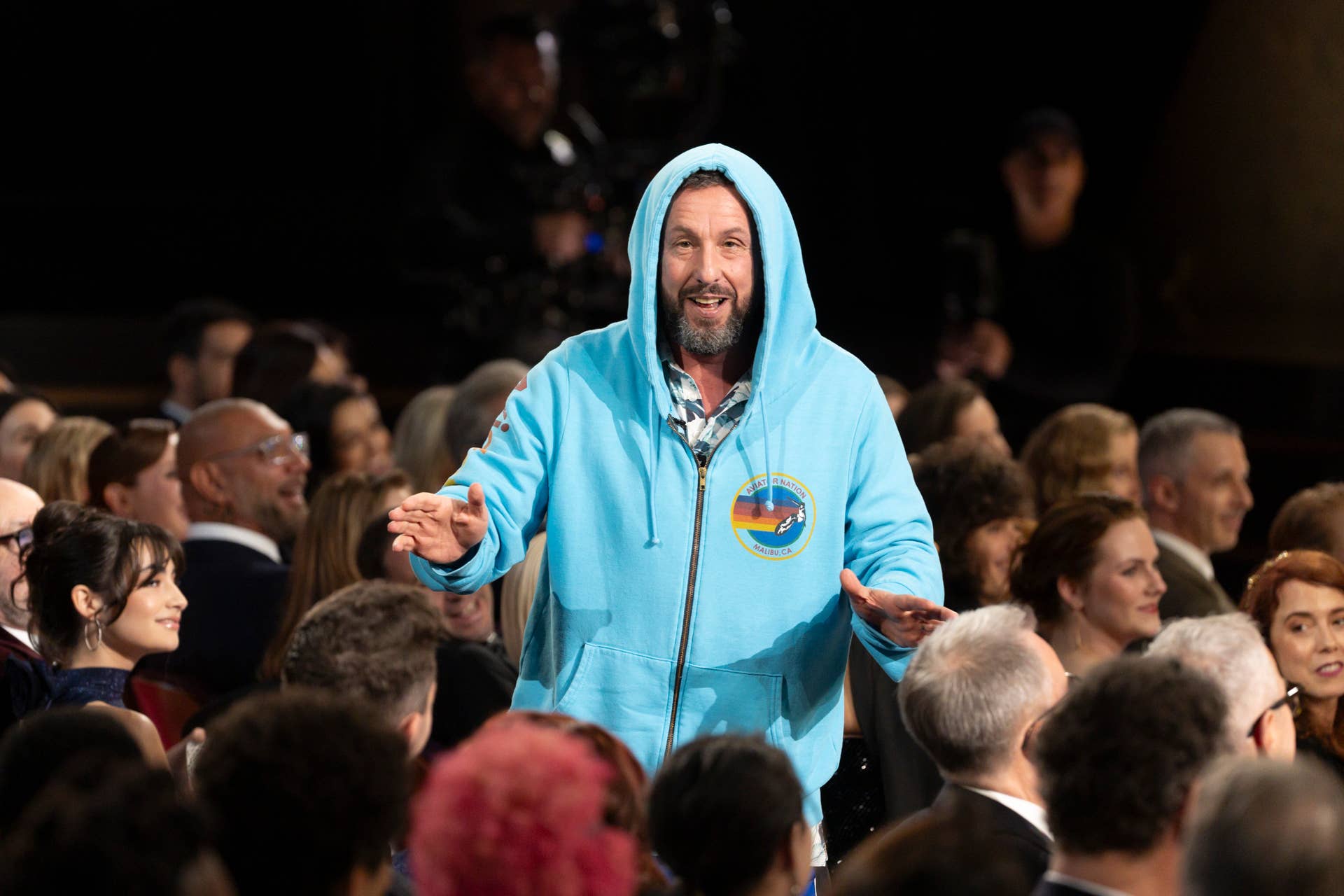
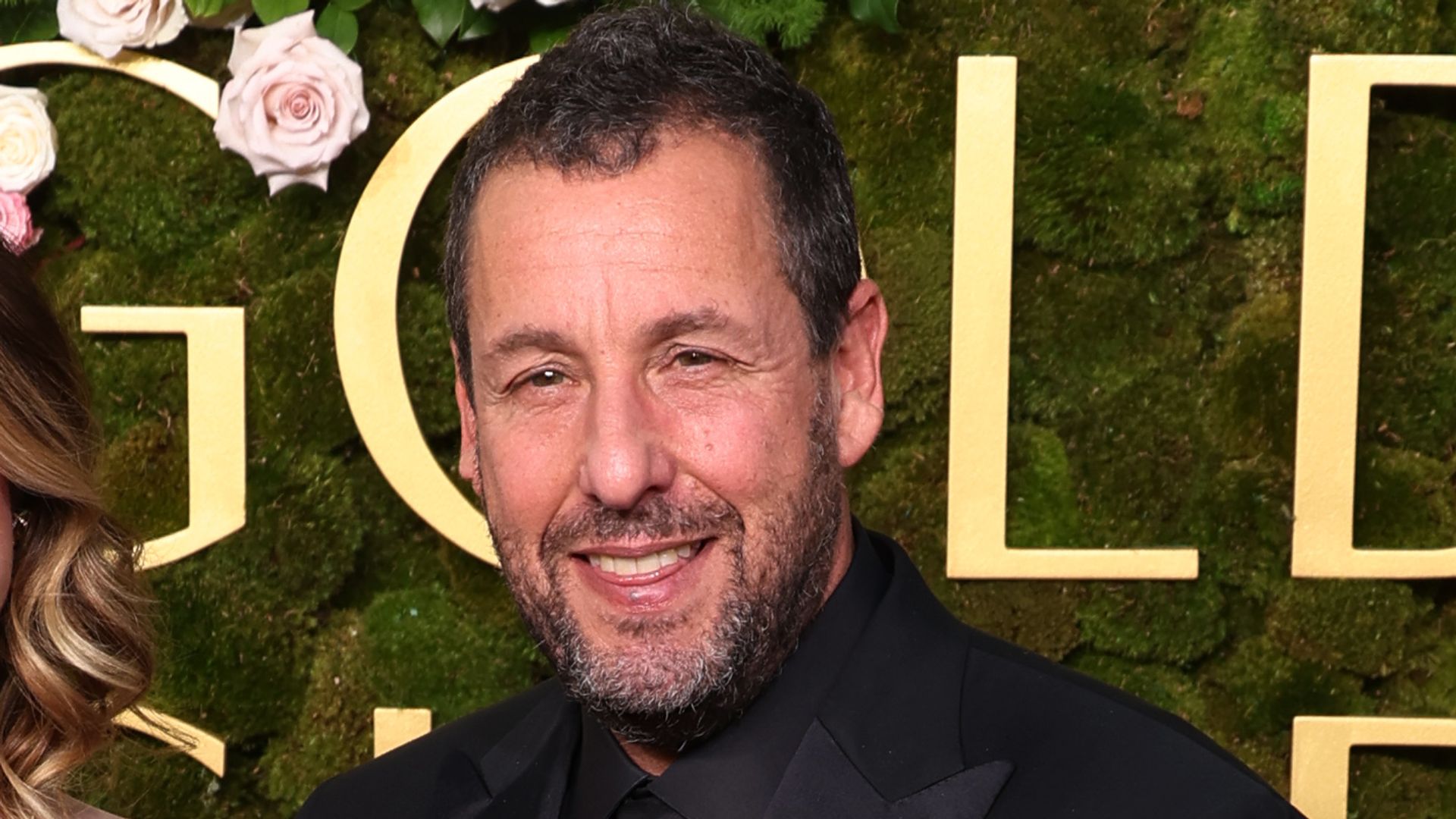
As of 2026, Adam Sandler’s net worth is estimated to be approximately $480 million. This substantial wealth is primarily the result of his long-standing career as a comedian, actor, screenwriter, and producer, bolstered by his highly lucrative multi-picture production deals with Netflix and the continued success of his production company, Happy Madison Productions.
The Evolution of the Happy Madison Business Model
Adam Sandler’s financial success is not merely the product of a high-profile acting salary; it is built on a vertically integrated business model centered around his production company, Happy Madison Productions. Founded in 1999, the company allowed Sandler to transition from being an employee of major studios to being the primary creator and producer of his own creative output.
By maintaining creative control over the scripts, casting, and production budgets of his films, Sandler ensured that a significant portion of the backend profits remained within his control. This model proved particularly effective during the 2000s, when films like Big Daddy, The Longest Yard, and Grown Ups generated massive box office returns relative to their budgets. Unlike many performers who rely solely on talent fees, Sandler’s status as a producer meant he participated in the "first dollar" gross and profit sharing of his films, effectively compounding his net worth as his films became global hits.
The Netflix Paradigm Shift
The most significant inflection point in Sandler's net worth in the last decade arrived in 2014, when he signed an unprecedented four-film deal with Netflix. This contract, which has been renewed and expanded multiple times since, marked a departure from the traditional theatrical distribution model.
These agreements reportedly paid Sandler hundreds of millions of dollars over the contract duration. By bypassing the risks of the theatrical box office, Sandler secured a guaranteed income stream while Netflix benefited from his massive, loyal subscriber base. Data from Netflix consistently showed that Sandler’s films—even those that received tepid critical reviews—were among the most-watched content on the platform globally. This sustained viewership justified the recurring contract renewals, turning the streaming giant into the cornerstone of his modern financial portfolio.
Real Estate Assets and Diversified Holdings
While a significant portion of Sandler’s wealth is tied to his production output, he has prudently diversified his assets into high-value real estate. His portfolio includes several luxury properties across the United States, which serve as both personal residences and long-term capital appreciation vehicles.
His primary residence in the Pacific Palisades neighborhood of Los Angeles is a sprawling estate that reflects his status as one of Hollywood's highest-earning performers. Beyond California, he maintains a presence in other prime real estate markets, reflecting a conservative approach to wealth preservation. These properties are managed with the objective of long-term stability, ensuring that his liquid capital remains protected against market volatility. While he is not publicly known for high-risk venture capital speculation, his real estate holdings suggest a focus on tangible assets that provide both utility and long-term value.
Revenue Streams and Financial Structure
To understand the mechanics of his net worth, it is helpful to categorize the distinct buckets of revenue that contribute to his annual income.
| Revenue Source | Description | Impact on Net Worth |
|---|---|---|
| Netflix Agreements | Multi-film licensing and production exclusivity deals. | High - Primary growth engine |
| Happy Madison Prods | Backend ownership, producer fees, and overhead deals. | High - Sustained passive income |
| Touring & Stand-up | Live comedy specials and nationwide arena tours. | Moderate - High margin revenue |
| Acting Fees | Fixed salaries for non-Happy Madison lead roles. | Moderate - Brand prestige and cachet |
| Real Estate | Capital gains from residential holdings and appreciation. | Low/Moderate - Asset preservation |
Critical Analysis of Financial "Worth"
It is essential to distinguish between gross earnings and total net worth. The figure of $480 million is an estimate of his net assets after accounting for taxes, management fees, production overhead, and personal lifestyle expenditures. In the entertainment industry, stars often face a high "burn rate"—the costs associated with publicists, agents, managers, and legal teams, which can amount to 20% to 30% of gross earnings.
Sandler’s financial management style is often characterized by industry peers as disciplined. By keeping his production costs under tight control—often filming in locations that offer tax incentives or using repeat ensembles of actors—he maximizes the profit margin of his projects. This cost-consciousness has made him a favorite among studio executives, who view his projects as "safe" investments with a high probability of return, further increasing his leverage in contract negotiations.
Frequently Asked Questions
Is Adam Sandler a billionaire?
No, as of 2026, Adam Sandler is not a billionaire. While his career earnings and current net worth of approximately $480 million place him among the wealthiest figures in Hollywood, he remains significantly below the billionaire threshold.
Do Adam Sandler's critics affect his net worth?
Generally, no. While many of Sandler’s films have historically received negative critical reception, his net worth is driven primarily by audience demand and subscriber retention data. Netflix and other distributors value his ability to draw viewers over critical acclaim, meaning professional reviews have had little to no negative impact on his earning potential.
How does Happy Madison Productions increase his worth?
Happy Madison Productions allows Sandler to function as a business owner rather than just a performer. By producing his own content, he retains equity in his films and receives producer fees, allowing him to earn money from the success of his projects long after their initial release through licensing and streaming residuals.
Why did Adam Sandler move from movies to Netflix?
The transition to Netflix was a strategic move to capitalize on the changing landscape of media consumption. Netflix offered a guaranteed, high-value payout that eliminated the risk of a "box office bomb." Furthermore, the platform allowed him to reach his global fanbase directly without the need for traditional marketing and distribution overhead.
Does Adam Sandler earn money from his old movies?
Yes, Sandler earns significant ongoing revenue from his back catalog. Residuals from his earlier theatrical hits, combined with the recurring licensing deals for his films on various cable networks and streaming services, provide a steady stream of passive income that contributes to his total wealth.
Strategic Recommendations for Wealth Analysis
For those tracking the financial movements of high-net-worth individuals in the entertainment sector, it is important to focus on the shift from "project-based" income to "platform-based" income. The most actionable lesson from Sandler’s career is the importance of securing intellectual property rights and maintaining control over the production process. For emerging creators, the goal should not be the highest upfront salary, but the highest degree of equity in the underlying asset. Future wealth growth for established stars will likely continue to follow the path of self-production and long-term exclusive licensing deals, as these provide the most stability in a fragmented digital media environment.