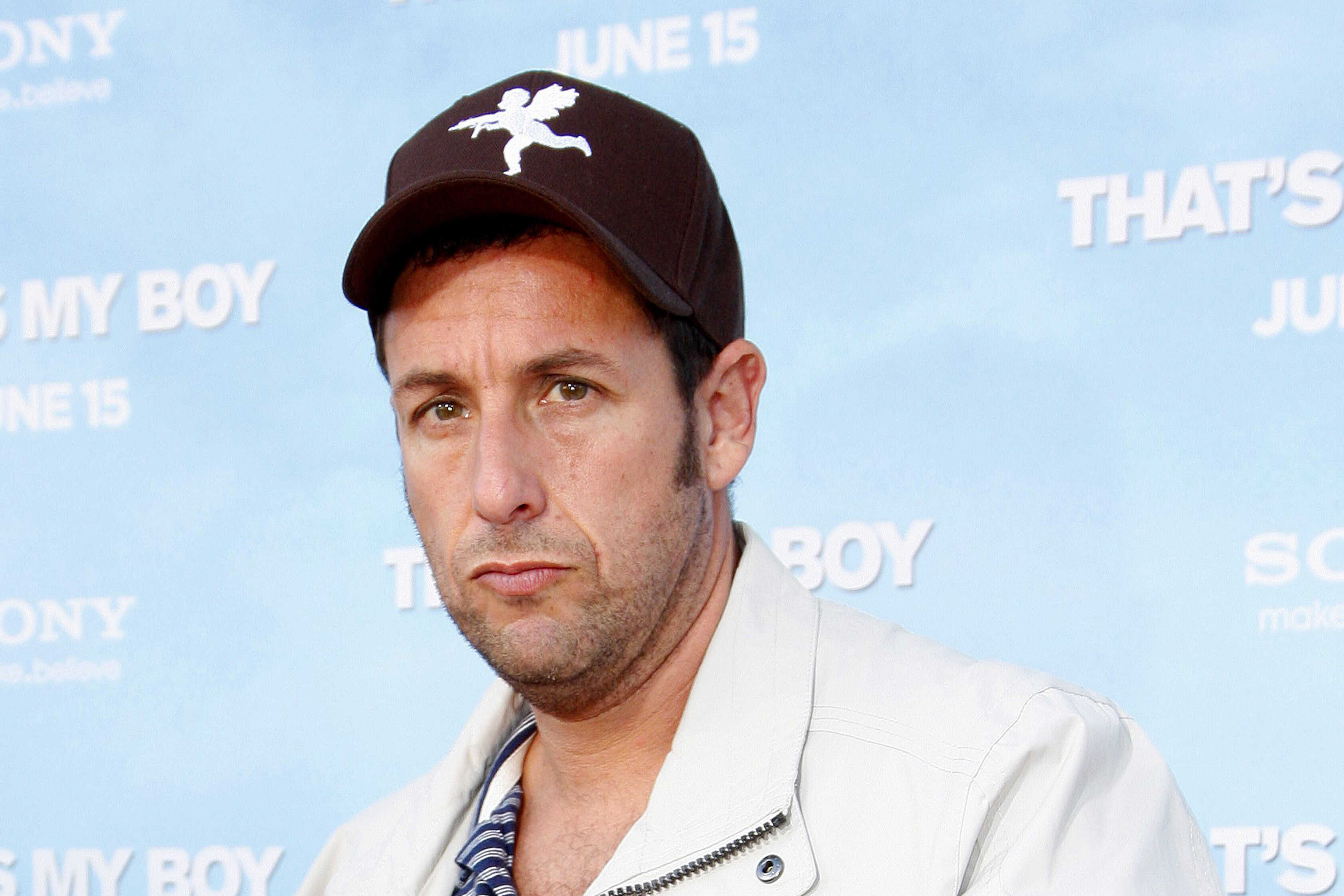
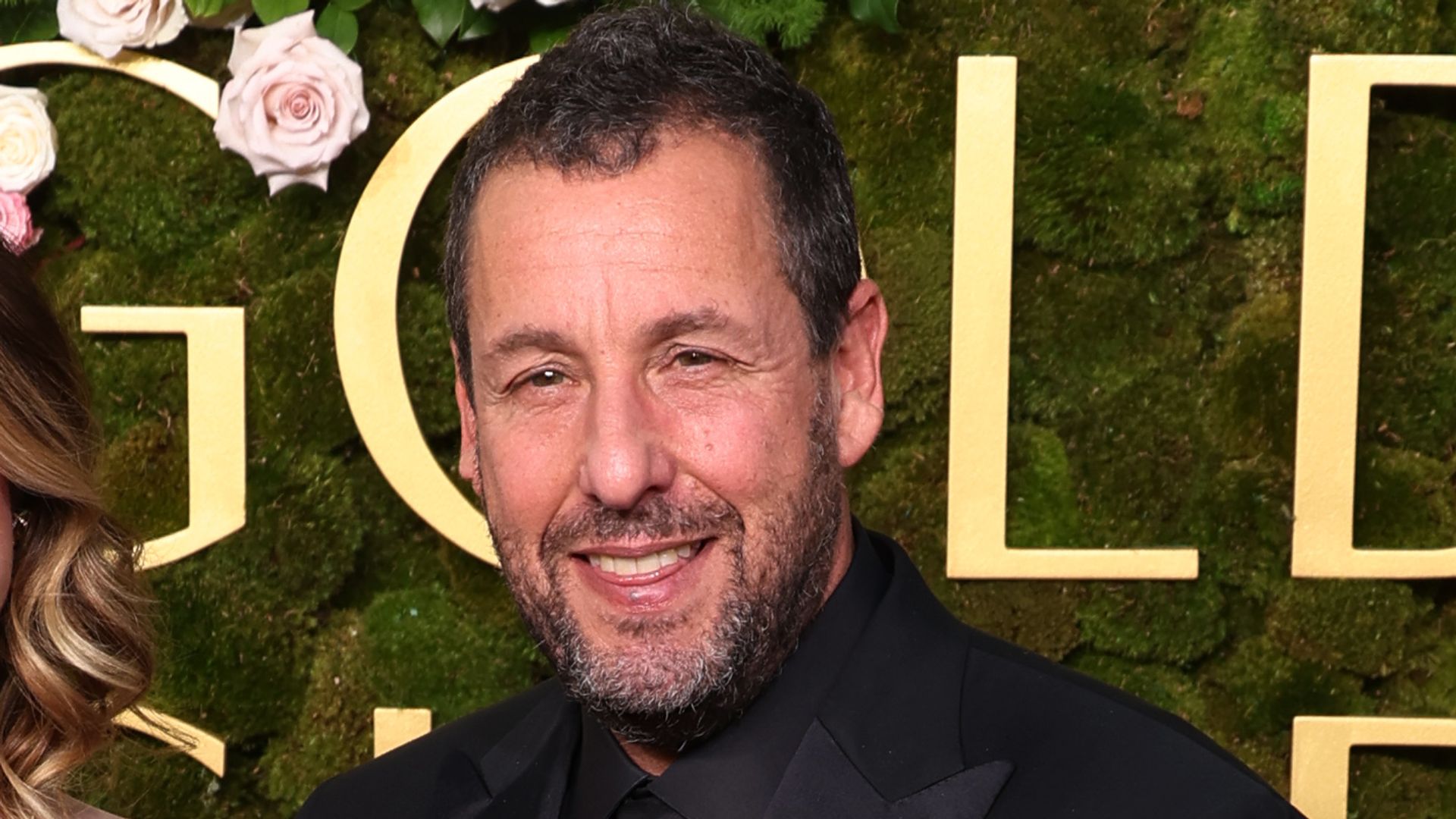
As of 2026, Adam Sandler’s estimated net worth is approximately $480 million to $500 million. This figure is primarily derived from his prolific career as a comedian, actor, screenwriter, and producer, bolstered by long-term film production deals with major streaming platforms and his extensive library of commercially successful motion pictures produced through his company, Happy Madison Productions.
The Financial Foundation: Happy Madison Productions
The cornerstone of Adam Sandler’s financial success is Happy Madison Productions, the company he founded in 1999. By controlling the production entity behind his films, Sandler moved from being a salaried actor to a stakeholder who retains significant back-end equity. This business model allows him to capture a percentage of profits rather than relying solely on upfront talent fees.
Happy Madison is responsible for a vast catalog of films, including Billy Madison, Happy Gilmore, and The Waterboy. Because Sandler wrote, produced, and starred in these projects, his earnings were multiplied through various revenue streams: box office performance, international syndication, home video sales, and eventually, streaming licensing. By owning the underlying intellectual property (IP), Sandler ensured that his income potential extended well beyond the initial theatrical run of his films.
Evolution of Earnings: From Television to Streaming
Sandler’s career path followed a distinct trajectory of financial growth, starting with his breakout years on Saturday Night Live (SNL). While his tenure at SNL established his brand as a mainstream comedic force, his transition to cinema in the mid-1990s introduced him to the high-earner bracket of Hollywood. During the late 90s and 2000s, Sandler commanded upfront fees often exceeding $20 million per film, consistently joining the list of the industry’s highest-paid actors.
The most significant shift in his financial structure occurred in 2014, when he signed an unprecedented four-film deal with Netflix. This partnership was later expanded multiple times throughout the 2020s. By signing with a streaming giant, Sandler secured massive guaranteed payouts for his productions. Unlike traditional film financing, which relies on fluctuating box office receipts, Netflix provided a consistent, high-margin revenue model. In 2026, his ongoing relationship with Netflix remains a primary driver of his annual income, as it mitigates the risk of theatrical underperformance while providing global distribution reach.
Verified Income Streams and Asset Diversification
While film production constitutes the majority of his wealth, Sandler’s financial portfolio is supported by several secondary streams. These sources contribute to his liquidity and long-term asset growth:
- Stand-up Comedy Tours: Sandler frequently returns to the stage for national tours. These live performances command high ticket prices and serve as a high-margin revenue stream with minimal overhead costs compared to film production.
- Real Estate Portfolio: Sandler maintains a significant real estate footprint, including a primary residence in Pacific Palisades, California—a property originally owned by Kurt Russell and Goldie Hawn—and additional luxury holdings in Florida and New York. These properties represent substantial tangible assets that appreciate over time.
- Syndication and Licensing: His early film library continues to generate passive income through licensing agreements with cable television networks and digital streaming platforms, which frequently acquire his catalog to maintain subscriber retention.
Comparative Financial Context in Hollywood
To understand the scale of Sandler’s wealth, it is helpful to look at how his compensation structure compares to other top-tier producers and actors. The following table provides a breakdown of typical revenue components for an A-list entertainer of his stature.
| Revenue Source | Payment Structure | Impact on Net Worth |
|---|---|---|
| Upfront Fees | Fixed salary per project | High immediate liquidity |
| Back-end Equity | Percentage of net profits | Variable, high long-term growth |
| Production Fees | Administrative/Producer fees | Consistent cash flow |
| Licensing/Syndication | Residual payments/residuals | Passive, compounding wealth |
| Real Estate | Appreciation and equity | Store of value |
This table illustrates that while upfront fees are significant, the combination of production ownership and content licensing creates a more resilient long-term financial position. Sandler’s strategy has favored projects where he maintains a creative and financial stake, rather than merely acting as an employee for hire.
Risks and Operational Considerations
Even with a substantial net worth, Sandler’s financial position is subject to the volatility of the entertainment industry. The primary risks include shifts in consumer demand, changing licensing valuations within the streaming market, and the rising costs of film production.
One notable operational challenge is the "all-in" cost of his production deal. While Netflix provides the capital, the performance of each individual film can influence future negotiations. If subscriber engagement for a specific project falls below internal projections, the bargaining power for subsequent contract renewals can be affected. However, by 2026, Sandler has demonstrated a consistent ability to produce "evergreen" content that appeals to a wide demographic, effectively lowering his personal financial risk.
Frequently Asked Questions
Does Adam Sandler still receive residuals from his early films?
Yes. As the producer and often the screenwriter or owner of his production company, Sandler retains rights to his early film catalog. These films continue to be licensed to cable networks and streaming services, providing a steady, reliable stream of residual income that contributes to his total net worth annually.
How much was Adam Sandler’s original Netflix deal worth?
In 2014, Sandler signed an initial deal with Netflix reportedly worth approximately $250 million for four films. This deal was considered a landmark moment in the industry, as it signaled the shift of major talent from theatrical releases to digital platforms. Subsequent contract extensions have maintained his status as one of the highest-paid entertainers on the platform.
Are Adam Sandler’s earnings affected by theatrical box office results?
For his Netflix-exclusive films, theatrical performance is irrelevant to his compensation. However, for any projects that receive a theatrical release, his earnings are heavily tied to box office performance through profit-participation agreements. In recent years, his focus has shifted toward projects that prioritize streaming viewership metrics over theatrical ticket sales.
Is Adam Sandler’s production company, Happy Madison, entirely independent?
While Happy Madison operates with significant creative autonomy, it functions within the infrastructure of major studios and streaming platforms for distribution and financing. The company maintains its own offices and staff, but it leverages external distribution channels to reach its global audience.
Next Steps for Financial Research
For those interested in tracking the professional trajectory of public figures in the entertainment industry, it is recommended to review the annual "Highest-Paid" lists published by reputable business journals such as Forbes or Variety. These publications often provide annual updates on compensation trends, contract renewals, and shifts in industry valuation. When evaluating claims of celebrity net worth, prioritize data from filings or authenticated media reports, as many online estimates rely on speculation rather than verified financial data.