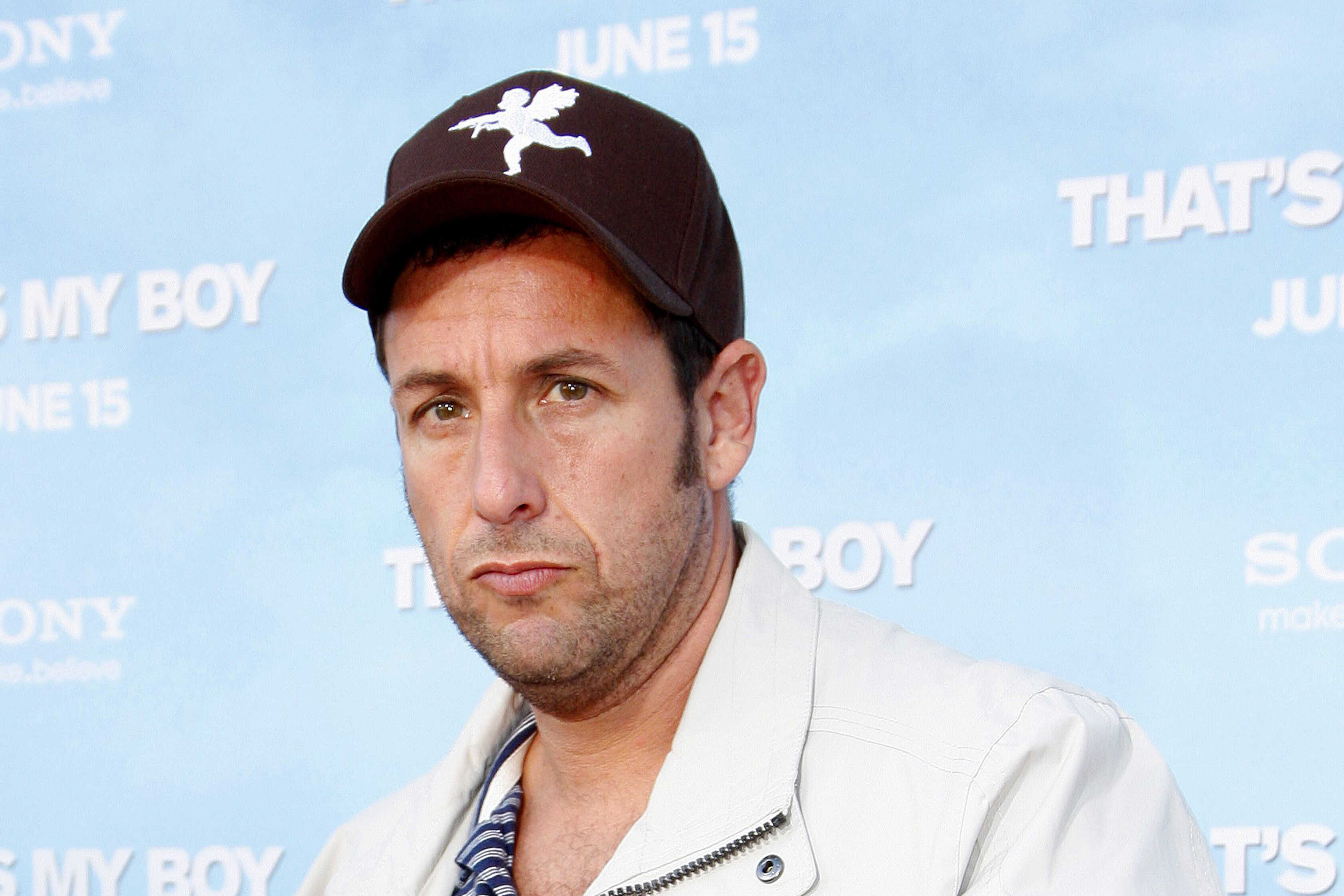
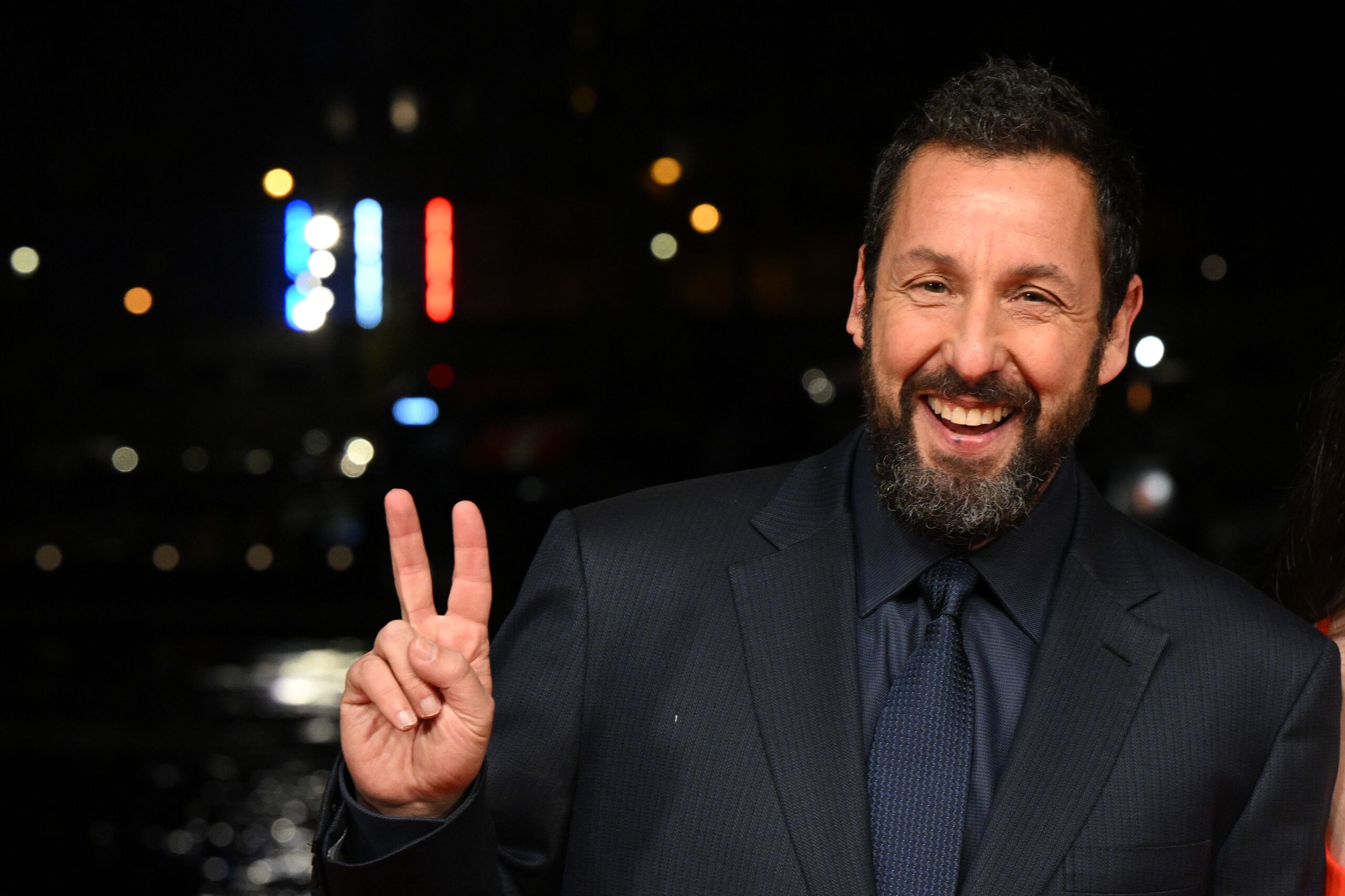
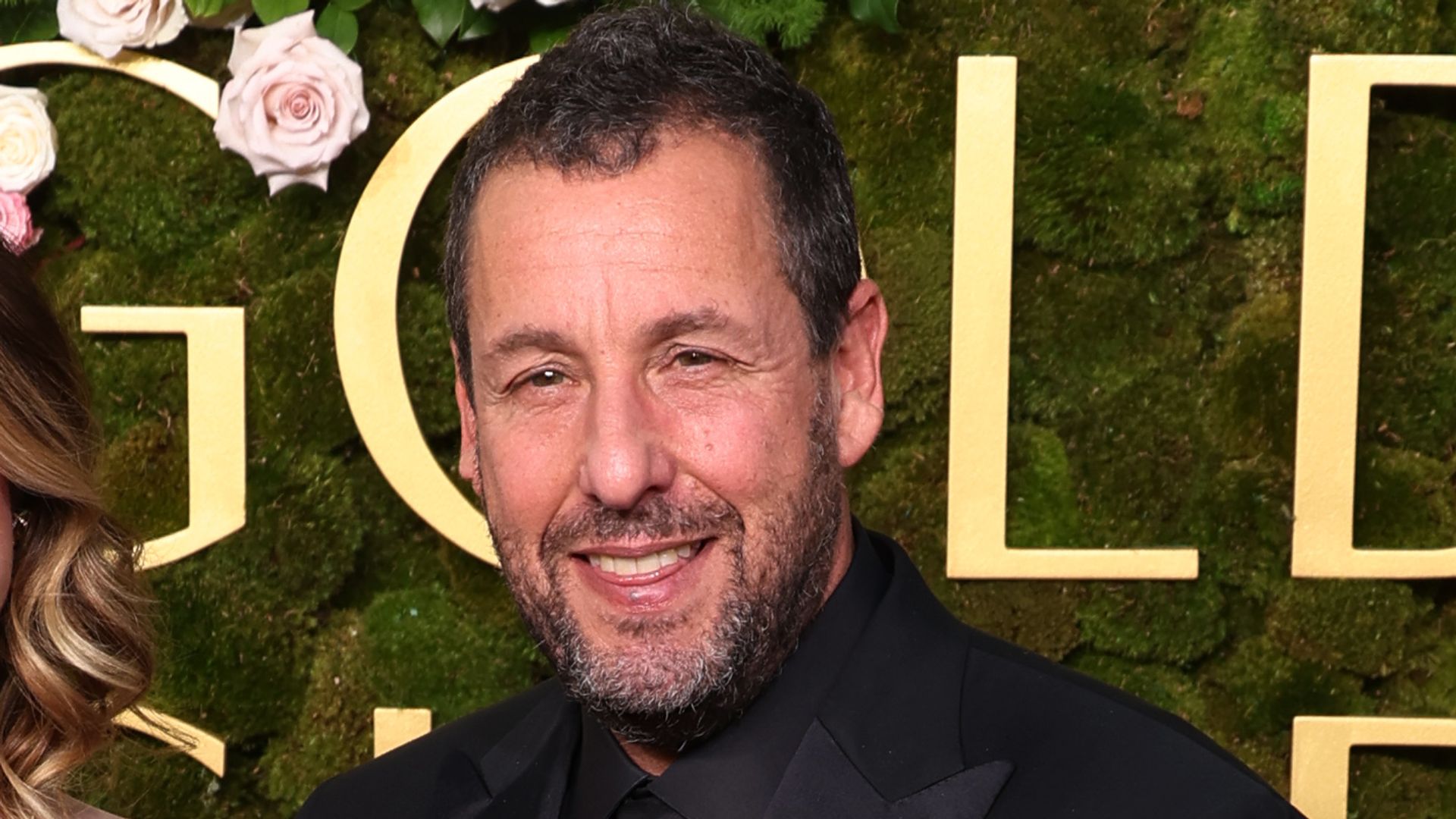
As of 2023, Adam Sandler’s estimated net worth was widely reported to be approximately $420 million to $480 million. This figure reflects decades of highly successful work as a stand-up comedian, actor, screenwriter, and producer, bolstered by his long-term production deal with Netflix and his consistent box-office performance throughout his career.
The Mechanics of Sandler’s Wealth Accumulation
Adam Sandler’s financial journey is not merely the result of acting salaries; it is the culmination of a sophisticated business model that prioritizes creative control and ownership. While his early career was defined by "Saturday Night Live" and massive box-office hits like Billy Madison and Happy Gilmore, his true wealth-building phase began with the founding of his production company, Happy Madison Productions, in 1999.
By retaining ownership of his projects, Sandler transformed from an employee of major studios into a media mogul. Happy Madison Productions has produced not only his own films but also a wide array of projects for his peers, effectively creating a recurring revenue stream that persists regardless of his on-screen presence. This structural autonomy allowed him to command higher upfront fees and substantial back-end points—a percentage of a film's profits—which significantly inflated his earnings over the last two decades.
The Netflix Paradigm: A Financial Pivot
Perhaps the most consequential shift in Sandler’s financial history occurred in 2014 when he signed his initial four-film deal with Netflix. At the time, this was a pioneering move that signaled a departure from traditional theatrical distribution. The success of The Ridiculous 6 and subsequent films proved that Sandler’s audience was loyal enough to migrate from the cinema to the streaming platform.
By 2023, this partnership had expanded significantly, with Netflix renewing their commitment to Sandler multiple times. These contracts are estimated to be worth hundreds of millions of dollars collectively. From a financial standpoint, this transition provided Sandler with two critical advantages: guaranteed capital and global distribution scale. Unlike traditional box-office releases, which carry the risk of "flopping" and affecting an actor's market value, these streaming contracts ensure that the creator is compensated based on platform engagement and total subscriber value, insulating his net worth from the volatility of theatrical ticket sales.
Portfolio Diversification and Real Estate
While his entertainment earnings form the bedrock of his fortune, Sandler’s wealth management strategy also includes significant real estate holdings. Like many high-net-worth individuals, he has utilized residential property as both a store of value and a lifestyle asset.
His portfolio includes a sprawling estate in the Pacific Palisades area of Los Angeles, a property originally purchased from actor Kurt Russell and Goldie Hawn. He also maintains residences in other high-value markets, including New York City and his home state of New Hampshire. Real estate serves as a hedge against inflation and provides a tangible, appreciating asset base that complements his liquid earnings from the media sector.
Comparison of Earnings Streams
Understanding how Sandler generates wealth requires breaking down the disparate sources of income. The following table highlights the primary vectors of his financial growth:
| Income Source | Mechanism of Wealth Creation | Impact on Net Worth |
|---|---|---|
| Happy Madison Productions | Ownership of IP and production fees | High (Long-term growth) |
| Netflix Multi-Film Deals | Guaranteed multi-year contracts | High (Recurring revenue) |
| Theatrical Back-end Points | Profit sharing on major releases | Moderate to High (Project dependent) |
| Touring/Stand-up Comedy | Live ticket sales and performance fees | Low to Moderate |
| Real Estate Portfolio | Appreciation of luxury assets | Moderate (Asset storage) |
Analyzing the "How Much is He Really Worth" Question
When audiences ask about a celebrity's "real" worth, they often conflate annual income with net worth. Net worth is the total value of assets (cash, investments, real estate) minus liabilities (debt, production overheads). In 2023, market analysts and financial publications arrived at their estimates by calculating known residuals, the valuation of his production company, and his disclosed long-term streaming deals.
However, "real" worth is often subject to variables not visible in public filings. Private investments, tax strategies, the overhead costs of maintaining Happy Madison Productions, and the personal expenses associated with his lifestyle mean that any published figure is an estimate. The complexity of private wealth management often results in a "floor" estimate—the minimum amount of documented assets—rather than a total reflection of every venture he manages.
Frequently Asked Questions
Does Adam Sandler still earn money from his 90s movies?
Yes. As both the star and producer of many of his iconic films, Sandler receives ongoing residuals. Furthermore, because he holds ownership stakes in many of these properties through his production company, he earns income whenever these films are licensed for broadcast, cable, or streaming distribution, ensuring his older catalog remains a consistent source of passive income.
How does the success of Happy Madison Productions affect his net worth?
Happy Madison is the engine of his financial success. By producing films for other comedians and actors, the company generates revenue that is independent of Sandler’s personal performance. This "studio-within-a-studio" model allows him to capture a share of the profits from a much higher volume of content than he could produce on his own, significantly increasing his total equity.
Is Adam Sandler’s wealth primarily liquid or invested?
Sandler’s wealth is a blend. While his Netflix contracts and film salaries have provided significant liquidity, a substantial portion of his wealth is tied up in his production company, intellectual property rights, and real estate. This is a common strategy for high-net-worth individuals to maintain tax efficiency and long-term wealth preservation.
How do tax obligations impact his estimated net worth?
Celebrities in high tax brackets face significant federal and state tax liabilities in the United States. Estimates of net worth usually provide gross asset valuations. Because Sandler likely works with high-level financial advisors to optimize tax exposure through business expenses, charitable foundations, and structured investments, the "net" in net worth is highly dependent on his current tax-year realization.
Why is his estimated net worth higher than many other actors?
Most actors are paid a salary for their time. Sandler’s model differs because he is an entrepreneur. By acting as the producer and sometimes writer of his own projects, he captures the "producer’s fee" and the "owner’s share," effectively removing the studio as the primary beneficiary of his work. This allows him to accumulate wealth at a scale unavailable to talent who work strictly as employees.
Recommendation for Further Research
To gain a clearer understanding of how entertainers manage their wealth, it is recommended to review filings from the Securities and Exchange Commission (SEC) regarding public streaming companies like Netflix. These filings often provide context for how production deals are structured. Additionally, reviewing standard industry practices regarding "First Look" deals and "Back-end Participation" can provide deeper insight into how the entertainment industry’s financial hierarchy functions. For those interested in the financial mechanics of film production, authoritative industry trade publications—such as Variety or The Hollywood Reporter—regularly publish analysis on the evolving economics of the streaming era.