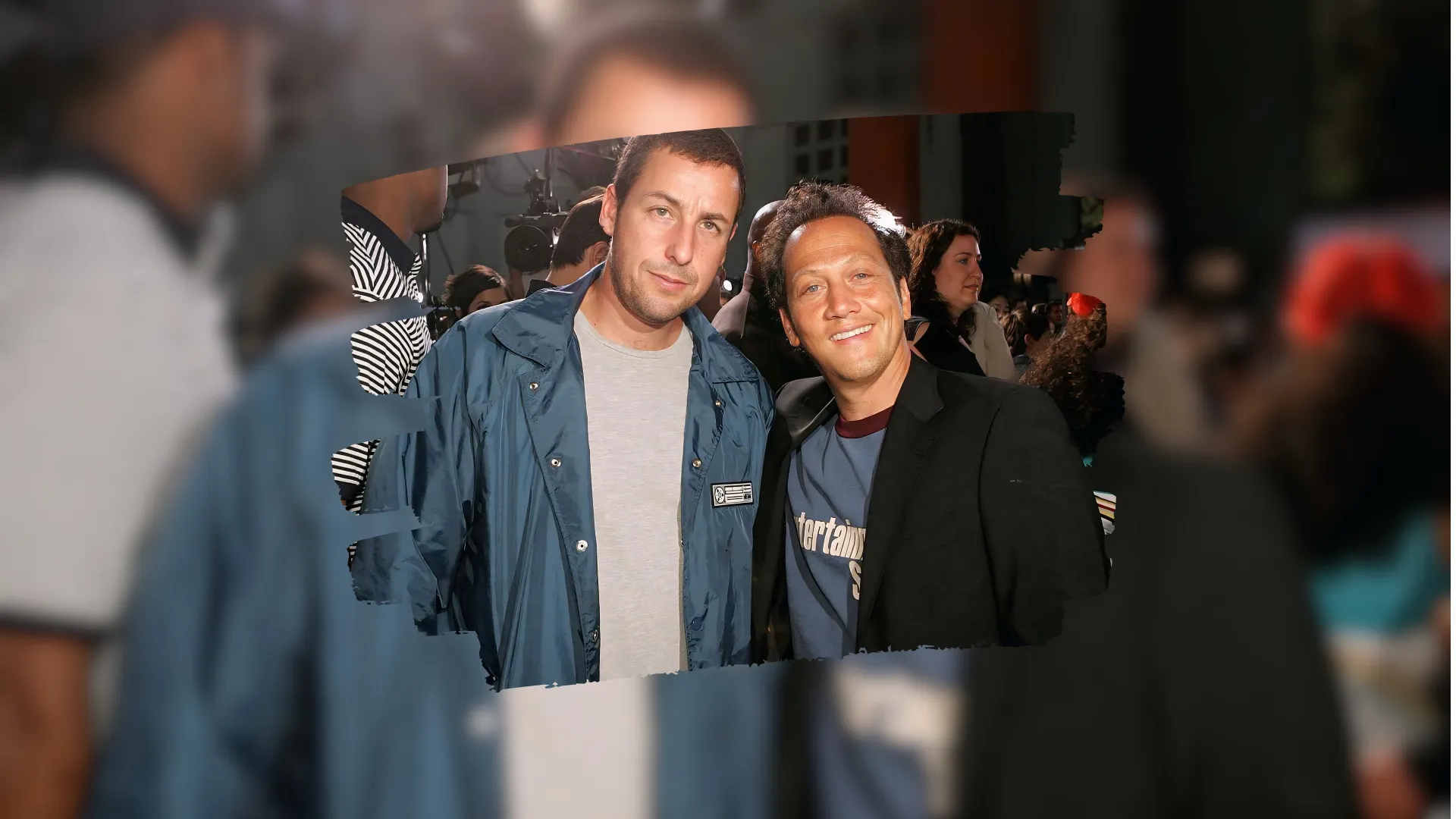
When looking at the collaborative filmography of Adam Sandler and Rob Schneider, viewers find one of the most enduring comedic partnerships in modern Hollywood, characterized by Schneider's memorable cameos, supporting roles, and running gags within Happy Madison Productions. Their dynamic typically features Sandler playing the exasperated everyman or eccentric protagonist, while Schneider drops in for bizarre, high-energy, and often physically comical performances that leave an indelible mark on each scene.
Evaluating the cinematic pairing of Adam Sandler and Rob Schneider requires examining how their comedic styles bounce off each other within various films, ranging from early 1990s breakout hits to later streaming comedies. While Sandler anchors most of these pictures with his signature mix of juvenile charm and heartfelt vulnerability, Schneider acts as a reliable comedic disruptor. This ranking explores their most notable cinematic collaborations, analyzing how these hilarious duos function within the broader context of their respective careers.
Understanding the Happy Madison Dynamic and Cameo Tradition
The partnership between Adam Sandler and Rob Schneider is rooted in their shared tenure on Saturday Night Live during the early 1990s. When Sandler transitioned to feature films, he established Happy Madison Productions, creating a creative ecosystem where recurring repertory players could find steady work, cross-pollinate projects, and support one another's independent starring vehicles. Schneider became a primary beneficiary and contributor to this system, famously appearing in almost all of Sandler’s core comedic releases either as a co-lead, a pivotal supporting character, or through a signature surprise cameo.
This cross-over tradition evolved into a beloved cinematic trope for fans of late-90s and 2000s comedy. Schneider’s roles often include a recurring catchphrase—most notably "You can do it!" originating from The Waterboy—which bridged multiple distinct film universes. Rather than playing the same character, Schneider adapts his persona to fit the needs of the narrative, whether he is portraying an Cajun fan, an obnoxious delivery driver, an incarcerated Hawaiian native, or a stereotypical Asian-American stereotype. Analyzing these performances requires looking past the broad satire to see how Schneider's timing elevates Sandler's scenes and provides reliable comedic relief.
1. The Waterboy (1998)
The Waterboy stands as the absolute pinnacle of the Sandler-Schneider dynamic, perfectly utilizing their contrasting energies. Sandler plays Bobby Boucher, a socially awkward, stuttering water boy for a downtrodden college football team who discovers he possesses a supernatural tackling ability fueled by suppressed rage. Schneider steps in as Townie, a passionate, perpetually enthusiastic fan who serves as Bobby's primary cheerleader throughout the narrative.
The brilliance of this pairing in The Waterboy lies in how Schneider's character embodies the audience's unbridled enthusiasm for Bobby's success. When Schneider delivers his iconic, fist-pumping catchphrase, it acts as a literal and emotional catalyst for the protagonist. The chemistry between the two actors elevates what could have been a simple sports comedy into a cultural touchstone of late-90s cinema. Schneider’s physical commitment to the bit—dressed in eccentric local garb, cheering from the sidelines with manic intensity—complements Sandler's subdued, earnest portrayal of Bobby, creating an unforgettable cinematic duo.
2. Big Daddy (1999)
In Big Daddy, Schneider takes on a vastly different flavor of supporting character as Sonny Koufax’s (Adam Sandler) delivery-guy roommate, Nuni. While the film primarily focuses on Sandler’s character maturing through unexpected fatherhood, Schneider provides a grounded yet deeply eccentric counterpoint to Sonny's domestic chaos. Nuni is trying to navigate his own life, occasionally getting caught in the crossfire of Sonny's irresponsible parenting choices and legal deceptions.
What makes Big Daddy a strong showcase for their duo work is the authentic friendship implied beneath the absurdity. Schneider's performance is slightly more restrained than his work in The Waterboy, allowing Sandler room to play the emotional beats of the story while still injecting bizarre comedic asides. Nuni’s subplot involving his relationship struggles and interactions with the child welfare system provides secondary laughs that keep the narrative's pacing sharp. It proves that Schneider does not always need to dominate a scene to be effective; sometimes, reacting to Sandler's escalating panic is enough to steal the moment.
3. 50 First Dates (2004)
50 First Dates offers a romantic comedy framework where Schneider plays Ula, a heavily tattooed, marijuana-smoking, local Hawaiian native who acts as the best friend and colleague to Sandler’s marine veterinarian protagonist, Henry Roth. Unlike their broader slapstick outings, this film integrates Schneider into a more tropical, laid-back setting, though Ula remains as eccentric as ever. Ula's chaotic family life, featuring unruly children and an eclectic home environment, contrasts sharply with Henry’s romantic aspirations.
Schneider's performance here leans heavily into physical comedy and cultural pastiche, which anchors the film's lighter secondary comedic layer while Sandler handles the heavy emotional lifting of the central romance with Drew Barrymore. Ula provides a reliable sounding board for Henry's existential dating crises. Although some elements of the character reflect the broader comedic tropes of the era, the chemistry between Sandler and Schneider remains undeniably natural, proving their decades-long shorthand on screen.
4. The Longest Yard (2005)
Serving as a remake of the 1974 Burt Reynolds classic, The Longest Yard casts Sandler as disgraced professional quarterback Paul Crewe and Schneider as Punkycster, a fellow inmate who joins the makeshift prison football team. This ensemble-heavy sports comedy gives Schneider a tighter, more cohesive ensemble dynamic rather than just a quick cameo or sidekick role.
In this prison environment, Schneider's character contributes to the locker room camaraderie and physical humor that defines the team's training sequences. While the film relies heavily on a large ensemble cast that includes Chris Rock, Michael Irvin, and Burt Reynolds, the Sandler-Schneider rapport still peeks through during key tactical and comedic moments. Punkycster might not be the most expansive role Schneider has played in a Sandler film, but his presence maintains the connective tissue of Happy Madison’s signature casting choices.
5. Grown Ups (2010) & Grown Ups 2 (2013)
The Grown Ups franchise features an ensemble cast of childhood friends—including Adam Sandler, Kevin James, Chris Rock, David Spade, and Rob Schneider—reuniting as adults following the death of their high school basketball coach. Schneider plays Rob Hilliard, a sensitive, yoga-practicing, multiple-times-divorced New Age enthusiast who is hypersensitive about his aging process and family dynamics.
Within this large ensemble, Schneider’s role is more evenly distributed alongside his co-stars rather than serving as a direct satellite to Sandler. However, the shorthand between Sandler and Schneider is still visible in their conversational banter and shared nostalgia. While the character of Rob Hilliard relies on easy gags about alternative lifestyles and emotional fragility, Schneider fully commits to the eccentricities of the role. The films function as a reunion tour for the Saturday Night Live alumni, capturing a lived-in camaraderie that transcends the individual narrative scenes.
Comparative Overview of Sandler-Schneider Collaborations
| Movie Title | Release Year | Schneider’s Role / Character | Dynamic & Comedic Function |
|---|---|---|---|
| The Waterboy | 1998 | Townie | Enthusiastic superfan; provides inspirational catchphrases and high-energy crowd support. |
| Big Daddy | 1999 | Nuni (Delivery Guy) | Eccentric roommate; reacts to the protagonist's chaotic domestic life with deadpan absurdity. |
| 50 First Dates | 2004 | Ula | Local Hawaiian friend and coworker; adds tropical flavor and unconventional relationship advice. |
| The Longest Yard | 2005 | Punkycster | Inmate football player; contributes to ensemble prison sports camaraderie and physical gags. |
| Grown Ups | 2010 | Rob Hilliard | Childhood friend; part of an ensemble cast playing a New Age, sensitive middle-aged father. |
Frequently Asked Questions About Adam Sandler and Rob Schneider Movies
Why do Rob Schneider and Adam Sandler appear in each other's movies so often?
Rob Schneider and Adam Sandler developed a close friendship while working together on Saturday Night Live in the early 1990s. When Sandler founded Happy Madison Productions, he frequently cast his close circle of friends and former castmates, establishing a reliable creative ecosystem where they could support each other's projects through cameos and supporting roles.
Did Rob Schneider star in his own movies with Adam Sandler cameos?
Yes, Adam Sandler frequently returns the favor by making cameo appearances in Rob Schneider's starring vehicles. Notable examples include Sandler playing a supportive or eccentric bystander in films like Deuce Bigalow: Male Gigolo, The Animal, The Hot Chick, and Deuce Bigalow: European Gigolo.
What is Rob Schneider’s most famous catchphrase in an Adam Sandler movie?
Rob Schneider's most famous catchphrase across Sandler's filmography is "You can do it!", which he first popularized as the Townie character in the 1998 sports comedy The Waterboy. He subsequently repurposed this line as a running gag cameo in several other Sandler-produced films.
Are all Adam Sandler and Rob Schneider movies rated PG-13 or R?
Most collaborations between Sandler and Schneider fall into the PG-13 rating category, featuring typical Happy Madison slapshit, crude humor, and mature thematic elements. Films like Big Daddy and The Waterboy received PG-13 ratings, while ensemble projects like Grown Ups also target general teen and adult audiences.
How did their time on Saturday Night Live influence their film chemistry?
Their tenure on Saturday Night Live forced them to write and perform live sketch comedy under tight deadlines, fostering a deep understanding of each other's comedic timing. This live television background allowed them to translate rapid-fire physical comedy and exaggerated character work seamlessly into feature-length cinematic formats.
Optimizing Your Watch Order for Maximum Comedic Value
For viewers looking to experience the evolution of this comedic partnership, chronological viewing offers a clear progression from hyper-energetic 90s supporting turns to later ensemble projects. Starting with The Waterboy provides the quintessential look at how Schneider can elevate a Sandler sports comedy through sheer enthusiasm. Moving forward to Big Daddy and 50 First Dates showcases how their dynamic adapted to different genres like romantic comedies and domestic dramas before diving into late-career ensemble reunions like Grown Ups. By examining these performances side by side, audiences gain a deeper appreciation for one of comedy's most reliable and enduring cinematic alliances.