Adam Richman has redefined food television by evolving from a competitive eater tackling massive portions to a sophisticated culinary historian. His career across networks like Travel Channel and History Channel spans iconic series including Man v. Food, Secret Eats, and The Food That Built America, offering viewers a blend of spectacle, travel, and industrial history.
The Phenomenon of Man v. Food: Redefining Competitive Eating
When Man v. Food premiered on the Travel Channel in 2008, it wasn't just a cooking show; it was an athletic event centered on the American palate. Adam Richman became an overnight sensation by traveling to various cities, highlighting local "mom-and-pop" eateries, and concluding each episode with a pre-existing eating challenge. The show’s structure—exploring two regional specialties before the climactic battle—provided a blueprint for food tourism that remains influential in 2026.
Richman’s success in this format was rooted in his relatability and his background in theater (having graduated from the Yale School of Drama). He didn't just eat; he narrated the struggle, the flavor profiles, and the community spirit of the restaurants. Challenges like the "Kodiak Arrest" in Alaska or the "Hellfire Sushi" in Salt Lake City became legendary. However, the show's primary legacy was its ability to put small, local businesses on the national map. A visit from Richman often resulted in the "Man v. Food effect," where featured restaurants saw a massive, sustained surge in customers seeking to replicate his experience.
By 2012, Richman transitioned away from the original format. The physical toll of the challenges was a frequent topic of discussion among fans and critics alike. He later hosted Man v. Food Nation, where he acted as a coach for local residents taking on the challenges, signaling a shift from participant to guide—a precursor to the expert roles he would take on later in his career.
Shifting Paradigms: Adam Richman’s Best Sandwich in America
Following the high-intensity era of competitive eating, Richman moved toward a more curated culinary exploration with Adam Richman’s Best Sandwich in America (2012). This series treated regional American sandwiches with the reverence typically reserved for fine dining. By dividing the country into regions and hosting a "tournament-style" bracket, Richman tapped into the inherent tribalism of American food culture.
The show focused on the technical construction of sandwiches, from the bread-to-meat ratio to the origin of the ingredients. Notable contenders included the Roast Pork Sandwich from Tommy DiNic’s in Philadelphia (which ultimately won the title) and the Yardbird from Slows BAR-B-Q in Detroit. This series was pivotal because it showcased Richman’s ability to judge food based on quality and craftsmanship rather than sheer volume. It catered to the "foodie" demographic that valued authenticity and regional identity, solidifying his reputation as a knowledgeable culinary host rather than just a "big eater."
Global Flavors and Hidden Menus: Secret Eats with Adam Richman
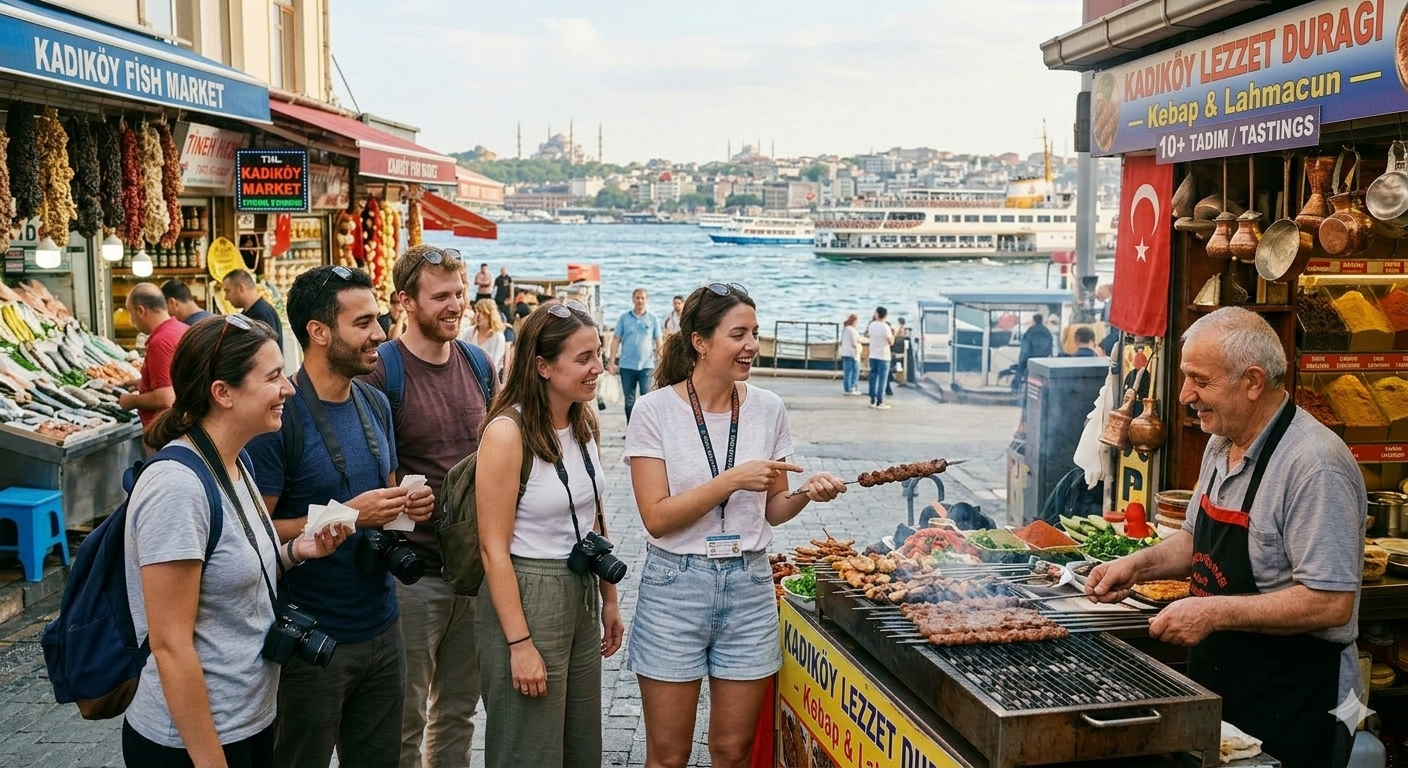
In 2016, Richman expanded his horizons globally with Secret Eats with Adam Richman. This show leaned into the growing consumer desire for "off-the-beaten-path" experiences. The premise was simple but effective: Richman traveled to cities like London, Rome, Bangkok, and Mexico City to find restaurants and dishes that weren't listed on standard menus or were hidden behind unmarked doors.
This series highlighted Richman’s growth as a world traveler. He explored the speakeasy culture of the UK and the hidden "street food" gems of Southeast Asia. The show relied heavily on the "insider" feel, teaching viewers that the best culinary adventures often require a bit of detective work. For fans, Secret Eats provided a more sophisticated viewing experience, focusing on culinary technique and cultural secrets rather than the spectacle of the "big bite." It successfully rebranded Richman as a global food explorer, capable of navigating diverse languages and cuisines.
Beyond the Plate: The Food That Built America and Modern Marvels
In the 2020s, and continuing into his work recognized in 2026, Adam Richman found a second home on the History Channel. He became a staple of the The Food That Built America franchise, where he serves as a lead contributor and commentator. This series explores the industrial history of the brands that define the global food landscape—companies like Kellogg’s, Milton Hershey, and the McDonald brothers.
Richman’s role in these programs leverages his immense knowledge of food lore and business history. He explains how innovations in packaging, preservation, and marketing changed how the world eats. Furthermore, his hosting of the rebooted Modern Marvels allowed him to go inside the factories. Whether he is looking at the production of millions of cookies or the engineering behind ice cream machinery, Richman connects the consumer's plate to the massive industrial complex behind it. This era of his career represents a transition from "what to eat" to "how our food is made," appealing to a more intellectually curious audience.
Comparing Adam Richman’s Major Television Projects
To understand which series best fits your interests, it is helpful to compare the focus and tone of his most significant works.
| Series Title | Primary Network | Core Concept | Recommended For |
|---|---|---|---|
| Man v. Food | Travel Channel | Competitive eating and regional "greasy spoons." | Fans of spectacle and high-stakes food challenges. |
| Best Sandwich in America | Travel Channel | A bracket-style competition for the nation's best sandwich. | Viewers who love regional American classics and food debates. |
| Secret Eats | Travel Channel | Searching for hidden restaurants and off-menu items globally. | Travel enthusiasts and those seeking "hidden gem" dining. |
| Fandemonium | Travel Channel | Exploring the culture of "super-fans" and tailgating food. | Sports fans interested in the intersection of food and community. |
| The Food That Built America | History Channel | Docuseries about the history of food empires and brands. | History buffs and those interested in food business/science. |
| Modern Marvels (Food) | History Channel | Deep dives into food production and industrial engineering. | Viewers who enjoy "How It's Made" style technical content. |
Adam Richman’s Career Evolution and Impact on Food Media
Adam Richman’s trajectory is a case study in successful brand evolution. In the early 2010s, he faced significant health challenges and the physical exhaustion associated with the Man v. Food lifestyle. His subsequent weight loss and focus on fitness were widely documented, and he used this personal transformation to pivot his professional identity. He didn't leave the food world; he simply changed his relationship with it.
His impact on food media is two-fold. First, he popularized the "host-led food travelogue" that focused on the personality of the host as much as the food itself. Second, he helped bridge the gap between entertainment and education. By moving into historical and industrial food programming, he proved that food television could be "smart" without losing its entertainment value. In 2026, he remains a respected voice because he speaks from a position of experience—having seen the food world from the perspective of a consumer, a competitor, and a historian.
Practical Tips for Following Adam Richman’s Culinary Map
For foodies looking to follow in Richman's footsteps, a few strategic approaches will enhance the experience.
- Check for "Still Open" Status: Many of the smaller restaurants featured in early seasons of Man v. Food have faced economic changes. Before traveling to a specific location, verify their current hours and menu.
- Look for the "Adam Richman" Special: Several restaurants featured in Secret Eats still offer the "off-menu" items he highlighted. Mentioning the show can sometimes unlock these specific dishes.
- Engage with the History: If you enjoy his work on the History Channel, use his segments as a jumping-off point for food tourism. Visiting the original Hershey factory or the first McDonald's museum provides a deeper context to the episodes he narrates.
- Balance the Volume: If you attempt a challenge featured on his shows, remember that Richman often spent days preparing (and recovering) for a single 20-minute segment.
Why did Adam Richman stop doing Man v. Food?
Adam Richman decided to stop participating in the eating challenges primarily for health and personal wellness reasons. The rigorous schedule of consuming massive amounts of high-calorie, spicy, or heavy foods took a significant toll on his body. He expressed a desire to explore other facets of the culinary world, leading to his work in food history and travel journalism.
Is Adam Richman a trained chef?
While he is best known as a host and food enthusiast, Adam Richman has a background in the food industry. He worked in various capacities in restaurants for years before his television career began. His deep understanding of ingredients and kitchen operations comes from this "boots on the ground" experience rather than formal culinary school, though he holds a Master’s degree from the Yale School of Drama.
Where can I watch Adam Richman's older shows in 2026?
Most of his legacy content, including Man v. Food and Secret Eats, is available on major streaming platforms like Discovery+ and Max (HBO). His historical work for the History Channel can typically be found on the History Vault or through Hulu’s live TV and on-demand services.
What is Adam Richman's favorite food?
Throughout his many adventures, Richman has rarely named a single "favorite," as his palate is exceptionally diverse. However, he has frequently expressed a profound love for pizza (specifically New York style), sushi, and high-quality regional barbecue. His appreciation usually leans toward food that has a strong story or cultural history behind it.
Has Adam Richman written any books?
Yes, Adam Richman is the author of Straight Up Tasty and America the Edible. These books further explore his journey through American food culture, providing recipes and personal anecdotes that didn't always make it into the final cuts of his television episodes.
Embarking on Your Own Culinary Adventure
To truly appreciate the scope of Adam Richman’s contributions to food media, viewers should look beyond the "big bites" of his early career. Start by revisiting the classic episodes of Man v. Food to understand the foundation of food-challenge culture, but then transition into The Food That Built America to see the sophisticated evolution of his storytelling. For those planning a trip, use his Secret Eats guide to find unique, hidden dining experiences that offer more than just a meal, but a story to tell. His career serves as a reminder that food is not just fuel or a contest; it is a gateway to understanding history, culture, and human innovation.