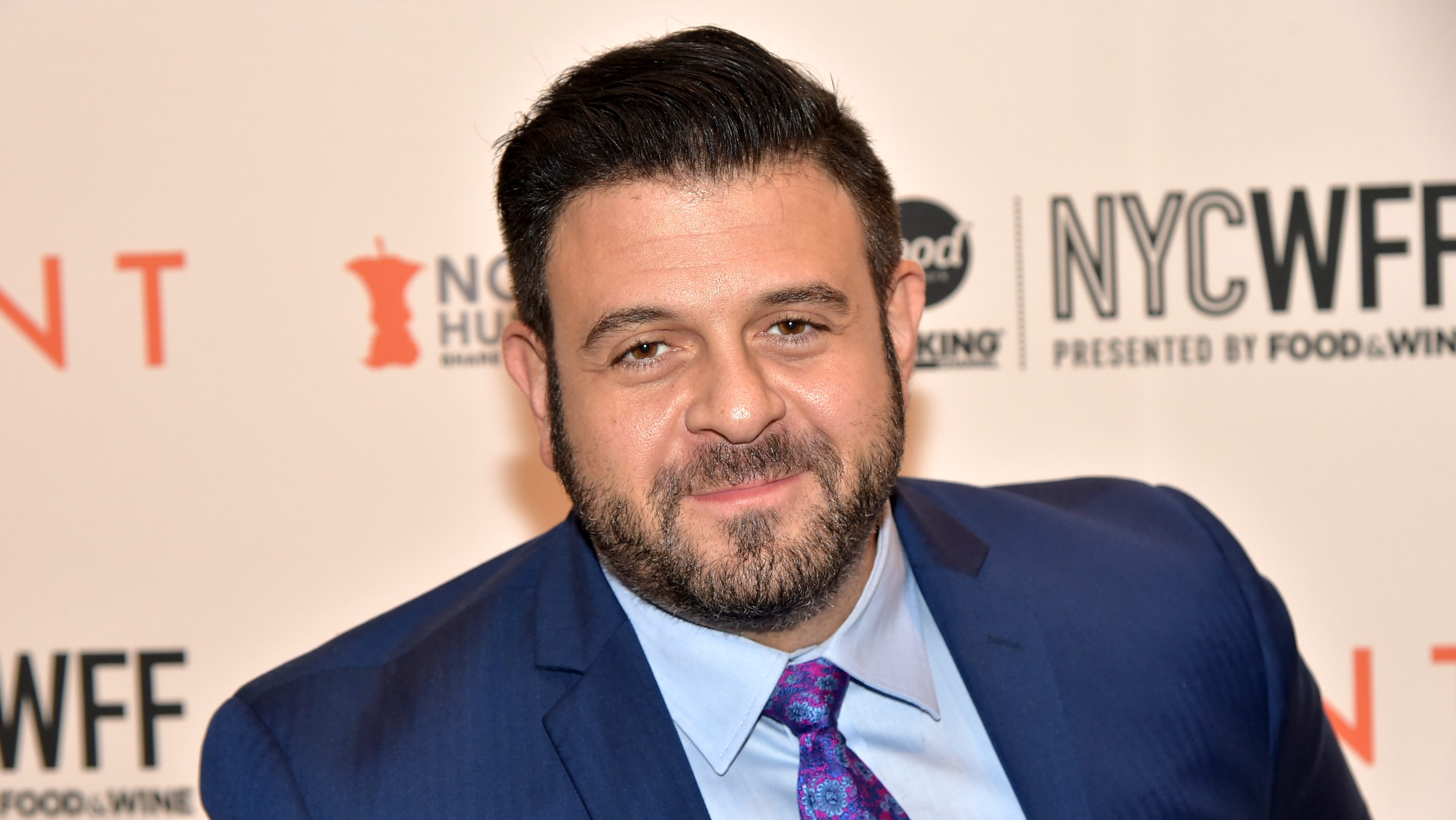
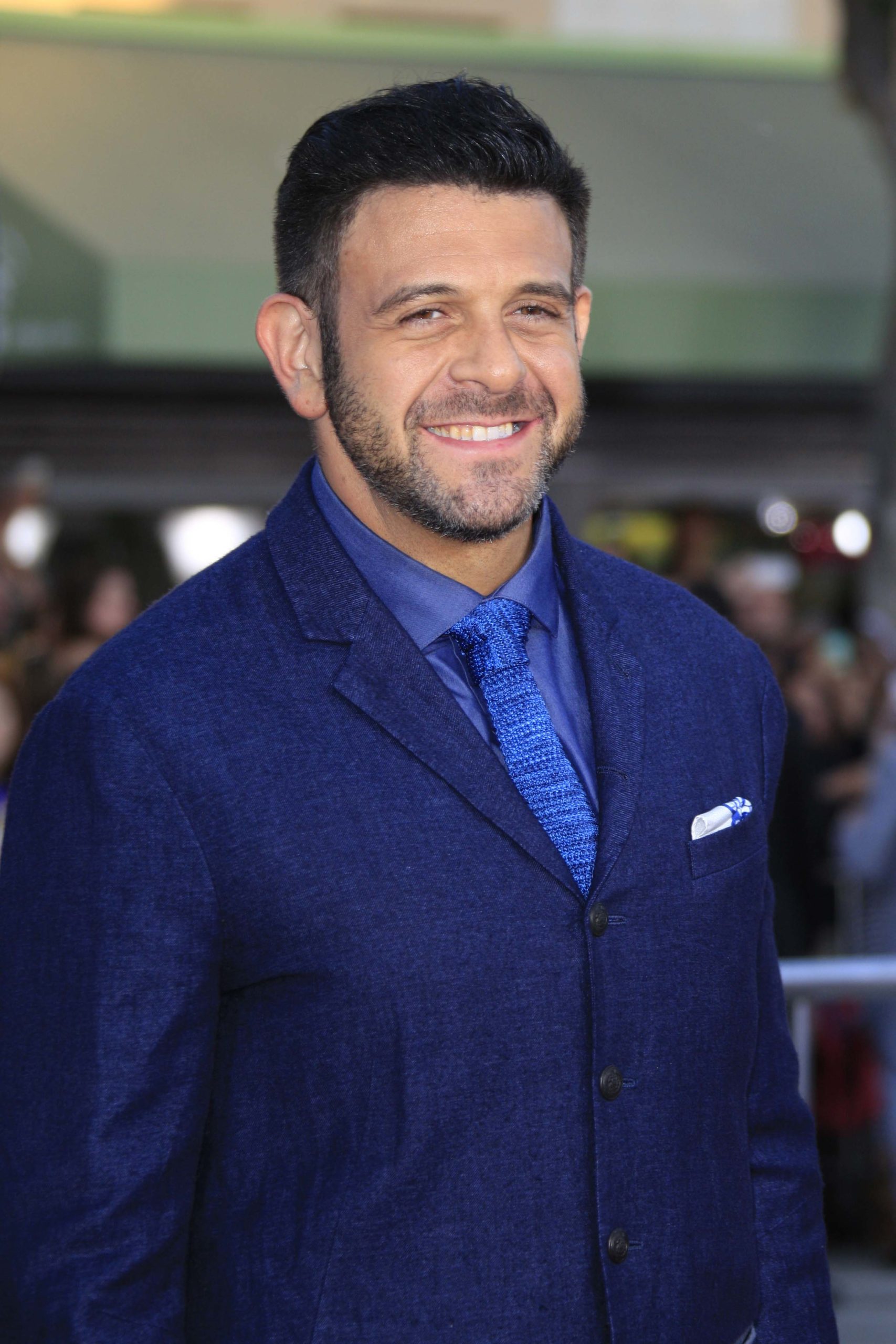
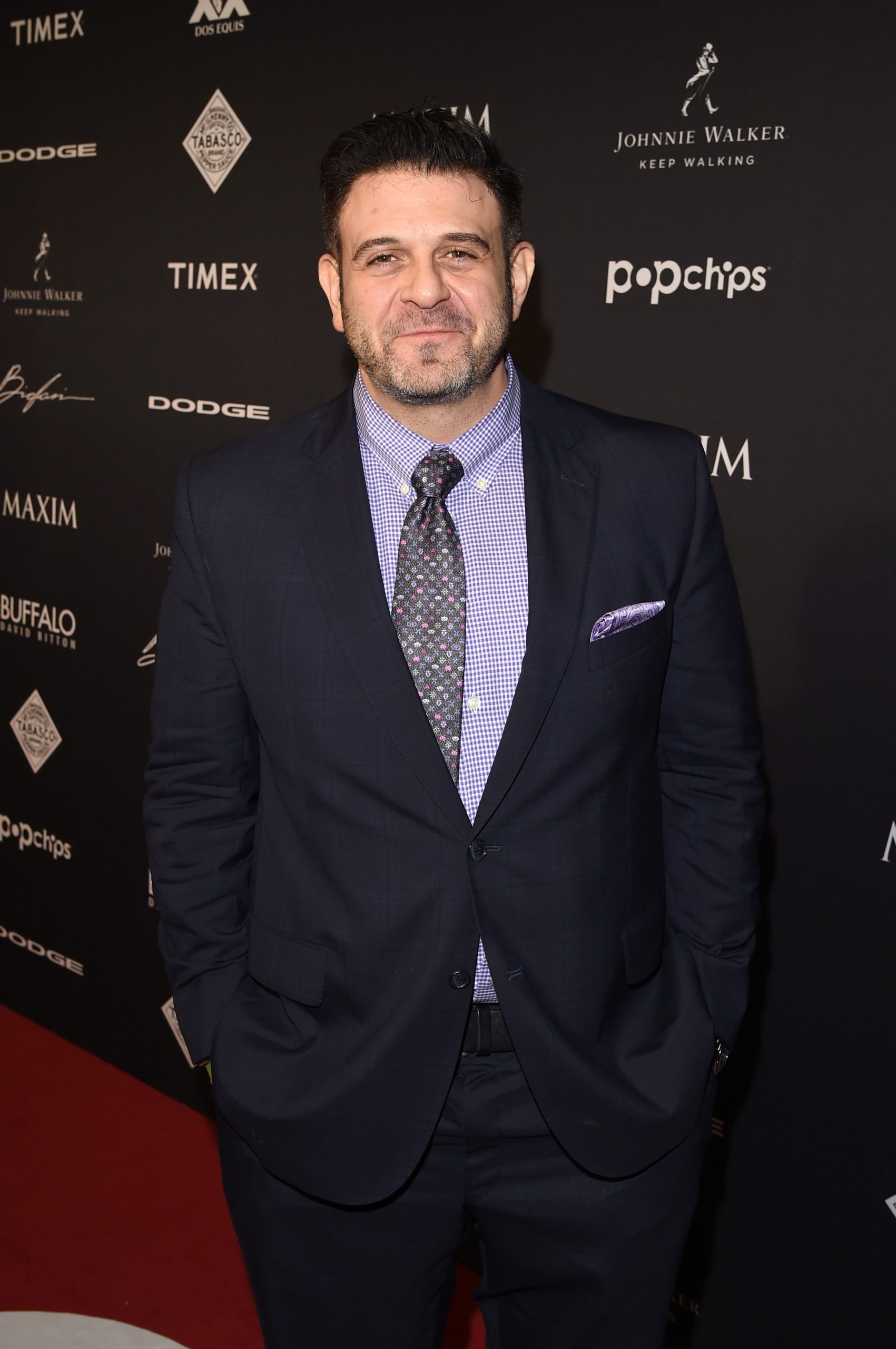
Adam Richman is an American television personality, producer, and author best known for hosting the groundbreaking Travel Channel series Man v. Food. As of 2026, he has successfully transitioned from a competitive eating specialist to a respected culinary historian and executive producer, influencing how global audiences engage with food culture and industrial history.
The Academic Roots of a Television Personality
Long before he became a household name for tackling massive food challenges, Adam Richman was a dedicated student of the performing arts. Born in Brooklyn, New York, in 1974, Richman’s upbringing in a Jewish household in Sheepshead Bay provided a rich cultural backdrop that would later inform his diverse palate. However, his primary focus was not the kitchen, but the stage.
Richman attended Emory University for his undergraduate studies and later earned a Master’s degree from the prestigious Yale School of Drama. This rigorous training is the "secret sauce" behind his television success. Unlike many food hosts who struggle with the technical aspects of presenting, Richman approached every episode of Man v. Food with the timing, energy, and narrative arc of a theatrical performance. His ability to narrate a sandwich's construction or a spicy wing challenge with Shakespearean gravity was a direct byproduct of his Yale education.
Following graduation, he took on several minor roles in television procedurals like Joan of Arcadia, All My Children, and Guiding Light. While these roles provided a steady income, they did not offer the platform that his culinary knowledge eventually would. His transition into the world of food television was less a career change and more a convergence of his two greatest passions: acting and regional American cuisine.
The Man v. Food Phenomenon and its Cultural Impact
In 2008, the Travel Channel premiered Man v. Food, a show that would redefine the "food-travel" genre. The premise was simple: Richman would travel to a different American city, explore the local landmarks and "legendary" eateries, and then face off against a pre-existing food challenge. These challenges ranged from the "Carnivore Pizza" in Atlanta to the infamous spicy "Hellfire" challenges in various cities.
The show's massive success can be attributed to several factors:
- Authentic Localism: Before the "challenge" segment, Richman spent significant time with local chefs, learning about the regional history of the dishes. This gave the show more substance than a simple eating contest.
- Relatability: Richman presented himself as an Everyman. He wasn't a professional competitive eater like Takeru Kobayashi; he was a guy who simply loved food and was willing to push his limits.
- Visual Storytelling: The production used high-quality cinematography to make the food look enticing, a standard that many subsequent YouTube "mukbang" and challenge creators have attempted to emulate.
By the time the original run ended in 2012, Richman had become a global celebrity. However, the physical toll of the series was immense. Consuming thousands of calories in single sittings—often high in sodium and saturated fats—required a grueling lifestyle of compensatory fasting and intense exercise. Contrary to popular rumors of the era, Richman did not quit because of a single medical emergency, but rather because he felt he had "conquered" the genre and wanted to protect his long-term health.
The Strategic Pivot: Beyond the Eating Challenges
After stepping away from competitive eating, Richman faced the challenge that haunts many "typecast" celebrities: how to evolve without losing his audience. His first major move was Man v. Food Nation (2011), where he served as a guide and coach for locals attempting challenges. This effectively distanced him from the actual consumption while keeping him in the mentor role.
His subsequent projects showcased his versatility:
- Adam Richman's Best Sandwich in America (2012): This series focused on craftsmanship and regional pride rather than quantity. It allowed Richman to use his descriptive powers to highlight the nuance of high-quality ingredients.
- Fandemonium (2013): Here, he explored the intersection of food and subcultures, from tailgating at sporting events to Renaissance fairs.
- Production and Writing: Richman authored America the Edible: A Hungry History from Sea to Shining Sea, which combined travelogues with personal history. He also founded County Line Productions, giving him behind-the-scenes control over his creative output.
Revitalizing Food History: The History Channel Era
As of 2026, Adam Richman’s most significant contemporary contribution to media is his work with the History Channel. He has become a central figure in their "The Food That Built America" franchise and the revival of Modern Marvels.
In The Food That Built America, Richman provides expert commentary on the industrial rivalries that shaped the modern pantry—such as the battle between Kellogg’s and Post or the rise of fast-food titans like McDonald's and Burger King. This role leverages his deep knowledge of food science and marketing history. Meanwhile, his hosting of Modern Marvels has allowed him to investigate the engineering behind massive production lines, from massive bakery operations to high-tech farming.
This era of his career represents a complete maturation. He is no longer "the guy who eats the big burger"; he is the educator explaining why that burger exists in the first place and how it changed the global economy.
Career Milestones and Television Portfolio
The following table summarizes the primary projects that have defined Adam Richman’s career through 2026:
| Program / Project | Role | Primary Focus | Era |
|---|---|---|---|
| Man v. Food | Host | Competitive eating and regional food | 2008–2012 |
| Man v. Food Nation | Host / Coach | Mentoring challengers; regional exploration | 2011–2012 |
| Best Sandwich in America | Host | Culinary craftsmanship and competition | 2012 |
| America the Edible | Author | Culinary travelogue and food history | 2010 (Book) |
| The Food That Built America | Expert/Commentator | Industrial history and corporate food rivalries | 2019–2026 |
| Modern Marvels | Host | Engineering and production of consumer goods | 2021–2026 |
| Adam Richman's Bites in Britain | Host | International food culture and UK traditions | 2024–2025 |
Personal Transformation and Health Advocacy
Richman’s physical transformation after Man v. Food remains one of the most discussed aspects of his public life. After the show, he lost a significant amount of weight—approximately 60 pounds—through a plant-based diet transition and a rigorous fitness regimen focused on soccer.
As a lifelong fan of "The Beautiful Game," Richman’s involvement with soccer became a cornerstone of his lifestyle. He is a well-known supporter of Tottenham Hotspur FC and has participated in multiple "Soccer Aid" charity matches. His health journey was not just about weight loss but about longevity. In several interviews, he has highlighted the importance of moderation, a stark contrast to the excess he portrayed in his early thirties. This balanced approach has made him a credible voice for wellness within the culinary industry.
Global Influence and the UK Market
In recent years, Richman has significantly expanded his brand into the United Kingdom. His series Adam Richman's Bites in Britain saw him exploring the diverse food landscapes of the UK, from the traditional pies of Wigan to the high-end fusion of London. British audiences have embraced his "American enthusiasm" tempered by a genuine respect for local history.
This international expansion is a key component of his 2026 status. He is no longer viewed solely as a domestic American personality but as a global food diplomat. His ability to bridge the gap between American "bigger is better" culture and European artisanal traditions has solidified his place as a versatile broadcaster.
Why did Adam Richman stop doing competitive eating challenges?
Richman retired from the competitive eating aspect of his career primarily for health reasons and a desire for creative evolution. By 2012, the physical strain of consuming massive quantities of high-calorie food had become unsustainable. Furthermore, he wished to prove his versatility as a host beyond the "eating challenge" niche.
Is Adam Richman a trained chef?
While Adam Richman is not a classically trained chef from a culinary institute, he has extensive experience in the food service industry. Before his TV career, he worked in nearly every facet of the restaurant business, from dishwashing to line cooking. His culinary knowledge is largely self-taught through years of industry experience and travel.
What is Adam Richman's current role in 2026?
As of 2026, Richman serves as a primary host and contributor for the History Channel, appearing in The Food That Built America and Modern Marvels. He is also active as a producer through his company, County Line Productions, and continues to host international culinary travel series.
What sports team does Adam Richman support?
Adam Richman is a devoted fan of Tottenham Hotspur, an English Premier League football club. He frequently travels to London for matches and has integrated his love for soccer into his fitness and travel programming.
Did Adam Richman ever have a medical emergency on set?
There is no verified public record of Adam Richman having a specific "medical emergency" while filming Man v. Food. While the show was physically demanding and he did suffer from the expected discomforts of overeating (such as "food comas" and lethargy), his retirement was a proactive health decision rather than a reactive one following an incident.
Engaging with Richman’s Modern Content
To truly appreciate the breadth of Adam Richman's career, viewers should look beyond the early challenge clips and explore his documentary-style work. For those interested in the business of food, his commentary on the History Channel provides a deep dive into the innovations of the 20th century. If you are a traveler, his later series offer a more nuanced look at regional specialties that prioritize quality over quantity. The best way to engage with his current work is to follow his production updates on major networks and his social media, where he remains an active advocate for both culinary exploration and healthy living.