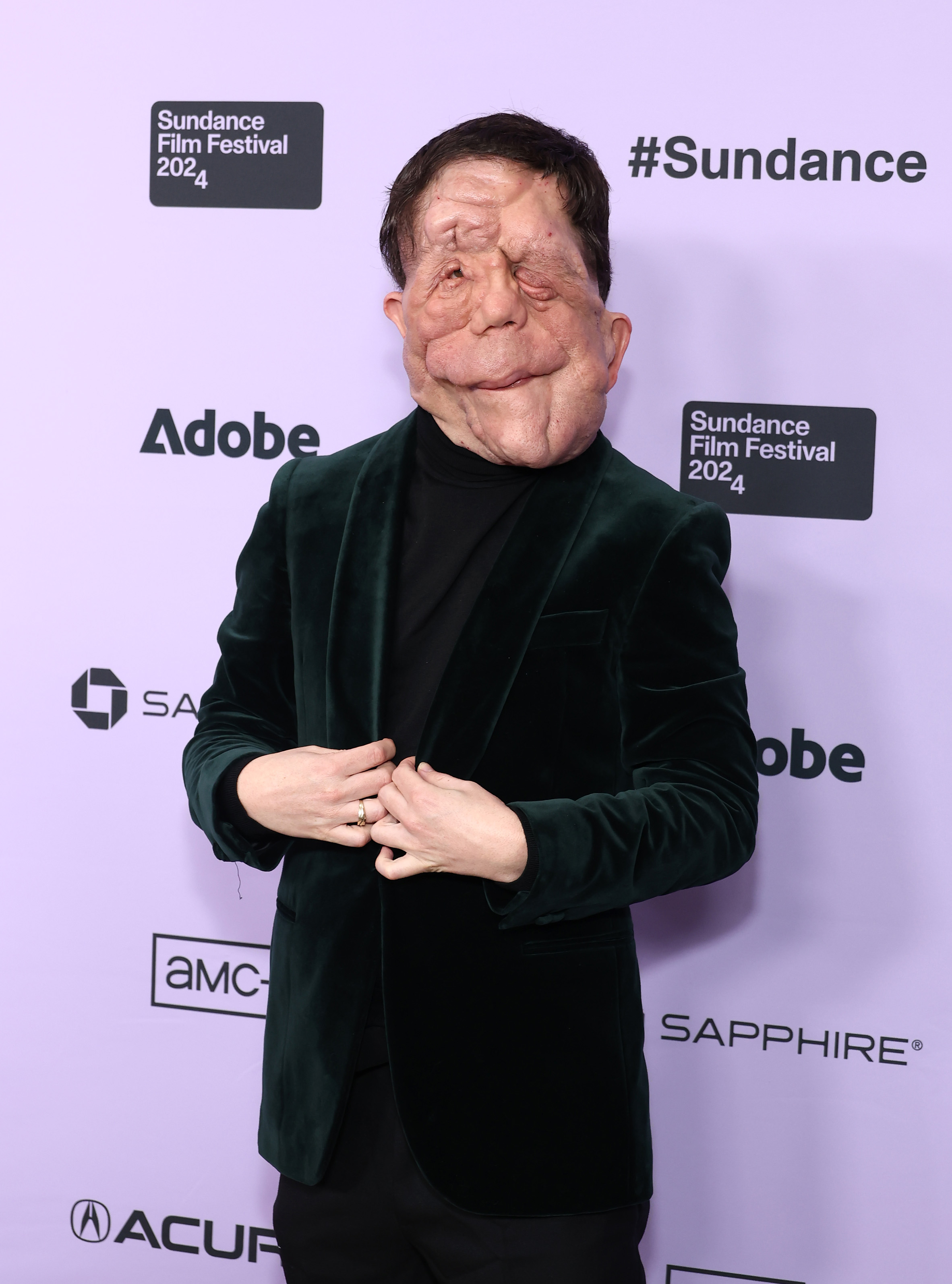
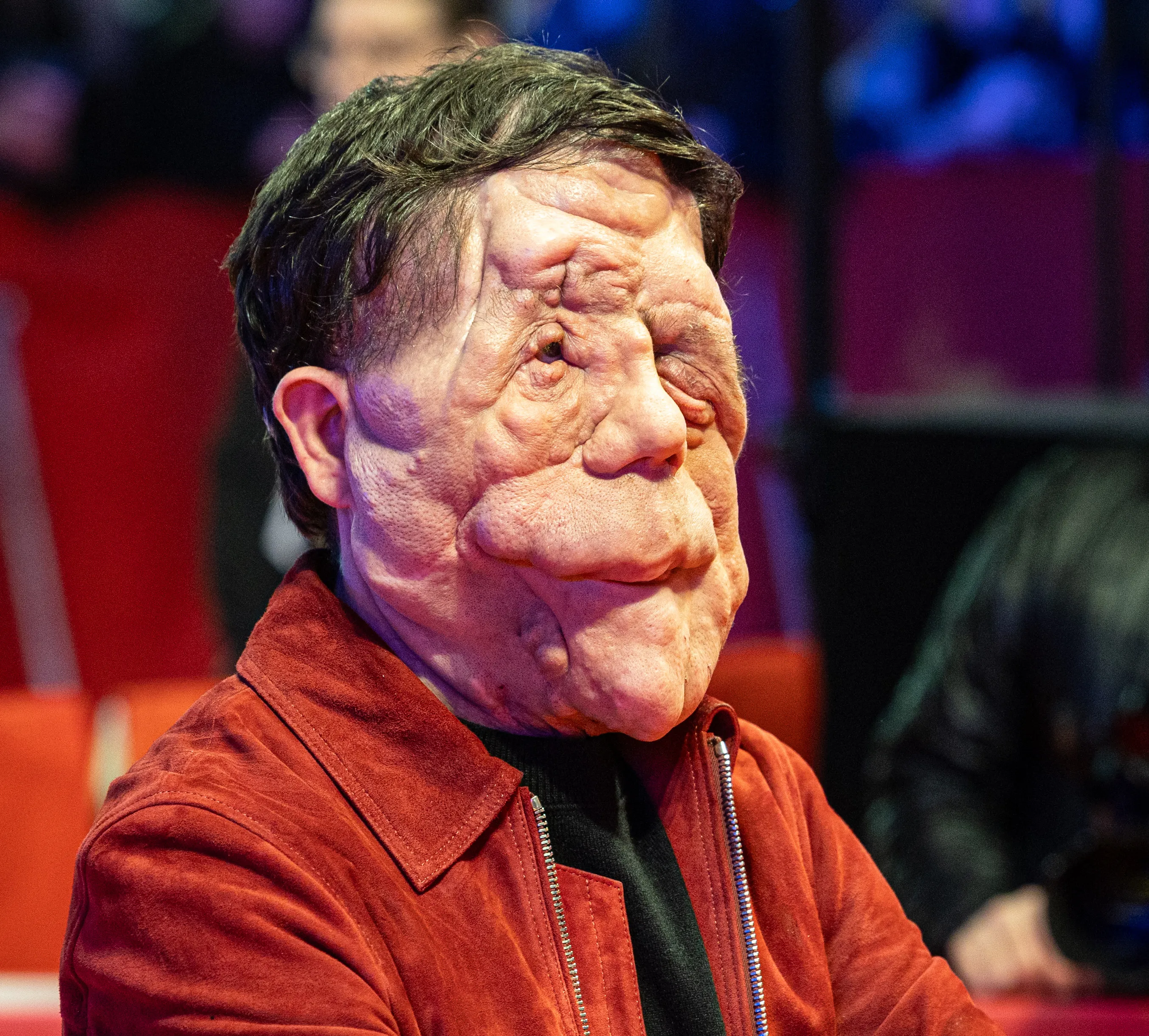
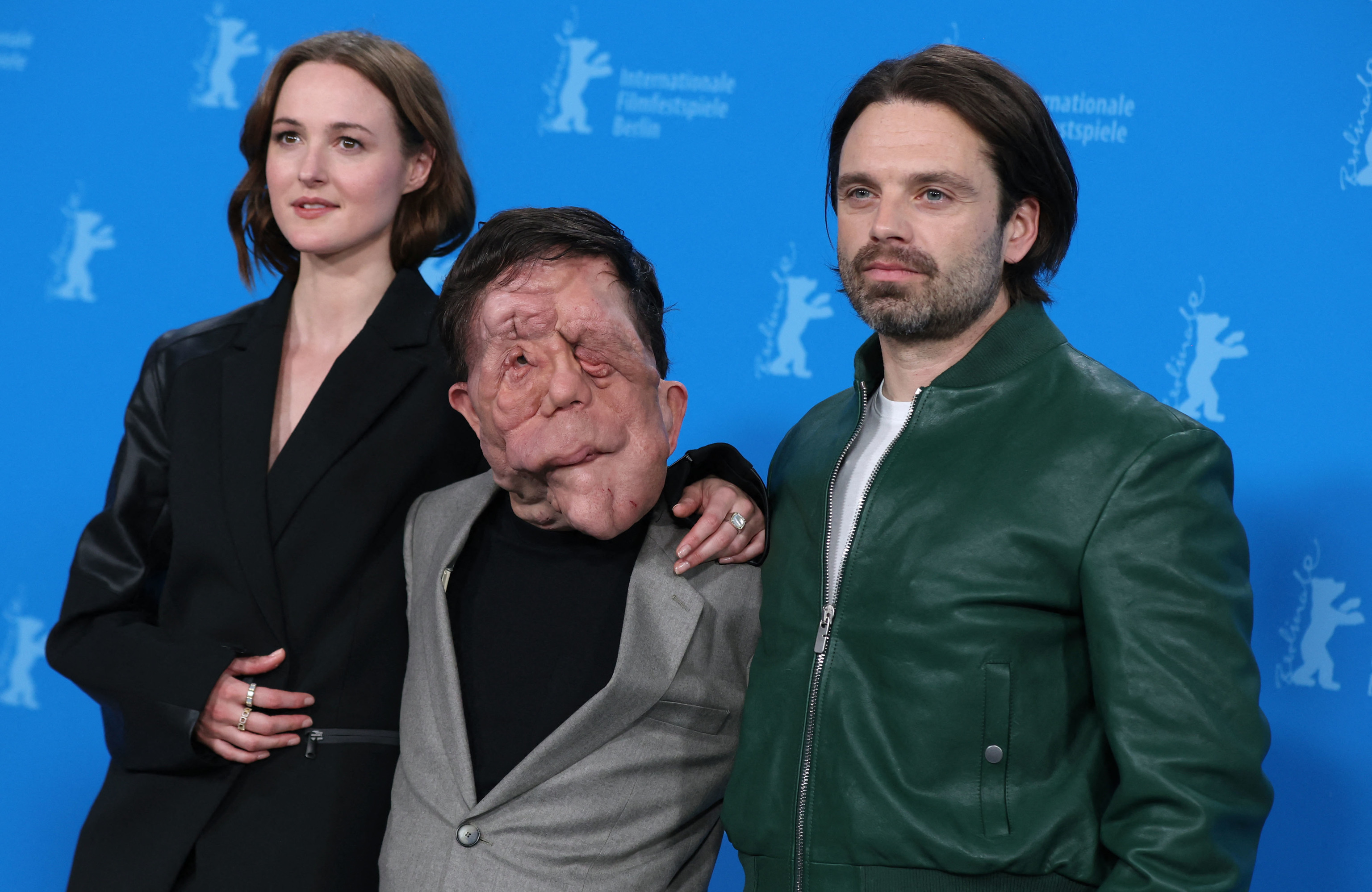
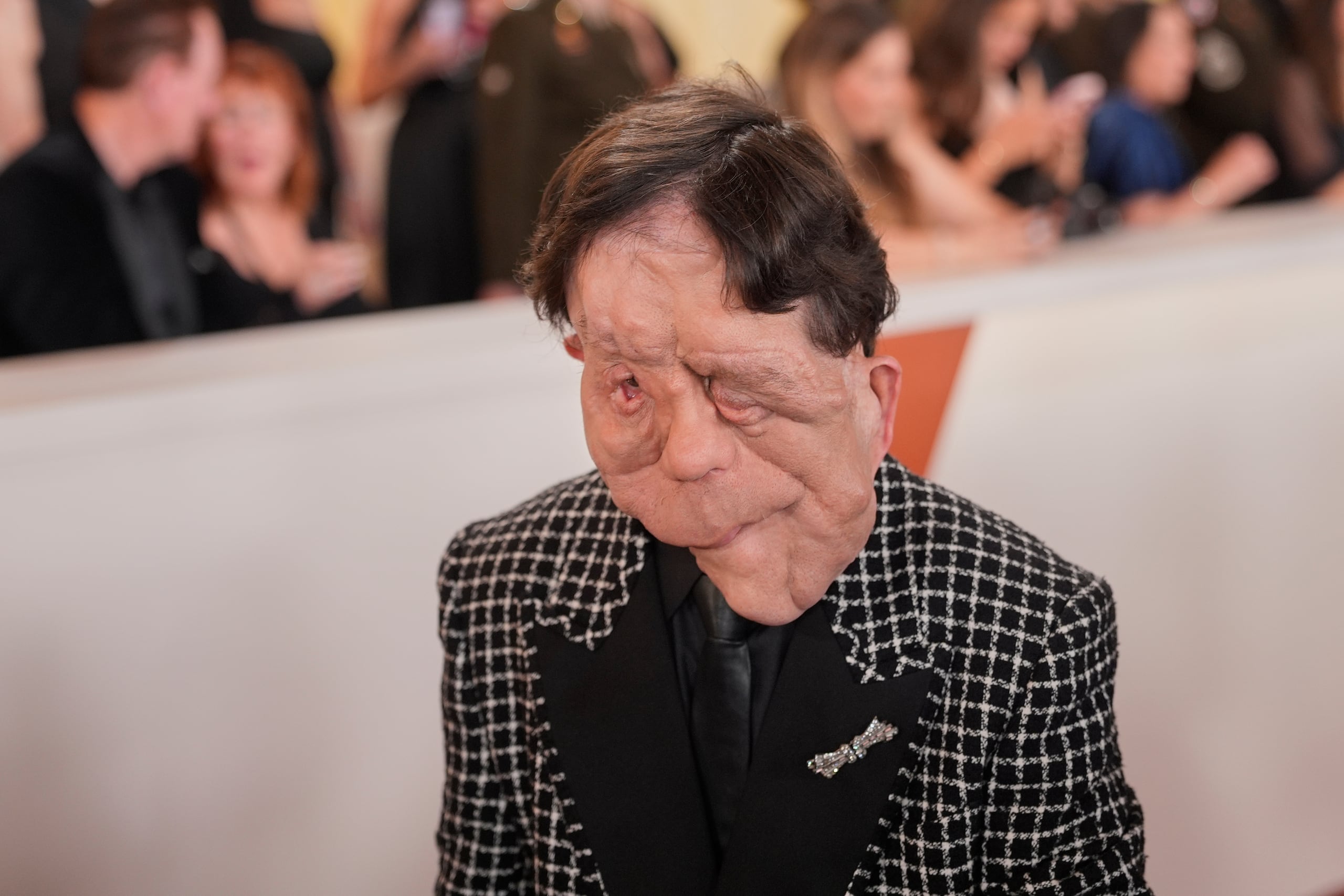
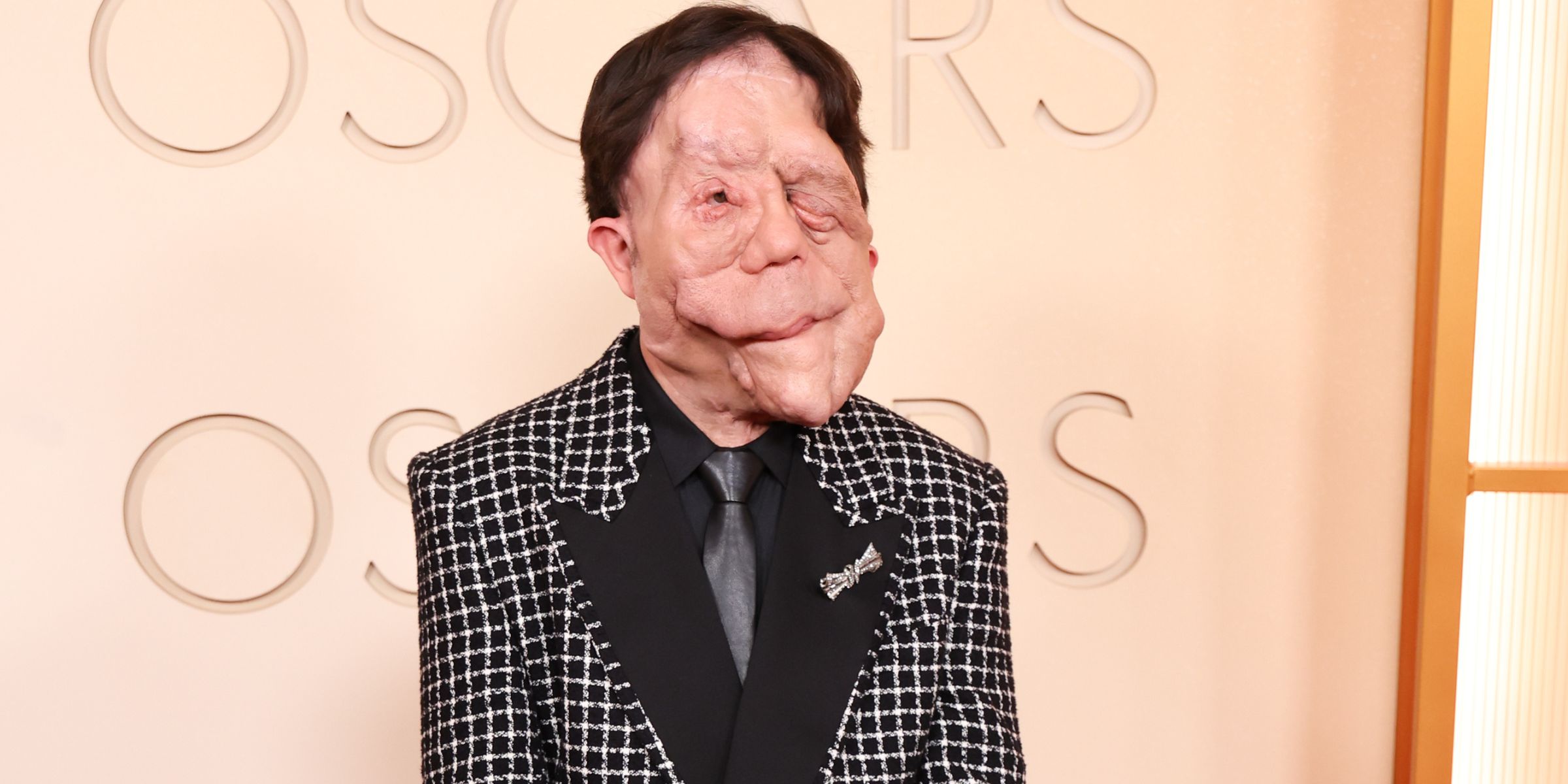
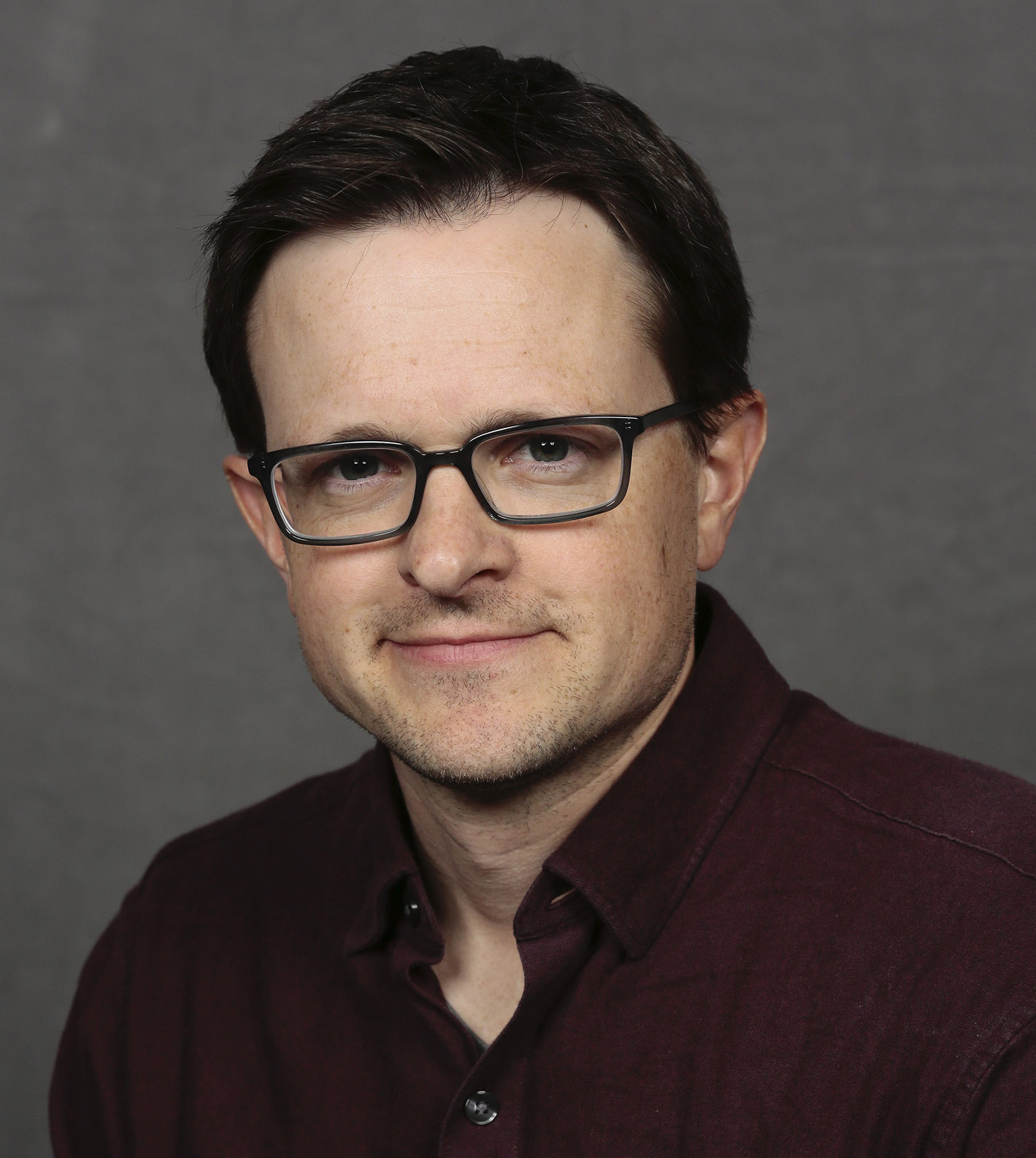
Adam Pearson is a prominent British actor, presenter, and disability campaigner widely recognized for his roles in critically acclaimed films like Under the Skin and A Different Man. Living with neurofibromatosis type 1, Pearson uses his platform to challenge stigmas surrounding disfigurement and promote authentic representation in the global entertainment industry.
Understanding Neurofibromatosis Type 1 (NF1)
To appreciate the journey of Adam Pearson, one must first understand the medical reality of neurofibromatosis type 1 (NF1). This genetic condition, which Pearson has lived with since childhood, is characterized by the growth of non-cancerous (benign) tumors along the nerves. While the severity of the condition varies significantly between individuals, Pearson’s case involves substantial facial involvement, leading to the distinct physical appearance that has defined both his personal challenges and his professional visibility.
NF1 is caused by a mutation in the NF1 gene, which is responsible for producing a protein called neurofibromin. This protein acts as a tumor suppressor; without it, cells can grow uncontrollably. For Pearson, this has meant undergoing over 30 surgical procedures to manage the growth of these tumors. Despite the physical toll and the social friction that often accompanies visible disfigurement, Pearson has consistently refused to allow the condition to be a source of shame. Instead, he has leveraged his unique appearance to force a conversation about how society views "difference."
In the medical community, Pearson is often cited as a powerful example of "patient agency." He speaks candidly about the clinical aspects of NF1, helping to demystify a condition that affects approximately 1 in 3,000 people globally. By the year 2026, his efforts have contributed to a significant increase in public awareness, moving the needle from curiosity-driven staring to a more informed, empathetic understanding of genetic diversity.
The Breakthrough: "Under the Skin" and Cinematic Authenticity
Adam Pearson’s transition from a behind-the-scenes researcher to an international film star began with the 2013 sci-fi masterpiece Under the Skin, directed by Jonathan Glazer. In the film, Pearson plays a character known as "The Deformed Man," who encounters an extraterrestrial being portrayed by Scarlett Johansson. The casting of Pearson was a deliberate move by Glazer to ensure authenticity, avoiding the use of prosthetics or CGI to simulate disfigurement.
The impact of Pearson’s performance in Under the Skin cannot be overstated. One particular scene, involving a gentle interaction between Pearson’s character and Johansson’s, was praised for its profound humanity. It challenged the long-standing "monster" trope often associated with facial differences in cinema. Pearson has often remarked that working with Johansson was a turning point, not just for his career, but for his self-perception as a performer. He proved that he could hold the screen alongside one of the world's biggest stars, relying on timing, vulnerability, and presence rather than just his physical appearance.
Following this debut, Pearson became a vocal critic of the film industry's tendency to cast able-bodied actors in "disfigured" roles using heavy makeup—a practice sometimes referred to as "crip-face." He argues that such portrayals often miss the internal nuance of living with a disability and deprive disabled actors of the opportunity to tell their own stories.
Television Career and Investigative Journalism
Beyond the silver screen, Adam Pearson has established himself as a formidable presence in British television. His work as a presenter and researcher for the BBC and Channel 4 has focused largely on social justice, disability rights, and the psychological impact of public perception.
One of his most impactful projects was the documentary The Ugly Face of Disability Hate Crime. In this program, Pearson investigated the rising tide of abuse directed at disabled individuals, both online and in person. His approach is characterized by a blend of raw vulnerability and sharp investigative rigor. He doesn't just report on the statistics; he shares his own experiences of being targeted, making the issue impossible for the viewer to ignore.
Pearson’s television work often addresses the following themes:
- The Psychology of the Stare: Exploring why people react the way they do to facial differences.
- Media Representation: Analyzing how the "villain with a scar" trope reinforces real-world prejudice.
- Legislative Reform: Advocating for stronger protections against hate speech and harassment for the disabled community.
By 2026, Pearson’s influence in broadcasting has expanded into executive production, where he works to ensure that production crews are as diverse as the talent on screen. His career serves as a blueprint for how lived experience can be transformed into high-quality, educational media content.
"A Different Man" and the Shift to Leading Roles
In 2024, Pearson’s acting career reached a new zenith with the release of A Different Man, an A24 production directed by Aaron Schimberg. In this psychological thriller/comedy, Pearson plays Oswald, a charismatic and confident man who becomes the foil to the protagonist (played by Sebastian Stan). The film explores themes of identity, the "cure" narrative, and the obsession with physical perfection.
The role of Oswald was transformative for Pearson’s public image. Unlike his role in Under the Skin, which emphasized vulnerability, Oswald is the life of the party—highly social, successful, and entirely comfortable in his skin. This shift was revolutionary; it presented a character with a facial difference who was neither a victim nor a villain, but a fully realized, magnetic individual.
The film received standing ovations at major festivals, including Sundance and Berlin. Critics noted that Pearson’s performance was "scene-stealing," often overshadowing his more traditional Hollywood co-stars. For the disability community, A Different Man represented a milestone: a major film where the disability was a part of the character's life but not the entirety of their personality or the sole driver of the plot.
Advocacy: Challenging the "Villain" Trope
A central pillar of Adam Pearson’s advocacy is the eradication of the "disfigured villain" trope in Hollywood. For decades, cinema has used scars, burns, and genetic conditions as visual shorthand for moral corruption—think of characters like Scar in The Lion King, Freddy Krueger, or various James Bond villains.
Pearson has worked closely with organizations like Changing Faces, a UK-based charity that supports people with visible differences. Together, they have launched campaigns like "I Am Not Your Villain," calling on film studios to stop using disfigurement as a lazy narrative device. Pearson argues that when the only time a child sees someone who looks like him on screen is when they are playing a murderer or a recluse, it has a devastating impact on that child’s self-esteem and social integration.
His advocacy work is grounded in three main goals:
- Authentic Casting: Ensuring disabled actors are considered for all roles, not just those written specifically about disability.
- Narrative Diversity: Encouraging writers to create characters with disabilities who have romantic lives, professional ambitions, and complex flaws.
- Industry Accessibility: Improving the physical and social accessibility of film sets and production offices.
Career Milestones and Key Filmography
The following table outlines the significant markers in Adam Pearson's career as of 2026:
| Year | Project | Role | Primary Focus |
|---|---|---|---|
| 2013 | Under the Skin | The Deformed Man | Feature Film Debut; Critical Acclaim |
| 2015 | The Ugly Face of Disability Hate Crime | Presenter | Investigative Documentary (BBC) |
| 2016 | Adam Pearson: Freak Show | Presenter | Exploration of disability in entertainment |
| 2019 | Chained for Life | Rosenthal | Independent film exploring film-set dynamics |
| 2022 | Eugenics: Science's Greatest Scandal | Co-Presenter | Historical/Scientific Documentary |
| 2024 | A Different Man | Oswald | Leading Role; A24 Production |
| 2025 | The Representation Project | Executive Producer | Advocacy-focused media series |
Frequently Asked Questions
What is the specific condition Adam Pearson has?
Adam Pearson has Neurofibromatosis Type 1 (NF1). This is a multi-system genetic disorder caused by a mutation in the NF1 gene on chromosome 17. It leads to the growth of neurofibromas, which are tumors that develop on nerve tissue. In Adam's case, these tumors have primarily affected his face, leading to significant physical changes and requiring multiple surgeries throughout his life.
Did Adam Pearson work in the film industry before he started acting?
Yes, Pearson began his career on the production side of the industry. He worked as a researcher for various production companies, including the BBC and Betty. His move into acting was somewhat accidental; he was working on The Undateables as a researcher when he heard about the casting call for Under the Skin and decided to audition.
What are Adam Pearson’s most famous movies?
His most notable films are Under the Skin (2013), where he starred alongside Scarlett Johansson, and A Different Man (2024), where he played a leading role alongside Sebastian Stan. He also received critical praise for the 2019 film Chained for Life, which deals directly with the themes of acting and physical difference.
Has Adam Pearson won any awards for his acting?
While Pearson has been a favorite among critics, his work in A Different Man brought him significant awards-season attention. He has been honored by various disability advocacy groups and independent film bodies for his contributions to the industry and his efforts to promote authentic representation.
How can I support Adam Pearson’s advocacy work?
Individuals interested in supporting the causes Pearson champions can engage with charities like Changing Faces in the UK or the Children's Tumor Foundation globally. Additionally, supporting films and media projects that feature authentic casting and diverse narratives helps create a market demand for the kind of representation Pearson advocates for.
Supporting the Future of Inclusive Media
Adam Pearson’s journey from a young boy undergoing countless surgeries to a leading man on the global stage is a testament to resilience and the power of authentic storytelling. For those looking to follow in his footsteps or support the movement toward a more inclusive media landscape, the next steps involve active participation in cultural consumption.
As of 2026, the industry is at a crossroads. The success of actors like Pearson has proven that audiences are hungry for new perspectives and genuine human experiences. To continue this momentum, viewers are encouraged to seek out independent cinema, engage with documentaries that challenge their biases, and hold major studios accountable for their casting choices. Adam Pearson is no longer just an actor with a "condition"; he is a defining voice of a generation that refuses to be sidelined by the narrow standards of conventional beauty.