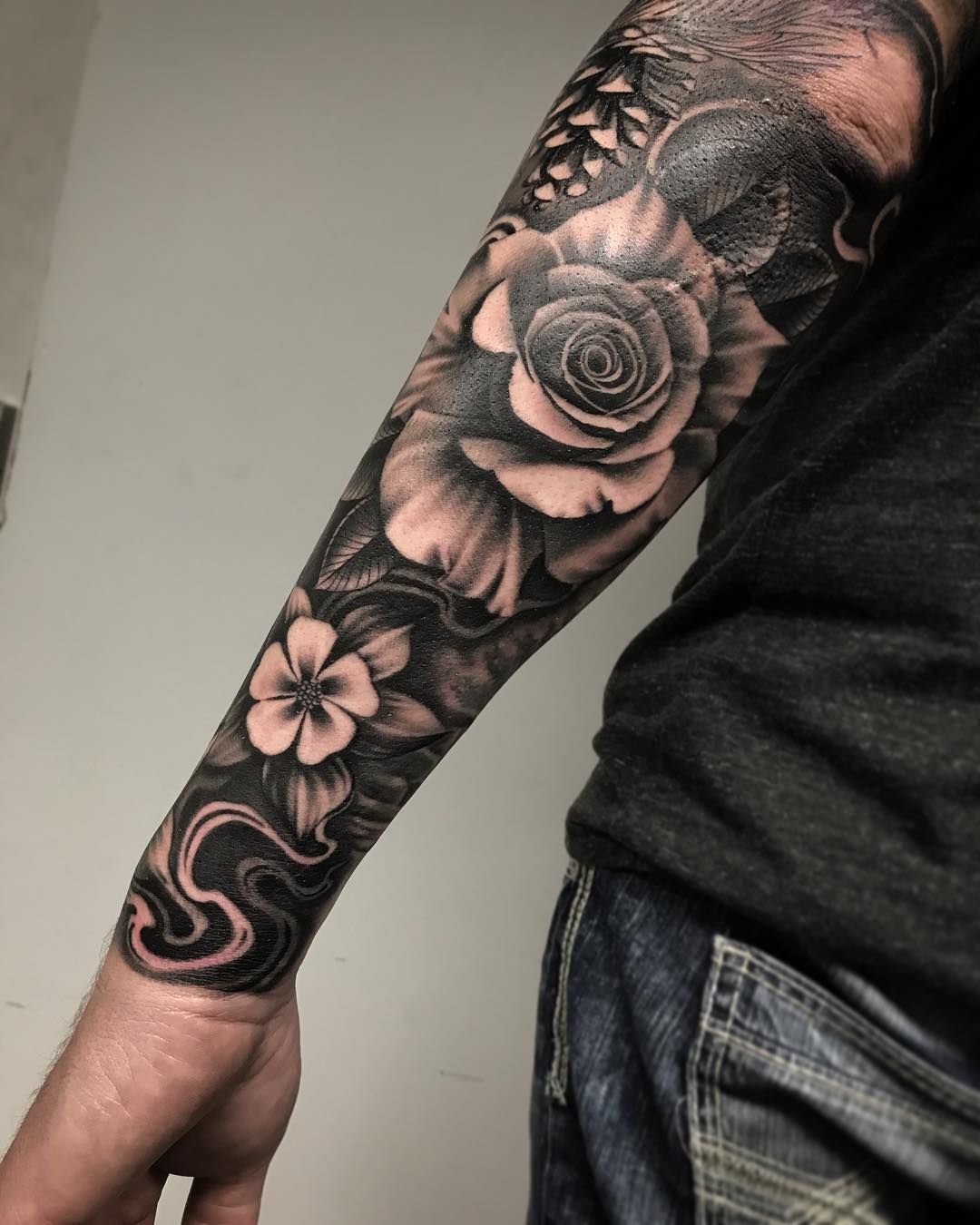
Adam Levine’s tattoos represent a sophisticated evolution of the American traditional and black-and-grey styles, creating a cohesive narrative across his skin. To emulate his look, you must focus on bold outlines, intricate floral fillers, and high-contrast shading that balances personal milestones with timeless, classic imagery across both full arm sleeves.
As of 2026, Adam Levine remains one of the most influential figures in modern tattoo culture. His approach to ink is neither random nor overly cluttered; instead, it follows a structured "patchwork" philosophy that eventually merged into full-coverage sleeves. For those seeking design ideas based on his aesthetic, understanding the interplay between his right and left arms—and how he uses specific artists to maintain a consistent "hand"—is the first step in planning your own body art.
The Right Arm: A Masterclass in Traditional Iconography
Adam Levine’s right arm is characterized by its bold, readable imagery and a focus on strength and nature. Unlike some modern sleeves that use "smoke" or "clouds" as fillers, Levine’s right arm utilizes classic motifs to bridge the gaps between larger pieces.
The Forearm Tiger
One of the most recognizable components of his right sleeve is the large tiger on his outer forearm. This piece is rendered in a style that leans toward Japanese-inspired traditionalism. The tiger is depicted in a crouching, prowling position, which utilizes the natural musculature of the forearm to create a sense of movement. When designing a similar piece, consider how the "flow" of the animal matches your limb's anatomy. The tiger symbolizes power and focus, serving as a foundational anchor for the rest of the arm.
Cherry Blossoms and Floral Transitions
To soften the bold lines of the tiger and the eagle (which sits near his shoulder and chest), Levine incorporates delicate cherry blossoms. These flowers serve a dual purpose: they provide a thematic contrast to the more aggressive animal imagery and act as organic "fillers." In tattoo design, fillers are essential for turning individual tattoos into a "sleeve." Using cherry blossoms or traditional roses allows for a seamless transition between the wrist and the bicep without the need for heavy, solid-black backgrounds.
The Eagle and Shoulder Connectivity
The upper portion of the right arm connects to a massive eagle that spans his shoulder and chest. This is a crucial design lesson for anyone planning a full sleeve: the "cap" of the shoulder is a prime location for transition. By having the eagle’s wings extend down toward the bicep, the tattoo creates a bridge between the torso and the arm, making the ink feel like a single garment rather than a collection of stickers.
The Left Arm: Musical Heritage and Personal Milestones
If the right arm is about nature and power, the left arm is a tribute to Levine’s career and personal life. This sleeve feels more "biographical" and features a mix of fine-line work and heavy shading.
The Iconic Guitar
Levine’s left forearm features a prominent acoustic guitar. For fans and musicians, this is a prime design idea. However, notice the perspective: the guitar is often angled to follow the line of the ulna bone. This placement ensures that the instrument doesn't look distorted when the arm is rotated. It represents his primary craft and serves as a centerpiece for the left-side narrative.
The "222" and Typography
Small details often carry the most weight. The number "222" is tattooed on his left forearm, representing the room number of the first studio where Maroon 5 recorded. This highlights the importance of meaningful typography in a sleeve. When planning your own ink, integrating numbers or scripts in a classic "West Coast" or "Chicano" font style can add a layer of personal history to the visual art.
The "Mom" Heart and Neo-Traditional Elements
On his left bicep, Levine has a classic "Mom" heart. This is a nod to the "Sailor Jerry" era of tattooing. Even though his sleeves are complex and modern, these touches of old-school ink provide a timeless quality. The key to making this work in 2026 is the execution—using modern needles and pigments to give a vintage design a crisp, contemporary finish.
Key Themes in the "Levine Aesthetic"
Achieving a look similar to Adam Levine requires more than just copying his specific images. It requires adhering to the specific technical and stylistic themes that define his collection.
- Black and Grey Dominance: While Levine has experimented with color, the vast majority of his most iconic work is black and grey. This creates a "monochromatic" sophistication that ages better than bright colors and fits a professional or "rockstar" wardrobe more easily.
- Skin Gaps (Negative Space): Levine’s tattoos are not a solid wall of black ink. He allows for "negative space"—areas of un-tattooed skin—between his main pieces. This allows the individual designs to breathe and prevents the sleeve from looking like a muddy blur from a distance.
- The "Bryan Randolph" Influence: Much of Levine’s most cohesive work was done by artist Bryan Randolph. Randolph’s style focuses on high-detail realism mixed with traditional composition. When seeking a tattoo artist, look for someone who specializes in "Black and Grey Illustrative" work to capture this specific texture.
Comparing Sleeve Characteristics
When deciding which "arm" to draw inspiration from, it helps to see the technical differences between them.
| Feature | Right Arm Style | Left Arm Style |
|---|---|---|
| Primary Theme | Nature, Power, and Animals | Music, Family, and Milestones |
| Main Anchor | Prowling Tiger | Acoustic Guitar |
| Filler Style | Japanese Cherry Blossoms | Ornate Scrollwork and Shading |
| Transition | Connects to Large Chest Eagle | Connects to Shoulder/Neck Script |
| Vibe | Traditional and Bold | Illustrative and Sentimental |
Designing Your Own Sleeve: Step-by-Step Guidance
If you are using Adam Levine’s tattoos as a blueprint for your own full-arm ink, follow these steps to ensure a high-quality result.
Phase 1: Identifying Your "Anchors"
Start with two or three large pieces (anchors) that hold significant meaning or visual appeal. For Levine, these were the tiger and the guitar. Do not worry about the "background" yet. Focus on the placement of these anchors on the forearm and the outer shoulder.
Phase 2: Choosing a Consistent Shading Style
Decide early on if you want the "soft" shading seen in his floral patterns or the "high-contrast" black found in his traditional pieces. Mixing too many shading styles can make a sleeve look disjointed. In 2026, many artists use "grey wash" sets to achieve the smooth gradients seen on Levine’s bicep work.
Phase 3: The "Tapering" Effect
Notice how Levine’s tattoos often taper at the wrist. He doesn't always go for a "heavy cuff." Instead, the designs fade out or end with smaller elements like the "222" or small blossoms. This makes the sleeve feel more integrated with the hand and less like a sudden "stop" at the wrist bone.
Phase 4: Intentional Fillers
Once your anchors are placed, work with your artist to design custom fillers. Instead of generic "smoke," consider using elements like:
- Scrollwork: Ornate ribbons that can contain text.
- Geometric Patterns: Low-opacity patterns that sit behind the main images.
- Botanical Elements: Leaves, vines, or petals that can bend around the elbow (a notoriously difficult area to tattoo).
Technical Requirements and 2026 Maintenance Standards
A full-arm sleeve is a significant financial and physical investment. Based on current 2026 standards for high-end tattoo work, here is what to expect:
- Time Commitment: A full sleeve in the style of Adam Levine typically requires 25 to 40 hours of chair time, usually broken into 4–6 hour sessions.
- Healing Protocols: Modern "second skin" bandages (transparent adhesive films) are standard in 2026 for the first 3–5 days of healing. This reduces scabbing and preserves the fine-line detail of the black-and-grey shading.
- Sun Protection: Black and grey ink is susceptible to fading and "spreading" under UV rays. To keep a sleeve looking as crisp as Levine’s, daily application of SPF 50 is mandatory once the tattoo is fully healed.
- Cost: Depending on the artist's reputation, a full sleeve can range from $4,000 to $15,000. High-end artists like those Levine frequents often charge by the day rather than the hour.
FAQ
Does Adam Levine have any color in his arm tattoos?
While he has some minor color accents in older pieces, his sleeves are primarily black and grey. This choice is intentional; black and grey ink provides a more "classic" look that complements his style and avoids the issues of certain colors (like red or yellow) fading unevenly over time.
Who is the main artist behind Adam Levine’s sleeves?
A significant portion of his most prominent work, including the intricate "mermaid" on his back and many arm elements, was done by Bryan Randolph of Spider Murphy’s Tattoo. Randolph is known for a style that blends fine art with traditional tattoo grit.
How painful is a full arm sleeve compared to other areas?
The arm is generally considered a moderate pain zone. The outer arm and shoulder are relatively easy, while the inner bicep, "elbow ditch," and the elbow itself are significantly more sensitive. Levine’s sleeves cover these "high-pain" areas completely, which requires significant endurance.
Can I get a sleeve like this if I already have small, random tattoos?
Yes. This is exactly how Adam Levine started. The key is "blasting over" or "shading around" existing pieces with a consistent filler. A skilled artist can use the black-and-grey aesthetic to tie disparate, older tattoos together into a cohesive sleeve.
How do I choose the right "filler" for a Levine-style sleeve?
Look at your main pieces. If they are sharp and angular (like a guitar), choose soft, organic fillers like clouds or floral petals. If your main pieces are organic (like a tiger), consider more structured fillers like sunbursts or traditional scrollwork.
Choosing Your Path to Full-Arm Ink
When embarking on a project as large as a full arm sleeve inspired by Adam Levine, the most important step is the selection of your artist. You are not just looking for someone who can draw a tiger; you are looking for a "composer" who understands how to wrap 2D art around a 3D human limb.
Review portfolios specifically for "sleeving" experience—look at how their tattoos wrap around wrists and elbows. Once you find an artist whose shading matches the Levine aesthetic, start with your most meaningful "anchor" piece on the forearm. By building slowly and focusing on the quality of the black-and-grey gradients, you can achieve a sophisticated, "California cool" look that stands the test of time, just as Levine’s collection has through 2026.